Your Workout Might Be Making You Older
In a Nutshell
The core message is that isolated workouts don't compensate for 23 hours of daily sedentary behavior—true longevity comes from integrating constant movement throughout life rather than compartmentalizing exercise. The key takeaways are: treat sedentary behavior as a disease, prioritize recovery as aggressively as training, and use the "1% rule" to reframe 150 minutes of weekly movement as achievable rather than time-prohibitive. Environment design (people, places, things, information) and self-knowledge determine long-term adherence more than willpower.
These notes were generated by AI and may contain inaccuracies.
Many people doing everything right with strength classes, cardio, zone two, and HIIT still feel exhausted with terrible sleep, joint pain, and tanking HRV. Training for longevity is about protecting capacities like muscle, VO2 max, balance, power, glucose control, and recovery ability rather than just getting fitter.
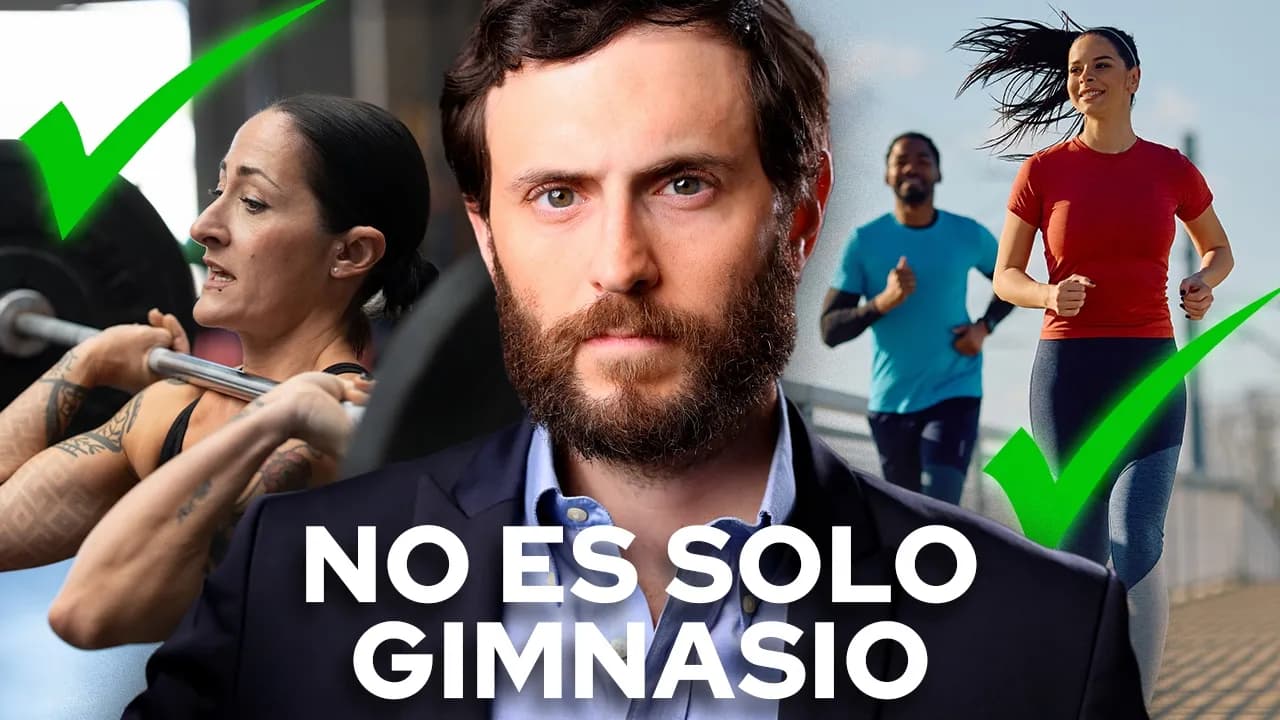
Society over-indexes on exercise while under-indexing on overall physical activity throughout the day. Many people isolate exercise into a single 30-minute workout or class, then consider the movement box checked for the day. The other 23 hours matter more than the isolated exercise block.
Movement is medicine - not exercise is medicine. People need to integrate movement throughout the day rather than isolating it into one block. Short bouts of accumulated exercise (SBAs) like four 3-minute bouts throughout the day performed better for longevity than one 30-minute bout.
Modern lifestyle makes sedentary behavior easy through driving to work, ordering groceries, and indoor living. Research shows people spend 95% of time indoors. This creates an evolutionary mismatch since humans used to move constantly and be outside all day.
Key metrics to track include average weekly step count, aiming for the 7,000 step mark, and stand to sit ratios during waking hours. The goal is avoiding long sedentary bouts by moving 5 minutes every hour, with 30-60-90 minute movement breaks.
Sedentary behavior should be viewed as an illness and disease in itself. Even standing at a desk while lounging without moving can be classified as sedentary. The focus shifts from doing more exercise to reducing inactivity.
In patients in their 60s and 70s, baseline level of movement correlates directly with cognitive sharpness, internal purpose, and mental health. Those who naturally clean, organize, and walk stairs more frequently show better overall health markers.
Gardening, playing with kids, and household chores all count as movement. Research by Alia Crum and Ellen Langer on hotel maids showed that shifting beliefs about whether daily activities count as exercise changed physiological outcomes including blood pressure and weight loss.
The goal is training for life - being cognitively, mentally, and emotionally ready for whatever life demands. Exercise provides access to life and vitality rather than serving a specific isolated purpose. The focus should be on activities of daily life and showing up better in relationships and community.
Recovery matters just as much as training. Former athletes often excel at pressing the gas pedal but struggle with pressing the brake. Work plus rest equals success. High performers find it harder to scale back than to push harder, yet they need more sleep, mindfulness time, and breaks.
Sleep is at the top of the totem pole, requiring 7-9 hours with consistency within 30 minutes of bedtime and a pre-bed routine. Proactive mindfulness practices like journaling, breath work, meditation, and body scans are essential for prevention rather than just intervention during high-stress moments.
Recovery requires intentional structure including adequate protein intake, hydration, and nourishing the body. Recovery is not what happens when not working out - it takes intention and purpose. Movement-based recovery like mobility routines or stretch routines can incorporate breath work during transition moments.
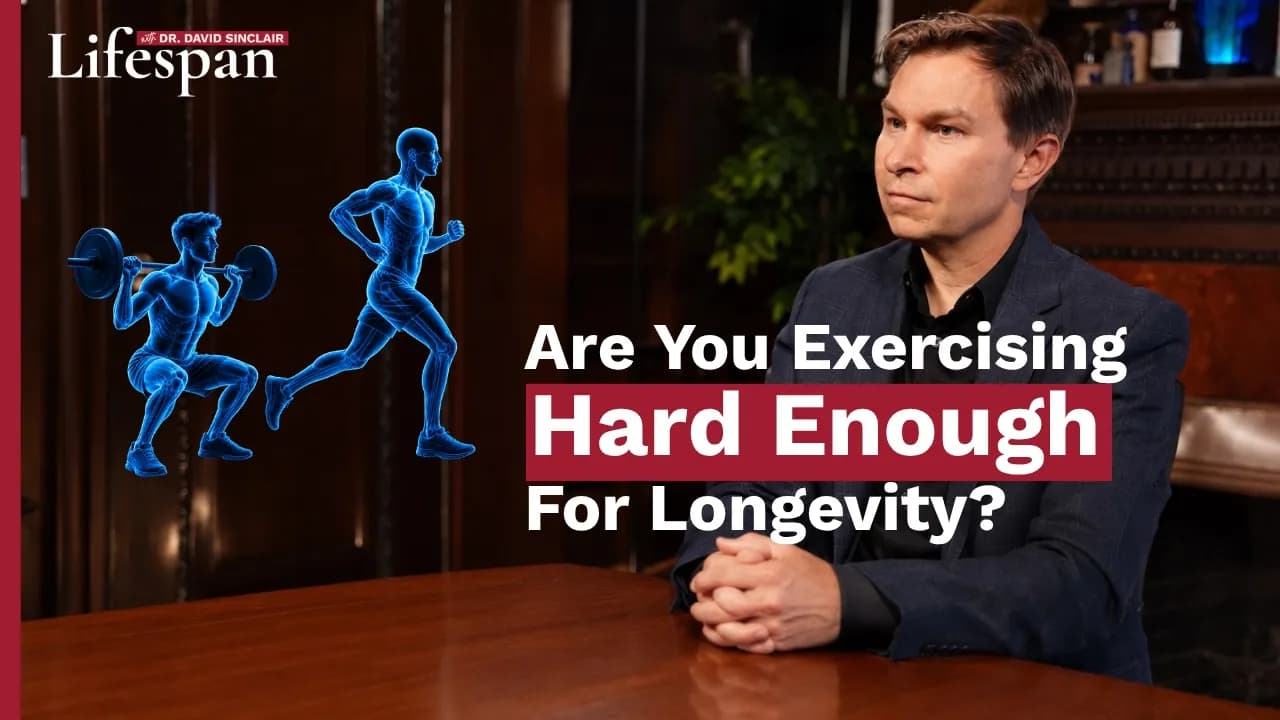
High intensity work provides more benefits per unit of time, but adherence and enjoyment are crucial factors. Many people doing Orange Theory or Barry's Bootcamp six or seven times per week are likely frying their nervous system and showing up at 70% capacity rather than 100%.
For people with limited time, the key is finding what they will realistically adhere to and enjoy over 5, 10, 15, or 20 years. This usually means starting below what people believe they're capable of, beginning with low to moderate intensity work and scaling up sustainably.
The CDC recommends 150 minutes of low to moderate activity or 75 minutes of vigorous activity, plus two strength training sessions per week. When people claim they lack time, the rule of 1% reframes the issue: 150 minutes represents only 1% of the week. This perspective shifts the conversation from a time problem to a priority problem. People typically spend far more than 1% of their week on screen time, emails, and Slack, making the 1% commitment feel achievable.
Dead zones throughout the day—10 minutes between meetings, 15 minutes after lunch—represent opportunities for movement. Instead of defaulting to social media, these blocks can accommodate exercise snacks and short bouts of accumulated activity. Keeping equipment like a kettlebell and jump rope by the desk, using a standing desk, and having an under-desk treadmill enables movement during brief windows. Five-minute blocks accumulate throughout the day into 20, 40, or 45 minutes of activity.
Once the 1% commitment is established, the next step is creating an adequate mix of training modalities. This includes strength work and low to moderate intensity work. For well-trained individuals, high-intensity training is appropriate, but most people need to build an aerobic base before progressing to VO2 max training. Research demonstrates that high-intensity work provides a better return on investment, but the foundation must be established first.
Environment shapes behavior whether people are aware of it or not. The framework divides environment into four buckets: people, places, things, and information. For the people category, some individuals require community, coaching, or group classes to move consistently. Virtual coaching and virtual classes expand accessibility.
Places can be created at home without a gym membership. A yoga mat, bench, and light dumbbells suffice to start. The principle of standardize before you optimize applies here—establish the habit before refining the setup. Things include phones, equipment, and tools that either support or hinder movement goals. Information consumption affects mindset; social media presents idealized body types and highlight reels that can discourage pursuit of realistic goals.
Self-knowledge determines which strategies work. Some people thrive in group classes; others prefer solitary activities. Using preferred media as a reward—such as only listening to the next chapter of an audiobook at the gym—can create positive associations. The goal is to follow what genuinely brings enjoyment so movement does not feel like a chore.
Exercise represents a small subset within the larger movement realm. Physical activity encompasses gardening, playing with children, shoveling snow, household chores, and laundry. All exercise qualifies as physical activity, but not all physical activity qualifies as exercise. The modern world is technologically advanced yet highly sedentary, creating a mismatch with human biology.
Ground sitting for 15 to 20 minutes while watching television encourages natural fidgeting and position changes, unlike couch sitting which locks the body in a single shape. The body prioritizes the shapes it occupies most frequently. Prolonged desk sitting in a C-shape leads the body to adapt to that posture, increasing injury risk during activities like hiking or recreational sports when the body is asked to perform unfamiliar movements.
Blue zone populations demonstrate that longevity does not require formal exercise. Residents of Okinawa and similar regions engage in activities of daily living—walking to work, walking to markets, squatting or sitting on the ground to eat—without labeling these actions as exercise. These populations remain functional deep into their 100s through consistent movement patterns rather than structured workouts.
Outdoor exercise provides cognitive stimulation alongside physical stimulation. Trail running, outdoor cycling, and nature walks combine the physiological benefits of movement with the documented advantages of nature exposure. Gym environments—air-conditioned spaces with stationary treadmills—lack the sunlight, sounds, sights, and smells that enhance the experience. Working out outdoors delivers additional cognitive benefits beyond the physiological effects.
Mitochondrial health improvement begins with building an aerobic base through low-intensity, zone two exercise. Starting with 60 to 90 minutes and progressing up to 120 minutes establishes the foundation. There is no upper limit for benefits from this type of training. High-intensity work then drives mitochondrial biogenesis, creating new mitochondria through hormesis—the controlled stress that signals the body to adapt and prepare for future demands.
Lactate produced during high-intensity efforts serves as a signal for mitochondrial development. However, high-intensity training volume should remain modest—10 to 20 minutes of intentional work suffices for VO2 max improvement. Protocols such as the Norwegian 4x4 (four minutes hard, three minutes rest, repeated four times) and Tabata represent structured approaches, but adequate recovery between intervals is essential. Insufficient rest leads to diminished returns as the body cannot reach the target intensity on subsequent efforts.
Exercise should build energy rather than drain it. When performed correctly with proper recovery, movement generates both physical and neural energy. Most people report feeling better after exercise sessions. Recovery occurs primarily during sleep, where physical and hormonal restoration takes place. Inadequate sleep prevents the body from building back stronger, resulting in progressive decline rather than improvement.
The hierarchy of interventions places behavioral factors first, followed by nutrition, then supplements, with medication last. For active individuals, protein intake of 0.7 to 1 gram per pound of body weight supports muscle maintenance and growth. Hydration begins with half of body weight in fluid ounces, with electrolytes added for active individuals in warm climates.
Creatine at 5 to 10 grams daily offers a favorable safety profile. Foundational supplements include vitamin D, creatine, omega-3s, magnesium, and electrolytes. Tracking food intake for one week quarterly using applications like MyFitnessPal or Chronometer reveals patterns in protein consumption and other categories. Blood work, DEXA scans, and other diagnostics provide baseline data before introducing new interventions.
The choice of metrics depends on the specific goal. For VO2 max, sub-VO2 max testing and field tests such as the Cooper 12-minute walk, half-mile, or mile-and-a-half run provide practical estimates. Daily weight tracked at the same time each day serves as a useful proxy for some individuals, though not everyone is comfortable using this tool. Additional body-composition measures include waist-to-hip ratio, BMI at a population level, and body-fat percentage. Ultimately, the problem being solved should dictate which metrics are selected; reversing this order often leads people to monitor numbers that do not align with their objectives and can negatively affect mood and adherence.
Sauna use receives strong endorsement. Cold plunge is viewed as potentially beneficial for the right people and moments but possibly overemphasized. Contrast therapy combining both modalities is favored.
The technique can add an estimated one-to-three percent performance gain once foundational training is optimized, yet it is not recommended for everyday individuals or high performers because of equipment demands and logistical complexity.
Peptides rank low on the priority list for both personal use and client recommendations. Promising research exists, but concerns about sourcing, proper administration, cost, and lack of current regulation make them premature. The expectation is that more oversight and accessibility will emerge within three to five years.
Rucking and weighted walking are highly accessible tools credited in part to Michael Easter's work, including his books Comfort Crisis and Walking with Weight. The practice adds both cardiovascular stimulus and a modest strength component. Examples include wearing a rucksack during daily meetings, illustrating its practicality for integration into existing routines.
Transitioning to barefoot or minimalist footwear should be gradual. Benefits observed include stronger lower-leg musculature (calves, tibialis anterior), improved ankle and foot stability, and reduced injury rates that positively affect knees and hips proximally. Individuals moving from maximal-cushion shoes (for example, 2-inch-thick Hoka models) are advised to begin with body-weight movements, warm-ups, and cool-downs before progressing.
HRV is endorsed as a tool for auto-regulation: when values fall significantly below an individual's baseline, training intensity can be adjusted toward lighter activity such as zone-two cardio to support recovery. In contrast, composite readiness scores generated by black-box algorithms are viewed skeptically; the underlying variables are opaque, and scores should never unilaterally dictate daily plans. Objective data should be integrated with subjective feeling, with greater weight placed on how one actually feels.
Kyle's forthcoming book, Move, Thrive, and Come Alive, is scheduled for release on June 2. It presents 120 science-backed, practical tips and habits aimed at reintegrating movement throughout daily life rather than confining exercise to isolated sessions. The work addresses reclaiming joy in physical activity and escaping the sedentary trap of modern environments. Pre-orders are available wherever books are sold, with Amazon noted as the most accessible outlet.
Keep Hillary Lin, MD in your library
Save the videos and channels worth coming back to, and find them again in one place.