Carnivore Surgeon: The WORST Food That Feeds Cancer
In a Nutshell
Dr. Rob Sawyes argues that cancer cells rely almost exclusively on glucose for energy due to damaged mitochondria, making a ketogenic or carnivore diet an effective strategy to starve tumors while healthy cells thrive on ketones and fats. He criticizes the medical paradox of using PET scans to detect cancer via glucose uptake yet feeding patients sugar during treatment, and cites his friend Jeff's case who extended survival from three to 30 months by switching to meat-based eating during chemotherapy. The surgeon emphasizes that lifestyle-driven mitochondrial damage—not genetics—drives most cancers, and that metabolic therapy can slow tumor growth, reduce chemotherapy side effects, and improve quality of life.
These notes were generated by AI and may contain inaccuracies.
A surgeon lost a close friend to stage four colon cancer who was told his condition was inoperable and incurable with only three months to live. During chemotherapy sessions, the patient was given biscuits and told to have milkshakes. The ketogenic diet does not kill cancer cells but slows their growth, making drugs and radiation more effective. The Warburg effect is used to diagnose and track cancer, yet patients are not advised to stop eating sugar despite knowing it concentrates in cancer cells.
Dr. Rob Sawyes has over 35 years in surgery, performed more than 10,000 surgical procedures, holds two board certifications in pediatric surgery and general surgery, and has a PhD in Liver Metabolism. He was formerly a professor of pediatric and fetal surgery at Vanderbilt University and currently practices as a surgeon and practitioner in the field of metabolism.
The main regulator of cell division is insulin, which regulates cell division when hormonally appropriate and also regulates cell aging. When the insulin signal breaks down and the division signal remains constantly present without a stop signal, cells continue dividing. Cells that do not stop dividing are called cancer. Cancer cells also distort mitochondrial function through inherited gene modifications.
Mitochondria are symbiotic bacteria that entered cells and function by taking carbon, hydrogen, and oxygen molecules. Healthy mitochondria transfer energy from fat, protein, or carbohydrates to ATP. At the end of this process, carbon dioxide and water are released. Cancer cells often have highly abnormal mitochondria that cannot process ketones or fats effectively and have lost the ability to use oxygen, forcing them to extract energy only from glucose through anaerobic respiration.
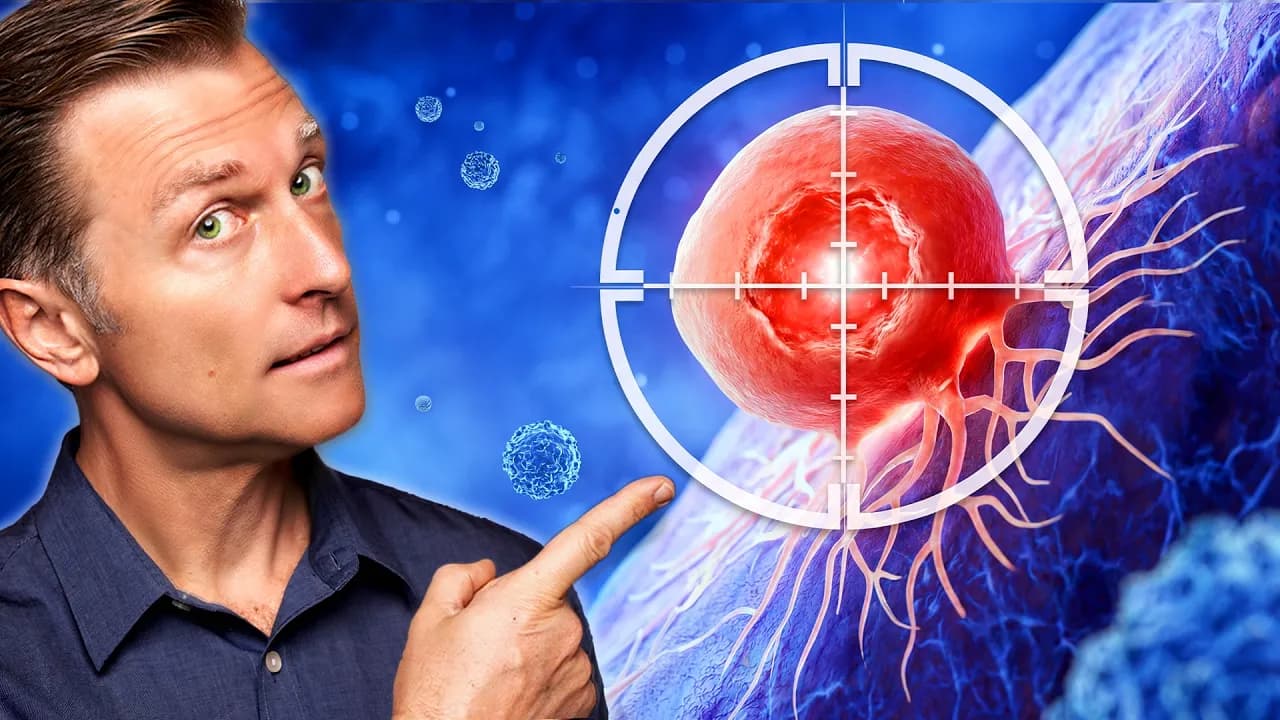
The Warburg effect refers to cancer cells' inability to use oxygen for energy production, allowing them to extract energy only from glucose while being unable to use ketones or fats. When mitochondria are supplied mostly with fats and ketones, healthy cells remain happy while cancer cells become limited by sugar availability, slowing their reproduction. The ketogenic diet supports chemotherapy by slowing cancer growth, spread, and metastasis regeneration.
Oncologists use the Warburg effect in PET CT scans, where sugar molecules labeled with radioactive markers concentrate in cancer cells and glow. They use this principle to diagnose and track cancer but do not advise patients to stop eating sugar. This represents a distorted reality where the same metabolic principle used for diagnosis is ignored in treatment recommendations.
Most oncologists warn against meat-based and ketogenic diets, fearing depletion of muscle tissue. However, consuming high concentrations of animal products supports the body without requiring much intake. Patients may lose fat but maintain essential tissues like muscle while effectively starving cancer cells.
Jeff was diagnosed with stage four colon cancer and given three months to live, told his condition was inoperable and incurable. After switching to a meat-based diet while undergoing chemotherapy, his energy levels increased dramatically and chemotherapy became much more tolerable. He lived for 30 months instead of the predicted three months. During chemotherapy, patients were given cookies and milkshakes, which the surgeon finds inappropriate.
A meat-based, high-fat diet can help reduce nausea from chemotherapy or pregnancy. These dietary changes allow for better quality of life even when they do not significantly extend lifespan. The surgeon notes that diagnosed cancer patients are often left without hope and told their condition is "just a coincidence" or genetic.
Jeff stated that most cancers are caused by lifestyle rather than coincidence. Chronic inflammation damages mitochondria over years through consumption of unsuitable diets high in sugar and carbohydrates, combined with stress. This damage can lead to cancer development. The surgeon emphasizes that genes load the gun but lifestyle pulls the trigger.
Healthcare often focuses on treating symptoms with medication rather than addressing underlying causes. The goal should be to fix what can be fixed first, or work in conjunction with medication, rather than just increasing medication without treating root causes. Metabolic cancer therapy represents an available option that many patients are unaware of.
For cancer and metabolic diseases, seek meetings or gatherings with like-minded people who understand metabolic approaches. Conduct personal research and ask artificial intelligence about physiology rather than relying solely on peer-reviewed epidemiological studies. Watch educational programs and remain open to possibilities even when rejected by mainstream medicine. Patients should experience the approach themselves, as improvements in acid reflux, sleep, swelling, insulin needs, and hunger typically occur within weeks.
Dr. Sawyes operates a YouTube channel called "carbaddictiondoc" but emphasizes he is a clinically practicing physician. Patients can reach him through the private number 0642 517 561 for the Worldwide Office, which welcomes patients globally and operates outside current healthcare system constraints.
Keep HomeSteadHow in your library
Save the videos and channels worth coming back to, and find them again in one place.