Leading Cancer Researcher: They’re Ignoring My Research, Cancer Patients Must Know This!
In a Nutshell
Cancer arises from damaged mitochondria that force cells to rely on inefficient glucose and glutamine fermentation instead of oxygen-based energy production. The glucose-ketone index (GKI) provides a measurable target to shift metabolism into a "prevention zone" that starves tumors while protecting healthy cells. Metabolic therapy—nutritional ketosis plus repurposed drugs like mebendazole—can be combined with lower-dose conventional treatments to extend survival, as shown in long-term glioblastoma cases.
These notes were generated by AI and may contain inaccuracies.
A paper is under embargo that is expected to be a lead article in Frontiers in Science. It outlines a strategy to manage cancer effectively and keep patients alive significantly longer, providing hope to the hopeless.
All chronic diseases and cancer result from damage to mitochondria. The field of cancer research has yet to accept this mitochondrial origin of cancer. There are 1,700 people dying from cancer daily in the United States, which equals 70 per hour, and the numbers continue to worsen each year.
Modern environments damage mitochondria through massive amounts of highly processed carbohydrates, inactivity, emotional stress, and poor sleep habits. The domestic dog serves as an example: cancer is the number one killer of domestic dogs, while wolves in the wild rarely develop cancer. Wolves run freely and eat natural foods, whereas dogs often live in apartments with limited exercise and become obese and develop cancer.
Professor Thomas Seyfried has committed his life to managing cancer effectively without toxicity, based on scientific work in the field. His perspective differs from mainstream oncology and is grounded in the science of Otto Warburg from the 1920s, 1930s, and 1940s. Warburg demonstrated that cancer is fundamentally a mitochondrial metabolic disease.
Mitochondria are organelles located in the cytoplasm of the cell, not in the nucleus. At conception, all mitochondria for the developing embryo come from the mother's cytoplasm. Mitochondria determine lifespan and destiny across species. Different species have different lifespans because of this organelle: mice live approximately two and a half years, while elephants live as long as humans. Wrinkles and aging signs result from wear and tear on mitochondria that reduces efficient energy production.
Mitochondria control the internal environment of cells and communicate with neighboring cells across tissues including liver, lung, colon, brain, and neurons. They determine overall metabolic health of the body as a systemic network. Mitochondria tell cells when to divide and when to slow down, functioning like a brain and engine room for cellular destiny.
Mitochondria can be damaged in multiple ways. Carcinogens damage proteins and lipids in the delicate internal membranes of mitochondria that generate energy through respiration. Intermittent hypoxia, such as occurs in sleep apnea, creates reactive oxygen species (ROS) that damage these membranes. Acute stress can cause cell death through apoptosis or necrosis, while gradual chronic stress over months or years reduces the organelle's ability to produce sufficient energy.
All life evolved initially without oxygen through fermentation. Mitochondria originated from a bacterial fusion event billions of years ago. When mitochondria become impaired, ancient fermentation pathways from evolutionary history re-emerge to compensate for lost energy efficiency. These pathways use glutamine as a fermentation fuel and produce ATP through oxygen-independent mechanisms.
Oxidative phosphorylation refers to energy production through oxygen. When damage to oxidative phosphorylation is acute, the cell dies, as seen with cyanide poisoning which binds to proteins that use oxygen for energy. Chronic diseases typically involve gradual stress on mitochondria rather than acute damage. In cancer, cells in specific tissues gradually compensate with ancient fermentation pathways.
Albert Szent-Györgyi identified the oncogenic paradox: multiple environmental factors including oncogenic viruses, chronic inflammation, carcinogens, intermittent hypoxia, and rare germline mutations can elicit cancer, yet the common pathophysiological mechanism linking these agents to dysregulated cell growth remains unclear. Mitochondria regulate when cells should divide and when they should not. When mitochondria become chronically impaired, cells fall back on ancient pathways that existed before oxygen, leading to unregulated growth.
Otto Warburg observed that cancer cells continue to ferment and produce massive amounts of lactic acid even in the presence of 100% oxygen. This should not occur if mitochondria were functioning normally. When people suffer heart attacks and stop breathing, the bloodstream fills with fermentation waste products including lactic acid and succinic acid. These disappear once breathing resumes because mitochondria can utilize oxygen. Warburg speculated that irreversible damage to mitochondria occurred in cancer cells.
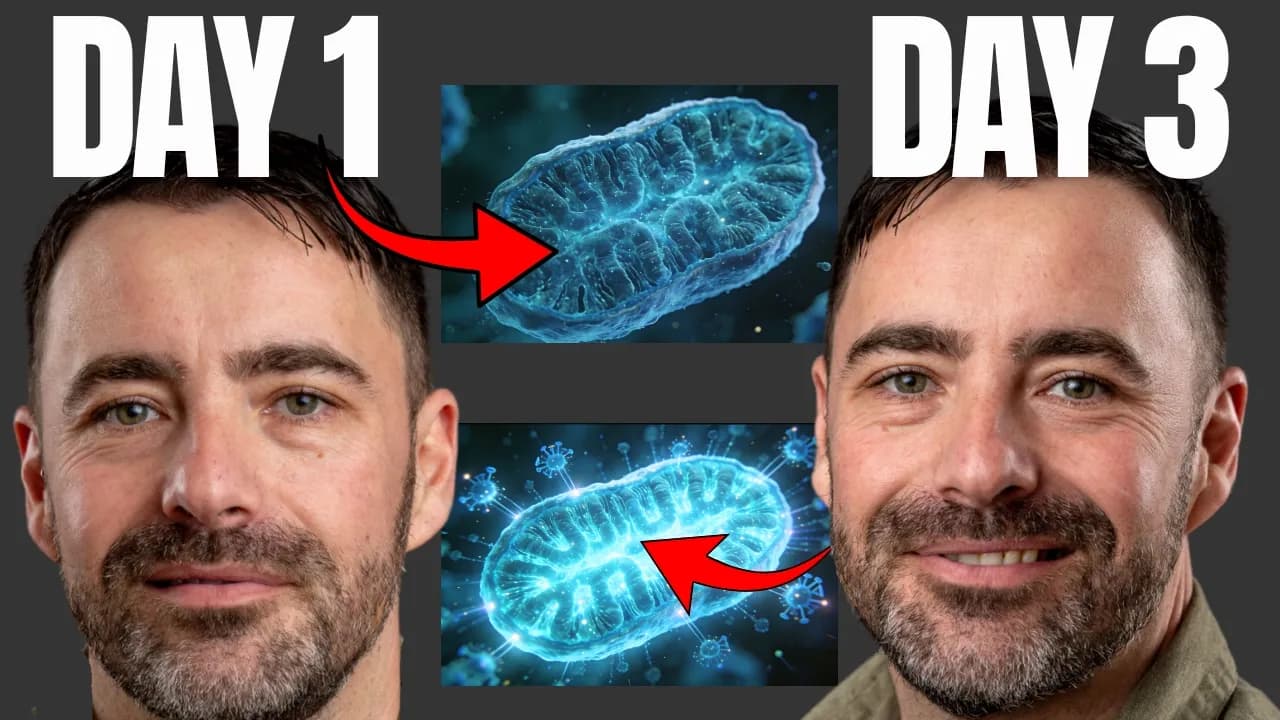
Cancer cells take in oxygen but do not make significant amounts of ATP through it. Instead, oxygen is used to produce ROS that further damage membranes and cause DNA mutations, which are downstream effects of mitochondrial damage. Under electron microscopy, cancer cells show missing cristae, ghost mitochondria with shells but nothing inside, and deformed mitochondria. Structure determines function: abnormal mitochondrial structure leads to abnormal function. This principle is known to biologists but not widely accepted by oncologists.
Mitochondria make intimate contacts with other cellular membranes including the endoplasmic reticulum through mitochondrial-associated membranes. These contacts are also abnormal in cancer cells when viewed under electron microscopy. Calcium signaling through these contacts controls cell destiny and explains why cells grow out of control.
Cancer cells survive treatment with cyanide or azide and continue growing in the absence of oxygen because they rely on fermentation rather than oxidative phosphorylation. They communicate with the nucleus to open transporters on the cell surface to bring in fuels that drive fermentation energy. Normal oxidative phosphorylation produces 34 to 36 ATP molecules per glucose molecule with oxygen, while fermentation produces only 2 ATP molecules. To compensate for this inefficiency, cancer cells require massive supplies of glucose and glutamine.
Glutamine is the most abundant amino acid in the bloodstream and serves as a critical fuel for fermentation. Evolution provided glutamine because it allows cells to survive when breathing stops. The gut is controlled by glutamine, and the immune system uses glutamine. Glutamine is considered a non-essential amino acid that the body can synthesize from food, though certain foods provide it directly.
Glutamine is an essential amino acid that is biochemically classified as non-essential because the body can synthesize it from sugar. It is the most abundant amino acid in the human body.
When mitochondria malfunction, they revert to a prehistoric fermentation pathway that produces energy inefficiently without proper oxygen utilization. The cell begins relying on glucose and glutamine to generate energy, which is a less efficient source. This causes the cell to become greedy, requiring significantly more fuel to produce the same amount of ATP. Cancer cells exhibit this behavior—they do not respond normally to oxygen and multiply without regard for the broader organism.
Cancer can occur in children as young as three years old or in 90-year-olds. This suggests that life choices alone do not explain all cases. Forever chemicals and environmental toxins from technologically advanced societies can cross the placental wall and damage children's organs during early development. Some carcinogens are fat-soluble and can damage mitochondria during early developmental stages.
Brain cancer in a six-month-old baby cannot be attributed to lifestyle choices like smoking or drinking. Instead, mitochondria in a population of brain cells become damaged, leading to dysregulated cell growth. The organelle normally controls when cells should divide, and when damaged, this regulation fails.
When mitochondria become damaged, they signal to the nucleus through mitochondrial stress response retrograde signaling. The nucleus responds by activating oncogenes, which open the floodgates for glucose and glutamine influx. This allows cells to grow in a dysregulated manner. Cancer cells revert to ancient fermentation pathways that lack regulation because the mitochondrial component of cellular control is compromised.
The oncogenic paradox refers to the observation that cancer risk is not solely determined by personal choices but also by exposures. Inflammation produces cytokines that damage mitochondrial efficiency. Chronic inflammation is a known risk factor for cancer. Intermittent hypoxia, such as occurs in sleep apnea, damages the efficiency of oxidative phosphorylation, leading to compensatory fermentation.
Warburg demonstrated that intermittent hypoxia on cells damages oxidative phosphorylation efficiency, triggering compensatory fermentation. Cells must compensate or die—if they cannot compensate, the cell dies.
Countries with the lowest cancer incidence consistently include Niger, Gambia, and Nepal. Conversely, high-income countries like Australia, New Zealand, and the United States have the highest cancer rates. This pattern relates to technology and lifestyle rather than inherent biological differences.
Humans remain biologically paleolithic despite modern environments. The body evolved to store energy efficiently during times of famine. Modern environments feature massive amounts of highly processed carbohydrates, inactivity, emotional stress, poor sleep habits, and exposure to carcinogens. These factors chronically damage mitochondria in specific organs, leading to dysregulated cell growth and cancer in those organs.
Paleolithic ancestors from 500,000 years ago and modern populations living according to traditional ways with minimal interference from modern diet and lifestyle have lower cancer rates. Albert Schweitzer, a humanitarian physician, observed remarkably low cancer rates in African tribes living traditionally. These populations engage in substantial exercise, eat organic foods, and experience less stress and chemical exposure.
Dogs evolved from wolves. Wolves in the wild rarely have cancer, but cancer is the number one killer of domestic dogs. Wolves run and eat natural foods, while domestic dogs in apartments receive limited exercise, become obese, and develop cancer.
Inherited genes like BRCA1 for breast cancer and Li-Fraumeni syndrome for various cancers increase risk. However, none of these mutations are 100% penetrant. Primary risk factors would cause cancer in 100% of individuals carrying the mutation, as seen in inborn errors of metabolism like Tay-Sachs disease. Cancer-associated mutations are incompletely penetrant, meaning secondary factors determine whether cancer develops.
Analysis of genetic risk mutations shows that every one disturbs the efficiency of oxidative phosphorylation in mitochondria. This connects genetic predisposition to the same fundamental mechanism as carcinogens and viral infections. Viruses like those causing hepatoma and papilloma produce products that damage mitochondria or replicate inside them, disrupting efficiency, causing compensatory fermentation, and triggering dysregulated cell growth through abnormal calcium signaling that makes cells unresponsive to neighboring cells.
Chronic stress elevates corticosteroids, which raise blood sugar and contribute to systemic inflammation. Short-term stress is manageable, but chronic stress—such as doom scrolling on phones while consuming processed foods without movement—damages mitochondrial efficiency by producing reactive species. This either gradually kills cells or predisposes them to cancer.
Cancer is the most feared chronic disease, but type 2 diabetes, cardiovascular disease, and dementia also stem from mitochondrial damage. In Parkinson's disease, damaged mitochondria cause cells in the substantia nigra to die because neurons cannot compensate with fermentation. Cancer is rare in neurons because they cannot use fermentation and instead die when mitochondria fail. Glial cells form most brain tumors.
Sleep restores mitochondrial energy efficiency. Good sleep leaves the body feeling rejuvenated by reducing stress on mitochondria and allowing better metabolic management. Chronic sleep deprivation in stressed states damages oxidative phosphorylation across organs, contributing to neuropsychiatric problems, digestive issues, cancer, and type 2 diabetes.
Lack of exercise contrasts with ancestral demands. Ancestors hunted large animals like buffalo or woolly mammoth through exhausting chases. A study from Israel found that cavemen preferentially hunted the strongest members of herds, believing this would transfer vitality. This practice contributed to species extinction by leaving vulnerable young and old animals exposed to predators.
The glucose ketone index is a biomarker tool for assessing mitochondrial health. When shifting from carbohydrate fuel to lipid fuel, the body produces ketones—water-soluble breakdown products of fatty acids. Adipose tissue stores fat accumulated during evolutionary periods of food scarcity. When sugar intake is low, stored fat moves to the liver and is converted into ketone bodies that can replace glucose for energy in the brain, muscles, and most cells except erythrocytes.
Humans evolved in environments without constant access to highly processed carbohydrates. Paleolithic humans experienced periodic ketosis due to food scarcity and high activity levels, maintaining mitochondrial health without chronic diseases.
The index was developed through work with Trudy Dupont, an American lawyer with a brain stem tumor who used metabolic therapy and survived over ten years. Tumor cells require glucose for growth and cannot burn ketones because they need efficient mitochondria, which cancer cells lack. Normal cells can burn ketones efficiently, allowing lower oxygen consumption while producing more energy.
Cancer cells cannot burn fatty acids or ketone bodies due to damaged mitochondria, leading to lipid droplet storage. Measuring glucose and ketones independently proved problematic because glucose is volatile and variable. The glucose ketone index was created by converting glucose from milligrams per deciliter to millimolar, dividing by ketone concentration in millimolar, producing a stable ratio.
This ratio indicates mitochondrial health. Low ratios correspond to the metabolic state of paleolithic humans who lacked chronic diseases because their mitochondria remained undamaged. The index provides a measurable target for maintaining mitochondrial function through lifestyle.
The GKI is calculated by dividing blood glucose levels by ketone levels. A demonstration showed a glucose reading of 90 mg/dL and ketone level of 0.4 mmol/L, yielding a GKI of 12.5 after dividing 90 by 18 to get 5, then dividing 5 by 0.4. This places the individual in the prevention zone. Paleolithic humans primarily lived in the yellow-green GKI zones because they lacked constant access to foods that elevate blood glucose while suppressing ketones. Modern daily feasting keeps most people in the red zone of chronic disease risk.
A carnivore diet consisting of ribeye steak, bacon, eggs, and lamb for one week achieved a GKI of 10, though discipline is required to avoid overconsumption.
The yellow-green zones represent the zone of prevention, where consistent residence makes cancer and chronic diseases very difficult to develop because mitochondria remain healthy. Humans evolved as a scavenger species that would gorge when food was available, not feast daily. Modern constant feasting drives the chronic disease epidemic.
The red zone represents the zone of risk for chronic diseases and cancer, characterized by high-carbohydrate diets, excessive sugar, no exercise, and eating five meals daily with constant snacking. Documented GKIs have reached 500 in individuals with blood glucose of 400-500 mg/dL and zero ketones.
Nutritional ketosis involves moderate ketone elevation (0.4 mmol/L demonstrated), which is how humans evolved. Pathological ketoacidosis occurs at ketone levels of 15-20 mmol/L, typically in uncontrolled type 1 diabetes where insulin response is absent. Most type 2 diabetes pathologies stem from damaged oxidative phosphorylation.
The GKI chart enables metabolic management by driving blood glucose low while elevating ketones. This simultaneously deprives tumor cells of one of their two primary fuels (glucose) driving dysregulated growth. Normal cells become super healthy on ketones because they possess intact mitochondria. Tumor cells cannot utilize ketones effectively because their mitochondria are structurally and functionally corrupted. Elevated ketones become toxic to cancer cells while healthy cells thrive.
This approach eliminates abnormal inflammation and angiogenesis, transforming an angry, inflamed tumor into a more indolent state, though glutamine remains available as fuel.
Cancer cells require both glucose and glutamine. Glutamine is abundant in the bloodstream, creating a surplus that sustains tumor growth even when glucose is restricted. Management requires entering the green zone through ketosis, then deploying repurposed drugs to target glutaminolysis.
Mebendazole targets both glucose and glutamine pathways. The mechanism was demonstrated in published research showing it blocks both fuels simultaneously. Cancer cannot grow without glucose and glutamine and cannot switch to fatty acids or ketone bodies.
Pablo Kelly from Devon, England, was diagnosed with inoperable glioblastoma and refused radiation and chemotherapy. Using metabolic therapy alone, he survived 10 years. The tumor became operable after metabolic pressure created clear demarcation, allowing four debulking surgeries. He never died from the tumor but from a cerebral hemorrhage during the final surgery. He had children and lived with the disease for a decade.
Nutritional ketosis facilitates drug delivery to tumor cells, allowing lower doses with greater therapeutic effect. The ketogenic state protects healthy cells while increasing cancer cell vulnerability. This approach is being implemented at a clinic in Istanbul for pancreatic and advanced breast cancers using reduced doses of cisplatin, carboplatin, and other agents.
When entering a fasted or ketogenic state, healthy cells enter bunker mode, slowing division, conserving energy, and building defenses. Cancer cells lack this evolutionary off-switch and continue rapid division. Chemotherapy then damages the unprotected, rapidly dividing cancer cells while shielded healthy cells survive better.
Chemotherapy creates massive oxidative stress requiring glucose for DNA repair. Ketosis cuts off glucose supply, preventing repair and accelerating tumor death. Fermentation waste products (lactic acid and succinic acid) normally shield tumors from therapy; targeting both glucose and glutamine removes this protection.
The vast majority of mainstream oncologists do not recommend ketogenic diets to newly diagnosed patients. When patients raise the topic, many doctors actively advise against it. Primary concerns include fear of cachexia, a severe wasting syndrome where tumors mobilize glutamine from muscle tissue. However, weight loss in nutritional ketosis is therapeutic, whereas cachexia represents pathological weight loss driven by tumor glutamine extraction.
Mainstream oncology operates on the somatic mutation theory, viewing cancer as a genetic disease driven by DNA mutations. Treatments target DNA and cell division rather than cellular metabolism. Massive multi-center double-blind phase 3 trials are required before protocols become standard of care, and dietary interventions rarely receive such funding.
Nuclear transfer experiments demonstrate the cytoplasmic (mitochondrial) basis of cancer. Placing a tumor cell nucleus into an enucleated normal cell produces no cancer. Placing a normal cell nucleus into tumor cell cytoplasm produces dysregulated growth. Normal people carry driver gene mutations without developing cancer, termed wild-type cancers.
The National Cancer Institute website states cancer is a genetic disease, yet tumors exist without detectable mutations. The field has not accepted mitochondrial control of cellular destiny.
Approximately 1,700 Americans die daily from cancer (70 per hour). The American Cancer Society projects 626,000 cancer deaths in 2026, with over 2.11 million new diagnoses (5,800 daily). Lung cancer remains the leading cause of death. Breast, prostate, pancreatic, melanoma, and HPV-associated oral cancers are increasing. Glioblastoma has seen no major therapeutic advance in 100 years.
Hospital dietitians often provide meal replacement shakes containing corn syrup and refined sugars, ice cream, and high-carbohydrate foods to prevent weight loss during chemotherapy, directly feeding tumors metabolically.
The MORE Alliance (Metabolic Oncology Research and Education) is being developed to bring together metabolic approaches based on decades of research originating with Otto Warburg and continued at Boston College. Clinicians and dietitians trained in metabolic management can implement these protocols immediately.
If positioned to implement change, the strategy would retain existing drugs but deploy them at lower dosages within a ketogenic metabolic framework rather than discarding pharmaceutical approaches entirely.
Preventing cancer deaths requires government policies focused on education. The power of metabolic health information should be personal, empowering patients rather than having government officials dictate what people should eat. People need knowledge to make informed choices about their food rather than having restrictions imposed on them.
Poor people in food deserts only have access to low-quality food, which is a tragedy. Many cannot afford the healthy foods available at stores like Whole Foods. Making healthy food more cost-effective is an important goal, though implementing this in practice is challenging.
People should avoid highly processed carbohydrates. The goal is to maintain efficiency of mitochondria, the cellular organelles responsible for energy production. Keeping mitochondria healthy reduces dementia, diabetes, and obesity. Exercise is a key strategy to mitigate inflammatory conditions.
GLP-1 medications lower blood sugar, but it remains unknown whether they raise ketone levels that enhance mitochondrial bioenergetic efficiency. No research has yet determined where these medications would position someone on the metabolic health chart.
Key prevention strategies include education, eliminating food deserts to improve access to healthy food, avoiding ultra-processed foods, providing free gym memberships, and reducing emotional stress through music therapy, meditation, friends, and happiness. A guest from Korea or Japan described the fast track to cancer and chronic disease: eating poor quality food, terrible sleep, never exercising, doom scrolling, and having no friends or happiness.
Continuous glucose ketone monitors and apps are being developed that allow users to photograph food items and immediately see where that food would place them on the metabolic health chart. AI is being used in these applications. The approach is purely patient empowerment, allowing individuals to make their own choices based on knowledge rather than external mandates.
People should test foods themselves to determine their metabolic effects rather than being told specific foods to eat. A calorie-restricted Mediterranean diet including salmon, sardines, olive oil, avocado, and exercise has shown tremendous success in keeping glioblastoma patients alive. Both carnivore diets and plant-based approaches can work if they keep blood sugar low and elevate ketones. This is a bioenergetic roadmap to health that works across different dietary preferences.
High fructose corn syrup and refined sugars are among the worst foods to consume. Industrial seed oils such as canola and soybean oils are discussed, though individual metabolism varies based on age, race, sex, and other factors. Synthetic pesticides increase lymphoma risk by 41% and damage oxidative phosphorylation, putting cells at risk for compensatory fermentation and dysregulated cell growth.
The field does not fully understand cancer's origin mechanistically or how mitochondria control cell life. Mitochondrial biologists like Nick Lane from England and Doug Wallace should be consulted. The focus should be on providing people with actionable information.
Intermittent fasting is discussed, with a week-long fast mentioned as an example. After approximately three days of water-only fasting, people hit "the wall" characterized by terrible feelings, inability to sleep, and restless legs. Veral Simck's book describes how sipping tiny amounts of grape juice can help get through this wall.
For cancer patients, a zero-carb diet is implemented for about a week while the body readjusts from the red zone to the yellow zone. Glucose acts as an addictive drug on the brain similar to cocaine. Transitioning to water-only fasting after a zero-carb period makes the process less traumatic because the metabolic transition has already occurred.
Dr. Valter Longo's research shows that fasting-mimicking diets drastically lower IGF-1, trigger cellular autophagy, and make standard cancer therapies up to three times more effective by removing the metabolic shield of cancer cells. This reduces waste products of glucose metabolism including lactic acid and succinic acid.
Wearing continuous glucose monitors is not recommended as a general policy. The device can beep during social activities and create unwanted monitoring. However, wearing one once or twice can be useful for understanding how different foods impact blood sugar within 10 minutes and how blood sugar crashes affect feelings and behavior.
Andrew Scarboro from England, 15 years out from stage three diagnosis, has developed the ability to recognize metabolic zones from bodily feelings alone after years of finger prick testing.
A 2013 study demonstrated that ketogenic diet alone significantly slowed tumor growth in systemic metastatic cancer mouse models, while combining the diet with hyperbaric oxygen therapy produced profound synergistic decreases in tumor growth and drastically increased survival times. Hyperbaric oxygen creates oxidative stress in cells lacking efficient oxidative phosphorylation, selectively killing cancer cells when combined with nutritional ketosis.
Standard of care treatments including radiation, chemotherapy, and immunotherapies can put significant stress on the body, pushing patients into the red zone and strengthening tumor cells. Chemotherapy should be used in the right nutritional context at low doses to avoid forcing tumor cells to become more resistant.
In late 2023, the International Agency for Research on Cancer upgraded forever chemicals used in non-stick pans and food packaging to grade one carcinogens in humans based on strong mechanistic evidence of epigenetic gene alterations and immune system suppression. These chemicals damage mitochondria, cause ROS damage, reduce oxidative phosphorylation efficiency, and cause compensatory increases in glucose and glutamine utilization leading to dysregulated cell growth.
Heavy metals including arsenic and cadmium are found in local water supplies from runoff and are classified by IARC as group one carcinogens. Chemicals flushed into water supplies leach back and damage oxidative phosphorylation chronically. Even with exposure, mitochondria have incredible healing power when supported by proper metabolic zones.
Metastasis, the spread of tumors throughout the body, is what kills people. Localized cancer has higher probability of long-term therapy success, but spread to liver, lungs, and brain creates significant problems. Stem cell tumors cannot metastasize despite being highly vascularized. Spreading tumor cells result when the immune system recognizes tumors as unhealed wounds and fuses with stem cells, creating hybrid macrophage-tumor cells that are programmed to move throughout the body.
Metastatic cancer cells are remarkably sensitive to metabolic therapy because they are glutamine-driven and require glucose. The press-pulse therapeutic strategy presses down tumor glucose and pulses to kill glutamine, targeting metastatic cancer cells while enhancing health and vitality of organs already infiltrated by tumor. This approach may achieve resolution when combined with small amounts of immunotherapy.
People tuning into cancer discussions should realize their loved ones do not need to be sacrificed for profitable industries whose business model depends on sickness. When armed with knowledge, people can take action. Self-advocacy with care providers is important, though delicate. Oncologists have never heard of metabolic approaches and were trained to view cancer as a genetic disease.
The geocentric theory dominated for 1,800 years based on Aristotle and Claudius Ptolemy's work. Copernicus placed the sun at the center, Kepler identified elliptical orbits, and Galileo used the telescope for quantification. Giordano Bruno was burned alive by the Catholic Church for challenging the geocentric theory and became a martyr of science. Challenging established power structures, whether religious or industrial, can be hazardous.
No data has yet undermined the mitochondrial metabolic theory of cancer. Standing on the shoulders of Otto Warburg, whose work was dismissed when cancer was considered a genetic disease, the approach accounts for all phenotypes and characteristics of cancer as a mitochondrial metabolic disorder. Success will come from learning to use toxic chemicals differently rather than abandoning them entirely.
Once the relevant paper is published, motivated individuals can read about the metabolic approach, work to get into healthy metabolic zones, and collaborate with knowledgeable oncologists to integrate metabolic strategies with standards of care. Non-invasive imaging including PET scans and MRIs can monitor progress. The GKI index can be measured using devices like Keto-Mojo available on Amazon for $20-30 through finger prick testing.
Continuous glucose monitors provide readings that users can convert by dividing by 18 if needed, though newer machines include conversion buttons. These tools help improve management of metabolic conditions. Entering therapeutic zones presents challenges and is not easy for everyone. GLP-1 inhibitors represent a simpler alternative for some patients.
Consultation with medical professionals is essential before attempting aggressive dietary interventions. Many patients present with comorbidities including diabetes, high blood pressure, hypertension, and cancer, making them not perfectly healthy individuals. Physicians working with these approaches can make necessary adjustments. Some individuals respond poorly to ketogenic diets and high states of ketosis. Reports exist of patients collapsing unconscious due to underlying comorbidities.
Carnitine deficiencies prevent fatty acids from being converted into ketone bodies. Carnitine supplementation may help affected individuals, but only under physician guidance.
Research into the biology and biochemistry of how bodies work, applying that knowledge to chronic disease treatment, provides significant energy. The ability to offer quantitative measurements rather than uncertainty empowers both practitioners and patients. Evidence accumulated through this work encourages continued effort and gives hope to those previously without options.
The goal centers on extending patient survival beyond projected timelines rather than financial gain. Emails from patients several years after initial prognosis, reporting they are doing well and enjoying life, provide ongoing motivation.
Research funding comes exclusively from private foundations and philanthropy rather than commercial interests. Travis Kristopherson's foundation and other private foundations support the work. Links to these foundations appear in associated materials. Donations are suggested only when interventions prove beneficial, with no charges or payment requests made if treatments do not help. Patients told they had six months to live who survive six years later may choose to contribute to supporting foundations.
Foundations exist for breast cancer research and general support of the metabolic approach. Multiple papers have been published in both top journals and newer journals documenting this work.
Patients should obtain information from medical providers and verify details independently using available tools. Oncology represents a vast wasteland of misinformation and misunderstanding compared to fields like cardiology and orthopedics, where practitioners remain current with metabolic approaches.
Previous conversations reached approximately 15 million people through 10 million YouTube views and 5 million audio platform views. Comment sections create communities where people share experiences and offer emotional support. Individuals have noted the value of connecting with others facing similar challenges rather than navigating diagnosis alone through internet searches and podcasts.
Listeners are encouraged to offer support and love in comment sections, share helpful resources that meet rigorous standards, and provide emotional support to those struggling with new diagnoses.
Information dissemination occurs through public channels since traditional medical systems do not distribute these concepts widely. Population demand will drive systemic change as more case reports document successful outcomes. Scientific literacy remains crucial for navigating health decisions. Research continues at Boston College with students actively engaged in this work. No plans exist to discontinue these efforts.
Keep The Diary Of A CEO in your library
Save the videos and channels worth coming back to, and find them again in one place.