Constipated or Bloated? Which One You Need (TUDCA vs. Ox Bile)
In a Nutshell
TUDCA acts systemically as a water-soluble bile acid that protects mitochondria, prevents toxic bile buildup, and supports liver, brain, and insulin function, whereas ox bile remains in the gut to emulsify fats and aid digestion. Use ox bile (200 mg) after meals for fat digestion and fat-soluble nutrient absorption; take TUDCA (250 mg) on an empty stomach to unclog bile ducts, reduce sludge, and improve systemic detoxification.
These notes were generated by AI and may contain inaccuracies.
TUDCA is an ancient remedy used by the Chinese as early as 659 AD. In fact, to this day, it's prescribed in Japan for liver disease. Yet, you can get it over the counter in America. Bears produce a tremendous amount of TUDCA, whereas humans only produce a very tiny bit.
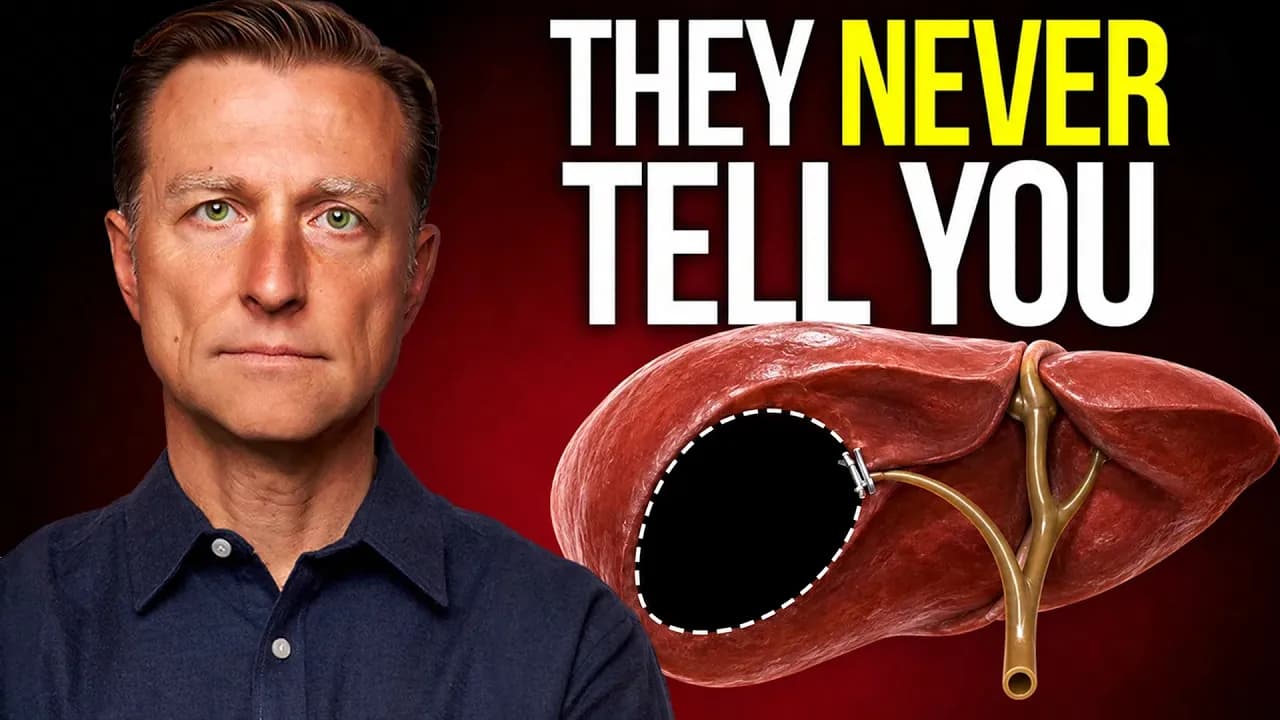
Bile in general is made by the liver. It travels down a bile duct and gets stored in the gallbladder, where it concentrates the bile by a factor of 7 to 12 times. So, it's super concentrated. And then when you eat, this gallbladder contracts, releases the bile through another duct into the small intestine to help you break down fat. Like dish soap, it breaks it down into very tiny particles.
We need fat-soluble vitamins, vitamin A, D, E, and K. A lot of the phytonutrients in our foods, like lutein for the eyes, lycopene for the prostate, beta-carotene, all are fat-soluble. Curcumin from turmeric is fat-soluble.
Bile is antimicrobial because normally we don't want a lot of microbes in the small intestine. We want them in the large intestine. It also helps you remove excess cholesterol. The inactive and active thyroid hormones also work with bile to help the thyroid work better. GLP-1, which actually controls a lot of the appetite, bile salts help increase GLP-1. So, they actually help make you satisfied.
Bile also removes toxins. Your liver is constantly breaking down poisons and toxins and pesticides and excessive hormones. All of that toxicity that's dealt with by the liver has to come out through the bile pathways.
A lot of people that are deficient in bile take ox bile after a meal because bile is alkaline, your stomach is really acid, so we don't want to alkalize the stomach before you eat. We'd rather have you eat, have the acid break things down, and then follow it up with the bile. The recommendation is taking 200 mg to start out with after a meal.
TUDCA is unique in that it's mainly water-soluble. When you take TUDCA after you eat, it's not going to help you break down the fat. Because TUDCA is water-soluble, it can travel out of the digestive system through your entire body. It can cross the blood-brain barrier. It can have effects on your brain and your neurons. Whereas, the ox bile pretty much stays in the digestive system.
TUDCA is also made by your microbes, but only between 2 to 3, maybe 4%. The best way to understand TUDCA is to understand why a bear produces between 47 to 74% of their bile. And the bears that produce more of it do more hibernating.
When bears hibernate, there's no inputs and there's no outputs. That bear is not eating anything, it's not drinking anything. So, here this bear is hibernating for periods of months. TUDCA is doing a lot of the heavy lifting as far as protecting the tissues, protecting the metabolism from a lot of things that are happening including this irritating bile that's doing another function right here.
TUDCA primarily works on the inner membrane of the mitochondria right before you make energy. But, if we eat the wrong foods, if we drink alcohol, eat a lot of refined sugar, we get an infection whatever, they become dysfunctional. So, this explains why so many chronic diseases can be supported and helped with TUDCA.
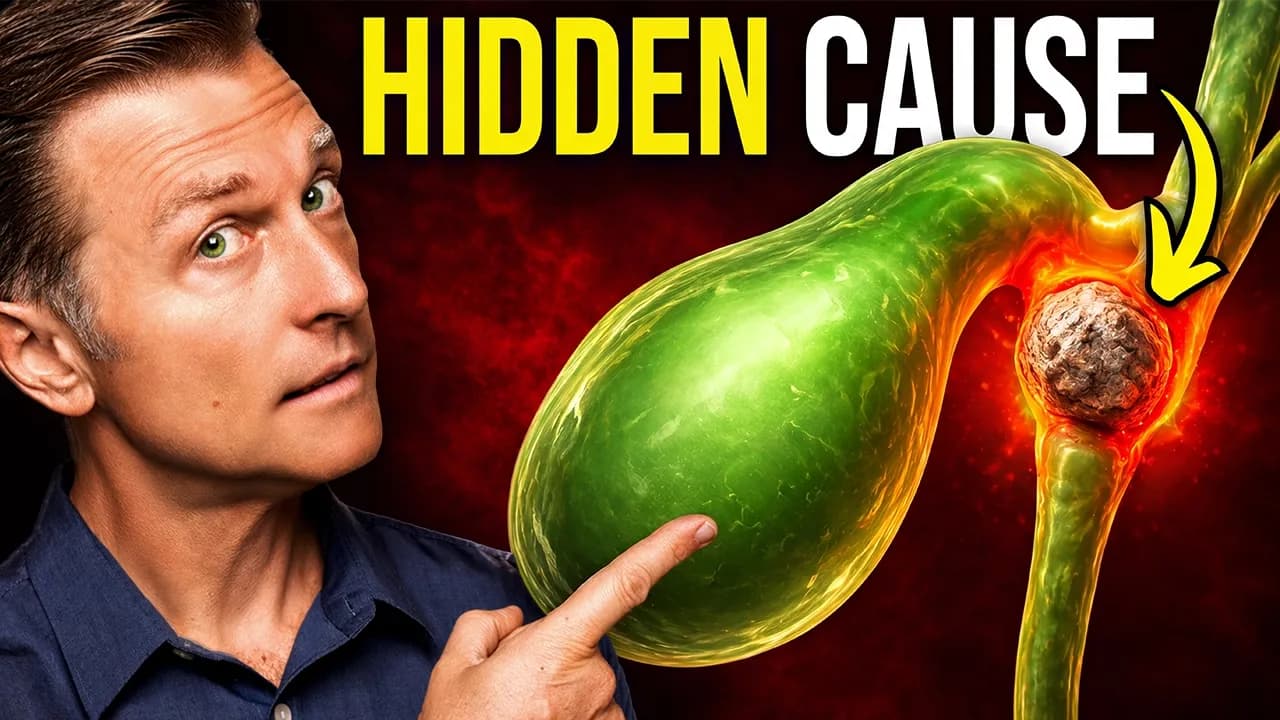
Another fascinating thing with TUDCA is it keeps the cholesterol from crystallizing. It's also a great thing to prevent the precursor to gallstones, which is bile sludge that kind of builds up in the ducts. So, you can think of TUDCA as a great cleaning tool to keep things flowing through these ducts and out through the body.
Because TUDCA crosses the blood-brain barrier, it also has a positive effect on neurons. This is in animal studies. There's some fascinating research using TUDCA for retinal problems and even a certain type of genetic disorder with the retina.
Because TUDCA is water soluble, it is not going to emulsify the fat and break down that fat. But, TUDCA will actually help unclog the liver, the bile ducts, and also TUDCA can actually help improve insulin sensitivity. There's some great data on that and I think a lot of people have insulin resistance and they could benefit from that.
TUDCA has also been shown to decrease LDL. Because TUDCA is involved with cholesterol and making sure cholesterol moves through the body correctly. TUDCA also helps the liver produce more antioxidants like glutathione. There's networks of antioxidants in your liver and your body. TUDCA actually supports that.
Another application where TUDCA can help is when someone has too much toxic bile that is stuck in a tissue, whether it's in the liver or in the bile duct or the gallbladder, TUDCA is kind of like the antidote for that. One quick example, a patient had so much sludge down this little duct right here, it literally blocked the gallbladder from working. And this person had severe constipation, but they started to take TUDCA and everything started open up and they were able to now let the liver drain and actually get a lot of relief.
Some of the things mentioned were used hundreds of years ago. They used to use it topically for cysts and abscess. And before they came up with this synthetic version of TUDCA, they had to kill bears. And at some point, bile was more expensive than gold. And in some cases, the actual gallbladder filled with bile in a bear was sold for between two to five thousand dollars. So luckily, nowadays, they found a way to make this synthetically.
The recommendation is to take about 250 mg at one time on an empty stomach, maybe a couple times a day. Ox bile mainly works on your fat digestion. TUDCA is systemic. This takes it to the next level. It works on a lot of other things.
The next most important thing to know is the actual function of the gallbladder itself.
Keep Dr. Eric Berg DC in your library
Save the videos and channels worth coming back to, and find them again in one place.