How to ACTUALLY Lose Belly Fat (Based on Science) | Dr. Mindy Pelz
In a Nutshell
The biggest fasting mistake is doing the same fast daily, which causes metabolic adaptation and weight gain—vary your fasting and eating windows based on lifestyle, menstrual cycle, and goals instead. Belly fat stores excess glucose, hormones, and toxins, so losing it requires addressing cortisol through movement, eliminating obesogens from processed foods and toxic oils, and prioritizing protein with every meal rather than targeting specific totals. Focus on blood sugar stability over calories by using healthy fats like olive oil as a "glucose brake," eating in an 8-hour window for metabolic immunity, and retraining cravings through fasting that starves harmful gut microbes.
These notes were generated by AI and may contain inaccuracies.
The biggest mistake people make while fasting is doing the same fast the same way every single day over and over again. The human body adapts to hormetic stress, a small stressor that forces adaptation. When you fast without food, your body goes to stored fat to burn it. However, if you do the same style of fasting, such as one meal a day repeatedly, the body adapts and slows metabolism because it learns that only a little food comes in daily.
Humans were designed for feast famine cycling. Hunter gatherers sometimes had leftover food from a kill, sometimes had lots of food, and sometimes had no food. The body is primally designed for this variation. The recommendation is to vary fast lengths and not fast every day.
Every day has a fasting window and an eating window that should vary based on lifestyle. For soccer moms, the most important meal is dinner with family, so they skip breakfast and start their eating window around 12-1 PM to finish at 7-8 PM on weekdays. On weekends, they move their eating window earlier for brunch or farmers market visits. Women should also base their eating windows on their menstrual cycle.
For someone training to gain strength and muscle on a plant-based diet who works out in the morning, eating before and after workouts is essential. A small protein shake at 8 AM before a 9 AM workout, followed by a recovery meal, optimizes protein stacking. The fasting window would be more toward the end of the day.
Always eat in the light. Eating at the end of the day when melatonin is rising causes increased insulin resistance. For a 9 AM workout, have a meal or small protein shake at 8 AM, do the workout, follow with recovery meal, then shut down eating by 5-6 PM depending on the season.
Finishing eating at 6 PM creates a 14-hour fast until 8 AM the next day. Some people delay breakfast to eat later for evening activities like watching movies with popcorn. All fasting approaches should be customized to individual intention, goals, and lifestyle to make health habits effortless rather than relying on discipline that eventually fails.
Start by pushing breakfast back an hour. Black coffee is allowed, but avoid creamers with sugar, oat milk, or almond milk that spike blood sugar. Cow's or goat's dairy works better. The first few days will be uncomfortable with hunger and anger, but by the third or fourth day, the hour feels normal. Then push breakfast back another hour, gradually building to 13-15 hours of effortless fasting within two weeks.
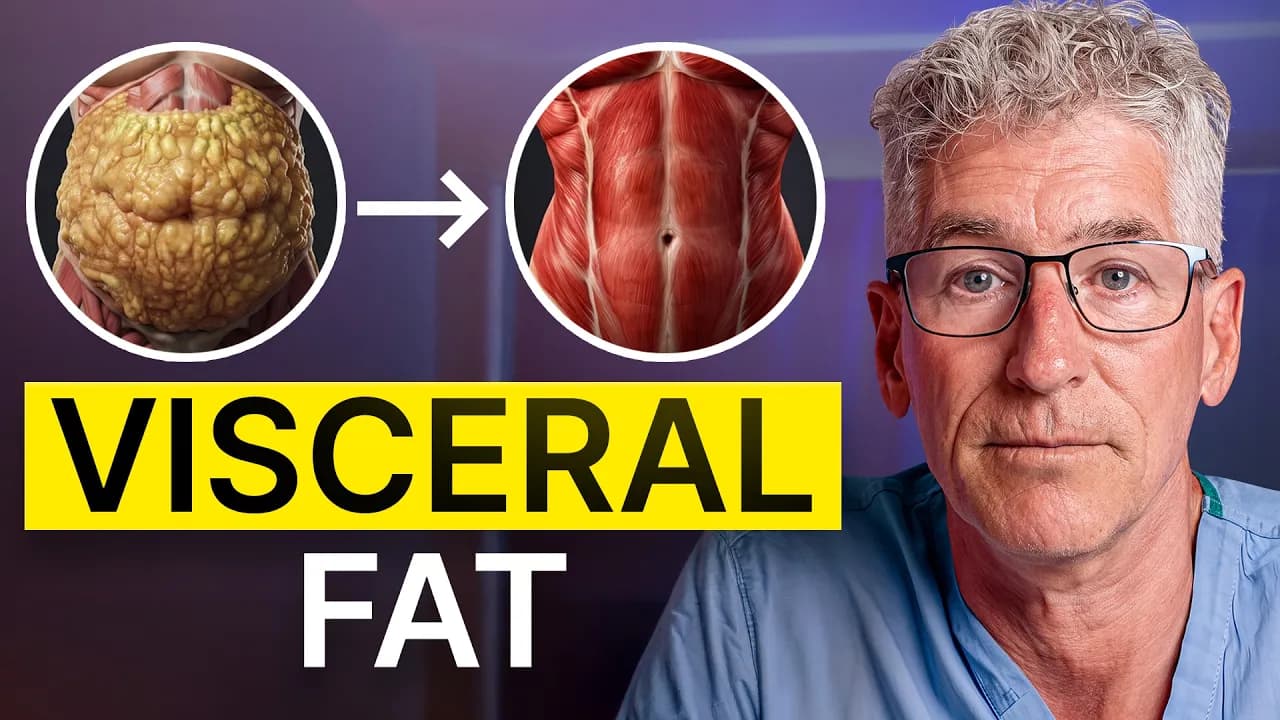
The body stores excess glucose, hormones, and toxins first around the belly because it cannot put these around the heart, lungs, liver, or spleen. Belly fat is the body's way of saving life by storing excess where it keeps you alive. The first step to losing menopausal belly fat is aligning with the body and thanking it for trying to save you.
Cortisol contributes to belly fat in a cortisol-saturated world. When a stressful event occurs, the worst thing is to sit still. Cortisol was meant to make you move, as it provides the get-up-and-go response for running from threats. Constant walking, getting out in nature, and surrounding yourself with positive people help lower cortisol levels. Negative people create environments where thinking becomes threat-focused and cortisol remains high.
Women apply over 200 toxic carcinogenic chemicals to their skin daily. The body stores these toxins around the belly and chest. Food is another major toxin source containing obesogens like BPA plastics, pesticides, artificial colorings, flavorings, BHT, and BHA. These chemicals enter stem cells and reprogram them to make fat cells instead of bone, which explains why UK children are shorter and bigger than ever before.
The best approach is eating food without labels from farmers markets, knowing your butcher for meat sources, and understanding ingredient labels. These chemicals reprogram the body by changing fat distribution, including belly fat. Processed food companies design products to hit dopamine receptor sites while keeping the food light enough not to trigger fullness signals, creating addiction where people cannot eat just one chip.
Calories matter based on research but don't matter based on human behavior. Blood sugar matters more than calories. Adding fat, fiber, and MCT oil to meals can reduce daily glucose spikes from 10 to 4 without changing what is eaten, only how meals are assembled. This changes moods, insulin sensitivity, and weight.
After a glucose spike, blood sugar should return to pre-meal levels within 90 minutes for optimal insulin sensitivity. Most doctors say two hours, but 90 minutes is the preferred standard. Recovery from meals matters more than the spike itself.
Satchin Panda's research showed that eating all food in an 8-hour window with 16 hours of rest makes people metabolically immune to processed diet consequences. Insulin, hemoglobin A1C, and inflammatory markers like CRP do not rise when the body gets adequate rest and recovery time.
People eat for taste buds or emotions rather than microbes. Microbes and fungus in the gut send signals to the brain to feed them specific foods to stay alive. Combined with dopamine responses from chemical food, people lose control over food choices. The every-other-day diet study showed that people with metabolic challenges, food addiction, and cardiovascular issues who alternated eating anything one day and fasting the next improved all metabolic markers, lost weight, and changed their food cravings after one year.
Fasting windows give microbes a break so harmful ones die off, changing food choices. Training the body to fast is possible for anyone, as people have trained themselves to eat constantly. Similarly, people have trained their bodies to crave sugar and can retrain to crave different foods through a multi-therapeutic approach.
One gram of protein per pound of body weight is recommended, with some suggesting two grams per pound for muscle growth. Having 30 grams of protein per meal opens amino acid receptor sites for muscle growth. For busy people like single moms working two jobs, the practical approach is making protein the hero macronutrient at every meal by looking at the protein source first, then building carbohydrates and vegetables around it without skipping protein.
Dr. Mindy Pelz conducted a personal experiment in February after being encouraged by the protein theory. She was working with a trainer, lifting heavy weights, and was 54 years old at the time and postmenopausal. In January, while still with the trainer and maintaining her fasting window with keto days and hormone feasting days, she lost weight and built muscle. In February, she increased her protein to one gram per pound of body weight and by the end of the month had put on more fat than when she wasn't focused on protein. She concluded that the amount was too much protein for her body and returned to eating protein with every meal rather than targeting a specific total amount.
Dr. Pelz emphasizes that "N of one" is critical - meaning individuals must test whether the protein recommendations work for their own bodies. While some people report building significant muscle with high protein intake, others find it doesn't work. The key principle is to prioritize protein with every meal and then determine the optimal amount pattern for each individual. Protein is described as the "hero ingredient" around which other foods should be built.
Toxic fats that make you fat include canola oils, cottonseed oil, corn oils, soybean oils, partially hydrogenated oils, vegetable oils, and highly processed sunflower and safflower oils. These are considered toxins that the body stores around the belly because it doesn't know how to process them. Healthy fats that the body recognizes include avocado oil, olive oil (described as the "hero oil"), MCT oil, walnut oil, and sesame seed oil. These fats don't cause cellular inflammation and help kill hunger, nourish the brain, stabilize blood sugar, and support hormone production.
Fat functions as a "blood sugar break." Dr. Pelz describes using extra fat and protein with breakfast when she knew she wouldn't eat again until evening, specifically to prevent blood glucose spikes and maintain steady energy and focus. Fat should be used when trying to minimize glucose spikes, when you don't want to be hungry in a few hours, or when you want to prevent evening cravings. Olive oil is highlighted as particularly effective for killing hunger and maintaining brain focus for hours afterward.
Olive oil is high in polyphenols, which feed beneficial gut microbes. When drizzled on meals, it stabilizes blood sugar while supporting the microbiome, which then sends signals to crave good food. This creates a multi-factorial positive effect on health beyond simple calorie considerations.
Rather than focusing on calorie in/calorie out, Dr. Pelz prioritizes feeding the body through the lens of metabolic health to stabilize blood sugar. She emphasizes food as a performance enhancer and the importance of supporting the microbiome, which controls cravings, immune system function, and neurotransmitter production.
Dr. Pelz identifies fasting as the best entry point for creating a different relationship with one's body. She describes teaching women to fast and observing that within two weeks, they appeared to have "a fat coat taken off of them." This rapid visible change motivated her advocacy for fasting as an accessible tool.
Fasting is contraindicated for pregnant or nursing women. People with eating disorders should work with a professional. Certain cancers respond differently to fasting, requiring specialist guidance. Type 1 and Type 2 diabetics can fast when done correctly under medical supervision, which contradicts common assumptions.
Dr. Pelz observes that women are "massively disconnected from their bodies," looking to Instagram and magazines for appearance standards rather than understanding their body's natural rhythms and cycles. She notes that estrogen naturally creates "a little more padded" appearance with cushioning fat, which may be normal for female physiology. Many young women lose their menstrual cycles due to overly restrictive diets aimed at achieving culturally defined beauty standards.
For women who have created hormonal imbalances through restrictive eating, the first step is ensuring adequate caloric intake - specifically above 1,200 calories daily to support thyroid function. Below this threshold, individuals risk developing thyroid challenges that could progress from hyperthyroid to hypothyroid states.
When eating, individuals should ask themselves whether they are hungry or experiencing boredom, sadness, or need for energy. This helps separate food from emotional responses. For those struggling with control issues around weight, Dr. Pelz suggests redirecting control toward measurable health markers like blood sugar, post-meal symptoms, and sleep quality rather than weight, which raises cortisol and creates dysfunctional body relationships.
While continuous glucose monitors and other wearables provide valuable data, they are expensive. Dr. Pelz provides symptom-based indicators for assessing whether meals and lifestyle are working: feeling energized after eating (not sleepy), experiencing better brain clarity, feeling uplifted, enhanced performance state, and not experiencing hunger every 2-3 hours. She shares her personal experience overcoming sugar addiction through fasting and eating windows, noting that the craving response changed from inability to control sugar consumption to having a healthier relationship with food.
Dr. Pelz emphasizes helping people with limited resources achieve health. During the pandemic, she worked with teachers concerned about immune function. A high school principal noted that healthy nut butters cost $8 more than conventional options, and teachers working long hours without breaks often resort to fast food. Fasting became her primary recommendation because it's accessible to everyone regardless of income or schedule. For the "fast food lady," the solution was eating fast food within a compressed eating window. For the "nut butter guy," alternatives included obtaining oils from other affordable food sources and increasing omega-3 intake through accessible options.
Keep Jay Shetty Podcast in your library
Save the videos and channels worth coming back to, and find them again in one place.