How to Lose Belly Fat: The Insulin Mistake Keeping You Stuck | Candi Frazier
In a Nutshell
The core message is that insulin, not calories, controls fat storage and prevents fat burning; excess carbs and fat both spike insulin, trapping the body in fat-storage mode. Cutting carbs and carefully moderating fat intake (e.g., a short-term carnivore trial) lets insulin drop, unlocking fat-burning and metabolic flexibility. Adding varied eating patterns, movement, and stress management prevents plateaus and restores long-term fat loss.
These notes were generated by AI and may contain inaccuracies.
Candy Frazier, nutritionist, speaker, and the voice behind "Primal Pod," has worked with over 8,000 women. According to Frazier, the issue comes down to one hormone: insulin. Some foods trigger excessive insulin production. The more insulin produced, the more fat the body stores. Insulin not only creates fat but also traps it and prevents the body from burning it.
Insulin is the main hormone because it dictates everything and affects all other hormones. Insulin's primary function is to activate glucose. When food is eaten, it breaks down into macronutrients. Carbohydrates break down into glucose, and proteins and fats also break down into components. The body has only two sources of fuel: glucose and fats. Meat can be converted into glucose, meaning glucose is stabilized by insulin.
The body needs stable glucose levels to survive. In type 1 diabetes, the pancreas stops producing insulin, leading to massive, unexplained weight loss. Frazier's husband Tom experienced this at age 15, waking up with visible abs before being diagnosed with extremely high blood sugar.
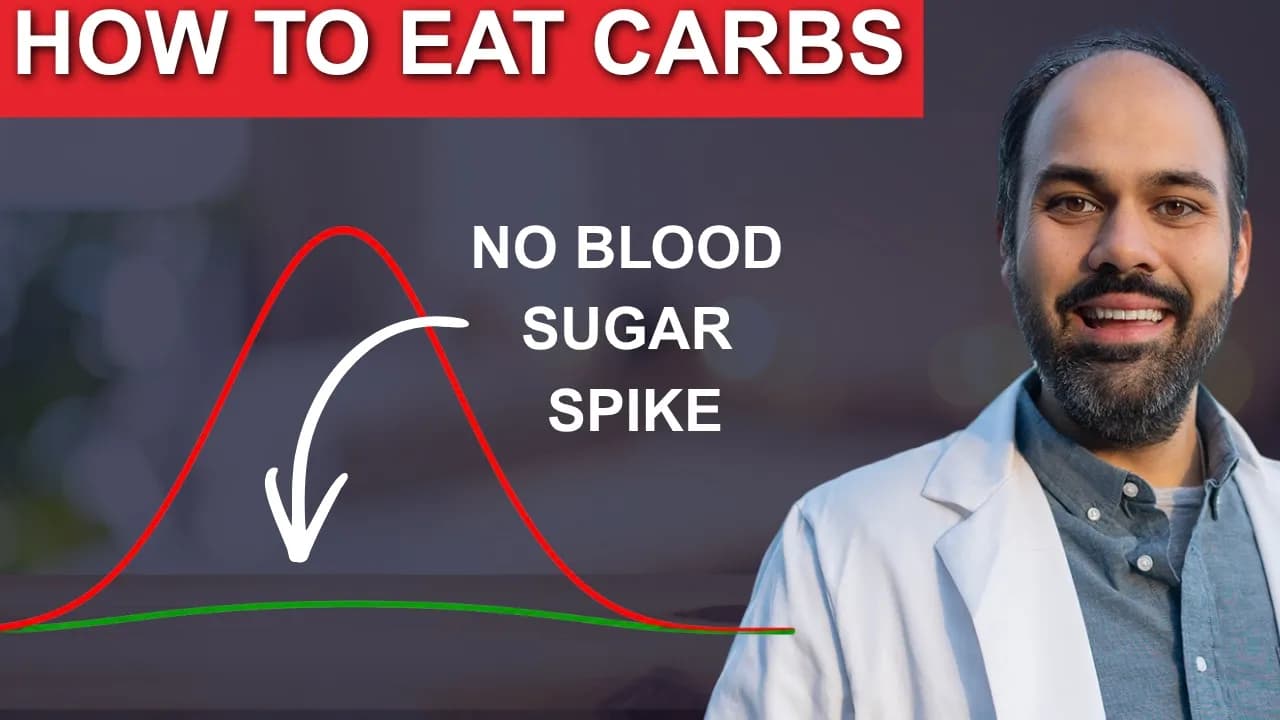
Insulin's primary role is to activate the entry of glucose into cells. After eating, whether meat or carbohydrates, both break down into glucose. All carbohydrates and starches convert directly into glucose in the blood, while fat remains as fat. As blood sugar rises, the body releases insulin, which opens cellular doors to allow glucose entry, thereby lowering blood sugar.
Most obese people suffer from hypoglycemia because they produce too much insulin, which removes too much glucose from the blood, causing blood sugar to drop too low. High blood sugar poses risks to the eyes, kidneys, blood vessels, and brain. The body maintains fasting glucose levels between 80 and 100 by pumping insulin to keep blood sugar in the safe range.
When all cells are full and excess glucose remains, it is transported to the liver and turned into fat. The cells open their doors when insulin signals excess sugar, storing it as fat for potential future famine. This process repeats daily. Calories in versus calories out does not work because some foods trigger excessive insulin production, leading to more fat storage.
Animal-based foods cause minimal insulin increase. Calories are not the driving force—insulin, glycogen, cortisol, muscle mass, metabolic rate, and thyroid function determine whether fuel is consumed quickly or stored as fat. Insulin controls cortisol. Even if cortisol rises and signals abdominal fat storage, cortisol does not create fat—only insulin can form fat. Insulin also blocks fat burning.
Correcting insulin balance allows entry into fat-burning mode, where the body consumes excess fat stores. Insulin resistance leads to type 2 diabetes. After years of high insulin exposure, cellular receptors stop responding to insulin, leaving blood sugar elevated. This can progress to requiring external insulin, leading to amputations, blindness, kidney disease, and dialysis.
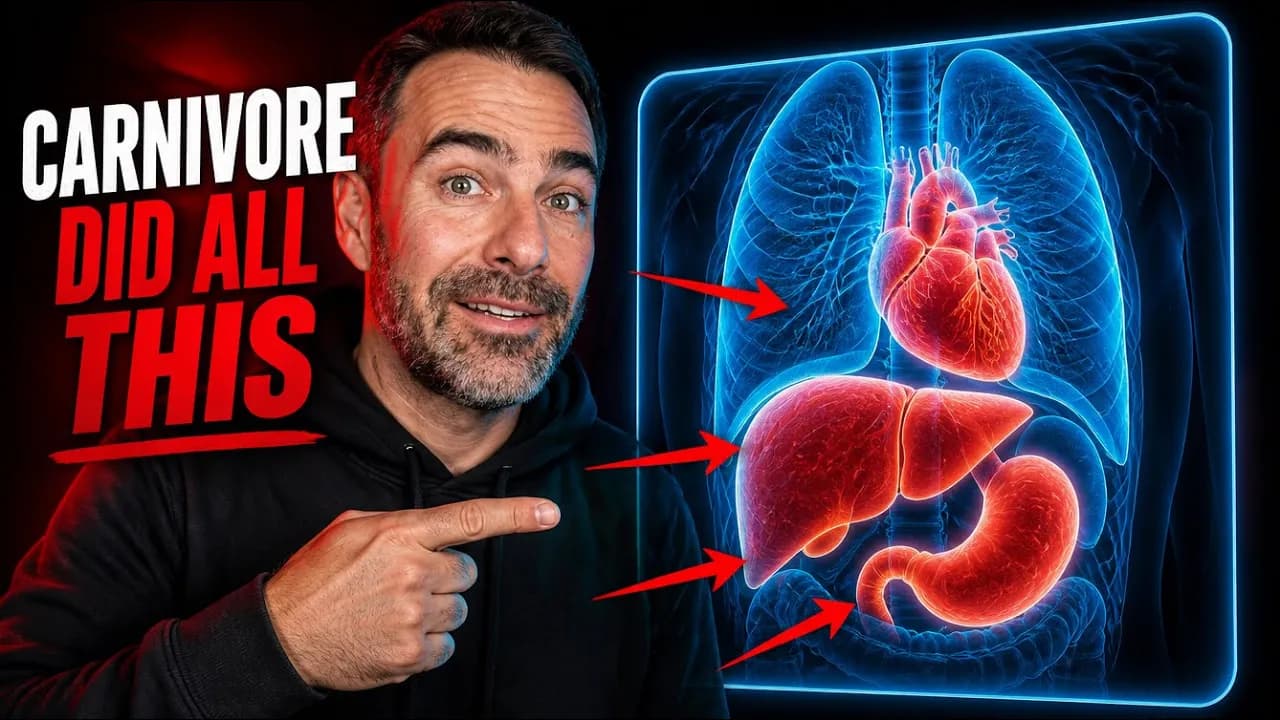
The first recommendation is to drink enough water. The most important step is to cut out all carbohydrates. Eat meat and non-starchy vegetables, or eat meat only. The carnivore diet is an effective elimination system. Humans thrive on a meat-based diet. Eating only meat for a week can lead to better sleep, more energy, mental clarity, and emotional stability due to stabilized blood sugar.
Some people lose weight initially but then stall because insulin remains disrupted. Fat causes a higher insulin response. Combining meat and fat creates a high insulin response. A ribeye causes a larger blood sugar spike than a tenderloin. Women often struggle to reach fat-burning if consuming too much fat. The ratio of fat to protein must be carefully balanced.
Trying carnivore eating for 30 days is recommended to experience improvements. Many people assume they must eat only meat forever, but the approach can be used temporarily to assess results. Reducing dietary fat allowed body fat to be burned after an initial period of consuming too much fat on carnivore.
Insulin is a snapshot measurement that does not reveal daily patterns. Blood ketone and glucose meters are recommended for tracking. Insulin balance is indicated when the body produces ketones. The Keto Sense device and Keto Mojo are preferred tools. Continuous glucose monitors can give inaccurate high readings. Traditional pharmacy glucose meters costing around $20 work reliably.
When weight loss stalls, the issue is often metabolic flexibility. The body adapts and slows metabolism to preserve fat stores. This may be due to toxins or the body's adaptation to perceived famine. Ancestors thrived through alternating periods of plenty and famine. Fat is difficult for the body to burn because it was historically essential for survival. Cortisol signals the body to hold onto fat whether from actual famine or everyday stress. The body cannot distinguish between being a prisoner of war and having a fight with a mother-in-law—it only registers cortisol.
Metabolism accelerates when the body receives varied signals through different movements, eating patterns, and fasting. Women with Hashimoto's disease and thyroid problems have reported no longer needing medication after developing metabolic flexibility. The body operates according to rhythmic balance between building and destruction, night and day.
Our ancestors would consume large amounts of food after a successful hunt or fruitful fishing trip, then naturally rest for the next couple of days. Modern people lack this intuitive knowledge of their bodies and the flexibility to promote balance in their lifestyle.
People can live completely boring and routine lives based solely on completing tasks. Individuals have the choice to put on raincoats and go for walks in heavy rain. Instead of watching repeat episodes of "The Office" at 8 p.m., people can climb hills they've always wanted to explore and stargaze for two hours.
Small changes added to life provide happiness, joy, pleasure, and reasons to live while preventing stagnation.
It's easy to get stuck when joining the "animal diet" community and becoming a meat lover because people feel good initially and think it's amazing and easy. They may cook only steaks with no dishes to wash and no chopping required, creating a comfortable routine of eating two or three times a day, walking the dog, and nothing more.
This is not a life truly worth living. People need to change things up and remain proactive in the context of health.
Society has a problem where people get stuck in cycles of routine. Candi considers herself an expert in helping followers of the carnivore diet overcome weight plateaus, as they get stuck and ask what they're doing wrong. Often the cause is too much fat, but sometimes other reasons exist.
Candi's website is primalbod.com where people can register for live Zoom sessions held every Thursday at 6:00 PM Central American Time, or register for programs and see what is offered.
Candi is present on all social media platforms including TikTok, YouTube, Instagram, and Facebook with the username @theprimalbod. She has conducted many interviews available for viewing.
Her book titled "Get Sexy, Girlfriend" with the subtitle "Our ancestors were attractive, and you should be too" is available on Amazon and achieving good success.
Contact emails are [email protected] or [email protected] for assistance from the small company with a great team.
Keep HomeSteadHow in your library
Save the videos and channels worth coming back to, and find them again in one place.