How to Stop Puppy Biting FAST | Simple 3-Step Method
In a Nutshell
The core method is: say "no" once when the puppy bites, immediately pop the leash to pull them away, hold until they relax, then redirect to a toy. Consistency matters—leash correction works because dogs dislike the pull, while pushing, ignoring, or yelping fail. Keep the leash on the puppy when not crated for quick access, and practice a daily desensitization exercise of letting them lick a treat while being petted to link calm with touch.
These notes were generated by AI and may contain inaccuracies.
When bringing home a new puppy, constant biting is one of the most frustrating behaviors. Puppies bite hands when reaching to pet them, and they also bite socks, pants, and clothes while owners walk around the house.
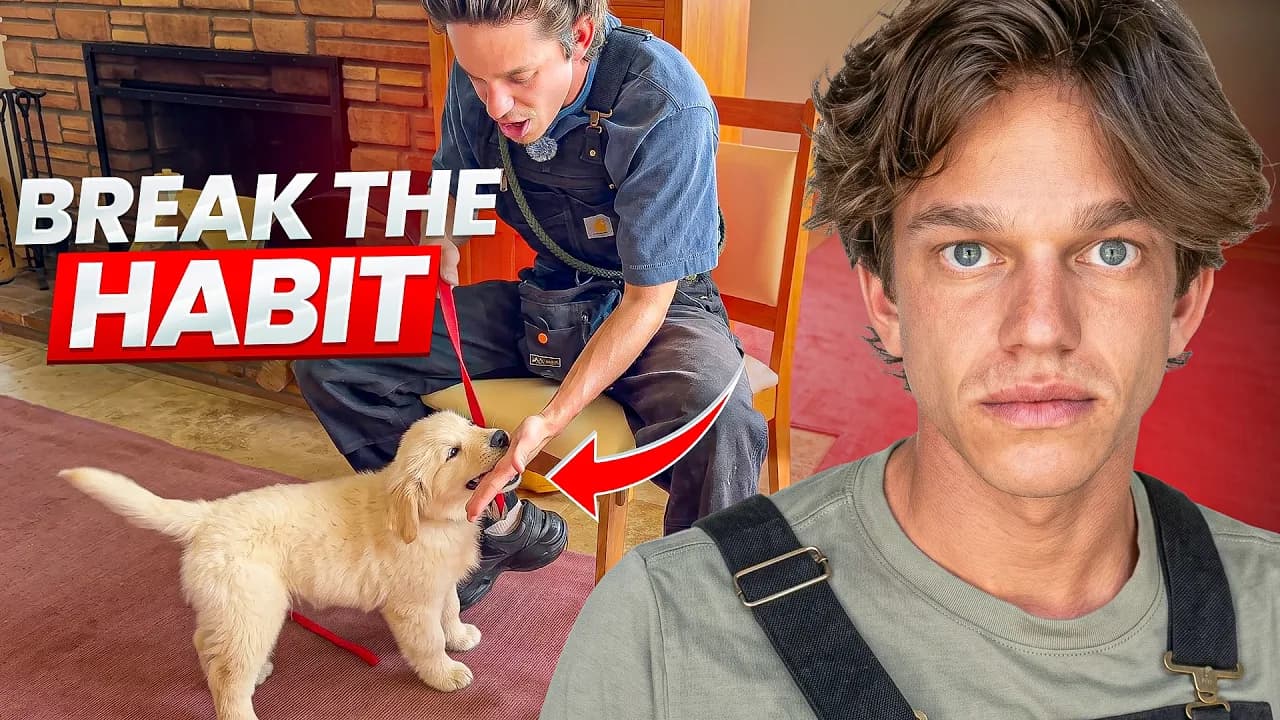
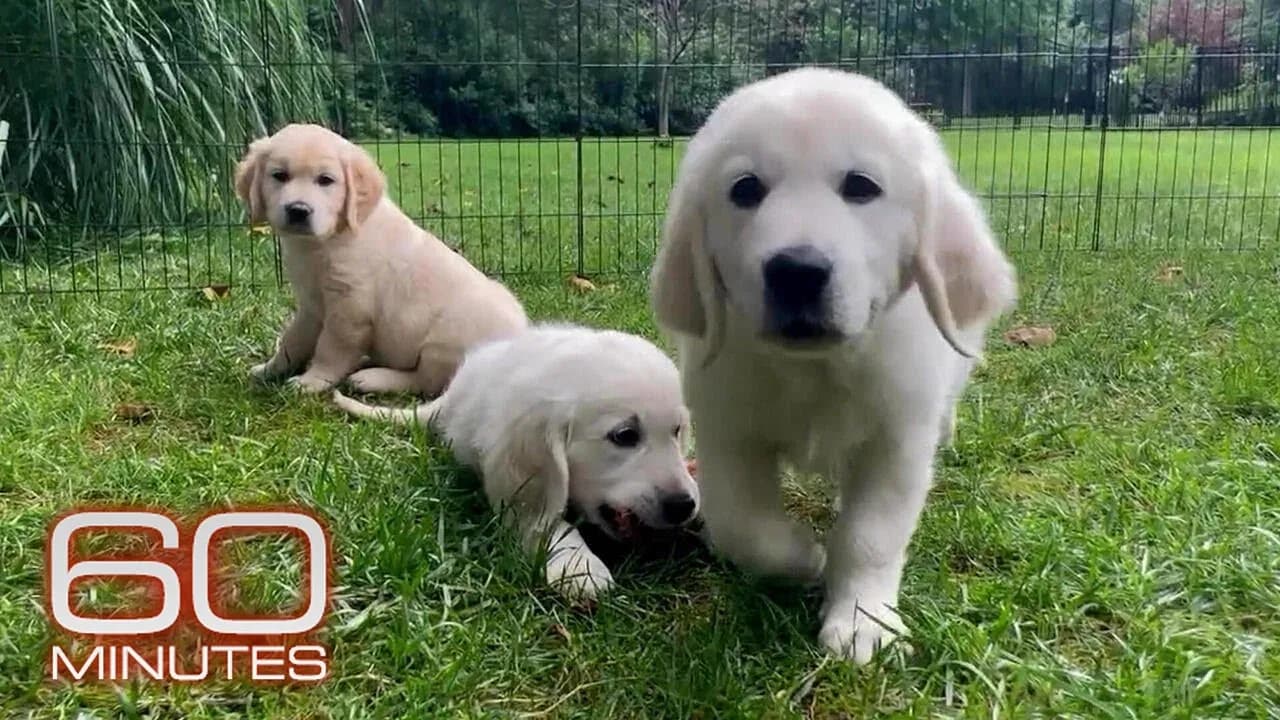
A simple three-step method ends puppy biting and teaches them to bite only toys and chews. The method was demonstrated with a 3-month-old golden retriever named Skye who lives with kids and grandparents.
When a puppy goes to bite, say the word "no" one time, reach for the leash, and pop it away quickly. Hold the leash until the puppy relaxes. This creates space between the owner and puppy so biting becomes impossible.
Pushing puppies fails because dogs love rough play and see pushing as a reward. Ignoring the behavior is dangerous as teeth sink into skin. Yelping excites puppies and makes them think they're playing. The most effective punishment is grabbing the leash and pulling the puppy away, as dogs dislike the feeling of a leash pulling them, especially when wearing a collar.
Consistency is essential when saying "no" one time followed by pulling the leash away. The puppy learns that the word "no" means they must back off. Some puppies begin biting the leash constantly during this process, which is acceptable as long as they don't bite the owner.
Hold the leash away and wait silently for the puppy to relax. Puppies may bite the leash, jump, cry, or lunge toward the owner during this time. The goal is to teach that interaction only happens when the puppy is being polite and not biting or barking. Skye took approximately 45 seconds to calm down during the demonstration.
After the puppy relaxes, redirect them to a toy. Redirecting to a toy the moment the puppy bites fails because they never learn that biting is unwanted. Some puppies prefer human skin over toys and immediately return to biting arms after briefly touching a toy. The leash method clearly communicates that biting humans results in an uncomfortable experience.
A desensitizing exercise teaches puppies to accept petting without putting their mouths on hands. Have the puppy sit for a treat, then let them lick a freeze-dried piece of duck while brushing hands over their head. This connects the relaxed food-focused brain state with being touched. Practice this exercise two times a day for three to four minutes each session.
Nestle a treat between thumb and fingers and let the puppy lick while running hands over their head repeatedly. Grab their neck and pull gently to demonstrate that touching does not mean playtime. The play brain and food brain activate separately in dogs, so connecting the food-focused relaxed state with petting reduces biting behavior.
Keep the leash on the puppy whenever they're not in the crate so it can be grabbed quickly if needed to pull them away from biting.
Keep Ethan McMahon Dog Training in your library
Save the videos and channels worth coming back to, and find them again in one place.