3 Mistakes Almost Every New Puppy Owner Makes
In a Nutshell
New puppy owners should crate their dog multiple times daily for potty training and to prevent separation anxiety, keep them leashed indoors to stop unwanted behaviors like biting or chewing, and practice proper socialization by exposing them to busy environments with high-value rewards while teaching focus through name games.
These notes were generated by AI and may contain inaccuracies.
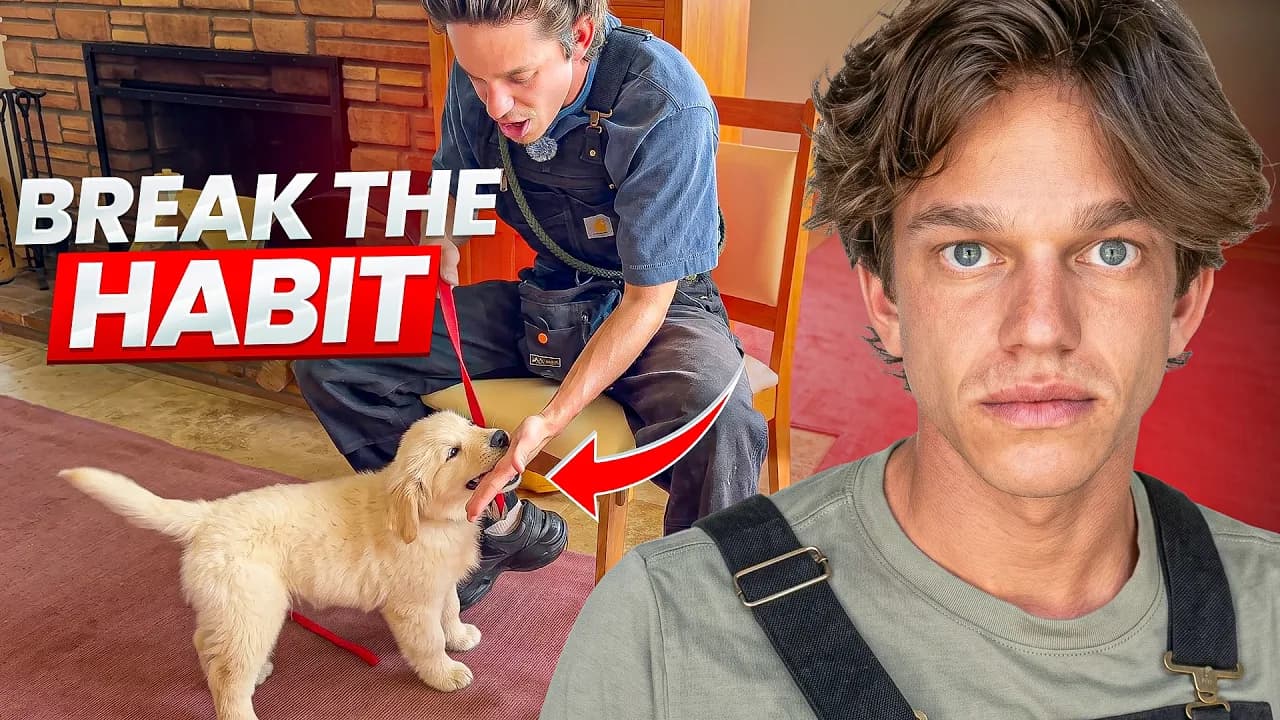
As a professional in-home dog trainer, Ethan, owner of Beckman Dog Training with over half a decade of experience, has worked with dogs of different breeds, ages, sizes, and from different families. The three most common mistakes owners make after bringing a new puppy home are discussed in this video.
The first mistake new owners make is not using the crate or cage enough. Crates look dark and shabby made of iron wire or plastic, and the first time a puppy is put in the crate, it will probably cry a lot. However, crates are essential for puppy development for several reasons.
Crates are very effective for potty training. An 8-week-old puppy is not potty trained regardless of where it comes from, whether from a rescue center or a breeder. When an 8-week-old puppy needs to go to the bathroom, it will pee wherever it can, but if they live in a very small space, they don't want to pee on their feet, on themselves, or where they sleep. The crate serves as a means of teaching the puppy bladder control. A puppy can be brought outside to urinate, kept in the crate for 2 to 3 hours, then taken out of the crate and outside again.
Beyond potty training, if working from home, keeping a puppy in a crate can help prevent future separation anxiety. Puppies that are never left alone or taught to be alone will become unhealthily attached, which will cause problems in the future. Puppies cannot be verbally told to "go to the other room and leave me alone for a while" because they are gregarious animals that will follow their owner wherever they go.
If your puppy is between 8 weeks and 9 months old, they should sleep alone in their crate every night and need to be crated twice a day for two to three hours.
A free PDF roadmap is available that discusses the most effective crate schedule for puppies in detail.
The second mistake is not using the leash enough. Veterinarians advise not to walk puppies outside until they have received all vaccinations to avoid diseases like parvovirus or distemper. However, this means that when the puppy is indoors, it should always have a collar around its neck and a leash attached as long as someone is keeping an eye on it.
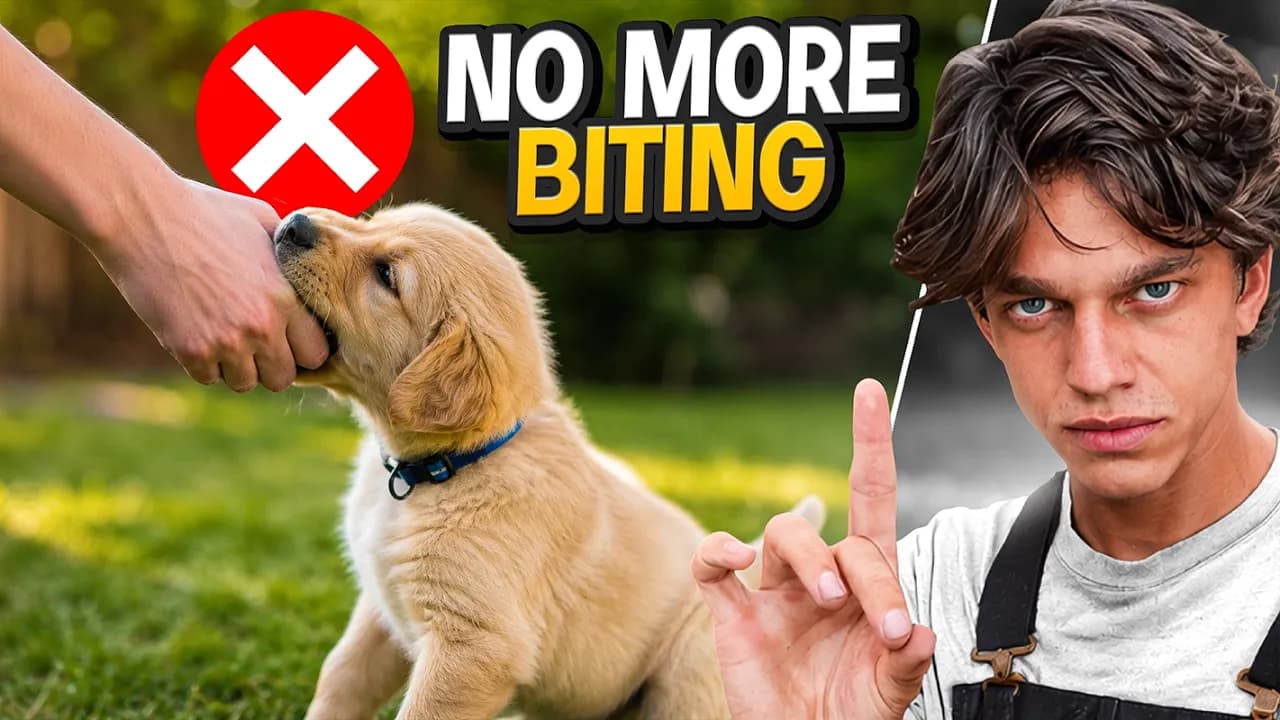
Keeping a puppy on a leash indoors is a great tool to control them when they behave uncontrollably or show typical puppy-like fidgetiness. For example, if a puppy comes to bite, pushing them away with a hand and saying "No, no, bad dog" actually plays with them. The puppy learns that if it bites, it gets a reward like being touched. Instead, if the puppy is on a leash, the leash can be grabbed and the puppy gently pulled away until it stops biting, then distracted with a toy.
If a puppy goes to the edge of the sofa to bite it, the leash can be grabbed to pull the puppy away. Letting a puppy walk on a leash indoors will help them become the best dogs in the future by setting clear rules about what they can and cannot do.
The Perfect Puppy Program is available for less than the cost of a single private lesson. The program teaches everything step by step from start to finish, including crate training, potty training, reducing biting, stopping jumping, responding to calls, and walking on a leash. The program has five-star reviews on Google.
The third mistake is not socializing puppies properly. The common definition of socialization is wrong. Most people think socialization means meeting as many dogs and people as possible, but what a dog really needs to learn is coexistence. A dog needs to be in a crowd of 20 people, maybe get to know one or two, but not the other 18 or 19.
To properly socialize a puppy, take it to Home Depot or a pet store in a shopping cart, making sure there are no viruses. Bring high-quality rewards such as cheese or cooked meat like ground beef or cooked chicken breast, not dry food or kibble. Play the 'name game' by saying their name once, waiting until they look, then saying 'yes' and rewarding them with a treat. This teaches the puppy how to pay attention in a distracted environment.
Avoiding these three mistakes will help greatly with a puppy's training and ensure a well-behaved adult dog in the near future.
Keep Ethan McMahon Dog Training in your library
Save the videos and channels worth coming back to, and find them again in one place.