How to Use Colchicine to Heal Arteries (NEW EVIDENCE)
In a Nutshell
Colchicine lowers major cardiovascular events by about 25% by reducing inflammation inside arterial plaque rather than lowering cholesterol or dissolving clots. It works best for patients with persistent high inflammatory markers (hs-CRP, myeloperoxidase, Lp-PLA2) despite statin therapy, or those who cannot tolerate statins, but requires kidney/liver testing and review for drug interactions before use. The drug modestly slows plaque growth and stabilizes soft, rupture-prone lesions, yet is less effective than substantial weight loss and lifestyle changes.
These notes were generated by AI and may contain inaccuracies.
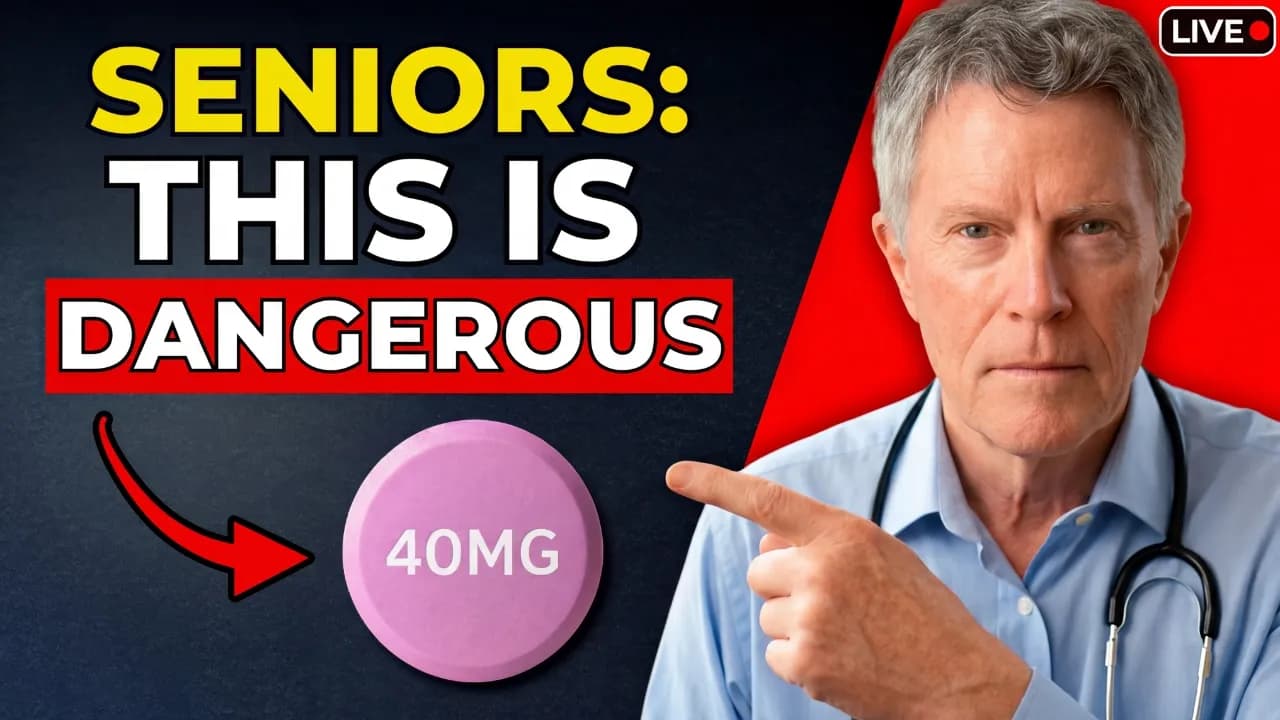
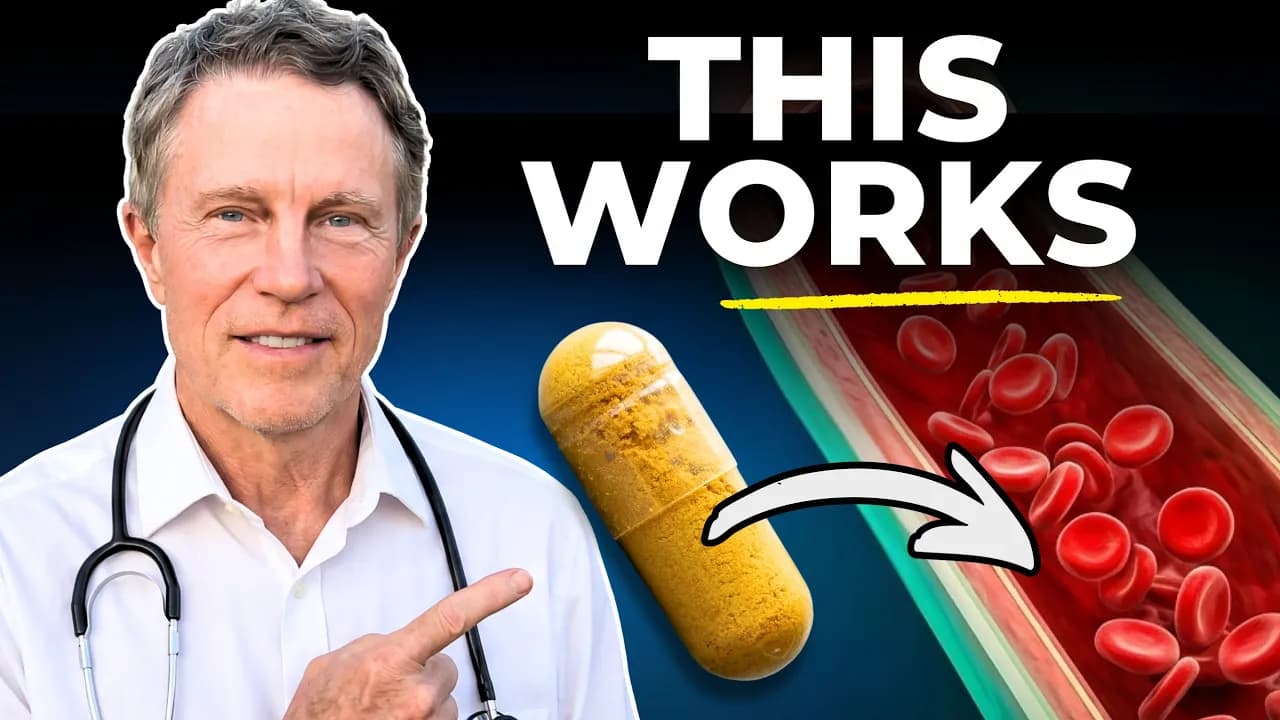
Colchicine is a small pill being discussed as a new way to help heal arteries. It is not aspirin and not a statin. It does not remove clots or reduce cholesterol, but new research shows it may heal or even reverse plaque in arteries. The discussion covers who should consider taking it and important side effects to know before use.
Colchicine is the medication being discussed. It was previously used for gout and some arthritis problems. The focus is on low-dose colchicine for cardiovascular applications.
A patient named Ray came to treatment after being prescribed statins for cholesterol management. Every statin caused severe leg pain that prevented him from completing his morning walks. He tried three different statins with the same result and eventually quit taking them. This left him scared because his arteries remained a problem with no protection.
Ray's cholesterol was only a small part of the story. The significant issue was vascular inflammation shown through elevated blood markers indicating active damage to arteries from inside. Plaque is not simply grease collecting in a pipe but an inflammatory process where the immune system reacts inside the artery wall, building deposits and keeping them irritated and unstable.
Statins can help reduce both cholesterol and inflammation, but most doctors prescribe them at very high doses focused only on cholesterol without checking inflammation. High doses are not needed for inflammation, which leads to two problems: patients cannot tolerate statins like Ray, or patients take statins with great cholesterol numbers but damage continues underneath.
Doctors call the leftover danger residual inflammatory risk. Even with good treatment, approximately 4 out of 10 people still experience heart attacks and strokes. This was Ray's actual problem - the fire underneath was not being managed and was not being detected.
Colchicine quiets a specific inflammatory alarm inside plaque that signals the immune system to call in reinforcements causing more inflammation and damage. It also calms immune cells that enter plaque and damage it from inside, leaving plaque fragile. The third effect changes cells inside plaque to lay down a thicker, tougher cap over the dangerous core.
There are two kinds of plaque. Hard calcified plaque is fairly stable with less additional risk because it has hardened and tends to stay put. Soft plaque is dangerous with a thin cap stretched over a greasy inflamed core. When the cap tears, the body throws a clot to seal it, which blocks the artery causing heart attack or stroke if it goes to the brain.
Soft plaque can cause microscopic clots without noticeable symptoms. This contributes to damage resulting in dementia, with microscopic Swiss cheese appearance in brain tissue. The same process affects the heart, causing heart failure and dementia. The concern is not only obvious heart attacks with chest pain, but quiet events that drop people during routine activities with arteries that appear fine on standard tests.
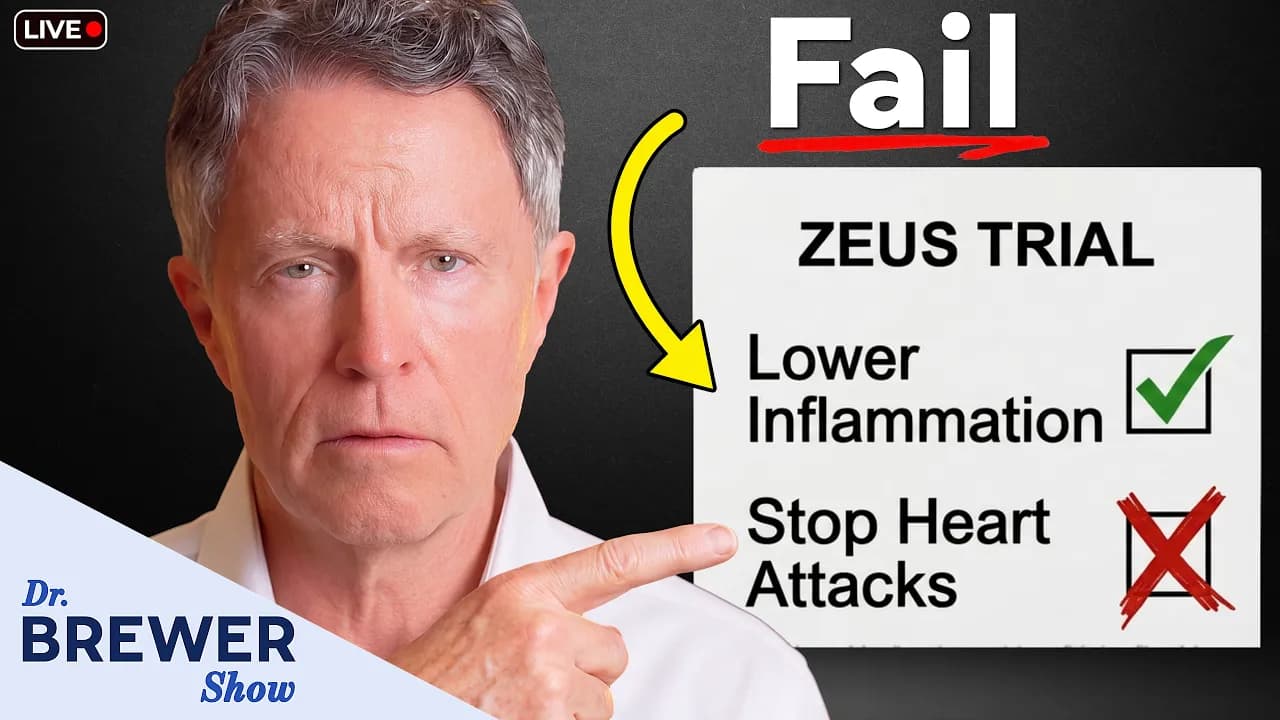
Large serious trials show adding colchicine to treatment after heart attack cuts risk of another major event by about 23%. In people with stable heart disease, the reduction was around 31%. A meta-analysis of more than 20,000 patients showed approximately 25% reduction in events. The evidence is solid for fewer heart attacks and strokes, but not as effective as 10-20 pound weight loss and lifestyle changes.
The EXTRUM trial scanned arteries in detail, gave colchicine for one year, then scanned again. The dangerous soft plaque measure did not show confident shrinkage. However, total plaque amount came down by a modest but real amount. Colchicine clearly lowers heart attack and stroke risk, slows disease progression, and modestly reduces overall plaque. It has not proven ability to scrub arteries clean.
The way to determine if colchicine is appropriate is by measuring inflammation through blood markers. Most people have only had cholesterol checked, but a panel of markers shows whether arteries are inflamed. The markers include high-sensitivity C-reactive protein (hs-CRP), myeloperoxidase (points to unstable plaque), Lp-PLA2 (tied to artery wall inflammation), and microalbumin to creatinine ratio (early sign of blood vessel damage). Additional markers include fibrinogen.
Colchicine is designed for people with elevated inflammatory markers despite good cholesterol treatment. The strongest case is someone in the first few days after a heart attack, with earlier use being more helpful. Other candidates include people with stable heart disease whose inflammation will not come down, people with stents, people with significant plaque on scans, and people who cannot tolerate statins but need inflammation help.
The COLCOT and LoDoCo trials used 0.5 mg. The 0.6 mg dose is most commonly available and works well. The dose is the easy part, but measuring inflammatory markers, checking kidney function, and reviewing medication interactions must happen before starting.
Colchicine has a narrow therapeutic window between helpful and toxic doses. Common medications that block clearance include clarithromycin (antibiotic), certain statins, verapamil, and diltiazem. The drug is cleared through kidneys and liver, so impairment causes toxic buildup. Trial data showed a small signal of more deaths from non-cardiac causes, though this may be a fluke.
Colchicine is a prescription medication requiring physician oversight of the complete medication list and lab work, including kidney and liver function. The right person with ongoing inflammation, healthy kidneys, and no drug conflicts stands to benefit. The wrong person can be harmed. The only way to distinguish is through proper measurement rather than guessing.
Keep Thomas Fordham Brewer MD MPH in your library
Save the videos and channels worth coming back to, and find them again in one place.