Inside McDowell County, West Virginia, the birthplace of food stamps | 60 Minutes
These notes were generated by AI and may contain inaccuracies.
For some, these are boom times with 401ks surging and the stock market at an all-time high. Drive 350 miles from the nation's capital, and the conversation shifts to survival. McDowell County, West Virginia, once the nation's largest coal producer, is now one of the poorest places in the country. It is the birthplace of the food stamp program and where the opioid crisis later took hold. Today, one in three households depends on food stamps. The program faces the largest cuts in history.
Government help comes and goes, promises are made and broken, leaving people behind. McDowell County sits deep in the southern coal fields of West Virginia, stretching more than 500 square miles across the Appalachian Mountains. There is one traffic light and more churches than can be counted. Clean drinking water is hard to come by; a turn of the tap can produce discolored water.
I think if you would ask probably nine out of 10 individuals here, they would tell you that they feel very much forgotten. By everybody, the government, every institution.
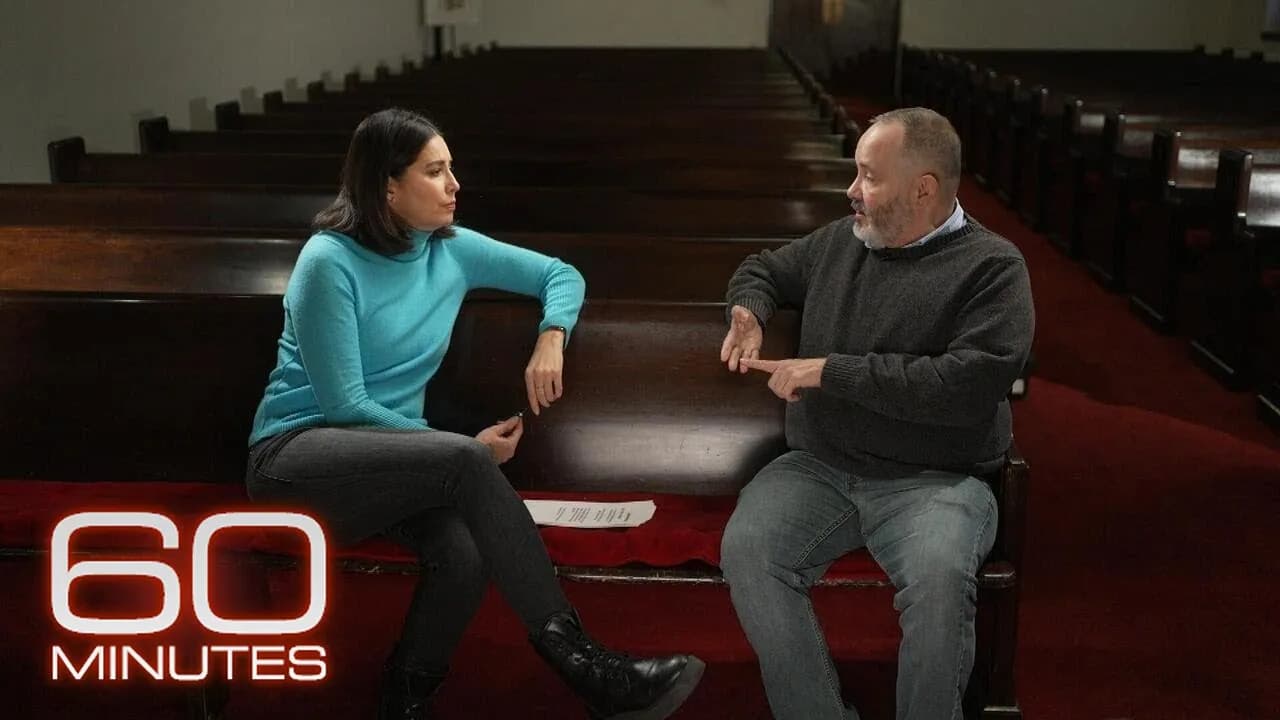
Pastor Brad Davis grew up in the coal fields just over the county line and leads congregations at five United Methodist Churches in McDowell. He spends his days listening to those who trust God and each other, but not much else.
I've heard directly people say, "Well, why don't people just move?" And my response is, "Why should we? Why should we have to move? This is home."
Entering Anawalt, "Home sweet home." Betty Stepp has lived there for all 76 years, remembering when there was a school, theater, and doctor. Everybody honks at everybody. If you run out of milk, drive 45 minutes—two mountains. That's if you can afford a car; many cannot. The only business left is Tom and Donald's mechanic shop. Tom and Donald are beloved by all the widows.
Betty, a retired teacher's aide, and her husband live on a fixed income. Everything feels expensive.
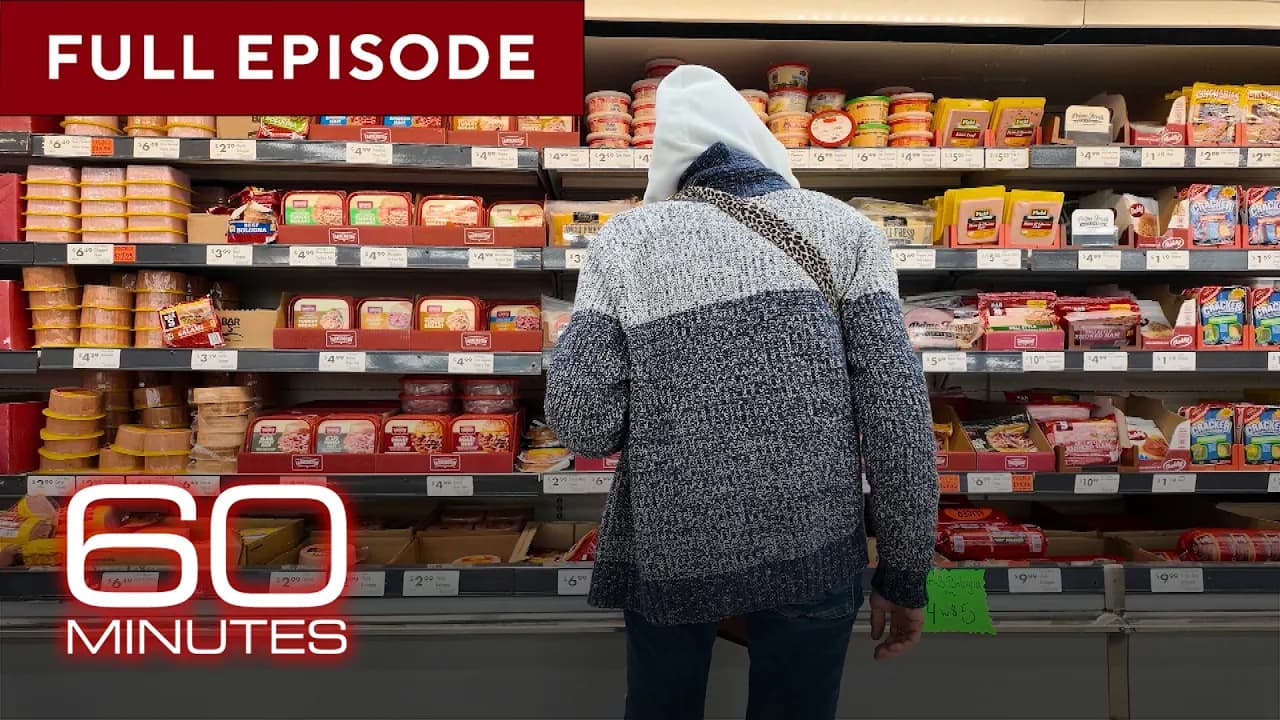
If I go to the grocery store, I can't get out for less than $200 a week. Sometimes $300. Groceries are really high.
She cut back on beef, chicken, vegetables. Food prices are almost 20% higher than in 2022.
I've heard a lot of folks say, "If we don't help each other, no one's going to help us. Nobody's going to come and save us. We save each other."
Linda McKinney runs the county's largest food bank, entirely on donations and volunteers since the government shutdown when Americans lost SNAP benefits for weeks. More new faces, including young mothers:
Lately, we have a lot of young mothers who say, "I never thought I'd have to come." The children break my heart. They didn't ask to be brought into this and suffer daily.
Every weekend, over 100 children receive backpacks filled with food for non-school days.
Parents say, "My kid didn't get a snack bag." Then you find the child eating it on the Friday bus. They're so hungry. Food meant for the weekend is eaten on the bus.
At the White House: fantastic reports on inflation way down, job growth. In McDowell, median household income is $30,000. Affordability means choosing groceries or heat. In the 1940s, rich in coal jobs powering America, building railroads and cities. At peak, nearly 100,000 people, highest hourly wages. Machines reduced jobs, economy collapsed.
In 1960, John F. Kennedy campaigned here, witnessing poverty that led to launching the modern food stamp program. McDowell residents were first recipients. Today, fewer than 1,000 coal jobs, 17,000 people.
We lack jobs. In the county alone, not enough for everyone.
26-year-old Tabitha Collins was a stay-at-home mom until her fiancé was hit by a car on the job, leaving him disabled. She works 5 days a week at Big Creek People in Action, a local nonprofit, sole earner for family of six: their toddler plus his three younger siblings.
It's up to you to raise these kids decently, teach about the drug epidemic and its effects. That's what we struggle with.
In opioid-ravaged county, epidemic claimed parents, leaving relatives raising more kids on less. Even with food stamps, she comes up short.
We struggle food-wise. Take money from payday for food, not bills. Winter power high. December bill $480. Got shut-off notice. Scary—figuring which bill more important.
SNAP and Medicaid face biggest federal cuts in history: over $1 trillion over next decade from President Trump's sweeping domestic policy bill. States pick up more costs, stricter work requirements. Tens of thousands of West Virginians likely lose benefits.
We rely on benefits—not taking advantage, we need them. Perception is some think we are, but many are working citizens barely making it.
Outsiders assume Trump country, but politics defy labels. Voted blue for decades: Barack Obama 2008, Bernie Sanders 2016 primary. Trump won last three elections; lowest voter turnout in state.
We're desperate for change. When someone says, "I'm going to make coal great again," we cling with a death grip. Explains political shift.
Coal executives and miners gave Trump a trophy: "undisputed champion of beautiful clean coal" after executive order boosting coal. Heard promises before:
Economic resurgence, renaissance of coal, eliminate poverty, fix water systems. Big promises. Nothing changes.
Water supply failure clear: black/brown from aging pipes, coal contamination. Few trust it safe. Governor set aside $8.3 million federal funds for sewage/water upgrades—drop in bucket.
Pastor Brad: Pleads with politicians.
Public health crisis. People haven't had hot shower in 6+ years; fumes make ill. Skin rashes, burns common. Families spend $150/month on bottled water atop bills.
Many fill jugs at old mine shaft spring on mountain.
Hard for folks to get minds around American citizens getting rides to roadside spring for water. Shouldn't be case in wealthiest nation.
Betty Stepp and retirees (youngest 70) deliver water door-to-door.
Government needs to hear: we've worked our whole life. Why won't they help? Doesn't matter who's in charge—Republicans or Democrats.
Two choices: stay and scrape by or leave. Tabitha staying.
26, raising four kids. A lot. Want the dream: family, home, no stress over hardships.
Parishioners feel like living in third world country.
Amen. I'm tired too. Gone on long enough.
Keep 60 Minutes in your library
Save the videos and channels worth coming back to, and find them again in one place.