My Doctor Blamed My Age. Carnivore Proved Otherwise.
In a Nutshell
A man at 68 who lost over 100 pounds and takes no medication credits a carnivore diet for reversing what doctors dismissed as age-related decline. He argues that chronic inflammation from processed foods—not aging itself—drives most disease, and claims 60–90 days of strict meat-only eating eliminates cravings, restores energy, and reverses fatty liver and mitochondrial dysfunction. His central message is to reject medical excuses for pain and immobility, and to treat diet as the primary lever for long-term health and family longevity.
These notes were generated by AI and may contain inaccuracies.
When patients report knee pain, doctors often dismiss it as "normal at your age." The speaker questions whether this is truly inevitable. While aging is universal, misery does not have to accompany it. The final twenty or thirty years of life do not need to be spent in decline, watching television or residing in nursing homes due to immobility.
Witnessing his mother's rapid deterioration from an independent, strong-willed woman to someone losing mobility and developing dementia during the last five years of her life, the speaker recognized this as his potential future. This realization became the catalyst for permanent dietary change. He observed the same pattern in viewer comments from people in their sixties, seventies, and eighties who reported being "saved" by a meat-based diet after previously attributing their aches, pains, and mobility issues to aging.
Weighing over 320 pounds made life miserable. The speaker adopted a meat-eating system that he describes as suitable for humans, which he has followed for more than 10 years. At 68 years old, he takes no medication. The transformation allowed him to regain his life and avoid the sedentary fate he once faced.
When patients report symptoms, doctors frequently respond that conditions are "normal at your age." The speaker notes this creates a vicious cycle because people believe the diagnosis and accept declining health as inevitable. He previously accepted medical pronouncements as truth without question. He now asserts that much of what is attributed to aging is actually caused by inflammatory foods rather than age itself.
Chronic inflammation and insulin resistance underlie most major diseases. These conditions develop over decades and lead to premature death from cancer, heart disease, and other problems. The speaker believes many people die too soon due to inflammation caused by diet. His advice is to consider longevity and growing old with a partner, asking where one will be years from now if current eating patterns continue.
The speaker and his wife discussed their desire to grow old together and witness their children's weddings. He realized that continuing his previous lifestyle would have prevented him from attending his daughters' weddings or aging with his wife, likely resulting in wheelchair use or nursing home residence. The motivation extends beyond personal health to preserving family relationships and experiences.
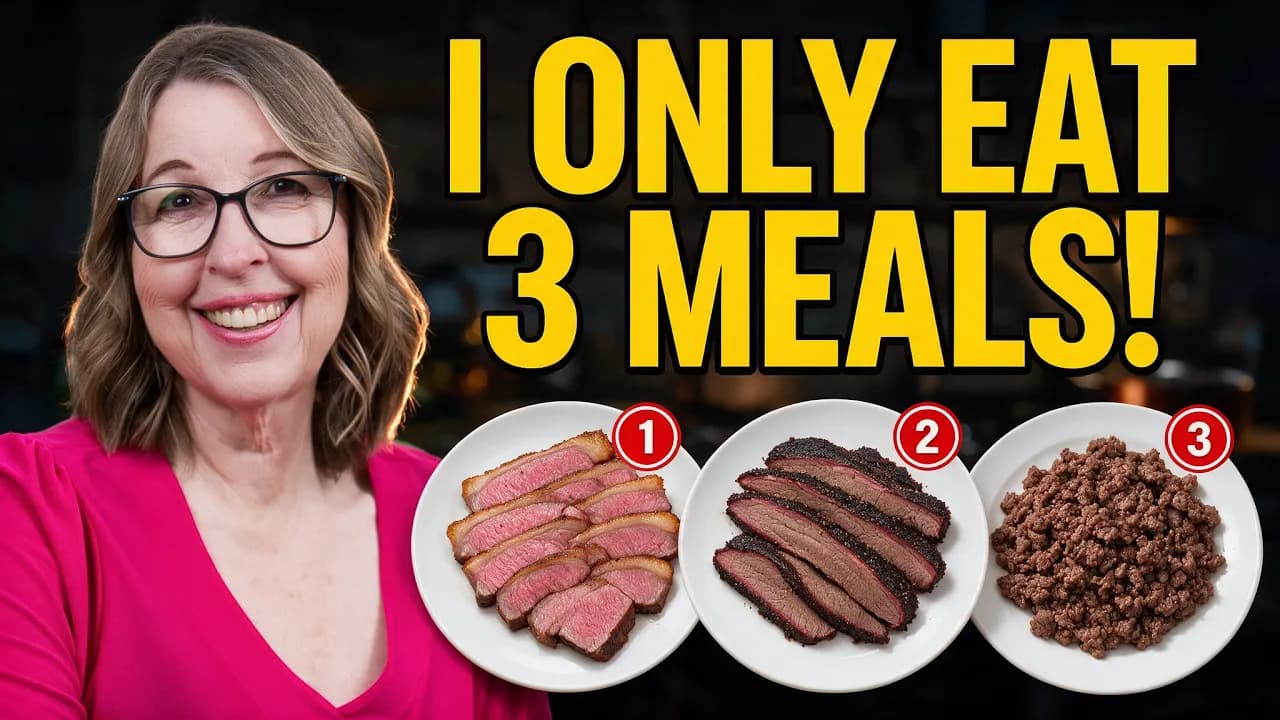
People ask how the speaker maintains his diet. His response is that he doesn't know how he could NOT do it—it became the easiest choice. Initially, giving up favorite foods like bagels with strawberry jam seemed terrifying. After adaptation, he reports no cravings or sense of missing anything. A piece of picanha meat on his plate never becomes boring.
The documentary "Healing Humanity" features "Rancher Maggie," an 85-year-old woman who has followed a meat-eating diet for over six decades. She remains healthy, lifting 100-pound buckets, moving nimbly, and climbing fences—activities that outpace younger people. The speaker, at 68 and medication-free, notes this contrasts with typical peers in their sixties who take multiple medications.
The speaker encourages people to commit to 60 or 90 days of the diet to experience healing. Many individuals believe they have no health issues requiring healing, but he points out that examination would likely reveal fatty liver disease, visceral fat around organs, and mitochondrial dysfunction. After 60 days, people typically feel like "a real human being" with mental clarity and energy, making return to previous eating patterns unappealing.
After removing processed and ultra-processed foods, cravings disappear. The speaker is horrified thinking about his previous dietary behaviors. Once toxins are cleansed, the body no longer desires those foods. What was previously accepted as normal—fatigue, aches, mental fog, slow thinking—represents a degraded state that becomes normalized over 10, 20, or 30 years.
When doctors inquire about vegetable consumption, the speaker responds that he gets vegetables indirectly because animals eat vegetables and he eats the animals. He describes this as technically accurate since meat is a whole food. He acknowledges being somewhat evasive in these conversations.
Success is more likely when joining a community rather than attempting dietary change alone. The speaker participates in multiple groups and credits connection with like-minded people as essential. He recommends joining any available group, even free Facebook groups or YouTube communities. The principle that "you are the sum of the five people you spend most time with" applies to dietary change, making community support critical for sustained success.
Keep HomeSteadHow in your library
Save the videos and channels worth coming back to, and find them again in one place.