Nutrition Experts are Wrong About Fiber. I’ll Prove It!
In a Nutshell
Fiber is not universally beneficial; arabinoxylan (AX) from bran and brown rice lowers LDL cholesterol (>20 mg/dL at 30g dose) via bile acid binding, signaling, and polyphenol delivery—effects amplified by high protein intake from meat, eggs, and fish—while inulin harms the liver (elevated ALT, inflammation) at high doses in sensitive people, despite benefits at low-moderate doses. A Stanford RCT (n=18) proved these differences, showing dose-host interactions matter more than generic "eat more fiber" advice. For gut health, prioritize intermittent fasting, timed meals, fermented foods, and probiotics like Winnow Labs that trap microplastics.
These notes were generated by AI and may contain inaccuracies.
This paper changed the way I think about fiber and made me realize I might have accidentally misled you. I hate when people say just eat more fiber or fiber is good for your gut health because it oversimplifies a complex, nuanced group of molecules. Saying fiber is healthy is like saying Nemo and megalodon are both just fish—grossly misleading. Some fibers reduce inflammation, change hormones positively, slash LDL and cholesterol. Others increase liver damage, inflammation, cholesterol, and undermine health, including olfactory environment. In this video, I'll prove fiber isn't a single thing. At one dose, inulin could protect the liver; at another, it could poison the liver, severe enough researchers halted supplementation. Same labels, radically different outcomes. Chicken, fish, eggs, and meat might amplify cholesterol-lowering effects of fiber—counterintuitive. For extra nuances, details, references, and commentary from the senior author, check the associated Stay Curious Metabolism newsletter, linked below, a top three bestseller in science on Substack.
Video broken into five chapters. Chapter 1: study design and diverse fiber types. Chapter 2: one fiber causes liver damage and inflammation. Chapter 3: plot twist—what looked like contradiction is deeper nuance; understand this and you'll know more about fiber than any dietician I've met (I've met hundreds). Chapter 4: surprising cholesterol finding. Chapter 5: what to do for gut health today.
Published by Snider Lab at Stanford, 2022. Rigorous human controlled trial, 18 men and women given two fibers: arabinoxylan (AX) vs inulin. Randomized crossover design: each received each fiber for 3 weeks, separated by washout period. Doses: week 1 10g, week 2 20g, week 3 30g. Third mixed fiber arm (intermediate results, not focused on). Small n=18, but high resolution: thousands of data points—genetics, proteomics, metabolomics, lipidomics, serum cytokines, clinical labs, blood, stool, dietary journals, poop mass, fart frequency. Prefer this over 10 million person observational study with surface data.
Arabinoxylan (AX): xylose backbone, arabinose branches, carries polyphenols like ferulic acid (anti-inflammatory, antioxidant, fights free radicals, boosts vitamin C/E). In bran, brown rice, bamboo (pandas consume 10-90g ferulic acid daily). AX is Trojan horse for polyphenols.
Inulin: from chicory, Jerusalem artichoke, onions, leeks; common in supplements. Fructose polymer (25+ fructose units) with glucose cap. Lacks bound antioxidant polyphenols. Both soluble fibers, effects differ. Benefiber high in inulin; Metamucil high in arabinoxylan.
Subset reacted negatively to high-dose inulin: increases in ALT (liver enzyme; leaks into blood if cells stressed/damaged—like smoke alarm or Neville's Remembrall for liver damage). Increase severe; halted supplementation due to medical concerns. Pre-clinical: long-term high-dose inulin in mice caused liver damage, cancer.
Inulin helps liver at moderate doses but harms at high doses in sensitive individuals. Prior video: inulin beneficial at low-moderate doses—adapts microbiome to convert fructose to protein/antioxidants, protects liver, reduces liver fat, improves fatty liver, metabolic health. Dose-host interaction matters. At one dose protects liver; another poisons it (human RCT). High-dose inulin triggered dose-dependent rise in IL-6 (systemic inflammation). Low-moderate (e.g., 10g/day) offers metabolic benefits; higher in wrong patients backfires, harms liver long-term.
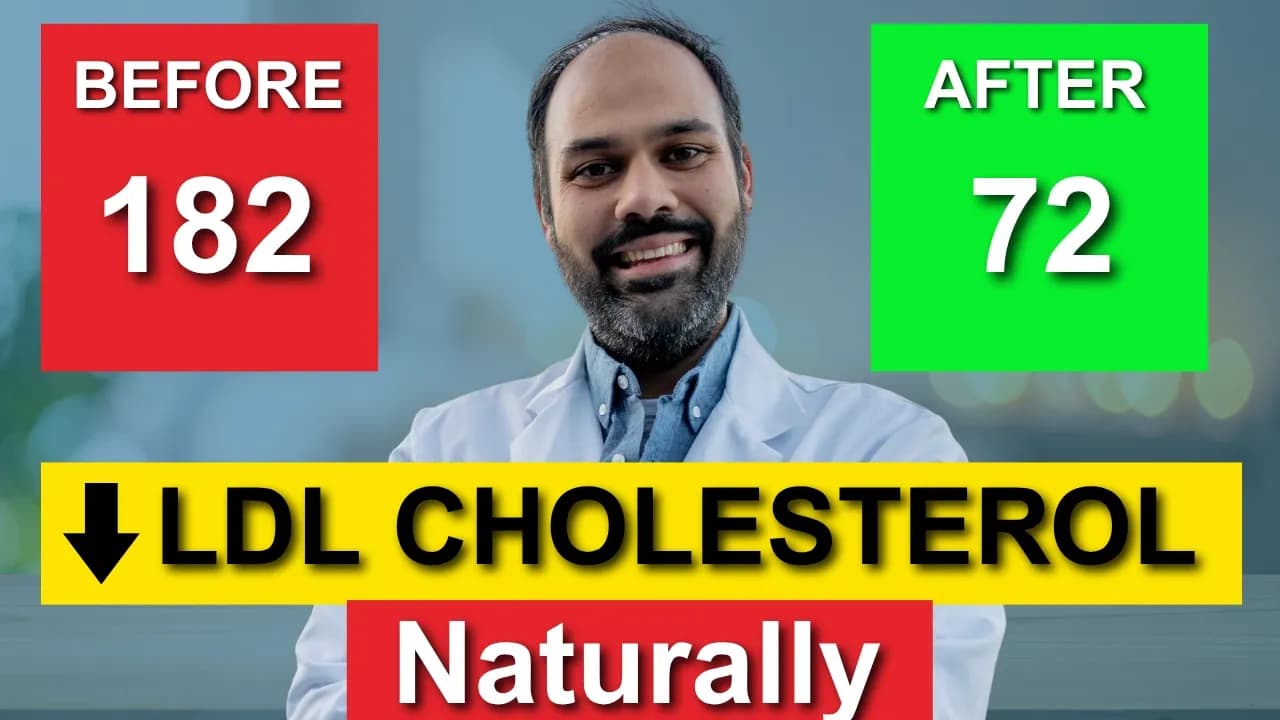
AX caused dose-dependent LDL reduction (>20 mg/dL at highest dose). Inulin no effect; some saw increases. Group differences striking. Highlights misleading 'fiber good for cholesterol' claims—both soluble, drastically different effects. Not simple absorption block.
- Bile acid binding/excretion: AX binds bile acids (from cholesterol); excretion forces liver to make new ones from circulating cholesterol, lowering LDL.
- Bile acid signaling: Alters microbiome/bile acid pools in gut and blood; bile acids bind liver receptors (LXR, TGR5), reprogram metabolism including cholesterol/lipids.
- Polyphenol delivery: Trojan horse—microbial/enzymes release polyphenols as signaling molecules modulating lipid/whole-body metabolism.
Strongest LDL responders had high protein intake (absolute and protein:fiber ratio). High protein (chicken, fish, eggs, meat) might amplify AX cholesterol-lowering—synergistic if causal (modifies microbiome to enhance bile binding/signaling). Counterintuitive; usually high animal protein seen as raising cholesterol. Causality unclear but worth exploring.
Don't chase specific bacteria (shotgun approach); focus on gut ecosystem functionality (e.g., bile acid composition, but clinical tools unavailable). AX increased UDCA/LCA (secondary bile acids; benefits lipid metabolism, longevity).
Personal protocol:
- Intermittent fast: <10hr (often <8hr) eating window for microbiome/gut reset.
- Eat meals same time daily for circadian rhythmicity (regulates digestion, metabolism, immunity).
- Fermented foods (tolerate moderate): sauerkraut, goat milk kefir, blue cheeses, pickles, fermented olives.
- Winnow Labs probiotic (on scientific advisory board; conflict disclosed): binds/neutralizes microplastics (screens showed strains bind plastics for excretion). Use code 'stay curious' for 15% off. (TLDNR: traps plastics in gut to poop out, prevents absorption.)
Fiber isn't single thing—broad category of biologically active compounds. Treating as one is gross mistake. Two soluble fibers: high-dose inulin provoked liver stress/damage, systemic inflammation in subset; AX lowered LDL/cholesterol clinically meaningfully via multiple mechanisms interacting with diet, microbiome, host. Context, dose, host matter. Era of 'eat more fiber' fading; precision matching right compound to physiology/conditions. Next time, ask: which fiber, what dose, in whom?
Stay curious.
Keep Nick Norwitz in your library
Save the videos and channels worth coming back to, and find them again in one place.