The Surprising Benefits of Fermented Foods
In a Nutshell
Fermented foods introduce live microbes that increase gut diversity and produce anti-inflammatory metabolites that enter the bloodstream. A Stanford trial showed that a fermented-food diet raised microbial diversity and lowered 19 inflammatory markers within 10 weeks, while a high-fiber diet did neither. Since 70–80 % of immune tissue resides in the gut, these changes also reduce immune overactivation and may help protect against chronic inflammatory diseases.
These notes were generated by AI and may contain inaccuracies.
You probably heard that fermented foods are good for you. Yogurt, kimchi, sauerkraut, kefir, good for your gut, supposedly. But if I stopped you right now and asked what your gut actually does with them and why that matters to the rest of your body, most people could not tell me. And honestly, half of this stuff gets pushed around on the internet like some sort of a trend. So, a little skepticism is actually fair. I'm a physician and a researcher and I want to walk you through what generally happens inside your body when you eat fermented foods. Because the surprising part is everything your stomach then sets off everywhere else it's traveling to. It affects your inflammation, your immune system, even your mood. By the end, you'll see a chain reaction most people never connect to a single forkful of food.
Fermented food is unlike anything you've ever eaten. Why? When you eat fermented foods for the first time in your life, you're eating food that is alive. Every other time you've eaten food that's not fermented, it's dead food. Why does this matter? Because when you eat fermented foods, these living microbes don't just transition and stay only in that food that you consumed. They transition to living inside of you. They actually improve the form and the very nature and characteristics of that food, making them better. And you haven't exploited that advantage until you've adopted a regular practice of eating fermented foods. That's why I have started a whole diet that I called the living diet because it incorporates fermented foods which are alive, unlike anything else you've ever had into your diet, into your life. It's so critically important.
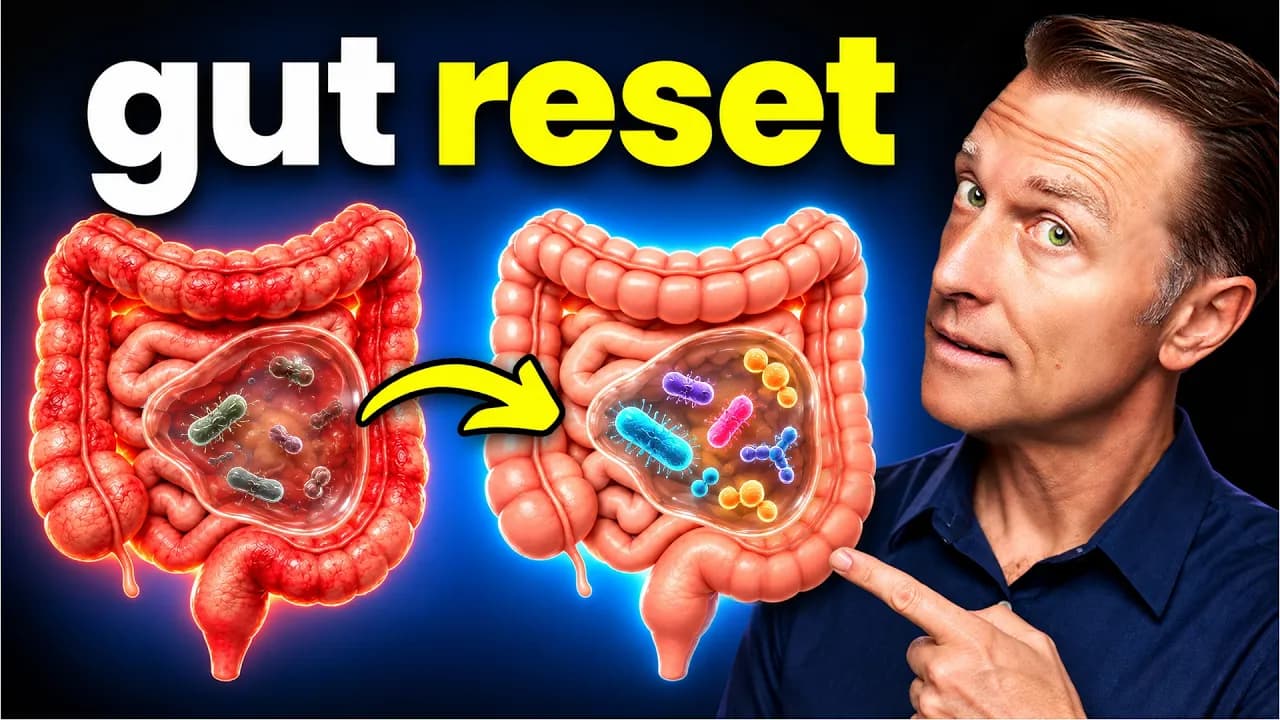
The diversity effect that these fermented foods have is very critically important. Why it matters is fiber feeds bacteria you already have. So, when you eat foods that are fibrous, it feeds bacteria that are already in there. But, when you eat living fermented foods, they can actually widen the amount of diversity of microbes that you have in your gut. This is a critical finding from a 2021 study that was performed at Stanford University. Diversity is really a marker of the resilience of your gut. Diversity meaning how many different types of species you have. So, good analogy to understand your gut, think of it as an African safari. Huge diversity of species. Alligators, crocodiles, monkeys, chimpanzees, antelopes, zebra, tigers, lions, you get the point. All of the diversity contributes to the health of the species of that ecosystem and the individual organism that resides in there. So, diversity is a key marker of health.
But, a more diverse gut is just the first part. The interestingest part to this is what happens when they transfer these microbes, what they're producing into your bloodstream. It's called a signal. These microbes that reside, that make up your microbiome, they're producing metabolites, postbiotics, elements, molecules, things that they create that otherwise wouldn't be in there. And this is why you want to have the very best type of microbes in there because they can produce things that are bad as well. So, this signal that gets created from these metabolites, these compounds, they can travel through the blood and help to calm inflammation in your body. That partly helps your body's ability to defend itself.
The Stanford trial addressed some really important aspects to two groups of people that ate differently in two groups. One group ate a high-fiber diet. The other group ate a fermented food diet. And what they took a look at was the diversity that resulted from those two different manners of eating. The fermented food group added to their diversity. The interesting thing though was the added new members into the gut that was found in those people were not really seen in the fermented food before it was consumed. So, what it seems to suggest is this fermented food are sort of like a soil or fertilizer. They grew other life forms down there that we don't even completely understand. But it did. And so, these fermented foods offer new ways of improving the diversity of these microbes. There was no improvement in the diversity of the microbes in the high-fiber diet. It didn't add to the diversity.
The other really interesting point also was in this landmark study, they measured inflammatory markers in the blood in this particular these two different ways of eating. And they made comparisons in terms of inflammatory markers in the blood. In the group that ate the fermented foods, all 19 markers dropped. In the fiber group, buckus. Not one of them was lowered.
Another interesting important aspect about the gut microbiome is you need to understand that chronic low-grade inflammation sits underneath a huge amount of modern disease, what we call chronic disease. The common pathway of most forms of chronic disease is inflammation. So, simple type of fermented foods that you can buy at a grocery store nudge down inflammation in just a short 10-week period of time. Just imagine the benefits eating over lifetime. You want to get started eating these fermented foods as quickly as possible. If you want the simplest way to start without overthinking which foods to buy, I put together a free starter guide on getting fermented foods into your week, and it's linked in the description. Grab it if it's useful.
About 70 to 80% of your immune tissue and your immunity in general resides in your gut. So, when you change your microbiome, specifically the microbes residing in your gut, you're changing the signals they send. You're impacting your immune system in a very real and significant way. These several types of immune cells that are impacted showed levels of overactivation you don't want. So, the kind linked to the immune system running what's called too hot or too activated, where you have a hyperimmune response. Basically, your foot is way down on the accelerator, and your immune system is running too hot. So, four immune cell types showed reduced activation in the fermented food arm. So, basically, you need to think about training or regulating, even improving your immune system in your gut through the introduction of fermented foods, which help to restore a calmer immune system that really matters on an everyday basis for your health.
Keep Sean OMara, MD JD, Health & Performance Optimizing in your library
Save the videos and channels worth coming back to, and find them again in one place.