President Obama recounts the raid that killed Bin Laden | 60 Minutes Full Episodes
In a Nutshell
President Obama recounts the high-stakes planning, execution, and his tense Situation Room vigil during the 2011 Navy SEAL raid that killed Osama bin Laden in his Pakistani compound, emphasizing the circumstantial intelligence, risks of failure, and decision not to inform Pakistan due to trust issues. He highlights the mission's success—confirmed by photos and DNA—intelligence haul from the compound targeting al-Qaeda networks, and choice to bury bin Laden at sea respectfully without releasing graphic photos to avoid propaganda. Obama ties the raid to justice for 9/11 victims, pride in U.S. special forces, and a refocused Afghanistan strategy enabling troop drawdowns while pursuing al-Qaeda's defeat.
These notes were generated by AI and may contain inaccuracies.
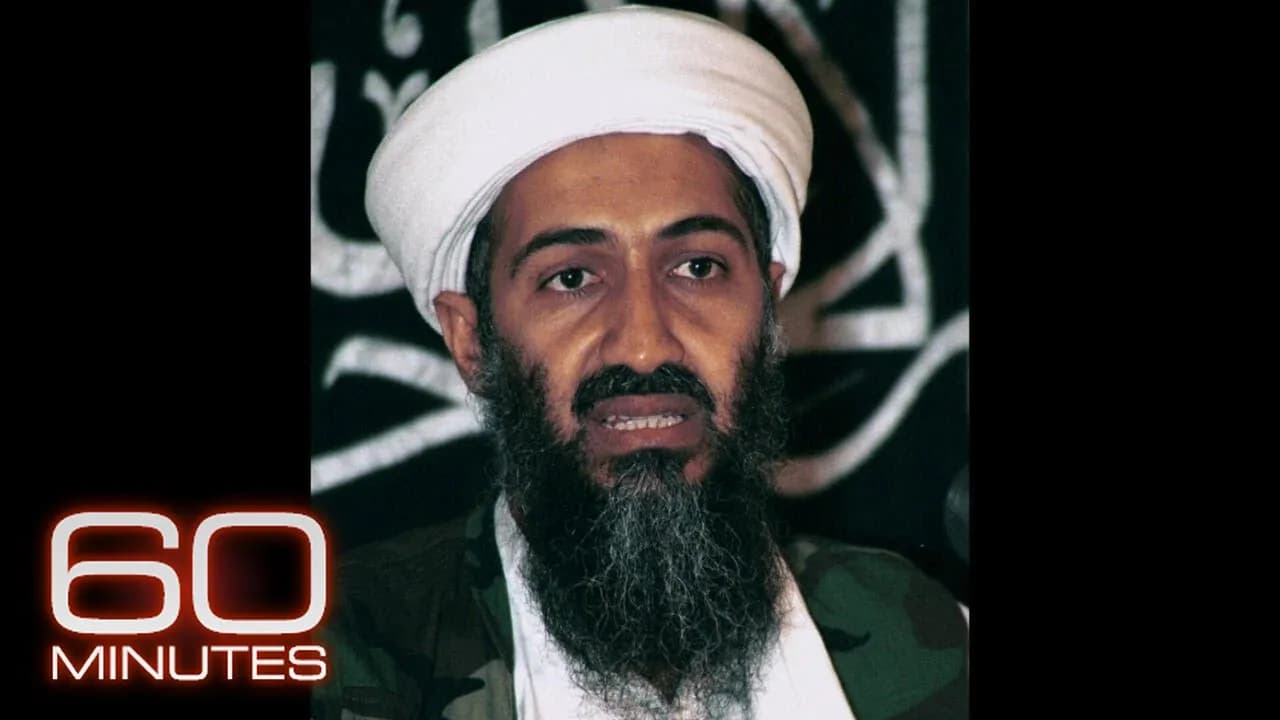
Osama bin Laden changed America on September 11, 2001, introducing fear and the threat of terrorism into daily lives of those in big cities, traveling by air, or entering federal buildings. For over a decade, he eluded US military and intelligence, taunting three US presidents. This ended last Sunday when the last thing bin Laden saw was a Navy SEAL in the third-floor bedroom of his compound in Pakistan.
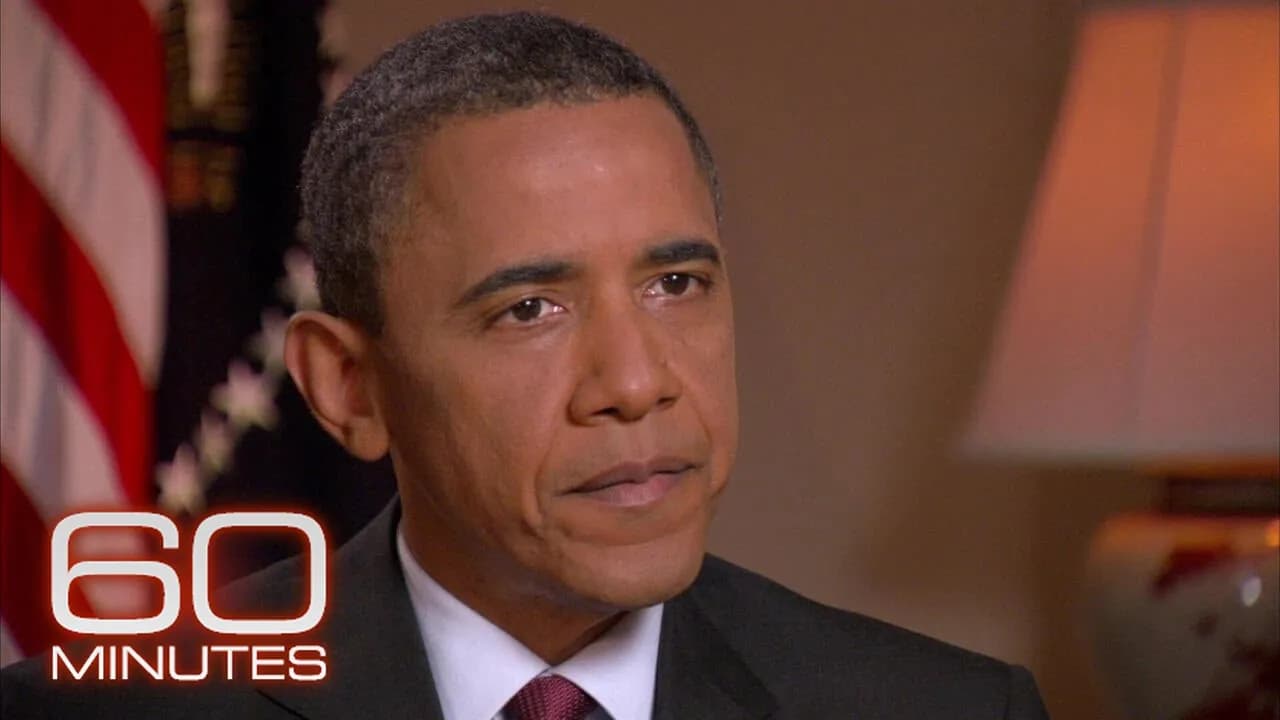
President Obama spoke at the White House on Wednesday, explaining the plan's preparation and execution, his mindset during the raid, and the secrecy before his historic announcement: "Tonight, I can report to the American people and to the world that the United States has conducted an operation that killed Osama bin Laden, the leader of al-Qaeda."
"Was this the most satisfying week of your presidency?" "Well, it was certainly one of the most satisfying weeks not only for my presidency, but I think for the United States since I've been president. Obviously, bin Laden had been not only a symbol of terrorism but a mass murderer who had eluded justice for so long and so many families who had been affected had given up hope. For us to be able to definitively say we got the man who caused thousands of deaths here in the United States was something that I think all of us were profoundly grateful to be a part of."
"Was the decision to launch this attack the most difficult decision that you've made as commander-in-chief?" "Certainly one. Every time I send young men and women into a war theater that's a tough decision. Whenever you write a letter to a family who's lost a loved one, it's sobering. This was a very difficult decision in part because the evidence that we had was not absolutely inclusive. This was circumstantial evidence that he was going to be there. Obviously, it entailed enormous risk to the guys that I sent in there. But ultimately I had so much confidence in the capacity of our guys to carry out the mission that I felt that the risks were outweighed by the potential benefit of us finally getting our man."
Gut instinct played a role: if it works, instincts seem good; if not, doubts arise. Obama had enough instinct that it was worth doing.
When CIA first brought the information, it looked promising. During his campaign, Obama said if he got a shot at bin Laden, even in Pakistan without capture options, they would take it, drawing criticism. Shortly after taking office, he told Leon Panetta privately in the Oval Office to redouble efforts, putting more resources, focus, and urgency into hunting bin Laden.
CIA presented an image of the compound and factors concluding it was the best evidence since Tora Bora. No photograph of bin Laden or direct evidence. CIA built the case meticulously over months. Obama instructed: even as they built intelligence, start an action plan for dealing with him if confirmed.
First came to him in August last year (2010) with compound evidence, needing more work but enough to start planning. Vigorous planning began early this year, intensive last two months with rehearsals.
Obama was as active as on any project since president. Special forces are best, so not designing initial plan, but reviewed each iteration with full presentations, questions, multiple Situation Room meetings using a model of the compound. Discussed options; helicopter ground insertion riskier than others but allowed confirmation of getting the guy, exploiting on-ground information, minimizing collateral damage in residential neighborhood.
Irony: bin Laden promoted ascetic cave image but lived in million-dollar compound in residential neighborhood.
Surprised compound was in Pakistan's military center (near capital), built 5-6 years without tip-off, despite expectations of attention. Discussions of hiding in plain sight; some al-Qaeda blended in.
Still investigating if built for him, but structured with no sight lines, protecting from public view. Know he was there at least 5 years; belief he was there 5-6 years, unsure if he moved out.
Hardest: sending guys into harm's way with many moving parts, Murphy's law. Biggest concern: if something goes wrong, can we get them out? Risks: darkest night, unknown rigging, explosives. Intelligence was 55-45, not definitive. Geopolitical risks entering sovereign Pakistan; if not bin Laden (e.g., wealthy Dubai prince), major problems.
Confidence from special forces' excellence, performing at levels impossible 20-30 years ago.
Team collegial, everyone speaks mind. Dissent sharpened plan, ensured best information. Obama already considered doubts.
Past failures weighed: Iran hostage rescue, Blackhawk Down. Sympathetic to presidents facing complications. Day before, thought about them a lot. Concluded worth it: after enormous blood and treasure since 2001, good chance to disable al-Qaeda outweighed political and personnel risks.
Decision made Thursday night, team informed Friday morning. Then surveyed Alabama tornado damage, family to Cape Canaveral shuttle launch, White House Correspondents' Dinner Saturday night. Presidency requires multitasking; raid weighed heavily all weekend, hard keeping focus, suppressed urge to tell others including Michelle. Success in secrecy: few in White House knew, no senior aides; any leak could compromise mission or kill operators.
Sunday, final preparations; Obama played golf morning, awaited Pakistan sunset. Gathered mission architects in windowless White House basement room for critical 40 minutes.
Mood tense, talking but listening to real-time reports from Bill McRaven (head of special forces) and Leon Panetta. Long waits; longest 40 minutes of life, except Sasha's meningitis at 3 months.
Nervous; monitored events around compound but not inside. Sensed gunfire, explosions, flashes. One helicopter down not per plan, increasing tension. Did not go exactly to plan, but anticipation and backup plans (e.g., blow up walls) made difference.
Before all back on helicopters: "Geronimo has been killed" (Geronimo code name for bin Laden). Cautiously optimistic amid dark chaos.
Reaction: relieved, prioritized safe return over border, deeply proud/satisfied of team.
Comfortable when landed: 95% sure via photos, facial analysis (DNA later confirmed 100%). Saw pictures: "It was him."
Discussed internally; certain via DNA, but graphic head-shot photos could incite violence, serve as propaganda. "We don't trot out this stuff as trophies... we don't need to spike the football." National security risk; agreed by Bob Gates, Hillary Clinton, intelligence teams.
Pakistan denials no issue; al-Qaeda knows he's dead, won't see him walking again.
Burial at sea joint decision, planned ahead consulting Islamic law/ritual experts for appropriate, respectful disposal. Took more care than bin Laden did with 3,000 killed.
Walked out Situation Room, told team: "We got him." White House video captured mood; informed aides, congressional leaders: "The reason I'm calling is to tell you we killed... we killed it." Thanked cabinet/advisers: "Good job, National Security Team... You guys did a great job." Moment of great pride in national capacity.
Mission complicated by location near Pakistan capital, under army noses. Doubts on Pakistan's commitment/trustworthiness; kept entirely in dark.
"You didn't tell anybody in the Pakistani government or the military or the intelligence community?" "No." "Because you didn't trust them?" "I didn't tell most people here in the White House. I didn't tell my own family. It was that important to maintain operational security."
Compound location raises questions. Believe some support network inside Pakistan (government or not); investigating, Pakistan must too. Communicated; they interested.
Pakistan strong counterterrorism partner since 9/11; killed more terrorists on Pakistani soil than anywhere else with their cooperation, despite disagreements. Post-bin Laden: work more effectively together for national security.
Vital: supplies for Afghanistan troops through Pakistan, valuable intelligence source.
US independently surveilled compound months, confiscated documents/files/computer drives from raid: treasure trove on contacts in Pakistan/world. Video shows bin Laden watching himself on Al Jazeera. Operators gathered materials amid chaos: pitch black, taking out walls/false doors, under fire, killed bin Laden, still collected bin Laden's material which will be a treasure trove of information.
The materials found could serve us very well in the weeks and months to come. It's an indication of the extraordinary work they did. We are putting everything we've got into analyzing and evaluating all that information. It can give leads to other terrorists we've been looking for a long time, other high-value targets. It can also give a better sense of existing plots, how they operated, their methods of communicating. We now have the opportunity to finally defeat at least al-Qaeda in the border region between Pakistan and Afghanistan. That doesn't mean we will defeat terrorism. It doesn't mean al-Qaeda hasn't metastasized to other parts of the world where we have to address operatives there. But it means we have a chance to deliver a fatal blow to this organization if we follow through aggressively in the months to come.
By the time President Obama arrived in New York City on Thursday to honor the nearly 3,000 people killed on 9/11, there were reports of evidence collected from Bin Laden's compound about al-Qaeda's aspirations to conduct attacks on US rail systems. This was President Obama's first visit to Ground Zero since taking office, and he wanted to close a loop. He laid a wreath of red, white, and blue at the foot of a tree that was pulled from the rubble, nursed back to health, and replanted. He met with relatives of the victims, including 14-year-old Payton Wool, who had sent the president a letter earlier in the week about her father, Glenn, killed when the towers fell.
She had spoken to her dad when she was four years old before the towers collapsed. He was in the building. She described what it had been like for the last 10 years growing up always having the sound of her father's voice, thinking she'd never see him again, and watching her mother weep on the phone.
The president paid a visit to Engine 54 Ladder 4, the New York firehouse that had 15 people killed on September 11th. He dedicated the raid to them and thousands of others who had lost their lives that day. After the ceremony, more discussion on the future:
There are people in Congress, influential people on both sides of the aisle, who are saying that this is an opportunity to cut our commitment in Afghanistan and hasten our withdrawals. What's your response?
When I came in, I said we were going to end the war in Iraq so we could refocus attention on Afghanistan, Pakistan, and the border region where al-Qaeda was focused. We've removed 100,000 troops from Iraq. We increased troop levels in Afghanistan to blunt the momentum of the Taliban and create platforms to go after al-Qaeda directly. We've denigrated al-Qaeda significantly even before Bin Laden. The work in Afghanistan helped prepare us for taking Bin Laden out. I've committed to a transition starting in July where we begin drawing down troops in Afghanistan. Our job's not finished. We have to leave an Afghanistan that can secure itself and not become a safe haven for terrorist activity again. That can be accomplished on the timeline I've set out.
You seem to think it might hasten our withdrawal.
What happened on Sunday reconfirms we can focus on al-Qaeda, focus on threats to our homeland, train Afghans to stabilize their country, but we don't need a perpetual footprint of the size we have now.
Do you think this improves chances for a negotiated settlement in Afghanistan?
It sends a signal to those affiliated with terrorist organizations who had a favorable view towards al-Qaeda that they're on the losing side. It may make local power brokers and local Taliban leaders have second thoughts and say it makes more sense to participate in a political process rather than engage in war with folks who don't give up.
The US special forces who participated in the assault on Bin Laden's compound will pretty much get whatever they want, but these guys are so low-key and focused on doing their job that they get embarrassed if they get too much attention.
On behalf of all Americans and people around the world, job well done.
On Friday, the president thanked them personally during a visit to Fort Campbell, Kentucky, where the helicopter pilots were based. He met them behind closed doors along with the Navy SEALs who carried out the assault. Their identities are classified and likely to remain so. It's unlikely you will ever see the faces or learn the names of those who avenged 9/11 and disposed of its mastermind.
Is this the first time you've ordered someone killed?
Every time I make a decision about launching a missile or sending troops into battle, I understand it will result in people being killed. That is a sobering fact, but one that comes with the job. This was one man who cast a shadow in the White House for almost a decade. As nervous as I was about this process, the one thing I didn't lose sleep over was the possibility of taking Bin Laden out. Justice was done. Anyone who questions that the perpetrator of mass murder on American soil didn't deserve what he got needs to have their head examined.
Keep 60 Minutes in your library
Save the videos and channels worth coming back to, and find them again in one place.