The Rarest Type Of Soldiers In The World
In a Nutshell
Elite special operators are rare because they combine very high IQ (130+) with both intellectual curiosity and willingness to fight, a combination that occurs in an extremely small percentage of the population. The military cannot mass-produce them because the job requires people who can operate in moral and procedural gray areas, prioritize mission outcomes over rigid rules, and reject conventional military formality. This mindset makes post-service transition difficult, as the freedom to bend rules for results conflicts with civilian law enforcement structures and modern constraints on warfare.
These notes were generated by AI and may contain inaccuracies.
A chart shows the prevalence of violence perpetrated by IQ standard deviation. The data tracks responses to the question: "Have you been in a physical fight or deliberately hit anyone in the past 5 years?" The prevalence percentage decreases linearly as IQ increases. At the middle of the distribution around 100 IQ, approximately 10% of people report having hit somebody or been in a physical fight within the last 5 years. The percentages drop to 5.2% between 110-119 IQ, 2.9% between 120-129 IQ, and become extremely small at 130+ IQ.
A tweet observed that the percentage of guys with 130+ IQ who both enjoy books and bar fights is incredibly small. This combination explains why elite special operators cannot be mass produced for the military. One guest confirmed enjoying both reading books and punching people in the face.
Special operations units operate with significantly less formal constraints than conventional military. Team members do not maintain flat top haircuts, blouse their boots, say "sir," or salute as standard practice. These formalities are viewed as unnecessary pomp and circumstance that does not contribute to mission outcomes. The "song and dance" of clean-shaven faces, no tattoos, and strict appearance standards is only enforced as punishment when personnel do something wrong. Upon leaving service, most special operations personnel grow beards and let their hair grow out, explicitly rejecting the constraints they endured.
A meme shows green berets sitting around with hands in pockets, representing the desire to operate outside conventional military constraints. The motivation for joining selection included wanting to put hands in pockets, spit Copenhagen on floors, and grow beards - essentially seeking one-percenter status within the military structure.
Special operations personnel find ways to operate in the gray area between black and white rules. As long as they understand the "why" and required end state, they navigate through constraints to accomplish objectives. This may involve breaking rules if it benefits the team, even at personal disadvantage or career risk. The gray area navigation does not extend to murder, rape, or significant drug use.
Few special operations personnel transition to police work because the constraints feel too limiting. The structured environment of law enforcement conflicts with the gray area mentality developed during service. Despite respect for law enforcement and FBI capabilities, the transition is viewed as incompatible with the operational mindset.
The modern world creates tension with the ugly realities of war. When focused on outcomes, the means can become debatable. While all military actions described remained morally above board and suitable for any civilian profession, there are moments of wanting to "hoist a black flag and start slitting throats" when confronting enemy actions, particularly against children.
The systemic constraints create significant internal conflict when personnel experience righteous anger. Having lost friends, including the Extortion 17 incident in August where 31 personnel died when a helicopter was shot down, the inability to respond proportionally to threats creates resentment. The contrast between enemy treatment of captured personnel versus American detention policies (handcuffs, helicopter transport, 10-day detention centers) is viewed as fundamentally unfair.
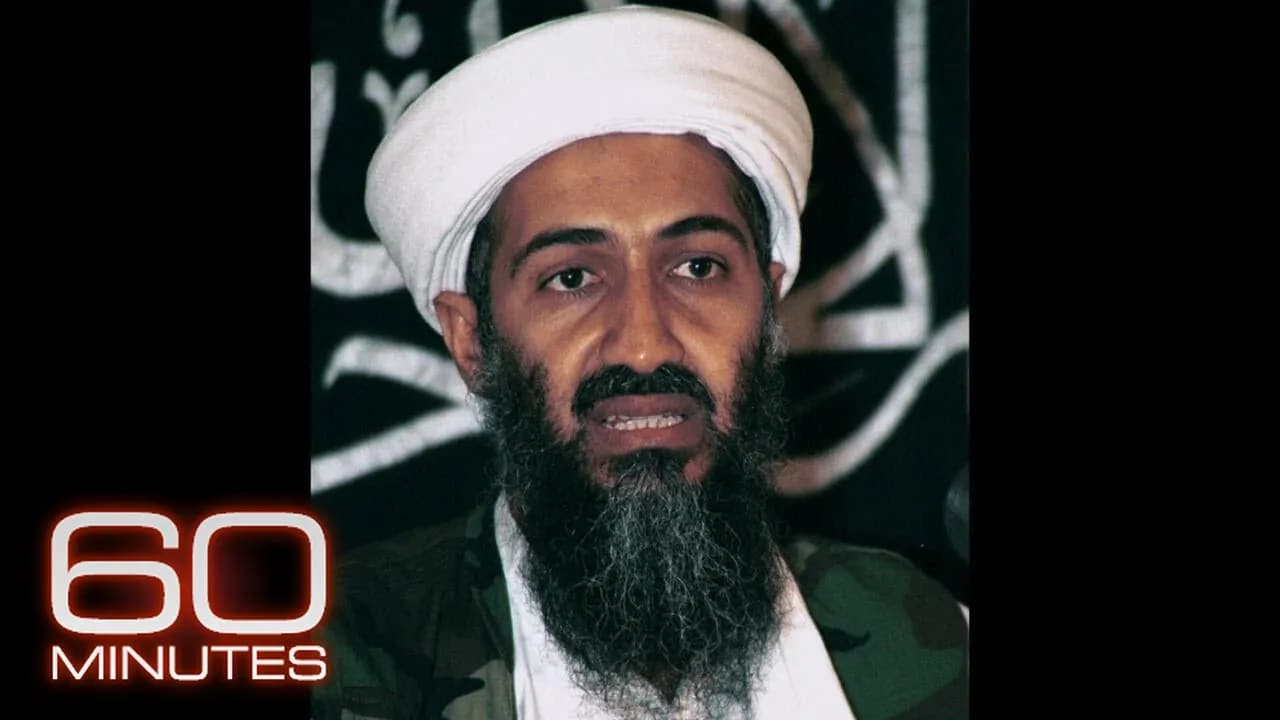
Rob (first team leader who drafted the speaker into the unit) appeared on Andy's show discussing the Osama raid. The preference was that nobody would have discussed the operation publicly. The speaker was too junior to be selected for the raid, which pulled operators ranked two and above from each team. The total number of personnel involved was significantly smaller than commonly assumed.
The raid selection process created some animosity among those not chosen. The approach involved cherry-picking top performers from within the same squadron rather than creating new mixed teams. This preserved existing team culture and cohesion rather than assembling maximum individual talent without established relationships. The speaker was told the operation was a training mission and that nothing significant would occur during their first rotation.
Five days before the raid, team members purchased new watches and thousand-dollar sunglasses, indicating they expected not to return. Initial assumptions were that the target was Gaddafi. When Obama announced the operation, the speaker was watching from home with his wife and shooting buddy on speakerphone, experiencing extreme pride in the accomplishment.
Keep Chris Williamson in your library
Save the videos and channels worth coming back to, and find them again in one place.