Barack Obama on the operation to find, kill Osama bin Laden | 60 Minutes Archive
In a Nutshell
Obama made the high-stakes call to send Navy SEALs into Pakistan on a 55-45 intelligence assessment that Bin Laden was in the compound, choosing a ground raid over drone strikes to confirm the kill, recover intelligence, and minimize civilian casualties. The 40-minute operation succeeded despite a helicopter crash and other complications, yielding a massive intelligence haul and ending a decade-long hunt. Obama stressed the primacy of protecting the operators, keeping the mission secret even from his own family and most aides, and decided against releasing photos to avoid inciting violence.
These notes were generated by AI and may contain inaccuracies.
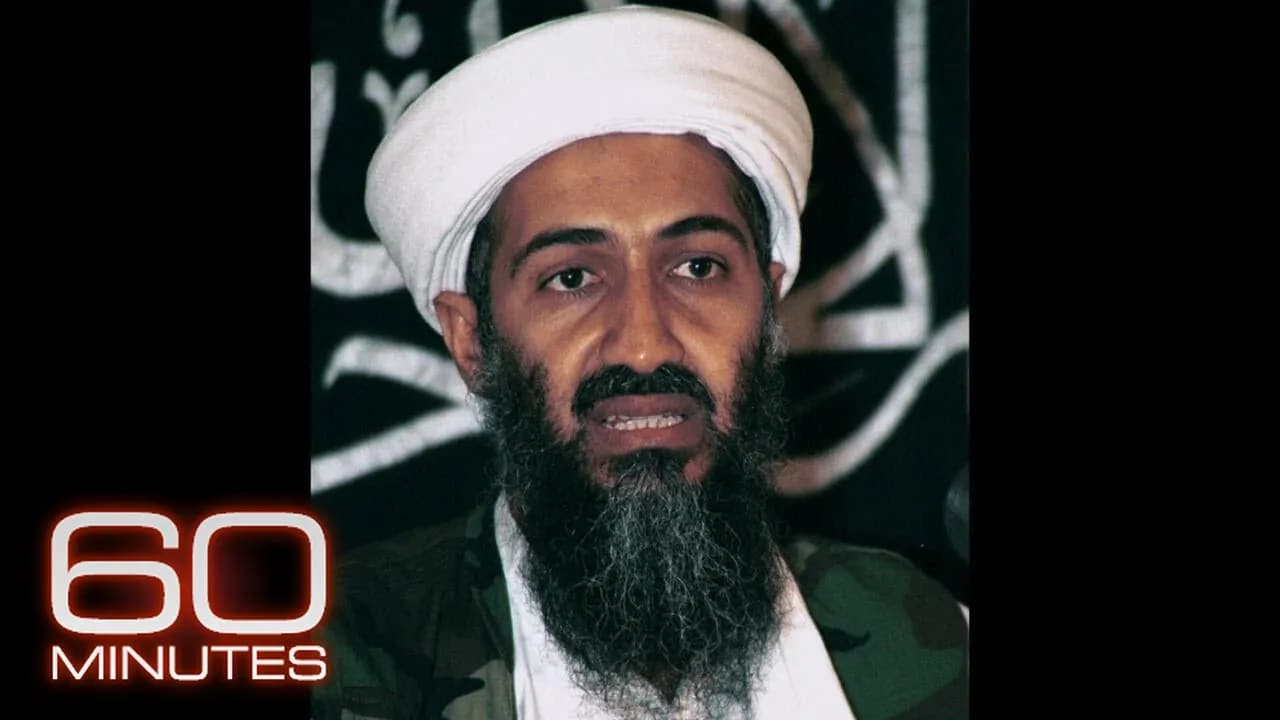
Osama bin Laden changed America. With the September morning in 2001, he introduced fear and ingrained the threat of terrorism into the daily lives of anyone who lives in a big city, travels by air, or enters a federal building. For more than a decade, bin Laden managed to elude the US military and intelligence establishment and taunted three US presidents. That finally ended last Sunday, and the last thing Bin Laden saw was a Navy Seal in the third floor bedroom of his compound in Pakistan.
President Obama stated that it was certainly one of the most satisfying weeks not only for his presidency, but for the United States since he had been president. Obviously, Bin Laden had been not only a symbol of terrorism but a mass murderer who had eluded justice for so long and so many families who had been affected had given up hope. For us to be able to definitively say we got the man who caused thousands of deaths here in the United States was something that all of us were profoundly grateful to be a part of.
Every time Obama sent young men and women into a war theater that was a tough decision. Whenever he wrote a letter to a family who had lost a loved one, it was sobering. This was a very difficult decision in part because the evidence that we had was not absolutely conclusive. This was circumstantial evidence that he was going to be there. Obviously, it entailed enormous risk to the guys that were sent in there.
Ultimately Obama had so much confidence in the capacity of our guys to carry out the mission that he felt that the risks were outweighed by the potential benefit of us finally getting our man. The thing about gut instinct is if it works then you think boy I had good instincts. If it doesn't, then you're going to be running back in your mind all the things that told you maybe you shouldn't have done it. Obviously, Obama had enough of an instinct that we could be right, that it was worth doing.
When Obama was still campaigning for president, he had said that if he ever got a shot at Bin Laden, we were going to take it. He was subject to some criticism at the time because he had said if it's in Pakistan and we don't have the ability to capture him in any other way, then we're going to go ahead and take the shot. But he felt very strongly that there was a strategic imperative for us to go after him.
Shortly after Obama got into office, he brought Leon Panetta privately into the Oval Office and said to him, "We need to redouble our efforts in hunting bin Laden down." He wanted us to start putting more resources, more focus, and more urgency into that mission.
By the time the CIA came to Obama, they had worked up an image of the compound where it was and the factors that led them to conclude that this was the best evidence we had regarding bin Laden's whereabouts since Tora Bora. But we didn't have a photograph of bin Laden in that building. There was no direct evidence of his presence. So the CIA continued to build the case meticulously over the course of several months.
What Obama told them when they first came to him with this evidence was even as you guys are building a stronger intelligence case, let's also start building an action plan to figure out if in fact we make a decision that this is him or we've got a good chance that we've got him, how are we going to deal with him.
The CIA first came to Obama in August of last year with evidence of the compound and they said that they had more work to do on it, but at that point they had enough that they felt that it was appropriate for us to start doing some planning. So from that point on we started looking at what our options might be. The vigorous planning did not begin until early this year. Over the last two months, it had been very intensive in which not only did an action plan get developed, but our guys actually started practicing being able to execute.
Obama was about as active as any project that he had been involved with since he had been president. Obviously we have extraordinary guys. Our special forces are the best of the best. So Obama was not involved in designing the initial plan but each iteration of that plan they would bring back to him and make a full presentation. We would ask questions.
We had multiple meetings in the situation room in which we would map out and we would actually have a model of the compound and discuss how this operation might proceed and what various options there were. Because there was more than one way in which we might go about this and in some ways sending in choppers and actually putting our guys on the ground entailed some greater risks than some other options.
Obama thought it was important for us to be able to say that we definitely got the guy. It was important for us to be able to exploit potential information that was on the ground in the compound if it did turn out to be him. We thought that it was important for us not only to protect the lives of our guys but also to try to minimize collateral damage in the region because this was in a residential neighborhood.
One of the ironies of this is the image that Bin Laden had tried to promote was that he was an ascetic living in a cave. This guy was living in a million-dollar compound in a residential neighborhood.
There had been discussions that this guy might be hiding in plain sight. We knew that some al-Qaeda operatives, high-level targets, basically just blended into the crowd like this. We were surprised when we learned that this compound had been there for five or six years and that it was in an area in which you would think that potentially he would attract some attention. So yes, the answer is that we were surprised that he could maintain a compound like that for that long without there being a tip off.
We are still investigating whether the compound was built for him. But what is clear is that the elements of the compound were structured so that nobody could see in. There were no sight lines that would enable somebody walking by or somebody in an adjoining building to see him. So, it was clearly designed to make sure that Bin Laden was protected from public view.
We know he was there at least 5 years. That compound was there for 5 to 6 years and our belief is that he was there during that time.
The most difficult part is always the fact that you're sending guys into harm's way and there are a lot of things that could go wrong. There are a lot of moving parts here. So, Obama's biggest concern was if I'm sending those guys in and Murphy's law applies and something happens, can we still get our guys out?
These guys are going in in the darkest of night and they don't know what they're going to find there. They don't know if the building is rigged. They don't know if there are explosives that are triggered by a particular door opening. So huge risks that these guys are taking. And so Obama's number one concern was if I send them in, can I get them out?
As outstanding a job as our intelligence teams did, and Obama could not praise them enough, they did an extraordinary job with just the slenderest of bits of information to piece this all together. At the end of the day, this was still a 55-45 situation. We could not say definitively that bin Laden was there.
Had he not been there, then there would have been some significant consequences. Obviously, we're going into the sovereign territory of another country and landing helicopters and conducting a military operation. And so if it turns out that it's a wealthy prince from Dubai who's in this compound, and we've sent special forces in, we've got problems. So there were risks involved geopolitically in making the decision but Obama's number one concern was can our guys get in and get out safely.
The fact that our special forces have become so good. These guys perform at levels that 20-30 years ago would not have happened. That finally gave Obama the confidence to say let's go ahead.
One of the things that we've done here is to build a team that is collegial and where everybody speaks their mind. And there's not a lot of sniping or backbiting after the fact. What Obama tried to do is make sure that every time he sat down in the situation room, every one of his advisers around there knows he expected them to give him their best assessments.
The fact that there were some who voiced doubts about this approach was invaluable because it meant the plan was sharper. It meant that we had thought through all of our options. It meant that when Obama finally did make the decision, he was making it based on the very best information. It wasn't as if any of the folks who were voicing doubts were voicing something that Obama wasn't already running through in his own head.
Absolutely, Obama thought about Black Hawk Down, and what happened with the Iranian rescue. Obama was very sympathetic to the situation for other presidents where you make a decision, you're making your best call, your best shot, and something goes wrong. Because these are tough, complicated operations.
It was a 55-45 situation, but Obama concluded that it was worth it and the reason he concluded it was worth it was that we have devoted enormous blood and treasure in fighting back against al-Qaeda ever since 2001. Obama said to himself that if we have a good chance of not completely defeating but badly disabling al-Qaeda, then it was worth both the political risks as well as the risks to our men.
Obama made the decision Thursday night, informed his team Friday morning and then flew off to look at the tornado damage to go to Cape Canaveral to make a speech, a commencement speech. Then we had the White House correspondents dinner on Saturday night. The presidency requires you to do more than one thing at a time. This was in the back of his mind all weekend.
One of the great successes of this operation was that we were able to keep this thing secret. And it's a testimony to how seriously everybody took this operation and the understanding that any leak could end up not only compromising the mission but killing some of the guys that we were sending in there. Very few people in the White House knew. The vast majority of Obama's most senior aides did not know that we were doing this. There were times where you wanted to go around and talk this through with some more folks and that just wasn't an option. During the course of the weekend, there was no doubt that this was weighing on Obama.
Last Sunday, as the final preparations for the raid were underway, President Obama continued with his charade of business as usual. Most people in the White House, including some of his closest aides, had no idea what was about to happen. To break the tension and to clear his head, he played some golf in the morning, waiting for the sun to go down in Pakistan. Then he returned to the White House for the most critical 40 minutes of his presidency.
In midafternoon, he gathered the architects of the mission in a windowless room in the White House basement to watch it all unfold. The mood was tense. People were talking, but doing a lot of listening as well because we were able to monitor the situation in real time getting reports back from Bill McRaven, the head of our special forces operations as well as Leon Panetta. There were big chunks of time in which all we were doing was just waiting. It was the longest 40 minutes of Obama's life with the possible exception of when Sasha got meningitis when she was 3 months old and he was waiting for the doctor to tell him that she was all right. It was a very tense situation.
Obama was monitoring the situation and we knew as events unfolded what was happening in and around the compound but we could not get information clearly about what was happening inside the compound. That went on for a long time. We had a sense of when gunfire and explosions took place. And we also knew when one of the helicopters went down in a way that wasn't according to plan. And as you might imagine, that made us more tense.
It did not go exactly according to plan. But this is exactly where all the work that had been done anticipating what might go wrong made a huge difference. There was a backup plan. We had to blow up some walls.
There was a point before folks had left, before we had gotten everybody back on the helicopter and were flying back to base where they said Geronimo has been killed and Geronimo was the code name for Bin Laden. And now obviously at that point these guys are operating in the dark with all kinds of stuff going on. So everybody was cautious but at that point cautiously optimistic.
Obama's reaction when he heard those words was that he was relieved and he wanted to make sure those guys got over the Pakistan border and landed safely. And he felt deeply proud and deeply satisfied of his team.
When they landed, we had very strong confirmation at that point that it was him. Photographs had been taken. Facial analysis indicated that in fact it was him. We hadn't yet done DNA testing. But at that point we were 95% sure. Obama did see the pictures. It was him.
We discussed this internally. Keep in mind that we are absolutely certain this was him. We've done DNA sampling and testing. And so there is no doubt that we killed Osama bin Laden. It is important for us to make sure that very graphic photos of somebody who was shot in the head are not floating around as an incitement to additional violence as a propaganda tool. That's not who we are. We don't trot out this stuff as trophies. The fact of the matter is this was somebody who was deserving of the justice that he received. And Obama thought Americans and people around the world are glad that he's gone. But we don't need to spike the football. Given the graphic nature of these photos it would create some national security risk and Obama discussed this with Bob Gates and Hillary Clinton and his intelligence teams and they all agree.
It was a joint decision to bury him at sea. We thought it was important to think through ahead of time how we would dispose of the body if he were killed in the compound. What we tried to do was consulting with experts in Islamic law and ritual to find something that was appropriate that was respectful of the body. Frankly, we took more care on this than obviously Bin Laden took, when he killed 3,000 people. He didn't have much regard for how they were treated, and desecrated. But that again is something that makes us different.
When the mission was over and Obama walked out of the situation room, he walked up with his team and just said, "We got him." The White House released video that captured the mood as aides and congressional leaders were given the news. The president thanked cabinet members and advisers after Sunday night's speech. It was a moment of great pride for Obama to see our capacity as a nation to execute something this difficult this well.
You didn't tell anybody in the Pakistani government or the military or the intelligence community. Because Obama didn't tell most people here in the White House, he didn't tell his own family. It was that important for us to maintain operational security. If Obama was not revealing to some of his closest aides what we're doing, then he sure as heck was not going to be revealing it to folks who he didn't know right now.
The location of his house, the location of the compound just raises all sorts of questions. We think that there had to be some sort of support network for bin Laden inside of Pakistan, but we don't know who or what that support network was. We don't know whether there might have been some people inside of government, people outside of government and that's something that we have to investigate and more importantly the Pakistani government has to investigate. We've already communicated to them and they have indicated they have a profound interest in finding out what kinds of support networks bin Laden might have had.
What Obama could say is that Pakistan since 9/11 has been a strong counterterrorism partner with us. There have been times where we've had disagreements. There have been times where we want to push harder and for various concerns they might have hesitated. And those differences are real and they'll continue. But the fact of the matter is that we've been able to kill more terrorists on Pakistani soil than just about any place else. We could not have done that without Pakistani cooperation. Obama thought that this will be an important moment in which Pakistan and the United States gets together and says, "All right, we've gotten Bin Laden, but we've got more work to do, and are there ways for us to work more effectively together than we have in the past?"
It's going to take some time for us to be able to exploit the intelligence that we were able to gather on site. Obama wanted the American people to think about this. These guys, our guys go in in the dead of night. It's pitch black. They're taking out walls, false doors, getting shot at. They kill
The SEAL team maintained exceptional operational discipline by collecting extensive materials from the compound while executing the mission. This material constitutes a significant intelligence resource that will provide valuable leads in the coming weeks and months. The collection effort demonstrates the extraordinary professionalism of the operators involved.
The intelligence haul from the compound is being thoroughly analyzed to identify leads on other high-value terrorist targets and existing plots. The material is expected to reveal operational methods, communication systems, and network structures that could significantly enhance counterterrorism efforts. The operation creates an opportunity to deliver a fatal blow to al-Qaeda's core organization in the Afghanistan-Pakistan border region.
While this represents a major strategic victory, it does not eliminate the broader terrorist threat, as al-Qaeda has spread to other regions that require continued attention.
Reports emerging from the compound materials indicate al-Qaeda's interest in conducting attacks on US rail systems.
President Obama made his first visit to Ground Zero since taking office on Thursday, laying a wreath of red, white, and blue at the base of a tree recovered from the rubble and replanted. He met with victims' families, including 14-year-old Payton Wall, whose father Glenn died in the attacks. Wall recounted speaking with her father at age four before the towers collapsed, describing how his voice had remained with her throughout the decade while watching her mother grieve.
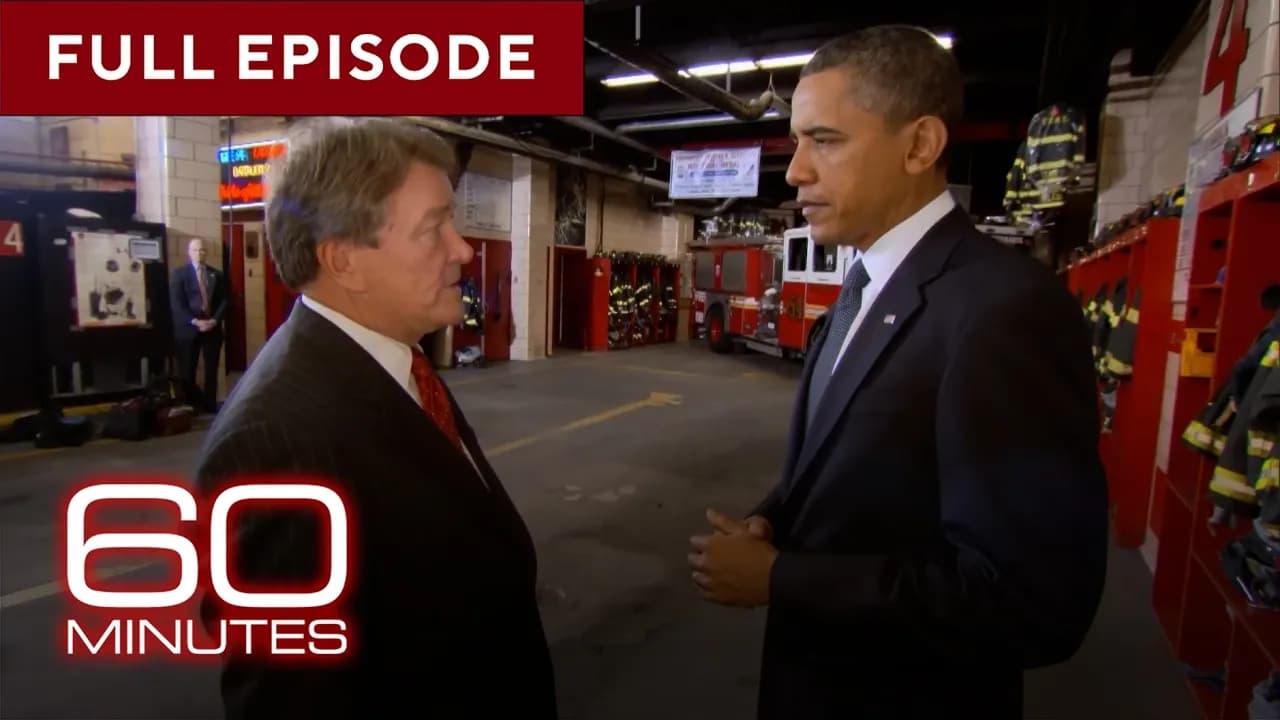
The President visited Engine 54 Ladder 4, the firehouse that lost 15 members on September 11th, dedicating the raid to them and all others killed that day.
The President addressed congressional calls to accelerate troop withdrawals from Afghanistan following the raid. He explained that the original strategy involved ending the Iraq war to refocus on Afghanistan and Pakistan, resulting in the removal of 100,000 troops from Iraq. The increased troop presence in Afghanistan blunted Taliban momentum and created platforms for direct action against al-Qaeda.
The work in Afghanistan contributed to the success of the Bin Laden operation, though the mission remains incomplete. The goal is to leave Afghanistan capable of securing itself and preventing it from becoming a terrorist safe haven again.
The President confirmed his commitment to the July transition timeline for troop drawdowns, emphasizing that a perpetual large-scale military footprint is unnecessary. The raid demonstrates the ability to focus on counterterrorism, train Afghan forces for stabilization, and maintain security without maintaining current force levels.
The operation sends a powerful message to those affiliated with terrorist organizations that they are on the losing side. This may encourage local power brokers and Taliban leaders to reconsider participation in political processes rather than continued military engagement.
The President indicated that special forces personnel would receive appropriate recognition for their service, though these operators are characteristically low-key and focused on mission accomplishment rather than public attention.
On Friday, the President visited Fort Campbell, Kentucky, to personally thank the helicopter pilots and Navy SEALs involved in the operation during a closed-door meeting.
The identities of those who carried out the raid remain classified and will likely stay protected.
President Obama acknowledged that every decision to launch missiles or deploy troops carries the weight of knowing it will result in deaths, describing this as an inherent responsibility of the office. He noted that this particular decision regarding Bin Laden did not cause him sleepless nights, stating that justice was served and that questioning whether the perpetrator of mass murder on American soil deserved the outcome would require examination.
Keep 60 Minutes in your library
Save the videos and channels worth coming back to, and find them again in one place.