Promising student 60 Minutes met at Cape Town magic school in 2022 died last month
In a Nutshell
A Cape Town magic school transforms underprivileged students like Duma Mkhorki and Nkanyezi Ntome by teaching performance skills alongside life skills, helping them escape township violence, poverty, and social isolation through disciplined practice and imagination-building. The non-profit institution, founded by Dean David Gore, provides scholarships to 130 diverse students who spend six years developing not just magic techniques but also social confidence, skepticism, and creative thinking that extends beyond traditional academics. The core message shows how magic education serves as nation-building, using wonder and performance to bridge South Africa's economic divides while giving students practical pathways out of hardship.
These notes were generated by AI and may contain inaccuracies.
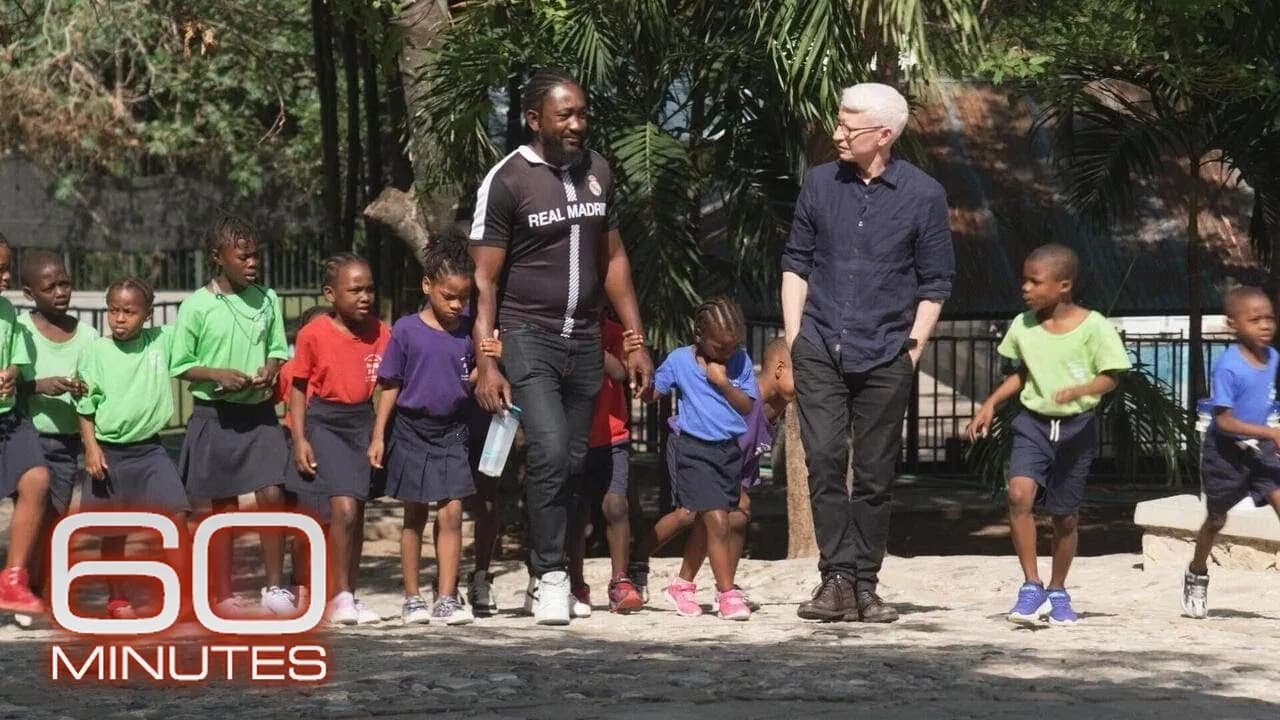
60 Minutes visited the College of Magic in Cape Town, South Africa, a non-accredited school that functions as a real-life Hogwarts. The school serves students aged 10 to 18 from diverse backgrounds, including both privilege and poverty. Students learn sleight of hand, juggling, ventriloquism, and card tricks, but the core teaching is rethinking the limits of possibility through magic as a superpower.
The campus features Gothic architecture with a diverse student body and core curriculum balanced with electives. Students must be both tacticians and technicians to master magic, requiring practice, application, and discipline. While students attend regular academic school during the week, they come to the College of Magic after school, on weekends, and during holidays. It takes 6 years to earn a diploma.
Sinethemba Bawuti is a teacher, graduate, and practicing magician who shows students the tricks of the trade. He explained that he wants to pursue magic as a career to put smiles on people's faces, make them happy, entertain them, and break ice, but it has become a way to support himself and feed his family. The school teaches honesty, humility, and respect, and Bawuti described it as a "college of life" rather than just a college of magic.
Dean and founder David Gore left his law practice 40 years ago to open the College of Magic in Cape Town. The school is the only institution of its kind devoted to wonder. Gore clarified that he doesn't see magic as deception but rather as illusion and wonderment. His encyclopedic knowledge of magic fills the halls with contraptions and memorabilia tracing the history of illusion.
Gore explained that people are interested in seeing a magician live because they are curious about how the laws of nature can be suspended. Magic offers a gateway to a world where gravity doesn't pull people to Earth and they can float upwards.
When 60 Minutes visited in July, students were preparing for the annual Children's Magic Festival. Students debated costume choices like wearing a turban for good luck during dress rehearsals.
Michael Barta has been teaching at the college for decades, focusing on teaching children how to use their hands. He teaches juggling and other manual skills. Barta believes magic is about both what you see and what you miss, developing skepticism and curiosity - two essential elements in education. He noted that the school creates a healthy skepticism mixed with wonder about how tricks are accomplished.
The school has always reflected a cross-section of South Africa, with students from wealthy suburbs and Cape Town's most impoverished townships. Duma Mkhorki lives in a tin shack with his grandmother and aunt, starting his day at dawn. His mother was murdered four years ago, and the shantytown where he lives is plagued by violence, drugs, and gangs. Duma described having to stay indoors due to gunshots and seeing people carrying guns and knives while robbing others.
The College of Magic saved Duma from getting involved in these activities by becoming an artist and learning to take care of himself. He views magic as art and notes that his bow tie attire draws attention in the townships.
Tuition costs $350 per year, which is unaffordable for most of the 130 students. The non-profit college raises funds for scholarships, and breakfast and lunch are included. Some students arrive malnourished and need feeding, while others are picked up by parents in fancy sports cars. This economic diversity is seen as an important part of nation-building and understanding how different young people live.
When questioned about teaching magic versus more practical skills like coding, the response emphasized that imaginative thinking is the most important skill in the 21st century. Since knowledge is freely available on the internet, the key is how people use that knowledge, and magic is considered the best subject for developing imagination.
15-year-old Nkanyezi Ntome is a rising star at the college. Four years ago, she had to beg her mother to allow her to enroll, as her mother thought she was crazy for wanting to become a magician. Many people in the townships associate magic with the occult or witchcraft. Nkanyezi's grandmother initially thought magic was "buloyi" (darkness/evil powers). Nkanyezi explains to people that magic is not black magic or dark spells, but rather involves secrets that require practice and mastery.
Milo Dreyer-Smith's mother had to convince him to enroll. Before attending, he was very shy and would hide behind his mother rather than dance in front of his siblings. His mother recognized he needed to develop "SI skills" (social intelligence), and the College of Magic was identified as the perfect place because it would help him get into a good high school through his talents while developing social skills.
Milo feels like being a magician makes him part of a secret society, comparing it to being a "secret agent of a big force." He refuses to reveal his tricks, calling questioners "dunderheads." However, his family has learned his tricks through watching him practice, though he's unsure if his sister can keep secrets.
Lulo Stofile, who calls himself "Lulo the Great," lives in a one-bedroom home with his father Shaun, mother Belinda, and little sister Lulu. Like Milo, Lulo was very shy before joining the College of Magic but transformed after enrollment. His parents see magic as both a tool to help Lulo overcome shyness and a potential path out of poverty. They encourage him to continue with magic and succeed in life, envisioning him becoming a famous magician.
At the Children's Magic Festival, there was an abundance of talent and wide-eyed wonder. Duma Mkhorki was among the showstoppers, bringing happiness to children and experiencing the great feeling of making others happy and expanding their sense of possibility and imagination. When asked how he performed tricks, he simply responded "It's magic."
The festival demonstrated the school's success in developing both performance skills and the ability to inspire wonder in audiences, fulfilling the institution's mission of using magic as a tool for personal transformation and community building across South Africa's diverse economic landscape.
Keep 60 Minutes in your library
Save the videos and channels worth coming back to, and find them again in one place.