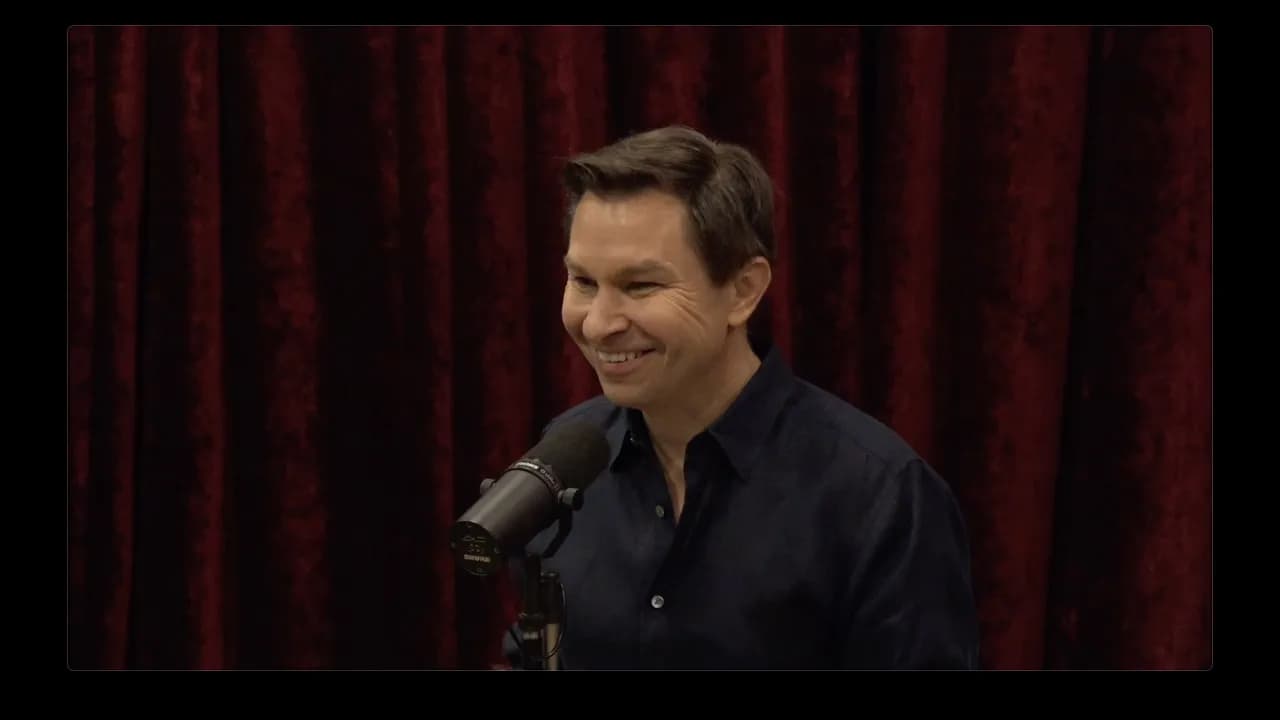
Restore Youthfulness & Vitality to the Aging Brain & Body | Dr. Tony Wyss-Coray
These notes were generated by AI and may contain inaccuracies.
For the first time we could take an old brain and give factors from a young organism and ask is that going to change the age of the brain and that's indeed what it did. Stem cells in the brain of these mice got reactivated, there was less inflammation, more activity that we can measure in the brain, and most importantly their memory function improved.
Welcome to the Huberman Lab podcast where we discuss science and science-based tools for everyday life. I'm Andrew Huberman, professor of neurobiology and ophthalmology at Stanford School of Medicine. My guest today is Dr. Tony Wyss-Coray, professor of neurology at Stanford School of Medicine and expert in identifying factors that can help prevent and reverse organ aging.
Today we discuss factors present in young blood and factors present in blood after exercise that have been shown to rejuvenate the brain and other tissues in older individuals. Dr. Wyss-Coray's lab discovered several proteins present in high amounts when young that circulate in the blood, diminish with age, and if supplied to the aged body and brain can reverse key features of aging including improved cognition, tissue recovery from stress, damage and more.
Aging is nonlinear, does not progress uniformly across the lifespan. Certain phases such as puberty, early 40s, and early 60s feature accelerated aging that then slows again. Different organs age at different rates and you can measure that.
Today's discussion covers real science of organ rejuvenation. We talk about role of sunlight, fasting, hormones, specific molecular approaches to improve vitality and health. We discuss exercise and social interactions in context of specific molecules they release into blood to promote health and how to leverage that information.
Tony Wyss-Coray is a pioneer due to rigor he applies. He develops tools for measuring and reversing aging.
This podcast is separate from my teaching and research roles at Stanford, part of effort to bring zero-cost science and science-related tools to the general public. Today's episode includes sponsors.
Dr. Tony Wyss-Coray, great to see another Stanford colleague. You're a true pioneer. Your work is first I heard of doing serious experiment taking blood from younger organism, putting into older organism, observing interesting things. Tell us about that experiment and what if anything has been done in humans to examine whether young blood can be a rejuvenation factor for the more mature body or brain.
We were not the first, but collaborated with person who in modern times used this model again: parabiosis, surgical model pairing old and young mouse allowing circulation exchange of blood from young to old. Colleague Tom Rando at Stanford used this to study aging of stem cells in muscle. Old muscle deteriorates and doesn't regenerate with age; pairing old mouse with young regenerated old muscle to look almost like young muscle. Observed effects in other tissues including brain, leading to collaboration exploring effects of young factors on brain.
Separate studies in humans tried to find blood signatures of Alzheimer's disease: saw proteins correlated or predictive of Alzheimer's, but most striking difference between younger and older people. Protein concentrations very different in young vs old. In biology, always ask: cause or effect? Do proteins change because they respond to brain aging, or do they drive brain aging?
Tom Rando's model allowed testing: take old brain, give factors from young organism, see if changes age of brain. It did: stem cells reactivated, less inflammation, more neuronal electrical activity, memory function improved.
To translate to humans, started company Alkahest to test if factors from blood of individuals influence aging of mouse brain. Took blood from young or old people, injected into mouse brain: young human blood mimicked effects of young mouse blood, similar factors present.
Collaborated with Grifols, company producing clinical medicines from plasma donation. They collect plasma from volunteers, isolate antibodies for immunocompromised patients or albumin (main blood protein) for blood loss. Tested different fractions: some more powerful than others in mice.
Started small clinical trials in Alzheimer's and Parkinson's patients, infusing fractions effective in mice: promising results. Related to observations that blood transfusions make people feel invigorated, mind cleared, improved.
Grifols ran blinded placebo-controlled study in 500 Alzheimer's patients: therapeutic plasma exchange (remove plasma), infuse back albumin (contains other factors), saw clear significant benefits.
Field figuring next steps, needs large clinical studies for FDA approval.
Have you done therapeutic plasma exchange? I haven't. Know people who have, some supported our research. Companies now offer it. Small placebo-controlled trial by Circulate Therapeutics in 40 healthy older people used epigenetic clocks to assess organ/body age: some organs looked younger, body overall younger, some functional improvements, not dramatic but suggesting potential.
Factors in blood could damage tissues from injury (heart attack, hip fracture). Young blood from healthy vigorous younger organisms devoid of that. Possible double dissociation: older age has micro-injuries; young blood counteracts bad stuff or supplies pro-youthful factors.
Do proteins in young blood inhibit damage-induced bad stuff or supply youthful factors? It's all of the above. With age, increase in many inflammatory proteins; identified some, neutralizing them in old mice improves cognition. Also active pro-growth factors stimulating cell activity, maintaining stem cells better.
Challenge: figure most important factors, smallest number for effect (cocktail). Blood is nature's cocktail, fountain of youth that dries out with age, but also accumulates bad stuff.
Tools in mice: look at every cell, see how old mouse cells respond to young blood. Almost every cell changes gene expression, but differently due to different receptors. Stem cells major targets. Mitochondria (energy producers in cells) key targets of rejuvenating effects. Makes sense based on aging field, stem cell maintenance.
Pinpointing factors challenging: almost need to go into organism, use CRISPR tools to knock out genes one by one. In past 10 years, individual factors described, but no good method to integrate multiple factors mimicking nature for amplified benefit.
Should I bank my blood? No need: young person blood has similar concentrations overall, beneficial even pooled from multiple individuals.
Is Dracula lore based on this? In retrospect, blood is essential fluid; bleed too much, you're dead. Maybe associated with age/youthfulness. Never fed mice young blood; factors would need absorption past stomach acid, nobody's done it.
Bloodletting thins blood; leeches release factors. Historical practices map to modern science.
Interested in organ-specific rates of aging. Blood infusion goes into general circulation; mainly focused on brain, but organs may differ in receptivity (brain has blood-brain barrier, gonads blood-gonad barrier).
Intuitively think organism ages as whole in synchrony, but research shows otherwise. Monica Driscoll first showed in worms some organs look more aged ultrastructurally. Now molecular tools at single-cell/organ level: organs/cells have different aging rates.
Harvest tissues from mice every weeks/months: trajectories show some stable long then decline, others decline from early adulthood, others maintain until death.
Compare individuals: organs don't age exactly same; one person heart ages faster than body, another lung or brain.
In humans, look at proteins: companies measure 3,000-11,000 proteins in drop of blood (real platforms). Large cohorts followed over 2+ decades with blood samples: profile to relate to diseases/aging.
Organ clocks: out of thousands of blood proteins, some originate from brain, lung, liver, heart. Clinically used handful for injury/loss of function; now look at thousands changing with age to estimate organ age.
For most people, organ ages in sync with body. But some have deviations: liver may age faster than rest of population/body.
The age gap is the difference between actual age and estimated age of an organ, a strong predictor of future disease risk in that organ. If the heart ages faster, higher risk of heart disease or heart attack. If kidneys age fast, higher risk of kidney disease. If brain ages faster, higher risk of Alzheimer's disease.
Test is commercially available through Vero Biosciences, started with Paul Keta. Mission: profile organ ages to eradicate chronic diseases, predict and intervene on fast-aging organs to delay aging and extend health span. Vero Compass combines biological signatures with clinical and wearable data to identify sensitive organs, recommend interventions, and monitor responses via repeated testing in a continuous loop. Interventions include medical treatments, lifestyle changes, exercise, diet tailored to needs, then retest organ age.
Can monitor impact of new medications like ADHD drugs or APOE-lowering treatments on organ ages. In complex diseases like Alzheimer's, different forms exist; current trials use all-comers too late. Better to use predictors for resolution, test drugs in specific risk profiles rather than everyone, as many beneficial drugs fail broadly or late-stage.
David Fagenbomb (MD, UPenn professor, Castleman's disease survivor) tried approved drugs, found combination keeping him alive 11 years post-death prognosis. His nonprofit Every Cure uses AI for resistant diseases, noting solutions may exist but fail in variable trials. Little incentive for drug companies on off-patent drugs.
No human intervention proven to extend lifespan. Many show benefits in animal models, including NMN and metabolites. Clinical studies show blood level increases but no effects on lifespan, frailty, or tangible outcomes. Not tested in healthy elders for aging/health span reduction. Only exercise and diets have proven effects.
Study from Singapore researcher: 10 NMN preparations, many lack label contents. Half of supplements inaccurate; NMN unstable, degrades quickly. Use third-party tested sources, within time frame.
Host takes NMN for pro-energy effect, faster hair/nail growth (anecdata, sister same).
Puberty: fastest aging phase, 2-year transformation via brain-initiated hormones (testosterone, estrogen, gonadotropins). Wellness space supplies these in adulthood (postmenopausal estrogen/testosterone, men testosterone, growth hormone) for vitality, energy, libido, exercise recovery, cognition. But growth hormone/IGF-1 decrease lifespan (large vs small dogs).
Balance between vitality and longevity unknown (antagonistic pleiotropy): good young, bad old. Humans exempt from evolution post-reproduction (~30-40 years historically, mostly infections). Nature cares post-sexual maturity only for offspring raising (to late teens). Weaker pressure for wisdom/knowledge.
Waves of aging in blood: first at ~35 years (men/women), dramatic concentration changes (some up, some down). Speculative link to evolutionary cutoff. Modern longevity (80+) from hygiene, antibiotics, blood pressure/heart meds.
Antibiotics lifesavers for brutal infections (e.g., near eye/brain).
Tom Rando: lifespan studies overlook vitality quality (hanging in vs strong/vital). No magic keeps everything together longer in humans.
Swedish study: more sunlight exposure correlates with longer life, even smokers vs non-smokers with low sun. Correlates with outdoor activity, fresh air.
Young blood transfusions restore vitality/longevity differently, possibly via growth factors like GDF11, IGF-1 (higher in young blood).
Saul Villeda (trainee): parabiosis experiments. Exercised young mice, injected blood into non-exercised mice: exercise brain benefits transmitted via blood (young-to-young; stronger young-to-old).
Exercise triggers liver-released factors to brain: clusterin (apolipoprotein J, binds lipids, coagulation/complement, synapse formation/remodeling). Recombinant clusterin mimics effects. Saul found GLDH. Caloric restriction plasma transfers benefits.
Organs communicate via blood factors (physiology). Exercise not just mechanical but releases beneficial brain factors.
Spark book (John Ratey): movement essential for brain plasticity (BDNF etc.). Sea creature eats own nervous system when settling; forced movement maintains brain via muscle/hormonal feedback signaling need for robust brain.
Thousands of studies: exercise beneficial cardiovascular and beyond. Resistance training popular; both cardio/resistance ideal.
Dr. Wyss-Coray: runs outdoors 2x/week (5-10k), Pilates mornings, likes sun.
Body degrades quickly post-injury, especially after 60; kids heal fast from cuts.
Immune system ages: shifts from specific to non-specific response with inflammation. Wounds: excessive inflammation, less healing. Aging: overproduced extracellular matrix proteins like collagens.
we also know from aging organisms that if you have a cut, there is more of um proteins in the extracellular matrix like collagens and things like
Cuts on the surface of the body may heal with a scar, but cuts inside the mouth, loaded with bacteria, warm, moist, and in contact with the outside world, heal with zero or much less scarring. There must be something in the mouth, possibly saliva, facilitating this. The rate of healing is fascinating despite abundant blood supply in areas like the nose and hands where scars still form. Babies' cuts often heal without trace, unlike in older people where scars persist for life.
Animal and human studies show factors in young blood promote rejuvenation for the brain and other tissues. The field focuses on healthspan, maintaining organ function until death—cognitively intact brain, functioning organs—rather than just extending lifespan, avoiding extra miserable years.
To establish causation, conduct physiological experiments in animal models to isolate individual factors, test rigorously, then proceed to blinded, large-scale human clinical trials to develop drugs.
Klotho (K L O T H O), a protein with beneficial effects on multiple organs, is being advanced into human trials by companies. Other factors or inhibitors of detrimental ones may reach clinical trials in 5-10 years. No single miracle factor exists; young blood studies show multiple factors targeting different pathways, cell types, and tissues. Treatments may need to be organ-specific to optimize function until age 100.
People are already taking Klotho and GDF11 ahead of the curve, often from clinics in Mexico, Central, and South America.
Cautionary Tale on Unregulated Treatments
A medical doctor friend with back pain went to a stem cell clinic in Mexico for spinal disc injection. Neurosurgeons state discs cannot accept direct cellular injections. He developed an egg-sized infection causing paralysis. Airlifted to a US clinic, he was told to sever his spinal cord, but another clinic excised the infection, restoring mobility. Regulations outside the US are less stringent; stem cell injections are dangerous without rigorous testing.
No rigorously tested stem cell treatments exist. Mouse studies do not translate directly to humans. Be extremely cautious with anything not prescribed by a trusted clinician.
PRP is FDA-approved, used in fertility treatments (ovary injections), shoulders, knees. It contains no stem cells but platelets full of growth factors and granules aiding wound healing. Beneficial for sports injuries; derived from one's own blood, concentrated to release massive growth factors. Reports of positive effects exist.
Exosomes are little packages (vesicles) released by cells, containing proteins, RNA, lipids, metabolites. Cancer cells and immune cells release them actively; found in large numbers in blood, purified from there. Different cells carry different cargo; they deliver information between cells. Emerging field for treatments and diagnostics (e.g., organ/tumor info). Some blood proteins are measured inside exosomes.
Smoking, especially nicotine, damages DNA, increases inflammation, shortens life. Low-level DNA damage from EMFs: Low levels from tech unlikely acutely damaging, but cumulative possible, like occasional dental X-rays vs. daily technician exposure.
Uncertain long-term effects of chemicals in food, plastics (e.g., hot drinks from plastic cups). No measurable lifespan impact yet, but accumulation or combinations could be detrimental. Avoid plastics, BPA in cans where possible, but obsession can paralyze.
Growing up in clean environments like Switzerland (drinkable lake/fountain water, fresh foods without dyes/preservatives, whole foods culture) vs. modern processed American diets may have effects, though unknown. No smoking gun on food dyes.
Organic vs. Non-Organic
Organic spending worthwhile, but differences minimal; taste varies, local farms ideal. A physician's son (Dr. Teo Soleymani's son) school project found no significant pesticide/contaminant differences in tested batches—reassuring for affordability. Home-growing or local farms cleaner. Highest endocrine disruptors in rural crop-spraying areas, linked to cancer, endocrine disruption, Parkinson's—not just cities.
Studies in worms, mice, monkeys (mixed in humans) show subcaloric intake or intermittent fasting extends life. No standard definition of intermittent fasting; mouse studies hard to translate (different lifespan, rhythms, environment). No clear human clinical benefits; some monkey studies show detriment (worse kidney function).
Animal studies activate diverse beneficial pathways: reduced inflammation, improved energy metabolism, protein turnover, garbage clearance, less oxidative damage (like a less intense fire causing less damage).
Walter Longo's diet: 5 days ketogenic (fat-rich), ~1000 calories/day, then normal. Shifts metabolism to fat-burning, increases alertness (evolutionary sense for starvation). Tried a few times.
Longer fasts (3-4 days water/electrolytes/ketones) in overweight people reset appetite/gut microbiome, changing food preferences.
Daily ~14-hour fast (caffeine/electrolytes/water until 10-11am, eat by 7pm) triggers metabolic shifts vs. constant snacking (not evolutionary norm). Body adapted to periodic starvation.
Public health wins: Matt Walker's Why We Sleep raised awareness of sleep's importance (individual needs vary; 6-7 hours + naps sufficient for some); exercise (cardio + resistance).
Sleep enables glymphatic clearance of junk from tissues, especially brain. CSF composition changes dramatically with age. Experiment: Infuse young mouse CSF into old mice over a month via pump—regenerated brain, improved cognition. Oligodendrocytes (myelin producers around neuron connections) most strongly targeted.
Would be interesting to compare lymph/glymph from young/old animals; debris from extracellular space not picked up by blood (ammonia, cellular fragments). Interstitial fluid collection via artificial CSF infusion also studied.
Mass spectrometry washes out background noise to detect proteins like neurotransmitters and beta-amyloid deposits in the brain. Studies measure thousands of proteins in human CSF from young and old individuals to identify those correlating with cognitive function, resilience, or decline. In an unbiased analysis across individuals, top proteins positively or negatively correlating with cognition are synaptic proteins. A ratio of the protein that goes up most (neurogranin) and the one that goes down most (VAMP2) strongly predicts cognitive resilience or decline. This ratio degrades continuously from early adulthood, with prominent risk prediction between top and bottom quartiles based on 3,000 individuals with CSF data. The prediction is independent of pathological markers, including across Alzheimer's disease stages. Synaptic protein changes both reflect and drive cognitive changes.
Correlative studies show pole vaulters, gymnasts, high jumpers, and sprinters (fast-twitch muscle athletes) gain 5-8 years average longevity over age-matched cohorts, even compared to other highly trained athletes. Different exercises produce distinct blood profiles due to lifestyle differences. Feedback signals from explosive muscle activity may supply the brain with factors promoting neuron health, oligodendrocyte proliferation, and myelin for fast signal transmission. Exercise quality matters for healthspan and quality of life beyond generic recommendations.
John Long at Stanford identified lactyl-L-carnitine, a lactate-conjugated amino acid that spikes with extreme bursts of muscle activity in sprinter dogs, racehorses, and human sprinters. This compound benefits animals, mediates exercise effects, and has an identified receptor, opening exciting research directions. Different exercise forms have distinct effects; all are better than none, but individuals may benefit differently from specific types. Rigorous clinical studies are challenging due to lack of blinding and psychological factors like enjoyment.
Rodents love voluntary wheel running, gaining benefits like reduced blood pressure and improved lipids despite transient inflammation. Genetically identical rodents forced to run (tethered to a trapped runner) show long-term increases in blood pressure, stress markers, and hippocampal memory deficits from rewiring. Choice and enjoyment critically influence outcomes; treadmill running indoors vs. outdoors exemplifies this.
Stanford neurosurgeon Joe Parvizi found stimulating the anterior mid-cingulate cortex evokes feelings of impending pressure and motivation. This structure grows in people succeeding at dieting, challenging exercise, or cognitive tasks. Electing to do disliked but challenging activities yields double benefits. High-intensity interval training example: 7 minutes on AirDyne bike with 20-30s hard efforts and 10s rests pushes mental limits but feels great after.
Jill Livingston and others show lifestyle dramatically influences dementia and Alzheimer's risk. Optimize factors like avoiding poverty, childhood obesity, low education, smoking, excessive alcohol to substantially lower risk, confirmed by countless studies.
No strong evidence that cognitive exercises like crosswords benefit those with impairment. Benefits likely depend on individual predisposition and enjoyment, similar to physical exercise. Challenging, elected activities are key. Handwriting supports brain circuit development, vital as digital habits reduce it. Use it or lose it applies to neural control of muscles and cognition. Personal practice: read at least one page or chapter of a book daily with phone away for deep satisfaction.
Swiss have high caffeine intake, eat chocolate and cheese daily. Dark chocolate (high polyphenols) after lunch with coffee stimulates brain and boosts happiness. Raw or roasted cacao beans provide a bitter punch.
Owns a winery. Pure alcohol harms the body, but wine benefits stem from social contexts like sharing meals. Centenarian studies highlight social community as common. Data show zero alcohol optimal; 2 drinks/week upper limit for non-alcoholic adults. US lacks healthy food/drinking traditions (apple pie, fries, burgers, hot dogs, pizza, beer/spirits culture of excess/volume). European traditions emphasize nourishment and connection. Moderation is key: any food or drink in excess harms; variety and not getting drunk daily matter.
Vigorous inhales raise heart rate; extended exhales lower it via respiratory sinus arrhythmia. Practices like qigong or tai chi improve circulation, nutrient delivery to brain. Aging and cognitive decline correlate with becoming mouth breathers, impairing brain oxygenation (cause or effect unclear). Exercise boosts breathing rate and healthspan; deliberate deep breathing at any age merits study for blood chemistry changes.
Pre-post blood analysis after breathing exercises tests causality. David Spiegel and breathwork study done but not on blood chemistry. Zero-cost, mechanistic data needed beyond confounders in qigong/tai chi longevity (outdoors, movement, social).
Healthspan field needs specific tools beyond generic advice (exercise, sleep, nutrition, social, sunlight, no smoking/excess). Vero provides tailored interventions: e.g., exact exercise for accelerated heart aging based on studies showing reversal. Now live in small clinics, expanding.
Uses Garmin for steps and sleep (deep sleep tracking useful). Wearables evolved from bulky prototypes (2005-2010 postdoc era) to single devices like rings.
Future eyeglasses frames could measure daily photon intake for sufficient sunlight. Dark glasses all day harm brain/mental health. UK study (80,000+ subjects): brighter days (ideally sunlight) and darker nights reduce all mental health conditions; artificial day light insufficient, night light excessive. Southern Europeans happier with food, sitting together; northern seriousness/depression noted (Danish relatives cheerful exception). Individual susceptibility to night artificial light varies; some need dimming or short-wavelength blocking glasses (even red) to avoid cortisol/sleep disruption.
Individual sensitivity to light at night varies; some people are very sensitive, disrupting sleep, others less so. Growing up in Switzerland with short winter days and fog made mornings hard; California’s constant sun makes starting the day easier. Love the sun. For those without enough sunlight, 10,000 lux artificial light in kitchen or bathroom upon waking helps offset seasonal depression. No need to stare at it or spend much time. Provides morning cortisol spike, activates catecholamines like dopamine. Power of light over mood and metabolism is huge.
Pre-print coming out later this week: extending organ age models to estimate age of specific cells in body. Using technology measuring thousands of proteins, assigned proteins to 40 different cell types for estimates of specific cell type ages.
ALS and Muscle Cell Aging
In neurodegenerative diseases, examined cell type ages. In ALS (amyotrophic lateral sclerosis, Lou Gehrig's disease in US), devastating muscle weakness progressing quickly to death. Striking finding: enrichment in extremely old skeletal muscle cells and cardiomyocytes (heart muscle cells). Strong association.
In UK Biobank longitudinal study (20-year follow-up), blood from healthy entrants; ~250 developed ALS over 15 years. Strongly increased risk if extremely old muscle cells present. Finer resolution gives more predictive power for disease type, pinpoints molecular/cellular problems.
Astrocytes and Alzheimer's
Astrocytes in brain show very strong association with Alzheimer's development, stronger than overall brain age. Especially with genetic risk factors.
Ultimate goal: build map of human proteome across genetic diseases. For ~6-7,000 monogenic diseases (single genetic mutation causes childhood or adult disease), profile plasma proteins in affected individuals vs. healthy. Across hundreds of diseases, reveals body’s response to specific gene disruptions.
For unknown cause diseases, match patterns to genetic ones—like knocking out genes in worms/flies, but using human data from volunteer repositories. Examined 25 genetic diseases already; found specific patterns. Make publicly available so researchers query protein changes across diseases, relations, biological pathways.
Driven researcher advancing field. Brought rigor to blood factors/youth correlation therapeutics amid Dracula sensationalism. Measures multiple blood factors rigorously. Organ aging measurement is tremendous technology.
Thanks for educating on health, healthspan, youthfulness-aging relationship, ameliorating healthspan degradation. Developing life-changing tools.
Come back and tell us about other discoveries; will buy bottle of wine from your vineyard(s) and gift it.
Check show notes for work, resource links. Subscribe to YouTube (zero-cost support). Follow on Spotify/Apple; leave 5-star reviews, comments.
Check sponsors. Questions/comments/topics: YouTube comments (reads all).
New book: Protocols: An Operating Manual for the Human Body (first book, >5 years work, >30 years research/experience). Protocols for sleep, exercise, stress, focus, motivation with scientific substantiation. Pre-sale at protocolsbook.com.
Follow Huberman Lab on Instagram, X, Threads, Facebook, LinkedIn for science/tools (some podcast overlap, much distinct).
Neural Network Newsletter: zero-cost monthly with podcast summaries, 1-3 page PDFs (sleep optimization, dopamine, cold exposure, foundational fitness: cardio/resistance). hubermanlab.com > menu > newsletter (no email sharing).
Keep Andrew Huberman in your library
Save the videos and channels worth coming back to, and find them again in one place.