So Called "Normal Labs" are NOT Healthy
In a Nutshell
"Normal" blood test ranges reflect an average, metabolically unhealthy population, not optimal health—e.g., fasting insulin ideally 2-6 μU/mL (not 12), CRP <1 mg/L, vitamin D 50-70 ng/mL, and use HOMA-IR or saliva cortisol for early insulin resistance and stress detection. Standard tests miss issues like Pattern B small dense LDL (carb-induced, pathogenic), vitamin D resistance (check PTH), tissue mineral deficiencies, and dawn phenomenon (fix with low-carb + fasting). Demand specialized tests (MMA for B12, advanced lipid panels) and prioritize low-carb diets, omega-3s, sleep, and avoiding seed oils/sugar to achieve true health beyond "average."
These notes were generated by AI and may contain inaccuracies.
"Your labs are normal" is the most dangerous phrase in modern medicine. "Normal" doesn't mean disease-free; it means average. In a metabolically sick population, average means you're probably sick too. Patients with weight issues, hair loss, skin problems come in with "normal" blood values. Some are told "it's all in your head," which is a wrong diagnosis.
Blood values follow a bell curve. Reference "normal" ranges cut out the low and high ends. As the population gets sicker and fatter, ranges shift from that group.
Changes in Diagnostic Thresholds
- 1997: Fasting glucose changed from 140 to 126 mg/dL. Overnight, 1.4 million people diagnosed with diabetes.
- 2003: Pre-diabetes changed from 110 to 100 mg/dL. Overnight, 41 million diagnosed with pre-diabetes.
- Early 1980s: Similar change for cholesterol, making millions have "high" cholesterol.
- Vitamin D: RDA set at 600 IU to prevent rickets at 20 ng/mL, but true amount needed is 8,895 IU daily. Error never corrected; some doctors call high doses toxic.
Trends in diabetes problems align with these changes, not just more sugar consumption.
Vitamin D level of 20 ng/mL or less is severe deficiency, causing symptoms. 20 ng/mL is the minimum to prevent rickets.
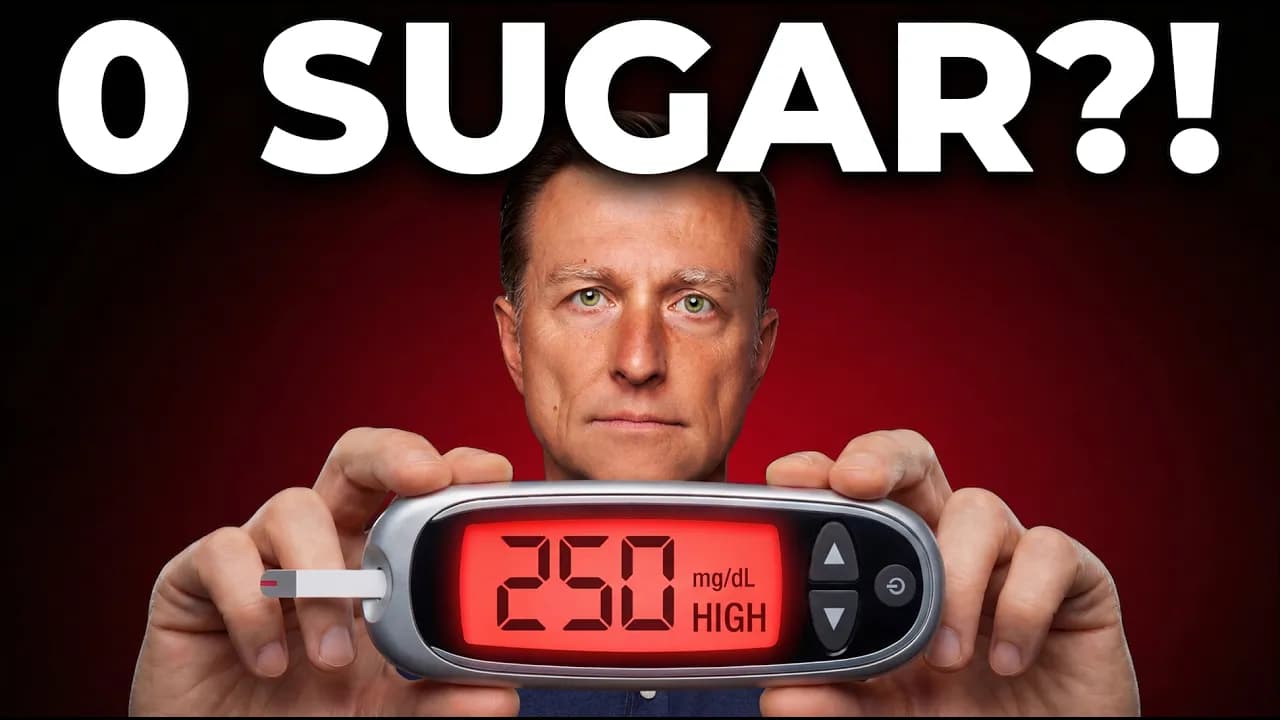
Fasting glucose is tested, but insulin rarely. Perfect glucose can hide major insulin problems; pancreas is "screaming" 15-20 years before glucose elevates.
Fasting insulin measures pancreas effort to remove sugar from blood (normally ~1 teaspoon total). Average person consumes 50-100 teaspoons sugar daily, so insulin works overtime, keeping glucose normal.
Ideal fasting insulin: 2-6 μU/mL. 8 = concerned; 10-12 = high risk for insulin resistance, pre-diabetes, diabetes. Some doctors call 12 "normal"—it's not.
HOMA-IR calculates from fasting insulin and glucose to detect insulin resistance (diabetes precursor). Shows how glucose and insulin interact.
Process: Eat carbs → blood glucose rises → insulin pulls it out → repeated stress → insulin resistance (insulin toxic) → pancreas overproduces → burnout → pre-diabetes/diabetes (15-20 years later). Fasting insulin or HOMA-IR catches it early; doctors ignore.
A1C is a 3-month average blood sugar (like dashboard cam). Accounts for spikes, e.g., healthy weekdays but carb-heavy weekends lower average. Measures red blood cell exposure to glucose.
Dawn Phenomenon
Morning high blood sugar without recent carbs due to high cortisol mobilizing sugar or insulin-resistant liver making glucose from non-sugar sources. In severe cases, 80% of blood sugar from liver.
Fix: Low-carb diet + intermittent fasting corrects in months. Stick until morning readings normalize. Morning walk burns sugar.
Blood tests for potassium, magnesium, selenium, zinc show "normal" because minerals are in tissues (blood has 1-2%). Specialized tests needed (in description).
Magnesium example: Blood normal, but cells deficient.
Blood B12 measures active + inactive forms. Better: MMA test or homocysteine (in description).
Inflammatory marker. Ideal: <1 mg/L, close to zero. Below 3 is not fine—indicates inflammation. Average 1.8 is low-grade inflammatory state.
Improve:
- Avoid seed oils, sugar, refined carbs, junk food.
- Reduce visceral fat.
- Better sleep.
- Omega-3s (e.g., cod liver oil).
"I don't want to be average. I want to be healthy."
Body makes cholesterol; high levels ≠ disease. Low-carb diets raise it via fat mobilization.
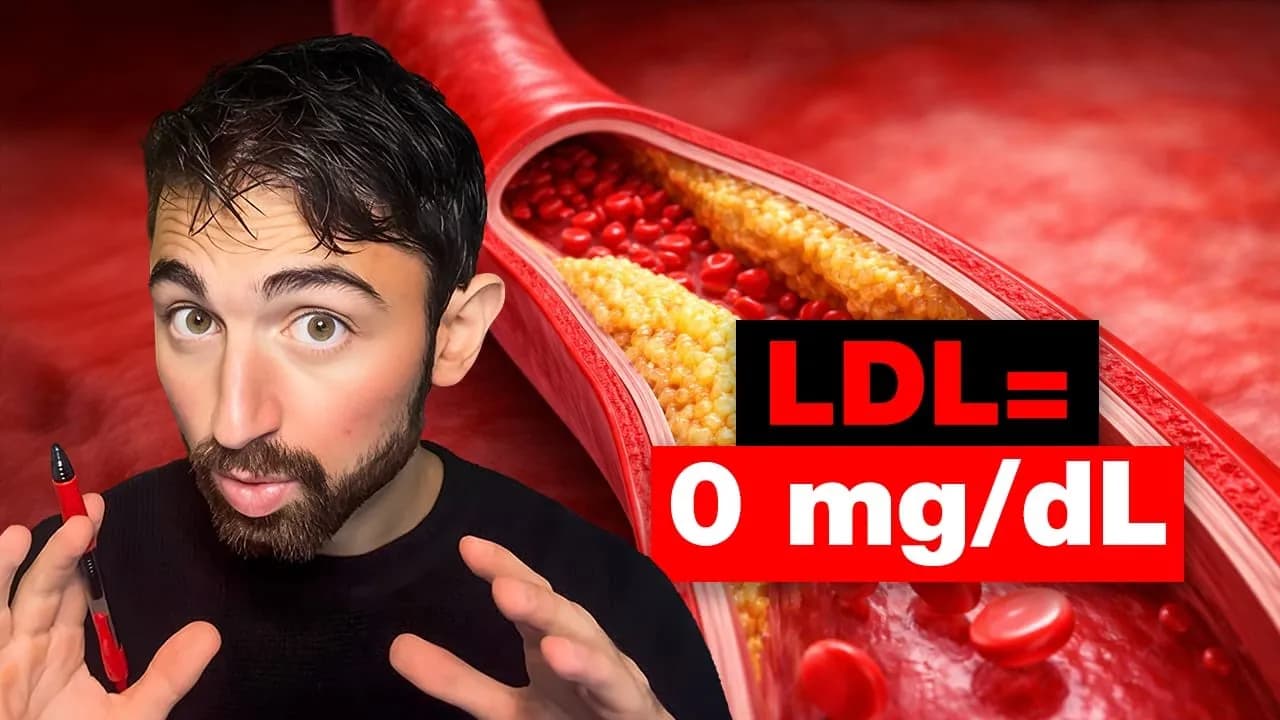
Cholesterol carried in particles (not floating). LDL delivers to tissues.
Two LDL Types (Need Specialized Lipid Profile)
- Pattern A: Large, buoyant, non-pathogenic (low-carb associated, doesn't invade arteries).
- Pattern B: Small, dense, pathogenic (invades arteries, inflammation, heart disease risk; carb-associated).
Low-carb → more Pattern A; high-carb → more Pattern B.
Blood cortisol at one time misses the wave. Better: Saliva cortisol (morning, noon, evening, night).
Indirect: Heart rate variability (HRV) via watches, bands, rings (measures autonomic nervous system).
Blood tests inactive vitamin D; misses cellular active form. Many have vitamin D resistance (normal blood, deficient cells).
Test parathyroid hormone (PTH): Normal vitamin D + high PTH = resistance (PTH compensating). Normal PTH + normal vitamin D = good penetration.
Ideal vitamin D: 50-70 ng/mL; higher for therapeutic fixes. 20 ng/mL too low.
Watch video on LDL for details. Search "Dr. Berg supplements" on Amazon.
Keep Dr. Eric Berg DC in your library
Save the videos and channels worth coming back to, and find them again in one place.