The #1 Mistake that You Are Making with Supplements
In a Nutshell
The #1 mistake with supplements is using RDA doses that only prevent deficiency diseases, when therapeutic results require much higher amounts—such as 10,000 IU vitamin D3, 1,000–10,000 mg vitamin C, or 800–1,600 mg magnesium—plus proper forms and co-factors. Ignoring nutrient synergies (vitamin D needs K2, magnesium, zinc, boron, and vitamin A) and timing wastes money and blocks benefits. Supplements also fail without fixing the underlying diet and choosing absorbable forms over synthetics.
These notes were generated by AI and may contain inaccuracies.
The number one mistake people make with supplements is wasting money because they are taking the wrong amounts, wrong forms, or ignoring absorption factors. Many supplements fail not because they do not work, but because people make simple mistakes with dosage, timing, co-factors, and quality.
Labels on supplements are based on RDA values. The RDA is the bare minimum survival dosage to prevent major deficiency diseases, not the amount needed to correct deficiencies or create therapeutic effects.
RDA for vitamin D3 is 600-800 IU, designed only to prevent rickets in children. The average person needs at least 10,000 IU of vitamin D3 daily to maintain good blood levels. For autoimmune conditions or chronic inflammation, 50,000-100,000 IU may be needed. Thirty minutes of summer sun exposure produces at least 10,000 IU naturally.
RDA for vitamin C is 90 mg, which only prevents scurvy. Therapeutic doses used by some doctors range from 1,000-10,000 mg daily.
RDA for B1 is 1.2 mg. Therapeutic needs range from 50-600 mg daily, especially for mitochondrial energy production. Higher carbohydrate intake increases B1 requirements. Natural forms are recommended over synthetic versions. B1 is therapeutic for nervous system issues and anxiety.
RDA for iodine is 150 mcg. Therapeutic ranges are 500-3,000 mcg. Iodine helps regulate estrogen and resolves fibrocystic breast tissue within weeks.
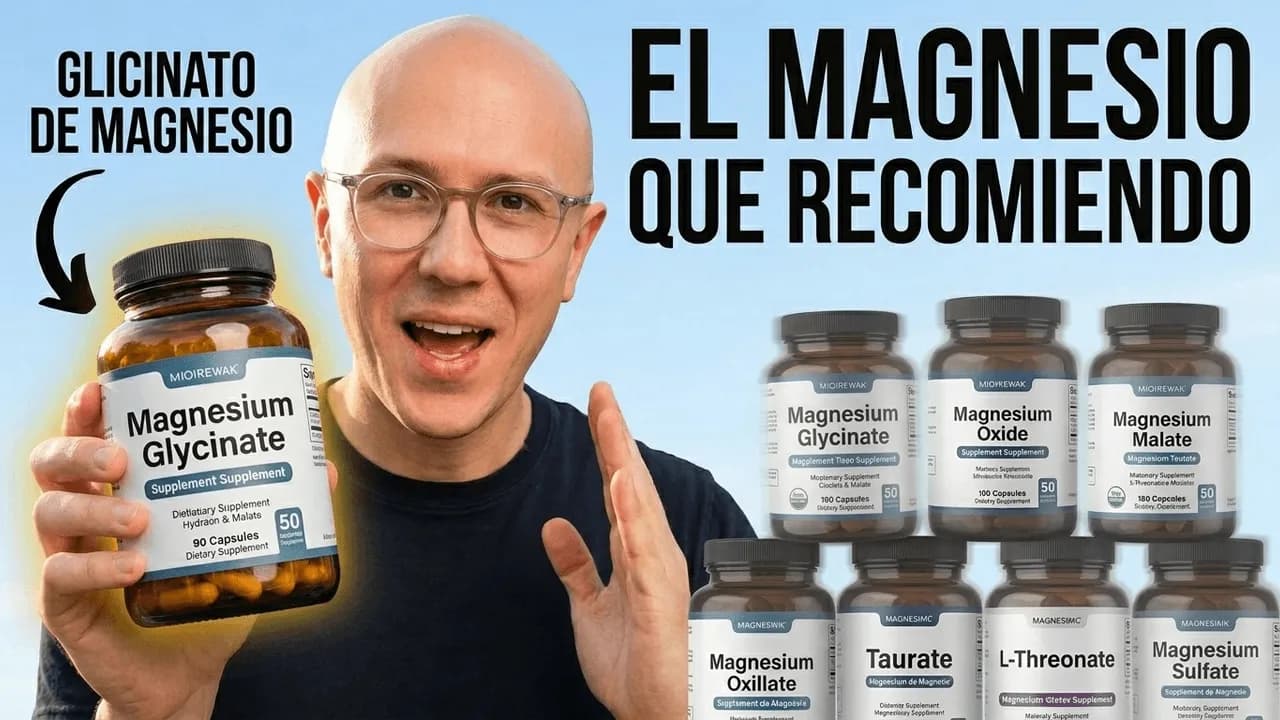
RDA for magnesium is 310-420 mg, calculated for women weighing 130 lbs and men weighing 160 lbs. For a 195 lb person, the recalculated RDA would be 600 mg. Therapeutic doses range from 800-1,600 mg daily. Most people are deficient due to poor food sources and absorption barriers.
RDA for zinc is 8-11 mg. Most people need 25-50 mg. Zinc supports testosterone production, taste and smell function, and immune system health.
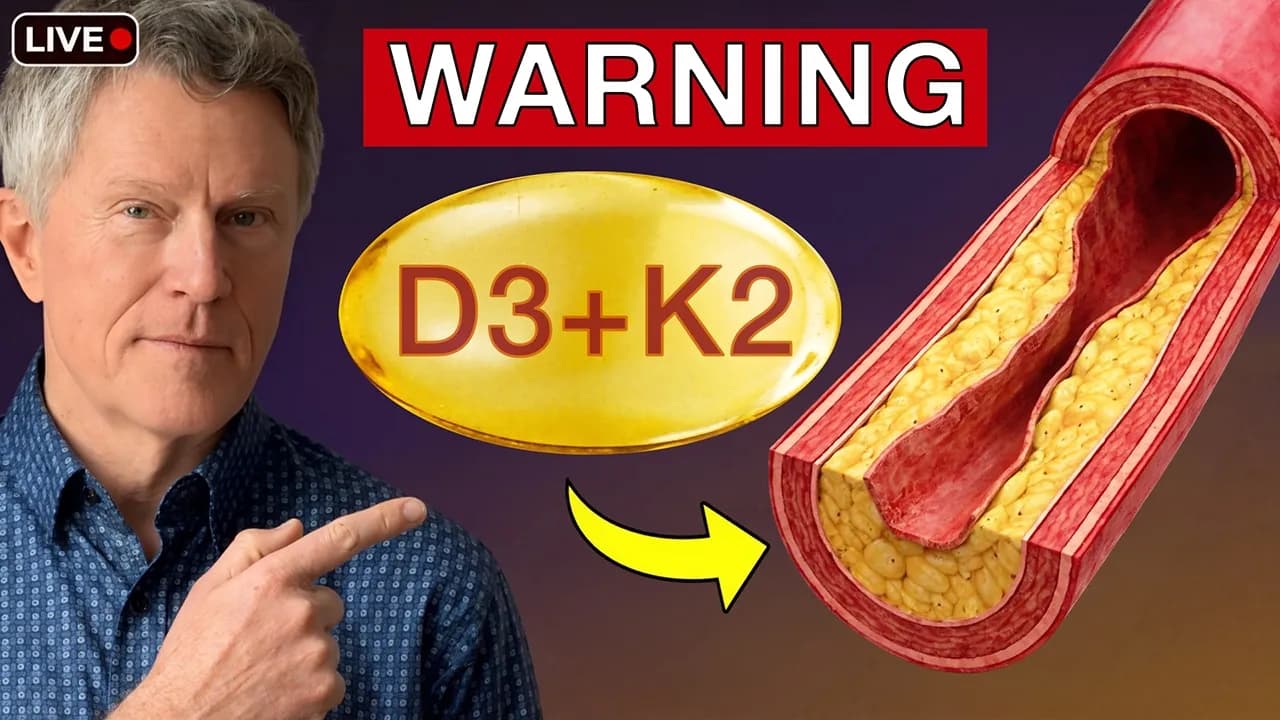
Vitamin K2 has no established RDA. The MK7 form is recommended. Daily maintenance requires 200-400 mcg. For therapeutic effects such as osteoporosis treatment, 45 mg may be used. K2 directs calcium from soft tissues into bones and teeth.
RDA for B12 is 2.4 mcg. Therapeutic needs are 1,000-2,000 mcg. The natural methylcobalamin form is preferred over synthetic versions.
RDA for omega-3s is 1.1-1.6 grams. To counter high omega-6 intake from seed oils, 3-5 grams daily are needed. Higher doses are therapeutic for arthritis and autoimmune inflammation.
RDA for selenium is 55 mcg. Therapeutic doses range from 200-400 mcg for immune support, glutathione production, and thyroid function. Selenium is required for T4 to T3 conversion and is critical in hypothyroidism.
Supplements are wasted if the underlying diet is poor. A bad diet increases nutrient requirements and overrides supplement benefits. Blood sugar problems caused by poor diet can negate the effects of supplements.
Vitamins and minerals function as co-factors in biochemical reactions and work in complexes in nature, not in isolation.
Vitamin D requires vitamin K2, magnesium, zinc, B6, boron, and vitamin A to function properly. Magnesium is essential for vitamin D3 activation.
Zinc requires copper. B12 works with folate. B1 requires magnesium. Vitamin K2 requires magnesium. CoQ10 works with vitamin E and selenium. Vitamin A requires zinc. Vitamin E requires selenium.
Beta-carotene is only a precursor to active retinol and converts poorly. Synthetic vitamin A is not recommended. Best sources are egg yolks, cod liver oil, and liver.
Tocotrienols are more powerful than tocopherols for many conditions. Brazil nuts are an excellent food source of selenium.
Calcium supplements should always be paired with vitamin K2. Calcium carbonate is essentially limestone and is not recommended. Most people should avoid calcium supplements unless severely osteoporotic; bone-building supplements containing actual bone are preferred.
B vitamins and iodine should be taken in the morning because they increase energy. Potassium is best taken earlier in the day as it promotes fluid release and energy. Fat-soluble nutrients (vitamins A, D, E, K, omega-3s, CoQ10, phytonutrients) should be taken at lunch with a meal containing fat for proper absorption. Magnesium glycinate is best taken after dinner to support GABA, lower cortisol, and aid wind-down.
Most synthetic vitamins are manufactured from materials originating in China by major chemical companies. Many contain maltodextrin fillers detectable by mixing powder with water and iodine (turns dark purple if starch is present).
Recommended synthetic exceptions include benfotiamine (fat-soluble B1) for peripheral neuropathy and TUDCA (synthetic bile salt) for bile flow issues.
Magnesium oxide has only 3-4% absorption and causes laxative effects. Magnesium glycinate is preferred for higher absorption. Calcium carbonate is not recommended. B12 should be taken as methylcobalamin, not cyanocobalamin. Folate should be taken as methylfolate, not folic acid. B6 should be taken as P5P rather than pyridoxine HCl. Iron supplements are not recommended; iron accumulates in the body and can feed microbes, promote arthritis, and irritate the liver. Preferred iron sources are liver supplements, liver, or red meat.
Keep Dr. Eric Berg DC in your library
Save the videos and channels worth coming back to, and find them again in one place.