Why Your Blood Sugar Is Still High By Morning
In a Nutshell
A 10-minute post-dinner walk, sleeping in a 66–68°F room, front-loading water intake by mid-afternoon, and taking 1–2 tbsp apple cider vinegar before bed each independently lower overnight blood sugar and improve insulin sensitivity. Together they reduce the post-meal glucose spike, activate brown-fat glucose burning, support efficient kidney clearance, and slow glucose absorption. Use these tactics alongside prescribed medications; seek immediate medical care if fasting glucose exceeds 200 mg/dL or acute symptoms appear.
These notes were generated by AI and may contain inaccuracies.
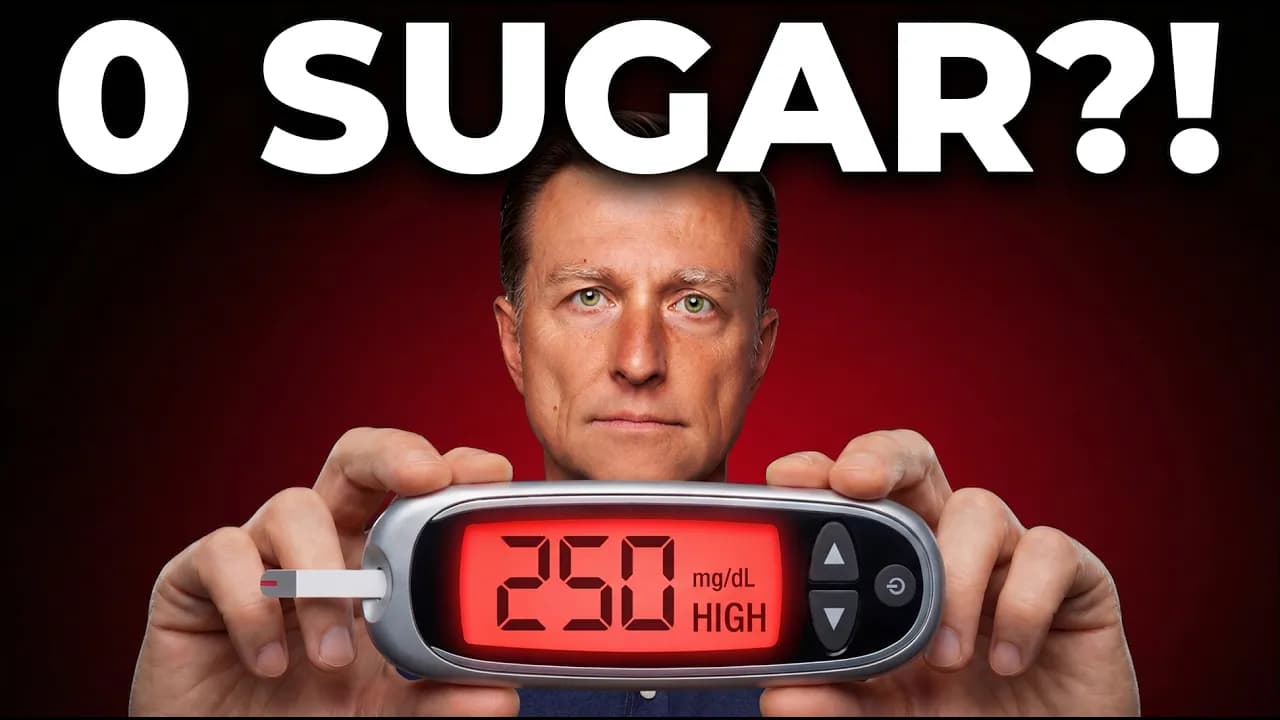
Blood sugar can be too high, whether a doctor mentioned it or you felt symptoms like afternoon crashes, stubborn belly fat, and waking up tired. During sleep, the body enters repair mode where the liver pulls extra sugar from blood for safe storage. Cells also improve insulin responsiveness while sleeping. Many people accidentally block these processes every night without realizing it.
Four simple tactics can help the body function as designed, potentially improving morning blood sugar readings as soon as tomorrow. This is for educational purposes only—consult a physician before making health changes.
A 10-minute walk after dinner is the most powerful intervention for lowering blood sugar tonight. When eating, sugar enters the bloodstream and peaks 30-60 minutes after finishing. Without movement, insulin must push this sugar elsewhere.
Muscle cells have GLUT4 transporters—little doors that open when you move, allowing blood sugar to enter without needing insulin. A 10-minute walk 20-30 minutes after dinner significantly reduces the post-meal blood sugar spike. Research shows post-meal walking lowers blood sugar more than walking at any other time of day.
When the spike is smaller, the liver handles a gentle stream overnight rather than a flood of sugar. Dinner matters more than other meals for overnight blood sugar because it has the least built-in movement afterward.
Room temperature directly affects overnight blood sugar. The body has two fat types: white fat (stores energy) and brown fat (burns energy to generate heat). Cooler rooms activate brown fat, which burns glucose for fuel while sleeping.
Research published in a major diabetes journal found people sleeping at 66-68°F had better overnight blood sugar metabolism and insulin sensitivity the next morning compared to those in mid-70s rooms. This tactic is completely passive—set the thermostat lower about an hour before bed and the body handles the rest.
Timing of water intake matters as much as quantity. Kidneys filter blood and push excess sugar into urine, but need adequate water to function. Without enough water, kidneys slow down and cannot flush out as much sugar.
The common mistake is drinking most water in the evening to compensate for daytime shortfall. Late water loads cause multiple bathroom awakenings, and broken sleep worsens blood sugar control the next day.
The solution is drinking most water from waking until mid-afternoon. By 2-3 hours before bedtime, kidneys have what they need. Sleep remains undisturbed and morning blood sugars reflect this improvement within a week.
Multiple controlled trials show taking apple cider vinegar before the last meal or shortly before bed meaningfully lowers fasting blood sugar the next morning. It works through two pathways:
- The acetic acid slows stomach emptying, so sugar enters the bloodstream more slowly, creating smaller spikes
- The acid directly improves how cells respond to insulin, helping the key work better so more sugar enters cells instead of staying in blood
Take 1-2 tablespoons in 8 ounces of water shortly before the last meal or before bed. Always dilute it to protect tooth enamel and throat. Apple cider vinegar capsules work equally well if taste is an issue.
Each tactic works independently, but together they address the same goal from different directions:
- Post-dinner walk lowers the initial blood sugar spike
- Cool room activates brown fat to burn glucose overnight
- Front-loaded hydration enables efficient kidney function without sleep disruption
- Apple cider vinegar slows sugar absorption and improves insulin sensitivity
For those taking diabetes or pre-diabetes medication, these tactics work on pathways separate from and complementary to medications like SGLT-2 inhibitors (Jardiance, Farxiga, Invokana). Continue prescribed medications and add these tactics on top. Never stop medication without physician consultation.
Morning blood sugar consistently above 200 mg/dL or any reading above 300 requires physician evaluation, not just lifestyle changes. Symptoms like extreme thirst, frequent urination, blurry vision, or unexplained weight loss need immediate medical attention. Those on insulin should consult their doctor before changing evening routines, as doses may need adjustment.
Morning blood sugar is one of the most important metabolic health indicators. These four research-backed, low-cost tactics can improve this number starting tomorrow morning.
Keep Kabir Harricharan Singh, MD in your library
Save the videos and channels worth coming back to, and find them again in one place.