The Cardiovascular Benefits of Olive Oil
In a Nutshell
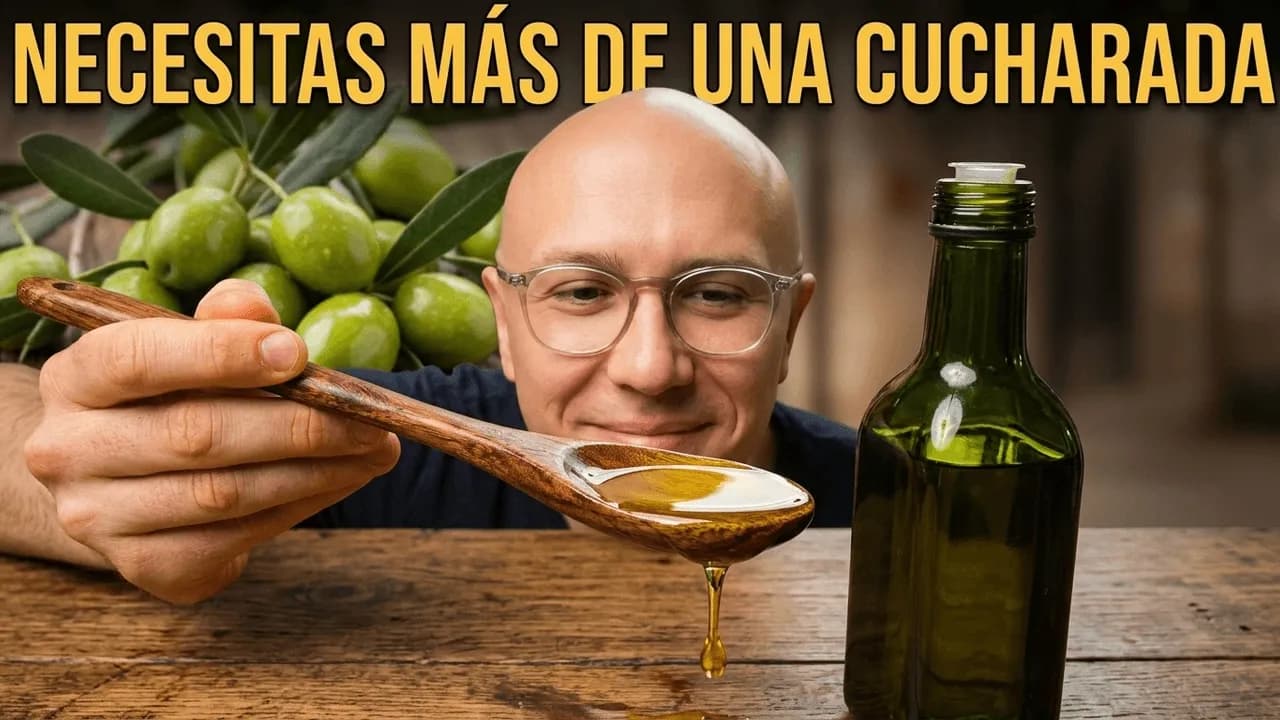
Extra virgin olive oil reduces cardiovascular risk through polyphenols like hydroxytyrosol and oleocanthal, which scavenge reactive oxygen species, boost endogenous antioxidants via NRF2 activation, and block COX enzymes like NSAIDs. Large trials (PREDIMED, CORDIOPREV) show 28-30% relative risk reduction in heart events with daily intake of one liter weekly, outperforming statin primary prevention. High-polyphenol varieties (>250 mg/kg) deliver benefits at lower doses (1 tbsp daily), while refined olive oil lacks these protective compounds.
These notes were generated by AI and may contain inaccuracies.
Dr. Jimnardis from Aristotle Education and Galen Foundation discusses extra virgin olive oil and its cardiovascular benefits. Extra virgin olive oil contains polyphenols, the green compounds that give it its distinctive smell, distinguishing it from refined olive oil which lacks these compounds.
The primary polyphenol in extra virgin olive oil is hydroxytyrosol, which provides anti-inflammatory properties through two mechanisms. First, it scavenges reactive oxygen species (ROS) - the damaging sparks generated during cellular activities that contribute to chronic inflammation, coronary artery disease, dementia, and shortened lifespan. Second, it enhances the body's own ability to produce antioxidants.
Reactive oxygen species include not only regular ROS but also peroxynitrite, hydrogen peroxide, and hydroxyl molecules. These molecules react by grabbing electrons from other molecules, creating a chain reaction of oxidation.
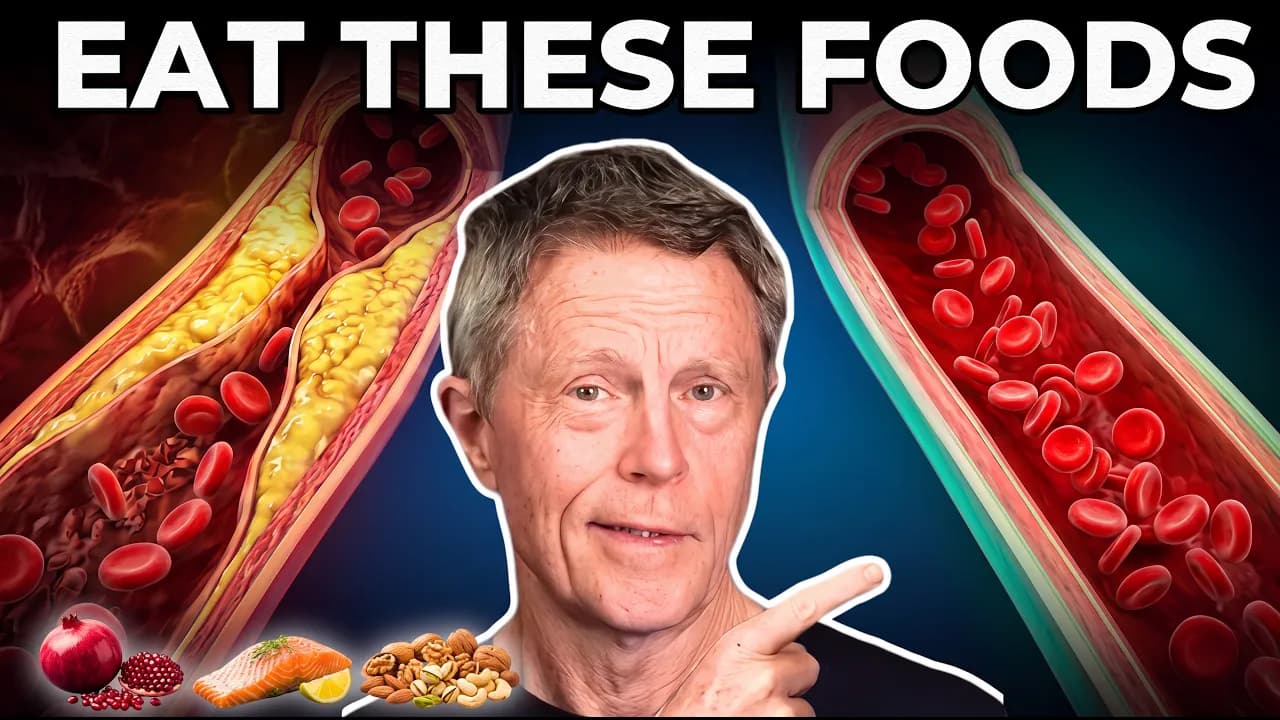
When reactive oxygen species oxidize lipid membranes - the cellular coverings made of fats - this causes lipid peroxidation. This oxidation disrupts cell-to-cell communication, impairing cellular function throughout the body. Lipid peroxidation produces aldehydes that cause nitric oxide depletion, leading to high blood pressure, organ dysfunction, endothelial dysfunction, and promoting atherosclerosis.
The first step in atherosclerosis is nitric oxide depletion, which begins with lipid peroxidation caused by damaged fats. Even LDL molecules become damaged through oxidative stress, becoming charged small dense LDL particles that participate in atherogenesis.
Extra virgin olive oil releases NRF2, a transcription molecule that moves from cellular material into nuclear material, stimulating the antioxidant response element. This instructs cells to produce anti-inflammatory molecules including superoxide dismutase and glutathione - the body's own antioxidants.
The goal is not simply taking antioxidant supplements, but instructing the body to increase its own endogenous antioxidant production. The redox balance involves oxidation and reduction, and the modern problem is losing the ability to produce reducing agents to counteract oxidation.
When endogenous antioxidant production increases, interleukin-6 decreases, STAT3 decreases, CRP decreases, and oxidized LDL decreases. PPAR alpha and gamma on macrophages induce reverse cholesterol transport, resulting in less inflammation.
Extra virgin olive oil contains two additional important chemicals: oleuropein (responsible for the pungent bitter taste, converted to hydroxytyrosol) and oleocanthal (responsible for the peppery taste in the back of the mouth, not converted to hydroxytyrosol). Oleocanthal blocks COX-1 and COX-2 enzymes, similar to non-steroidal anti-inflammatory agents, explaining why extra virgin olive oil reduces joint pain and headaches.
Extra virgin olive oil contains oleic acid, a monounsaturated fat with only one bond that can be oxidized, making it resistant to oxidation compared to polyunsaturated fats which oxidize 15 to 40 times faster. While oils like high oleic safflower oil, canola oil, and avocado oil contain monounsaturated fats, they lack the beneficial polyphenols.
Substituting cell membrane lipids with monounsaturated fats reduces oxidative stress, improving cellular function, receptor activity, and intracellular/extracellular communication. Polyunsaturated fats from seed oils can remain in cell membranes for up to 6 months, and seed oil consumption has increased 40 times beyond recommended levels due to their presence in processed foods.
The Euro Olive clinical trial demonstrated dose-dependent reduction in oxidized LDL, with higher polyphenol doses correlating to lower oxidized LDL concentrations.
The PREDIMED study involved 7,447 patients with diabetes or three risk factors for heart disease consuming one liter of extra virgin olive oil weekly on a Mediterranean diet. The oil contained 300-400 mg/kg of polyphenols, resulting in 30% reduction in cardiovascular events with NNT of 61. Interleukin-6, CRP, intercellular adhesion molecules, tumor necrosis factor, and CD40 ligand all decreased.
The CORDIOPREV trial studied cardiac patients with coronary artery disease, comparing extra virgin olive oil (one liter weekly) versus low-fat diet over seven years. Results showed 28% relative risk reduction with NNT of 20-25, outperforming primary prevention results.
The Nurses' Health Study followed 60,582 women consuming half a tablespoon of extra virgin olive oil daily, showing 14% relative risk reduction in cardiovascular events. Benefits were primarily seen with high-polyphenol extra virgin olive oil, not refined olive oil.
The EPIC-Spain cohort study followed 22,000 patients over 14 years consuming two tablespoons daily, showing 44% relative risk reduction, primarily in those with reduced CRP and interleukin-6 levels. Each additional 25 grams of extra virgin olive oil daily provided 16% reduced cardiovascular risk.
The Moli-sani cohort study followed 22,892 patients over 12 years comparing 1.5 tablespoons of extra virgin olive oil versus ordinary refined olive oil. Results included lower blood pressure, lower heart rate, lower CRP and D-dimer levels, 30% reduction in cardiovascular adverse outcomes, and 20% reduction in all-cause mortality.
NNT comparisons reveal extra virgin olive oil's therapeutic efficacy: PREDIMED primary prevention NNT was 30, cardiac patients NNT was 20-25, Lyon Diet Heart Study NNT was 30, DASH diet NNT was 40-60, tobacco abstinence NNT was 20, transcendental meditation NNT was 10, and statin primary prevention NNT was 50-80.
Polyphenol content varies significantly: low content is approximately 50 mg/kg, high content exceeds 250 mg/kg, very high exceeds 600 mg/kg, and medicinal qualities approach 1,000 mg/kg.
Quality testing methods include refrigeration testing (semi-solid consistency after 48 hours indicates good polyphenol content), sniff test (grass-like smell indicates quality, plastic/crayon smell indicates poor quality), and cough test (throat irritation indicates high polyphenol content).
Store shelf analysis shows 26% of extra virgin olive oils have low polyphenol content, 50% have around 400 mg/kg, and only 25% exceed 625 mg/kg.
Dosage depends on polyphenol content: low-polyphenol oils require 2-3 tablespoons daily, while high-polyphenol oils (near 600 mg/kg) require only one tablespoon daily. Use as finishing oil on salads rather than heating, as heat breaks down polyphenols.
Extra virgin olive oil should be part of daily diet for patients with diabetes, multiple risk factors for premature coronary artery disease, coronary calcium, existing coronary artery disease, stents, or bypass surgery. It functions as a therapeutic cardiovascular risk reduction agent, not merely a culinary ingredient.
Keep Dr. Pradip Jamnadas, MD in your library
Save the videos and channels worth coming back to, and find them again in one place.