The Cholesterol Data That Didn’t Fit the Narrative
In a Nutshell
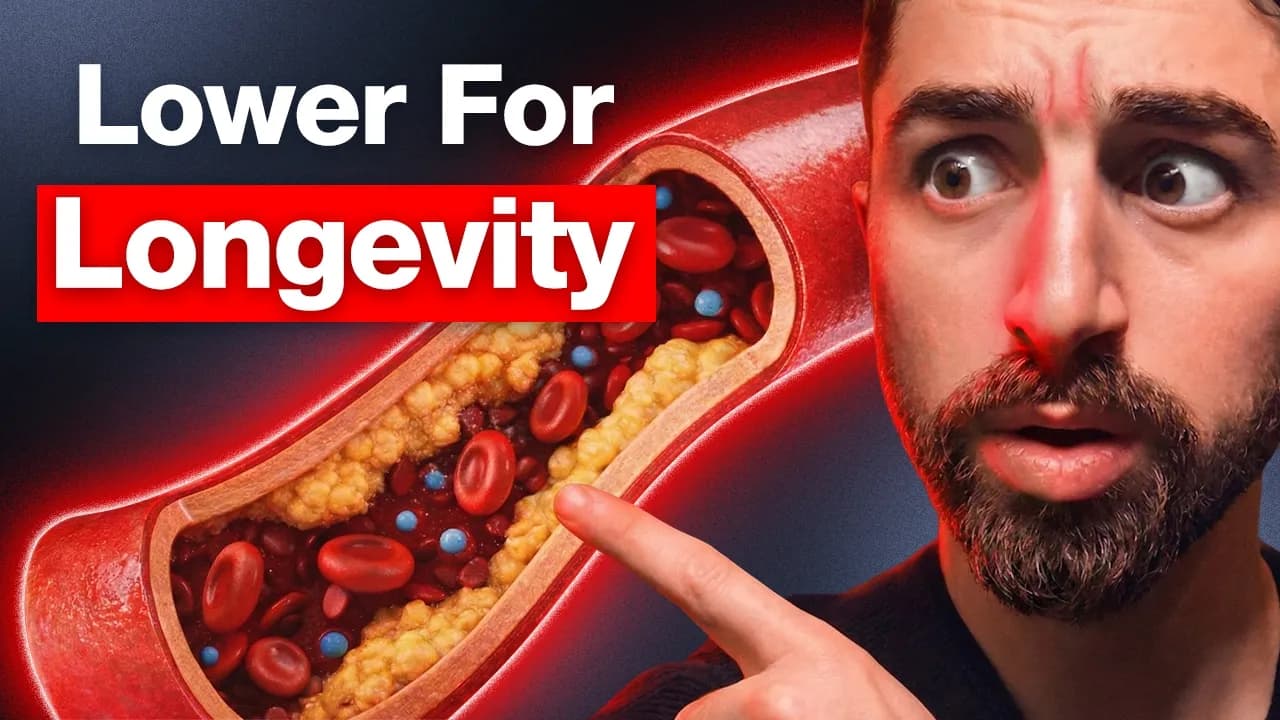
SGLT2 inhibitors, diabetes drugs that modestly raise LDL cholesterol, reduce cardiovascular mortality by 38% and all-cause death in landmark RCTs, yet this detail is buried unlike amplified links between low-carb diets and heart risk from weak observational data. They work via AMPK activation, senescent cell clearance, and ketogenesis—mimicking fasting/keto effects that also boost longevity despite potential LDL rises. Context matters: LDL isn't inherently "bad" without physiological nuance; media narratives skew facts.
These notes were generated by AI and may contain inaccuracies.
What if there's a medication that increases LDL bad cholesterol, but it actually saves lives, including from cardiovascular disease? This has been demonstrated in rigorous randomized control trials, published in prestigious medical journals, and replicated time and time again.
Chapter one: conspicuous pattern in how cholesterol and heart disease are discussed in media and literature. Chapter two: medication and landmark randomized control trial with a buried detail. Chapter three: mechanistic details of how the medication works and how to mimic its effects without pills.
Shoutout to Stay Curious Metabolism newsletter for references, extra details, and early access; top three global bestseller in science.
LDL equals bad cholesterol according to headlines. Whenever LDL increases and something bad happens, narrative amplified, often twisted.
Example: Study published last March in cardiology journal claimed low carb keto-like diets more than double cardiovascular event risk. Low carb high-fat group had significantly higher LDL cholesterol and ApoB levels.
Low carb group was under 25% calories from carbohydrates—not low carb high-fat ketogenic. Could eat McDonald's big breakfast with biscuit, hash brown, pancakes, maple syrup, and room for Dunkin Munchkins while still "low carb".
Dietary data from single 24-hour recall questionnaire, prone to measurement error and recall bias, short-term assessment not reflecting long-term intake (authors admit). Using two questionnaires, effect no longer significant.
Headlines shouting keto-like diet increases cardiovascular risk don't hold up. Low carb group had more diabetes and obesity (confounders). LDL increase: 3.48 mg/dL—tiny, clinically irrelevant. Like crying dire wolf or dragon then getting a cavapoo (Lucy's picture).
Paper weaponized weak data to reinforce narrative: cut saturated fat, lower LDL, save heart.
Medication: SGLT2 inhibitors. Block sodium glucose cotransporter 2 protein in kidney, causing excess glucose excreted in urine, lowering blood sugar.
Benefits extend beyond glucose control.
Landmark 2015 trial in New England Journal of Medicine: patients with diabetes at high cardiovascular risk randomized to SGLT2 inhibitor or placebo, followed median 3 years. Results: 38% relative risk reduction in death from cardiovascular causes, reduced all-cause mortality.
Twist: SGLT2 inhibitor group had increases in LDL cholesterol (modest, larger than observational study's 3.48 mg/dL). Subtle mention in paper: small increase in LDL and HDL (figure S3 in section P of supplementary appendix—dozens of pages back). Trial cited nearly 15,000 times, but LDL increase not featured in narratives.
Large-scale meta-analysis of phase 3 placebo-controlled SGLT2 inhibitor trials (78,607 patients): reduced major adverse cardiovascular events by 9%. Conclusion: reduces risk across broad range of patients. LDL mentioned nowhere except title of 24th reference and once as "mildly".
Recap: Observational study (weak methods, negligible LDL change) linked low carb to heart disease, went viral. RCT (high quality) showed medication reduced cardiovascular mortality despite raising LDL—detail buried. Difference due to narrative building, not consistent standards or facts.
LDL and ApoB matter in context, but data framing skewed. Sounds like conspiracy until reading studies.
Outcome trials essential but don't reveal mechanisms. 2015 NEJM authors: mechanisms speculative.
2024 Nature Aging study: SGLT2 inhibitors in mice cleared senescent cells (zombie-like cells that don't divide, refuse to die, release inflammatory molecules contributing to aging/disease).
Mice on western-style diet: improved insulin sensitivity, glucose control; cleared senescent cells from tissues (improves healthspan/lifespan).
SGLT2 inhibitors activate AMPK (energy metabolism, longevity pathways), modulating immune system to target/eliminate senescent cells (immunosurveillance).
Consequences: reduced cellular senescence, improved atherosclerosis, increased lifespan/healthspan (survival curves for male/female mice).
Summary: new mechanism extends healthspan/lifespan via immune/longevity pathways, consistent with human RCT data (mortality reductions despite LDL increase).
Lifestyle interventions activate AMPK: fasting, ketogenic diets.
Question: mimetic effect between carbohydrate restriction (fasting/keto) and SGLT2 inhibitors? SGLT2 inhibitors promote ketogenesis via BDH1 enzyme (key in ketone production)—ketogenic diet mimetic.
Lower blood glucose via urinary excretion, stimulate ketogenesis independently.
Human study: metabolic disease/fatty liver patients randomized to SGLT2 inhibitor 10 mg or placebo for 12 months. Significant improvements in inflammation, fatty liver scores; immune cells showed increased ketone production.
Convergence of dietary therapy (keto/fasting) and pharmacotherapy (SGLT2 inhibitors): activate AMPK/ketogenesis, lower glucose, increase ketones, immune modulation, sometimes increase LDL.
Ketogenic diets in animals increase lifespan.
Pro-nuance: look at data in context, physiology, real human biology beyond blanket statements.
Truth complex/controversial but empowering—stay curious, connect dots.
Keep Nick Norwitz in your library
Save the videos and channels worth coming back to, and find them again in one place.