What Your Doctor IS NOT Telling You About Heart Attacks
In a Nutshell
Half of heart attacks cause sudden death as the first symptom, undetected by standard stress tests; instead, use CIMT ultrasound to detect vulnerable soft plaque in arteries, as shown in studies like CAFE to CAVES (98.6% event risk if plaque present) and Tim Russert's case. Metabolic dysfunction—missed by A1C in 70%+ cases—affects 93% of Americans and drives inflammation via high carbs/insulin; diagnose accurately with OGTT + insulin, lipid fractionation (trig/HDL ratio, APOB), and inflammation panel (CRP, MPO, Lp-PLA2, microalbumin). Prioritize lifestyle fixes (low-carb diet, HIIT/REHIT, resistance training, sleep, stress reduction) over meds/supplements; metabolic disease causes most heart attacks, strokes, and related conditions—test now to intervene.
These notes were generated by AI and may contain inaccuracies.
Half of heart attacks have sudden death as their first sign. 50%, five out of 10. The stress test most doctors use cannot predict heart attacks. 10 years ago, speaker found arterial plaque and feared heart attack during runs in bluegrass area of Kentucky near Lexington, beautiful horse country. Thought if heart attack happened, body might not be found for hours or days.
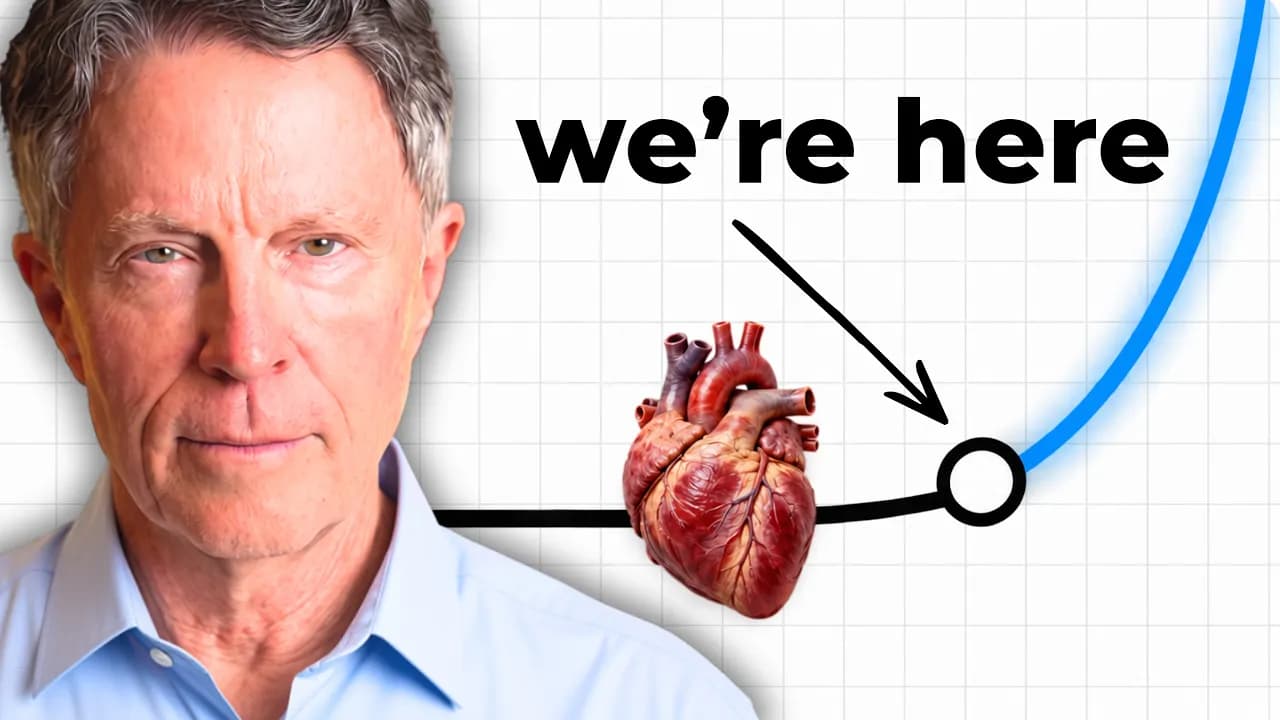
If there's a storm preceding heart attacks, why don't people recognize it? We can recognize it and intervene to prevent it. Video shows how to recognize the storm and why stress tests don't predict heart attacks.
Example: Washington DC, April 29th, 2008, Dr. Michael Newman's office in Georgetown. Patient 58 years old, non-smoker, unremarkable family history, waist over 40 inches, high blood pressure controlled on ACE inhibitor but worsening, normal total cholesterol, LDL, C-reactive protein. Cardiovascular risk <10% over 10 years. Patient worried due to weight gain from job-related eating out, was a jogger but no high-intensity interval or resistance work. Stress test normal. Meds changed to ARB. 6 weeks later, Friday June 13th, 2008, collapsed at work at 1:30 PM. CPR within minutes, EMS at 1:40, hospital at 1:44, three shocks en route, pronounced dead at Sibley Memorial Hospital at 2:23 PM. Autopsy: soft plaque, clot in LAD (left anterior descending artery, widowmaker).
Dr. Newman: "This is the sad story of Tim Russert... these sudden cardiac events occur without warning. There's no way to anticipate or detect them."
Tim Russert returned from family vacation in Rome celebrating son's Boston College graduation and his birthday. Wife and son stayed in Rome. Prepped for Meet the Press (host since 1991). Greeted Candace Harrington saying "What's happening?" Last words. Collapsed going to sound room for voiceovers. Known for passion, research, showing politicians' past inconsistencies. Plaque ruptured. Positive calcium score 10 years earlier (1998): 210. Autopsy showed surprising plaque; artery lining like teenager's face with severe acne (pockets of inflammation). Carl Lavie (The Ochsner Review): <50% occlusion since stress test normal. Dr. Newman: stress test morning of death would be normal. Knew of plaque but couldn't fix it. Still can't today.
Half of Americans don't know heart disease is #1 cause of death. Half of heart attacks end in sudden death. 93% of Americans metabolically unhealthy, at risk.
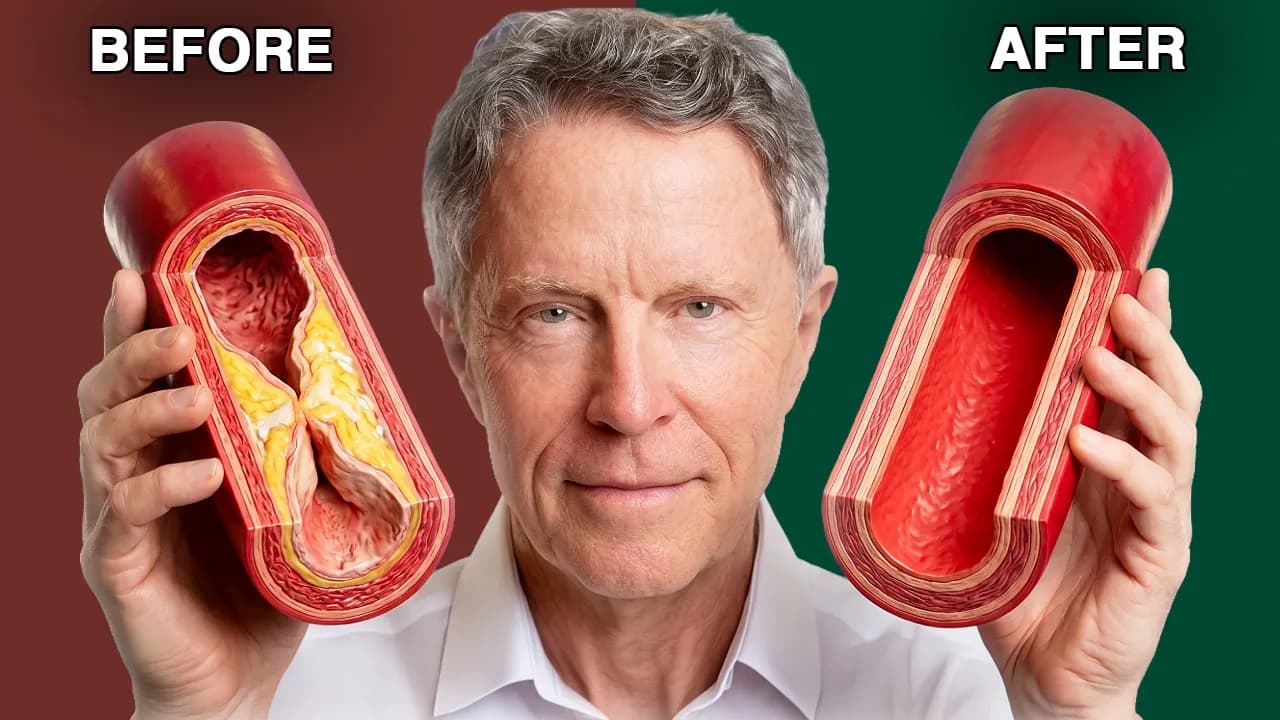
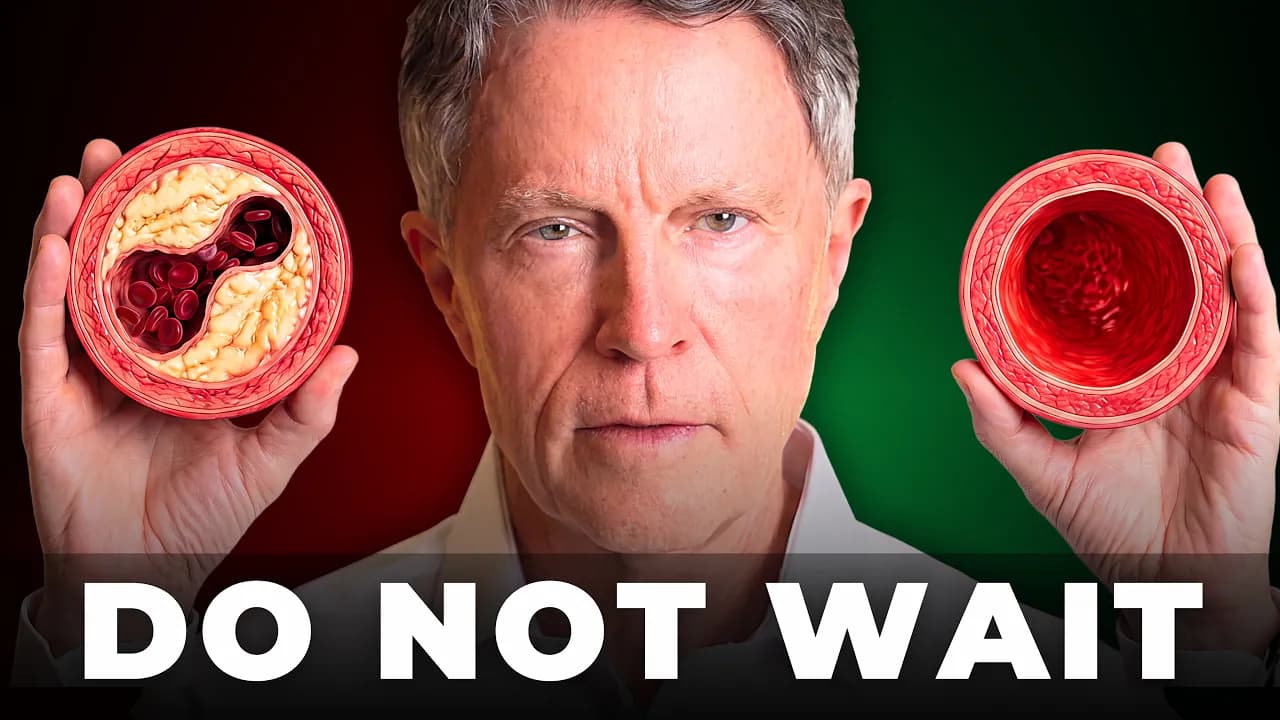
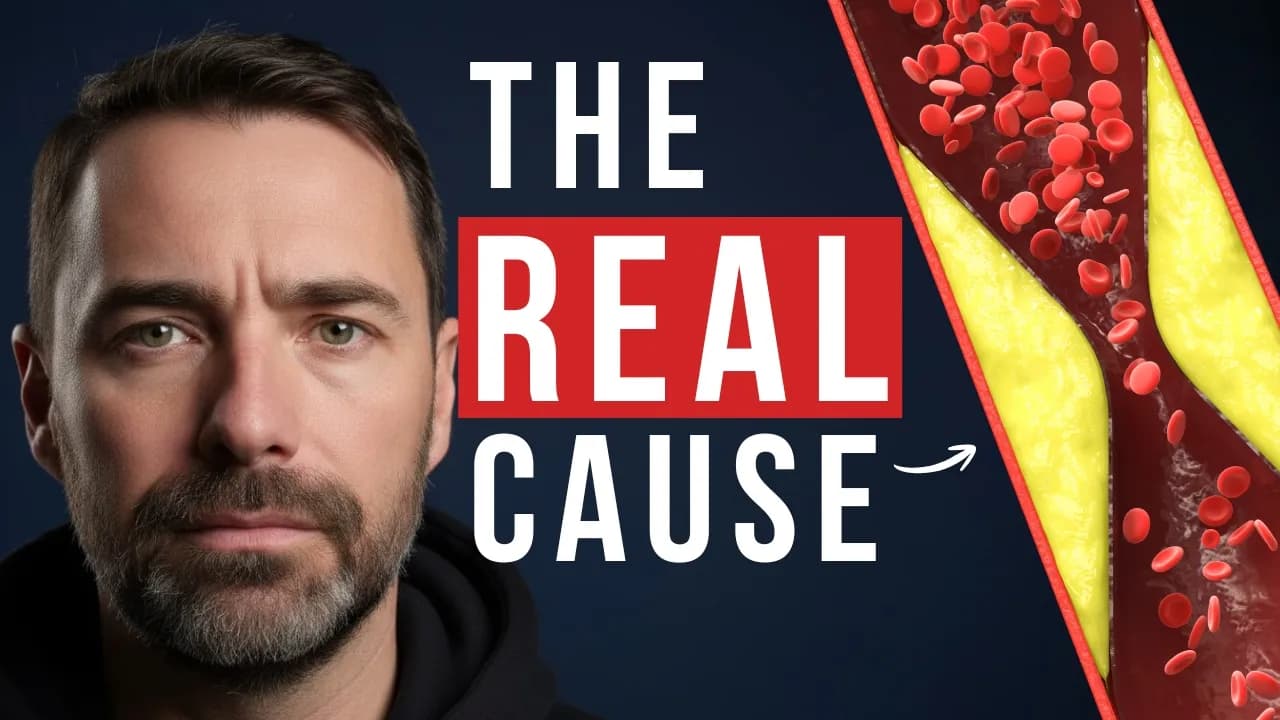
CIMT (carotid intima-media thickness) finds plaque. Arterial plaque is waxy substance depositing in artery wall. Inflamed plaque ruptures, looks like pimples. Inflamed soft plaque leaks into blood flow, causes clot (clot causes heart attack, not plaque). Plaque consistency like mucus/snot, full of immune cells/liquid. Three types: soft, calcified, mixed. Coronaries are windows into cardiovascular system. CAFE to CAVES study: 10,000+ people, thought healthy, followed 10 years, 40% female, 35-65 years old. Carotid and femoral ultrasounds. 98.6% with plaque had cardiac event in 10 years.
Honda study, Kaplan-Meier curve: calcified plaque stable (few early events, then stabilizes like no plaque). Uncalcified/soft plaque: continued events.
CIMT: painless, noninvasive, no radiation, no needles, inexpensive, no disrobing, safe all ages (studies on children as young as 5). No prescription needed. Problems: technique-driven; poor standards lead to garbage in/garbage out. Access limited; few good places nationwide (e.g., Carotid Care: 85% patients showed plaque/at risk).
Heart attacks happen in a storm. Get right tests, change lifestyle. No common signs/symptoms of pending heart attack. Waiting for signs means hoping to feel lucky.
3/4 doctors don't know how to diagnose metabolic dysfunction. A1C misses >70% cases (even ADA says so). Most diabetes diagnosed via fasting glucose (often incidental pre-surgery). 75% doctors don't know how to test for diabetes/pre-diabetes.
Use oral glucose tolerance test (OGTT) with insulin response (Craft insulin survey). Recommended yearly. Misses ~15% without insulin. Patients often have normal fasting glucose, A1C, HOMA-IR but still pre-diabetes/diabetes. Tests full glucose metabolism process.
Most doctors don't understand it. Inflammation: exaggerated immune response hurting blood vessels (e.g., cytokine storm). Directed at plaque; body rejects plaque and lining damage from high glucose/insulin. Chronic inflammation → soft plaque → heart attacks, strokes, blindness, Alzheimer's, kidney failure, erectile dysfunction. Metabolic disease = hurricane; cardiovascular inflammation = tornado.
Test, don't guess. A1C misses 75%. Better: OGTT (90% accuracy, fast 8hrs, baseline glucose/insulin, drink 75g glucose, measure 30min/1hr/2hr; at-home options; insulin key). Lipid panel with fractionation: triglyceride/HDL ratio key indicator. Focus triglycerides (elevated), HDL (low). Fractionation: bell curves for HDL/LDL particle sizes; loss of large HDL/large fluffy LDL warning signs. APOB, APOA1; high APOB → remnant cholesterol (big particles carrying triglycerides; due to inability to burn fat from high insulin).
Not one test (CRP alone: high false positives, e.g., flu shot causes 2/3 false positives). Full panel: microalbumin creatinine ratio (protein spill indicates artery lining damage), CRP, MPO (myeloperoxidase), Lp-PLA2.
Cannot out-medicate/out-supplement lifestyle. Diet #1: cut carbs (90% problem is undiagnosed pre-diabetes; can't metabolize carbs well). Exercise: resistance training, HIIT (aerobic helps but insufficient). Body composition: reduce fat, increase muscle. Sleep (quality/hygiene critical). Stress, toxins.
US food pyramid/MyPlate promotes grains (lie). Reduce carbs, include protein/healthy fats. Intermittent/prolonged fasting (e.g., patients lose 30lbs). REHIT (reduced exertion high-intensity interval training). Nutrient-dense foods (use Cronometer app). Focus leg muscles for metabolism (e.g., Arnold Schwarzenegger's legs > upper body). Wearables: Whoop (picky), Oura Ring (realistic), Apple Watch (forgiving). Stress: breath control (slow to <10 breaths/min). Work-life balance, relationships, community, meditation, mindfulness, purpose. Avoid toxins (microplastics, heavy metals, parabens, phthalates).
Supplements as tools: vitamin D, niacin, magnesium, vitamin K2, nattokinase, berberine, bergamot. Medications: aspirin, metformin, low-dose statins (never high/mid-dose). Patients can opt out. Bempedoic acid or Nexletol.
If you've been hearing about things that lower cholesterol, that's been touted as the kinder, gentler cholesterol-lowering medication. Some people want to take that. There are a lot of lean mass hyperresponders and patients with FH (familial hypercholesterolemia). Some of those—not most, but some—elect to take one of the things called the PCSK9s. You may have heard of it, Repatha. There are a lot of people on a weight loss journey who elect to use Ozempic or Mounjaro. As you've heard, they have revolutionized weight management, but they have their own issues, too. Just like any prescription medication, they are not harmless, and they need care in taking them. Those are some of the best medicines that have come up now for management of diabetes. We also use some things called SGLT2s. You may have heard of those: Jardiance and Farxiga. Those are things that again totally change the world of diabetes management. If you have to take insulin shots, that's a big deal. Those things are dangerous. The GLP-1s like Ozempic and Mounjaro and the SGLT2s like Jardiance and Farxiga are much much better ways to go.
Here's the bottom line. I've gone through a whole litany of list after list after list. And you know, if you're practicing good medicine, you do go through a lot of lists. But here's the thing. Metabolic disease is by far the number one cause of cardiovascular inflammation, cardiovascular plaque and therefore the number one cause of heart attacks, strokes, number one cause of death, number one cause of permanent disability, number one cause of kidney disease, blindness, even erectile dysfunction for men. And Alzheimer's is being called type 3 diabetes. There are no signs. There are no symptoms. So, get tested. Stop guessing. Stop trying to feel lucky.
You don't want to know if you're sick. But the bottom line is you really do. Once you know if you're sick, you can take that risk right off the table and the risk of all of those bad things that I just listed.
Lifestyle is the most important intervention. Medications and supplements can help in certain situations. So, your journey starts here with this video. Use that to find plaque.
Keep Thomas Fordham Brewer MD MPH in your library
Save the videos and channels worth coming back to, and find them again in one place.