The CRAZIEST Survival Methods Ancient Humans Used Against Predators
In a Nutshell
Ancient humans survived predators not through physical strength but by using animal disguises, mud armor, poison weapons, fire, painted eyes, pit traps, and coordinated noise to outwit threats. These methods exploited predators’ instincts and turned human weakness into an advantage. The core takeaway is that observation, planning, and cooperation—not strength—were humanity’s deadliest survival tools.
These notes were generated by AI and may contain inaccuracies.
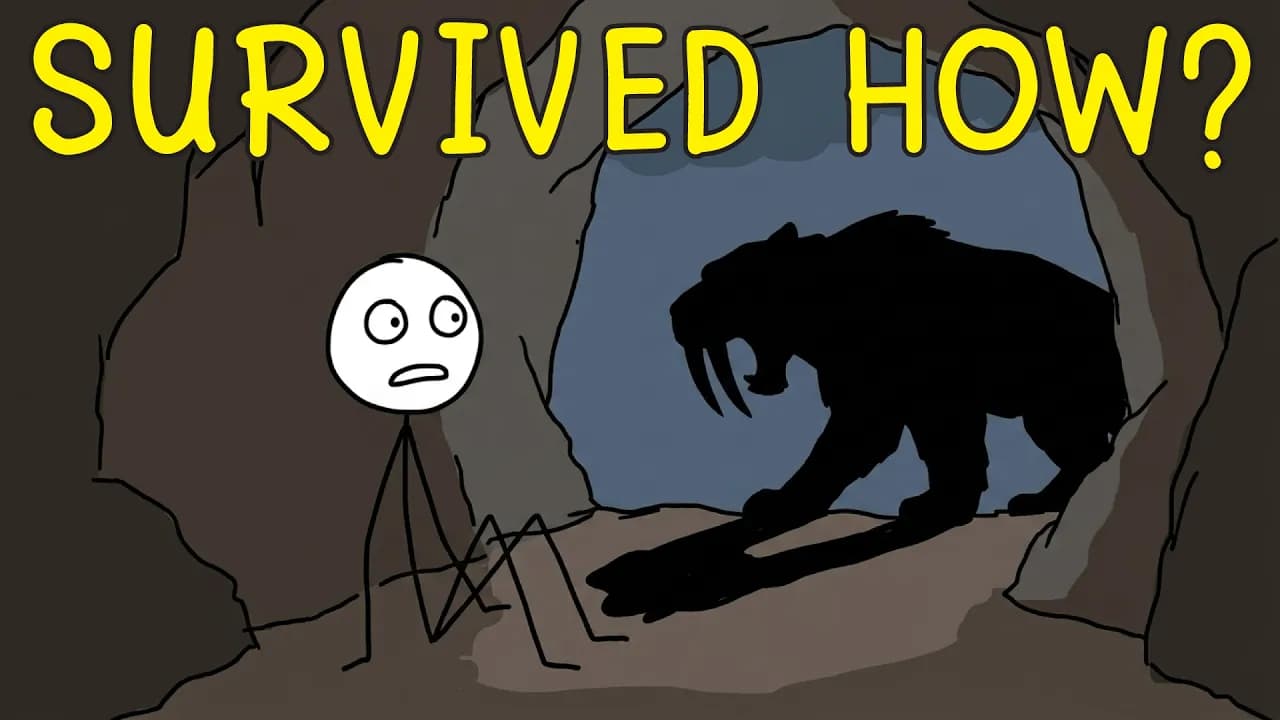
Ancient humans had no claws or fangs. Their skin tore easily compared to other animals. They could not outrun a lion, outclimb a leopard, or outmuscle a bear. By every physical measure in the wild, humans were among the easiest meals in their environment. Despite this, ancestors survived by using tricks rather than strength. These clever, bizarre methods turned defenseless humans into something predators learned to avoid.
For more than 150,000 years, humans covered themselves in animal skin, oils, and animal scents to disappear rather than for warmth. A hunter draped in a whole wolf hide or lion pelt no longer looked or smelled like a human to predators downwind. The human silhouette vanished, replaced by the shape and scent of another animal. This allowed humans to move through territory that should have been lethal and slip past predators that would have targeted a recognizable person on sight.
Wearing a wolf skin made humans invisible to things hunting for humans. Wearing a lion pelt made other animals read the wearer as a predator rather than prey. A creature that smelled like a lion, moved low, and carried the scent of a known killer was not something a hyena or smaller cat wanted to test. Ancient humans stole the reputation of the most feared animals and wore it on their backs.
Ancient humans coated themselves in thick layers of mud and let it dry hard on the skin. This sealed away human scent so predators hunting by smell could not detect the person standing right in front of them. The hardened crust also acted as crude armor. A claw or tooth that would have opened human skin instantly had to get through the dried layer first. The difference between a deep wound and a shallow scrape was often the difference between dying in the wild and walking away. Mud was free, everywhere, and turned a soft human body into something harder to kill and much harder to find.
In 2025, researchers published findings on five quartz arrowheads recovered from the Umlatusana rock shelter in South Africa. The arrowheads were 60,000 years old and coated in plant toxins derived from a plant called gifb bowl, sometimes known as the poisonous onion, which contains compounds that disrupt the heart. This is the oldest direct evidence of poison weapons anywhere on Earth.
A human with a poisoned tip only needed to break the skin. One scratch delivered a toxin that shut the animal down over following minutes or hours. Poison meant a small, weak human no longer had to win a fight outright. They only had to make contact once and then wait, turning the encounter from a test of strength into a test of patience.
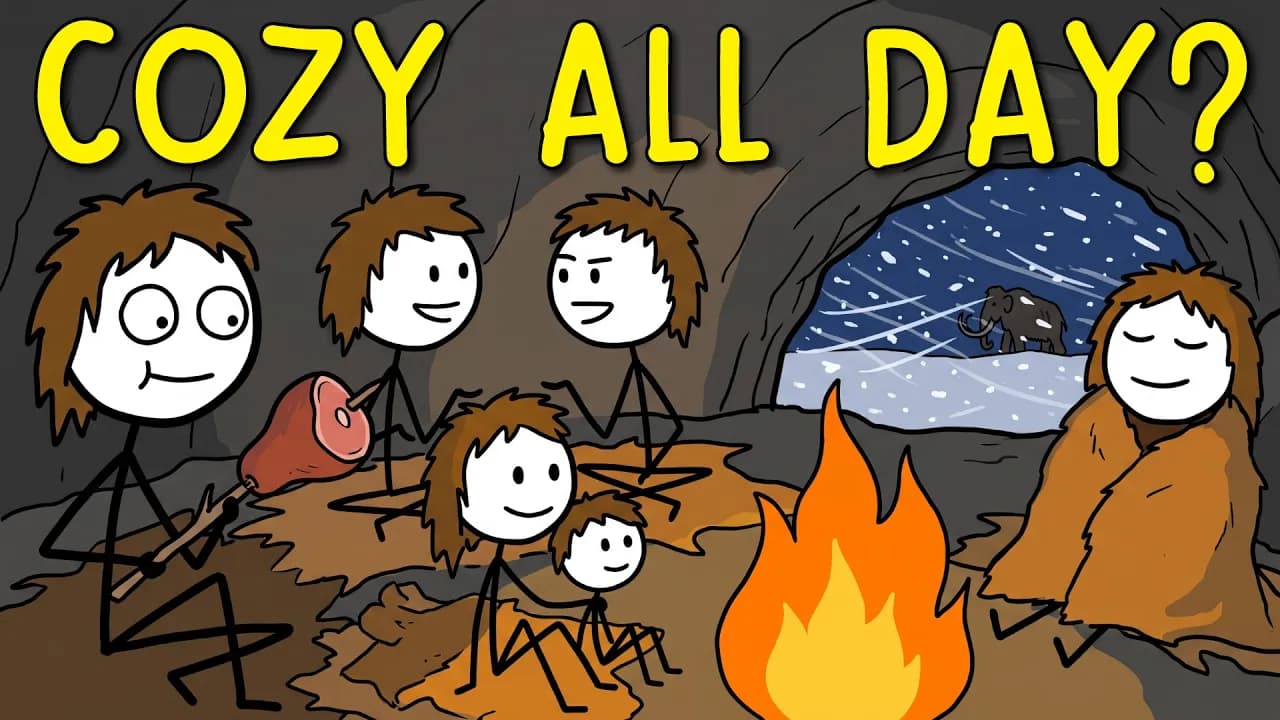
Groups lit enormous rings of fire around their camps at night. A wall of flame created a boundary that almost no predator would cross. The light, heat, smell of smoke, and unpredictable movement of flames made every instinct in a large predator scream to stay away. The fire ring made the most vulnerable hours spent unconscious in the dark become one of the safest.
Humans could also pick up fire and carry it straight at animals. A person swinging a burning branch became something no cave lion, bear, or pack of hyenas wanted to engage. Fire was the one weapon animals had no defense against and no instinct to fight. A single human running forward with a flaming brand could drive off animals many times their size and strength.
Almost every ambush predator, especially big cats, attacks from behind and avoids prey looking directly at them. Humans weaponized this instinct with painted faces. In the Sundarban's mangrove forests, forest workers wore masks with human faces painted on the back of their heads. To a tiger stalking from behind, the person appeared to be staring straight at it, and attacks dropped dramatically.
Researchers tested the same principle on cattle in Africa by painting eye patterns on animals' rear ends. Over a four-year study, not a single cow with eyes painted on it was killed by a lion, while unmarked cattle were. A pair of painted eyes facing the direction you cannot see tells a predator it has been spotted, and a predator that thinks it has been spotted usually gives up.
Near Tolto, just north of Mexico City, archaeologists uncovered two enormous pits dug roughly 15,000 years ago. Each pit was about 5.5 feet deep and 82 feet across. Inside them were more than 800 bones from at least 14 mammoths. Groups of 20 to 30 people would separate a single mammoth from its herd and drive the panicked animal toward the hidden pit using torches and branches. The mammoth would crash through the concealed covering and fall in, trapped.
The trap turned the mammoth's own size and weight against it. A mammoth eight tons in weight and standing over 11 feet tall was too big to fight directly, so humans built a hole that made the animal's mass doom it. The same principle worked on saber-toothed cats and other heavy predators.
Large groups of humans would band together, bang wooden objects, and shout in unison, creating sudden walls of overwhelming sound. To a predator, this was deeply unnatural and alarming. Most predators rely on picking off isolated, quiet, vulnerable targets. A wall of noise from a coordinated group signaled a large, alert, unified force. The sudden shock of dozens of humans erupting into sound at once was often enough to make a stalking animal abandon the hunt and retreat. It cost nothing and required no weapons, only that everyone make noise at the same moment.
Ancient humans wore wolf skins to vanish and lion skins to intimidate. They sealed themselves in mud to hide their scent and armor their bodies. They tipped weapons with poison so a single scratch could bring down a giant. They surrounded themselves with rings of fire and charged predators with burning branches. They faked watching eyes to break an ambush before it started. They dug traps that turned an animal's own weight into a death sentence. They used only their voices together to frighten off things that could have killed any one of them alone.
None of these tricks required strength, speed, claws, or fangs. Every single one required the ability to observe, to plan, to use the environment, and to work together. That was the real weapon. The predators were born with everything they needed to kill. Humans were born with almost nothing, so they made everything else. That turned out to be the deadliest adaptation of all.
Keep Axen in your library
Save the videos and channels worth coming back to, and find them again in one place.