How I Cleaned 20 Years of Arterial Plaque
In a Nutshell
A 67-year-old reversed 20 years of arterial plaque by first identifying undiagnosed pre-diabetes as the root driver, then switching from low-fat/high-carb to low-carb eating, adding short high-intensity leg exercises and resistance snacks, narrowing his eating window, fixing sleep apnea, managing stress with slow breathing, and using targeted supplements plus low-dose medications. Key tests like CIMT and CT angiogram confirmed reversal, showing near-zero unstable plaque and arteries behaving like those of someone decades younger. The central message: fix the metabolic dysfunction driving plaque formation rather than focusing on cholesterol numbers.
These notes were generated by AI and may contain inaccuracies.
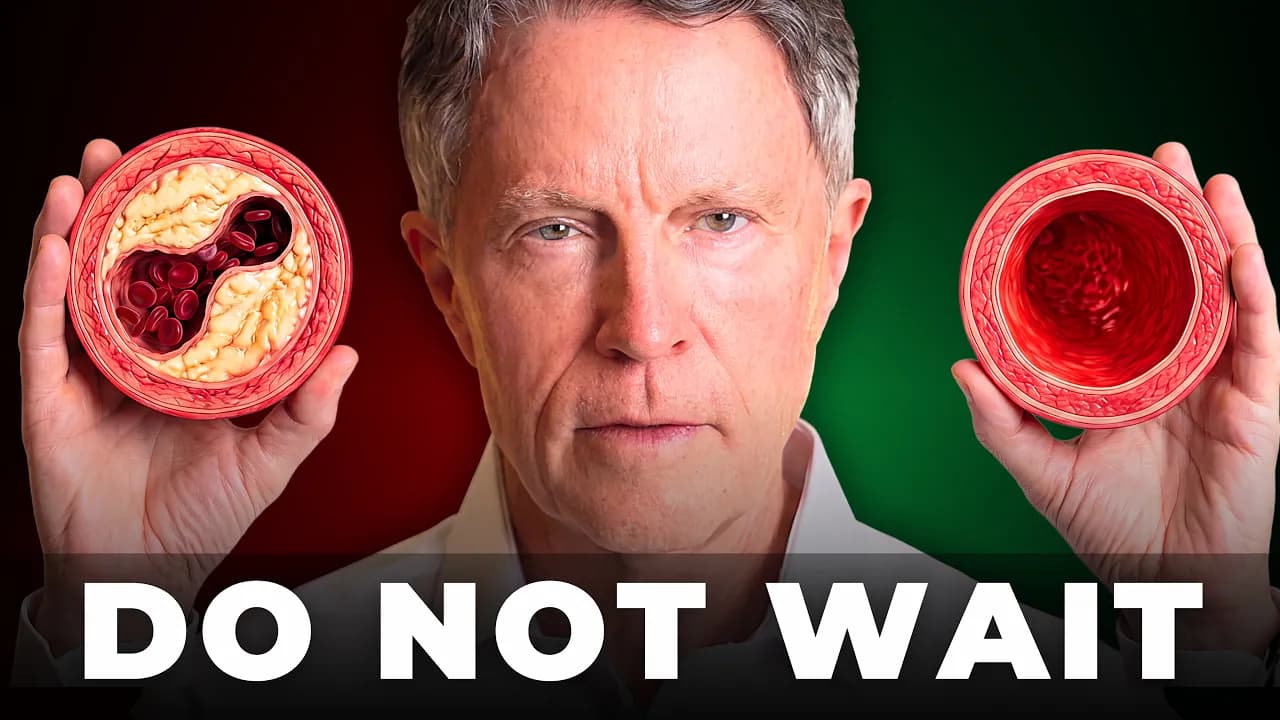
At age 57, despite running marathons on weekends, following a low-fat diet, and directing the preventive medicine program at Johns Hopkins, the speaker received a CIMT ultrasound scan showing the arterial age of a 73-year-old. The scan revealed two discrete plaques in the neck arteries, indicating serious near-term heart attack risk.
Research revealed that metabolic disease (pre-diabetes and diabetes) drives arterial plaque more than cholesterol. An oral glucose tolerance test showed blood sugar peaking above 160 mg/dL, confirming pre-diabetes that had been silently building cardiovascular plaque. The low-fat, high-carb diet of bread, grain products, and frequent meals had been spiking blood sugar multiple times daily.
Key diagnostic tests include:
- CIMT ultrasound to detect soft, unstable plaque years before symptoms
- Inflammation markers: C-reactive protein and Lp-PLA2 to assess plaque stability
- DEXA body composition scan to quantify visceral fat, which drives insulin resistance
The speaker recommends downloading a free ebook on hidden heart disease markers.
After confirming metabolic issues, the speaker switched from low-fat to low-carb eating. Glycemic carbs that raise blood glucose above 140 mg/dL trigger arterial inflammation and damage. Problem foods include bread, rice, pasta, and oatmeal. Safe replacements include eggs fried in butter, bacon, avocado, salmon, non-starchy vegetables (Brussels sprouts, broccoli, cauliflower, asparagus), and big Caesar salads with olive oil.
Narrowing the eating window from 16 hours down to 12 or 8 hours lowers insulin. After any meal exceeding 140 mg/dL, walking, calf raises, or lunges pulls glucose out of the blood into muscle cells, preventing arterial irritation.
Long-distance cardio (marathons, half-marathons) builds aerobic fitness but fails to efficiently reverse insulin resistance. The largest muscle group—the legs—must be trained at intensity to pull glucose from the bloodstream. High-intensity interval training (HIIT) protocols include reduced exertion high-intensity interval training (REHIT): 20 seconds all-out effort, repeated only 2-3 times per session, completable in five minutes on a stationary bike, rebounder, or hill sprints.
Leg-focused resistance training includes "resistance snacks": one minute wall sits, one minute deep lunge each side, plus calf raises—totaling about five minutes once or twice daily. One longer gym session per week or every other week supplements these short sessions. Adding speed bursts and weight vests to walking progresses toward higher intensity.
Poor sleep raises cortisol and insulin resistance for up to 48 hours afterward. The speaker discovered mild sleep apnea caused by a high, narrow dental arch; treatment with Invisalign widened the arch, and side-sleeping training improved outcomes, lowering blood pressure and improving labs.
Slow breathing at 7-10 breaths per minute (versus normal 15-20) activates the vagus nerve. Using a Resperate biofeedback device helped master 4-5 second inhales and 6-8 second exhales for 10 minutes daily, measurably lowering blood pressure. Chronic stress and lack of purpose activate the same inflammatory pathways as poor diet. Purpose—staying capable for loved ones and helping others avoid heart attacks—sustains long-term adherence.
Supplements support but do not replace lifestyle changes:
- Vitamin D3 at 5,000 IU daily paired with K2 at 400 mcg
- Niacin to raise HDL, lower LDL, triglycerides, and Lp(a)
- Magnesium L-threonate (brain/sleep) and magnesium glycinate (muscle relaxation)
- Omega-3 fatty acids (EPA/DHA) for cardiovascular risk reduction
- Aged garlic extract and nattokinase for plaque stability
Low-dose rosuvastatin or pravastatin (5 mg, 2-3 times weekly) targets vascular inflammation rather than LDL. Ramipril (later switched to losartan due to cough) controls blood pressure and reduces vascular inflammation. Low-dose aspirin (81 mg) and later Eliquis (after developing atrial fibrillation) address clot risk in secondary prevention. Metformin at low intermittent doses (½ gram, 3-4 days/week) improves insulin sensitivity without significant mitochondrial stress.
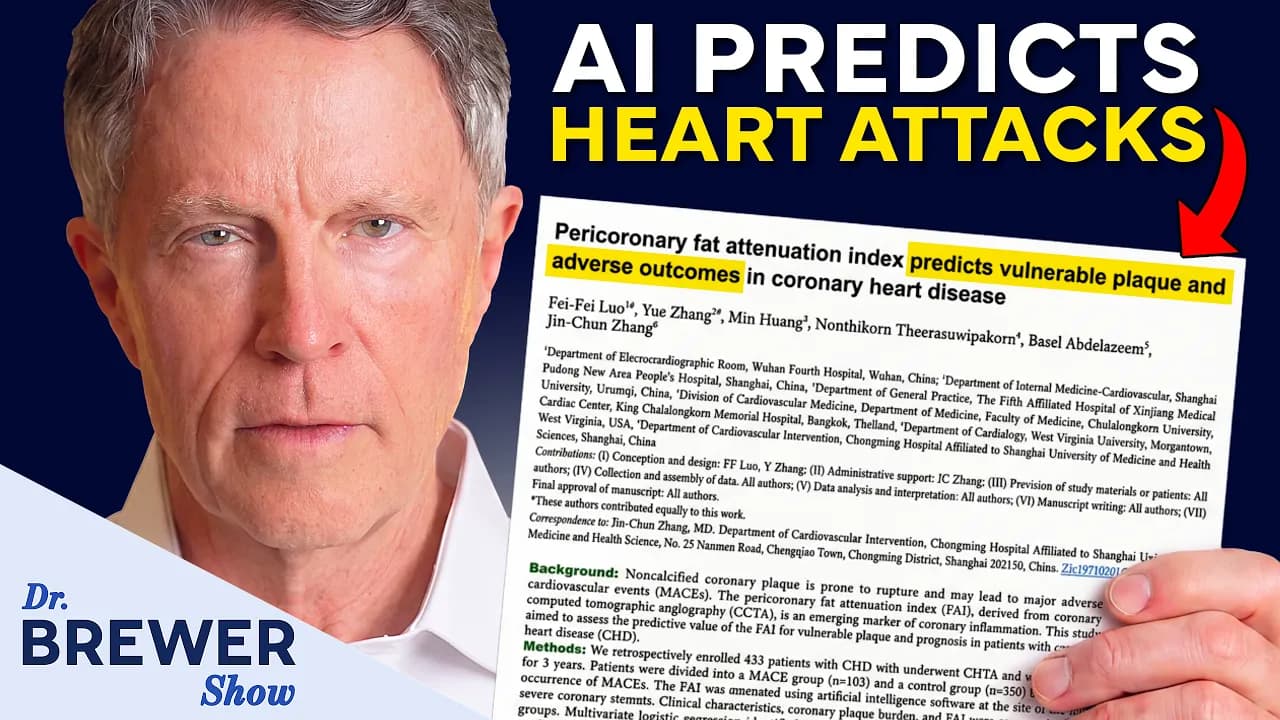
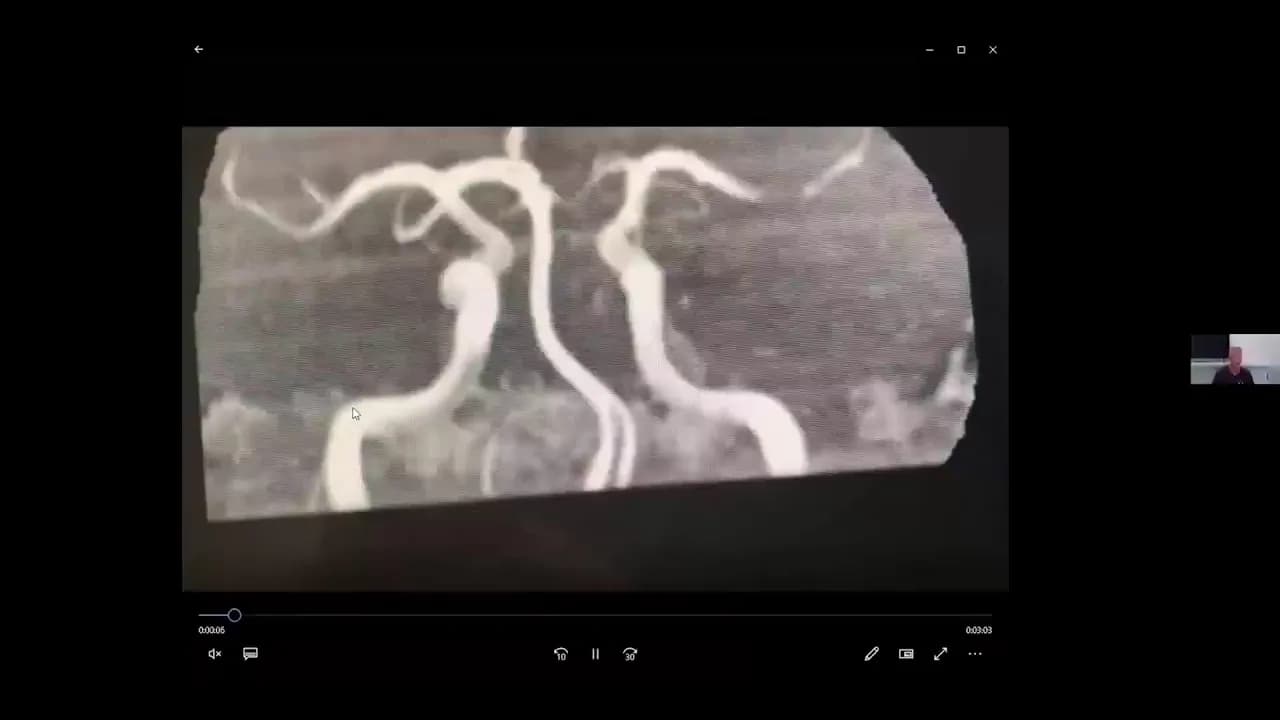
Annual CIMT scans continued; a recent CT angiogram with AI analysis (Clearly company) showed 0.1 cubic millimeters of soft plaque volume—essentially no unstable plaque remaining. Total plaque measured 75.6 cubic millimeters, with 31 cubic millimeters fully stable calcified plaque and the remainder higher-density non-calcified but stable plaque.
It's stable when your metabolism is managed. Most arterial narrowing is under 10%. The highest was 17% in the left anterior descending artery. For a 67-year-old man with a diabetes diagnosis, that level of narrowing is really typical of someone under 40 years old. The percent atheroma volume was 2.5%. The plumbing's wide open.
Arterial age on the CINT is still 58. The speaker is 67 and carries a diabetes diagnosis for a decade. They have 9P21, a cardiovascular genetic risk variant referenced in the book Beat the Heart Attack Gene. They also have atrial fibrillation, yet their arteries look like those of someone over a decade younger.
A 67-year-old with diabetes and cardiovascular genetic risk who follows this plan can have the arterial profile of someone decades younger. These scans confirm it. The team has helped thousands of people achieve the same outcome.
If you'd like to know how the team can personally help, click the link in the description below or call the number on the screen to talk to the experts.
The full strategy that reversed plaque is known. Knowing this is one thing. Knowing the hidden causes that build the plaque in the first place is another.
It's not the cholesterol number that you hear everywhere and apo that everybody's now switching from. It's not cholesterol, bad cholesterol. It's APOB. Watch the next video for the evidence.
Growing old's not for sissies, but it's a lot easier with healthy arteries.
Keep Thomas Fordham Brewer MD MPH in your library
Save the videos and channels worth coming back to, and find them again in one place.