The Hype vs. Data on Saturated Fat, Red Meat, & Seed Oils
In a Nutshell
Saturated fat and red meat are distractions—the real obesity driver is the food matrix and ultra-processed foods destroying calorie partitioning, thermogenesis, and the microbiome. Whole foods with healthy plant/seafood fats (olive oil, nuts, seeds, omega-3s) are protective, while red meat is acceptable in small amounts (1-2 servings weekly) within a healthy diet, and processed meats should be avoided. Regulatory failures like the GRAS loophole and 99% of additives bypassing FDA review have enabled 60% of calories from ultra-processed foods, requiring policy shifts toward food-as-medicine approaches.
These notes were generated by AI and may contain inaccuracies.
99% of food additives do not get reviewed by the FDA. The FDA does not even know they exist. The United States is the only country in the world with this exception. In every other country, everything has to be reviewed. Approximately 60% of calories in the food supply come from ultraprocessed foods.
Most vitamins, nutrients, and macronutrients represent 5% or less of the nutrients in food. Researchers have now measured 7 million novel compounds in food, most of which have never been measured before.
Saturated fat is not inert or irrelevant, but it is a distraction. This represents the big untold story of the obesity epidemic. Calorie intake is pretty flat and physical activity is going up, yet people are gaining weight.
Dr. Dariush Mozaffarian is a cardiologist, public health educator, and director of the Food is Medicine Institute at Tufts University. His early research helped establish the negative health consequences of trans fats.
During 11 years of medical training including medical school, internal medicine residency, and cardiology fellowship, almost nothing was taught about actual nutrition for people and how it affects chronic disease. The training covered some biochemistry such as what vitamin K does for clotting factors, but not real nutrition.
Diet represents the top cause of poor health in the United States and around the world. If patients were not smoking, diet was their biggest health problem. The healthcare system was ignoring this major issue.
During the height of the low-fat diet era with products like low-fat frozen yogurt, fat-free salad dressing, fat-free cream cheese, and SnackWell's cookies, the science did not support low-fat diets, low saturated fat diets, or avoiding dietary cholesterol.
The science supported high healthy fat, minimally processed Mediterranean-style or Okinawan-style diets rich in phenolics, fiber, and anti-inflammatory foods. This science existed 30 years ago but was not being translated to the public.
LDL cholesterol is clearly one of the top risk factors for heart disease, though not the only one. Blood pressure, inflammation, glucose, physical activity, and diet all matter independently. Saturated fat on average raises LDL cholesterol.
This single observation explains the focus starting around 1977 and the 1980 guidelines on saturated fat as a top cause of heart disease.
Saturated fat changes blood triglycerides, HDL cholesterol, and lipoprotein little A. These multiple effects compete with or offset the LDL effect. Saturated fat has many other risk factors beyond LDL cholesterol.
Saturated fatty acids range from 2 to 24 carbons in length. The classic saturated fatty acid is 16 carbons, known as palmitic acid. This is the most common saturated fat in food and in human bodies.
Longer chain saturated fats appear protective. Shorter chain saturated fats also appear protective. Medium-chain triglycerides (MCTs) are 8, 10, or 12 carbon saturated fats that seem metabolically protective.
Different foods contain different compositions of saturated fats. Red meat, coconut oil, and dairy all have different combinations of saturated fats.
Milk fat globule membrane consists of specialized lipids called sphingolipids or phospholipids that form a membrane around fat to allow it to dissolve in water. These bioactive molecules have biologic and genetic activity.
These membranes interact positively with the gut microbiome, bind cholesterol, reduce cholesterol absorption, and lower LDL cholesterol. Cheese contains significant amounts of this membrane, while butter does not.
Buttermilk is what remains when the milk fat globule membrane is thrown away during butter production.
Saturated fat must be considered within the context of other food components. A high saturated fat diet can be beneficial or harmful depending on the overall food matrix. A low saturated fat diet can also be good or bad.
Dietary guidelines should drop the focus on saturated fat and switch to discussing which foods are beneficial or harmful.
Dietary guidelines have stated that whole fat dairy with no added sugar is acceptable. There is no significant difference between whole fat dairy and low-fat dairy for risk of almost any health outcome.
Medium-chain triglycerides raise LDL cholesterol but have more powerful positive effects on HDL cholesterol, triglycerides, insulin resistance, and metabolism. Their net effects may be protective. Several randomized trials have shown benefits of MCT oils.
Homogenization breaks up the milk fat globule membrane so fat does not rise to the top. The membrane remains but is broken up. Homogenization is not negative.
Butter production requires removal of the membrane because it interferes with butter creation. This results in loss of bioactive molecules that go into buttermilk.
A randomized controlled trial conducted by Ulf Risérus in Europe gave participants 10% of their calories as either unsweetened cream or butter with jam and scones. Both groups received the same amount of fat and saturated fat.
After eight weeks in a double-blind randomized control trial, LDL cholesterol increased in the butter group but showed no change in the cream group.
Compared to the average background diet, butter is essentially neutral for cardiovascular risk. Increasing or decreasing butter intake in an average diet does not significantly affect cardiovascular risk.
Butter is worse than extra virgin olive oil, soybean oil, or canola oil, which contain healthy unsaturated fats and phenolics. However, butter is better than white bread, sugar, sweets, candy, or other ultraprocessed foods.
Butter should be viewed as a neutral food - neither something to seek out nor something to worry about excessively.
Plant-based fats should be prioritized when cooking and using oils. A small amount of butter is acceptable and better than starch, sugar, and ultraprocessed foods.
The history of modern nutrition guidelines reveals how focus shifted to individual nutrients rather than foods. Three major themes in the last century changed the global food system: the discovery of vitamins, focus on calories, and ultraprocessing of food.
Vitamin C was the first vitamin discovered, isolated, and synthesized in 1932. Less than 100 years ago, vitamins were unknown.
In the 1910s, a pellagra epidemic occurred in the southern United States. Pellagra is niacin deficiency causing skin disorders, malaise, nausea, weight loss, and death. Approximately 100,000 people died during this epidemic.
Dr. Joseph Goldberger, an infectious disease specialist who had worked on typhus in Mexico and dengue fever, was sent to investigate the pellagra epidemic. He observed that staff never developed pellagra while inmates, orphans, and patients did, proving it was not infectious.
Affected populations consumed monotonous diets of grits and molasses. Goldberger identified a missing anti-pellagra factor in food. The term "vitamin" was coined in 1912.
Goldberger conducted filth parties where he consumed saliva, skin, and fingernail clippings from pellagra patients mixed into muffins and bread to demonstrate the condition was not infectious.
Wheat germ, rich in B vitamins including niacin, cured many patients. Goldberger likely helped thousands of patients before his death.
Vitamin deficiency diseases were endemic in the United States and around the world in the early 20th century. Over 50% of children in New York, Sydney, Cairo, and London had rickets from vitamin D deficiency. Scurvy killed millions of sailors in the 19th century. Every major vitamin now known was discovered in the 1930s.
President Franklin Delano Roosevelt convened the National Nutrition Conference for Defense in 1941, recognizing the importance of nutrition for national security during World War II. Three major outcomes emerged from this conference: the standardization of enriching wheat flour with B vitamins and iron, the invention of the Recommended Daily Allowances (RDAs), and the shift toward nutrient-focused dietary guidelines after the war in 1950.
The 1950 dietary guidelines marked the first time public dietary recommendations were based on reductionism or nutritionism rather than broad balanced diet concepts. The RDAs drove the guidelines, focusing on specific nutrient levels in foods and how to deliver them to the population through supplementation and fortification. This changed how scientists thought about food, viewing it not as a holistic product of nature but as something that could be broken down scientifically and improved upon.
World War II resulted in approximately 30 million deaths from famine worldwide. Adjusted for population, this equates to roughly 100 million people dying in the next 5 years by today's standards. Concurrently, demographers observed a massive population explosion, with the world's population growing from 1.5 billion in 1900 to 6 billion in 2000. Scientists calculated that existing agricultural acreage could not support the projected population growth.
Paul Ehrlich's influential book "The Population Bomb" argued that hundreds of millions of people would starve, suggesting countries should be selected as "winners and losers" with resources focused only on nations that could be saved. While mathematically correct about food shortages, this harsh conclusion did not account for the Green Revolution that would follow.
The Rockefeller Foundation collaborated with the US and Mexican governments to address global food shortages. Starting in the 1950s, plant geneticist Norman Borlaug worked in Mexico for 10 years to breed wheat, rice, and corn species with high starch content, high yields, and resistance to pests and drought. When yields increased, synthetic nitrogen fertilizers were developed from World War II bomb-making factories that had ammonia supplies. Chemical pesticides like DDT, originally developed by DuPont for protecting troops from typhus and malaria, were applied to crops.
Borlaug's innovations increased yield per acre by 15-fold. Within 5 years of implementation, India and Pakistan transitioned from nations on the brink of famine to food-exporting countries. Today, approximately 50% of global calories come from rice, wheat, and corn, specifically from very limited varieties. Before Borlaug's work, roughly 1,000 varieties of corn and 1,000 varieties of rice were grown worldwide; now there are approximately 2 wheat species, 4 corn species, and a handful of rice species in global production.
By 1980, scientists had conquered vitamin deficiency diseases and global famine within roughly 20 years through technology and science. When turning attention to heart disease, the new leading cause of death in the United States, they applied the same single-nutrient approach that had worked for deficiency diseases like pellagra (niacin) and scurvy (vitamin C). They concluded that saturated fat must be the nutrient responsible for heart disease, leading to efforts to remove fat from foods in the same way vitamins had been added.
Vitamin deficiency diseases can be caused or cured by single nutrients by definition. However, complex chronic diseases like heart disease, obesity, diabetes, cancer, gut health issues, mental health problems, mood disorders, and depression cannot be reduced to individual nutrients or even small groups of nutrients. Modern advances over the past 20-30 years have shifted science toward food-based approaches that acknowledge the complexity and nuance of whole foods rather than isolated nutrients.
Most vitamins, nutrients, and macronutrients represent approximately 5% or less of the total compounds in food. Modern measurement techniques have identified 7 million novel compounds in food, most never measured before. Companies are mapping these compounds using AI to understand their interactions with body pathways, genetic receptors, proteins, and enzymes. Known examples include polyphenols like EGCG in green tea, cocoa flavanols in dark chocolate, polyphenols in blueberries and pomegranate, and sulforaphane in cruciferous vegetables.
Studies comparing traditional wheat varieties grown 50 years ago to modern varieties show dramatic losses of nutrients. Plants were bred for volume, starch content, pest resistance, and drought resistance rather than nutrition or taste. Some nutrients, including common vitamins and iron, may be 2, 3, 4, or even 10 times lower in modern varieties compared to traditional ones. Additional concerns include pesticide residues, chemical contaminants from packaging, and food additives with negative health effects.
Research conducted in Bruce Ames' laboratory examined a micronutrient-dense bar containing polyphenols, cocoa flavanols, various vitamins and minerals, and a food matrix with different fibers. Small trials showed beneficial effects on lowering inflammation, increasing HDL cholesterol, and lowering small dense LDL cholesterol in metabolically unhealthy people. A deconstruction trial tested whether vitamins and minerals alone, polyphenols alone, or the fiber matrix alone could replicate these effects. None of the individual components could produce the beneficial effects; the whole package was required.
Humans have co-evolved with natural foods over hundreds of thousands of years. Ancestors evolved alongside nuts, seeds, fruits, and vegetables that developed to feed humans and support their health in exchange for seed dispersal. This created a harmonious system where hunter-gatherer populations of roughly 100 million people had sufficient food and were quite healthy. The agricultural revolution 10,000 years ago led to decreased health, with increased fractures, deficiencies, dental problems, and other health issues as revealed by skeletal and historical records.
Humans possess antioxidant response elements in genes that are activated by polyphenols, triggering transcription factors that activate genes involved in stress response pathways. Humans are also adapted to experience periods of not eating, benefiting from fasted repair modes rather than remaining constantly in anabolic growth phases.
Minimally processed plant foods like fruits, berries, nuts, and legumes rank highest in healthfulness. Within animal foods, fermented dairy products like yogurt rank at the top, followed by cheese, kefir, and other fermented animal foods. Fermentation creates beneficial molecules like menaquinones (vitamin K2), which has anti-insulin resistance effects. Milk contains anti-hypertensive peptides linked to lower stroke risk. There is no evidence that whole-fat dairy is worse than low-fat dairy, with some evidence suggesting the opposite may be true.
Unprocessed red meat is ranked below eggs, poultry, and butter in terms of health benefits. Red meat is defined as beef, pork, or lamb. Unprocessed means fresh or frozen meat that spoils naturally without preservatives. One or two servings of unprocessed red meat per week is considered fine, while higher amounts are probably harmful.
Processed meats rank at the bottom of the animal product chain. These include salami, bacon, sausage, and low-fat deli meats that do not spoil. Processed meats are strongly linked to stroke, diabetes, and cancer, likely due to preservatives and processing methods.
Red meat is not as healthy as cheese or yogurt, but the issue is not the fat content. There is very little difference in health effects between fatty and lean cuts because saturated fat is not the primary driver of negative outcomes. Instead, pro-inflammatory compounds and carcinogenic compounds are the main concerns.
Red meat shows stronger links to type 2 diabetes and cancer than to heart disease. The association with heart disease is weak to nonexistent, but the connection to cancer is consistent, specifically with distal colorectal cancer rather than all colorectal cancers.
Heme iron, which gives red meat its color, is the signature pro-inflammatory compound. At low levels, heme iron is essential to prevent anemia, but excess amounts are highly pro-inflammatory and pro-oxidant. Heme iron damages the pancreas and beta cells that produce insulin.
Evidence supporting this connection includes animal experiments showing heme iron causes diabetes, genetic disorders like hemochromatosis causing iron overload and type 2 diabetes, and treatment by phlebotomy curing diabetes in affected individuals. Pregnant women with higher ferritin levels have increased risk of gestational diabetes.
Beyond heme iron, red meat contains other pro-inflammatory compounds that form based on how animals are raised, how meat is cooked, and production methods. Carcinogens in red meat interact with the gut microbiome to create compounds that affect distal colon cancer risk.
Red meat is better than refined starch, sugars, and high-salt processed foods, but not as beneficial as other foods discussed. One or two servings per week is acceptable, and even a carnivore diet cutting out ultraprocessed foods is better than consuming those foods.
Whether red meat is harmful depends on what it's compared to. Replacing a Mediterranean diet rich in plants, fish, polyphenols, and fiber with carnivore eating causes harm. However, studies show that background diet affects how red meat is metabolized.
A meat industry-funded trial found that a healthy Mediterranean-style diet versus an American diet greatly blunted downstream negative consequences like TMAO production. With an overall healthy diet, one or two servings of red meat weekly is acceptable, but daily servings should be avoided, especially on ultraprocessed, high-starch, high-sugar diets.
Carcinogenic compounds relate partly to cooking methods. Meat that is burned, charbroiled, or blackened forms numerous carcinogens. However, consuming other healthy foods alongside red meat can help mitigate harms.
Cruciferous vegetables contain beneficial compounds that help turn off pro-carcinogen to carcinogen conversion enzymes and increase phase 2 detoxification enzymes. Persian cuisine traditionally serves green onions, mint leaves, and radish leaves before kebab, which may minimize harms through herbal and cruciferous compounds.
Regenerative agriculture, where animals are pasture-raised and pasture-finished versus industrial feedlot conditions, shows modest differences in measured nutrients. However, inflammatory markers and measures of oxidative stress appear lower in meat from regeneratively raised animals.
TMAO is suggested as a reasonable biomarker to measure when assessing red meat intake effects. Effects on the pancreas and colon lining cells take years to manifest, so current biomarkers may not be sensitive enough to detect these changes.
Studies comparing healthy diets versus standard American diets show differences in how red meat interacts with the microbiome. When healthy fats replace starch and sugar, negative LDL cholesterol effects of saturated fat are eliminated.
When consuming red meat or other animal products, pairing with a high-fat diet rich in healthy unsaturated fats from plant and seafood sources makes negative effects from animal fats very unlikely.
Monounsaturated fatty acids come from avocado and olive oil. Polyunsaturated fatty acids include omega-6 and omega-3 types. Swapping saturated fat with refined carbohydrates is not beneficial.
Early research focused on omega-3 fats and trans fats as two classes that could dramatically alter health outcomes in gram or milligram quantities. These were viewed as the yin and yang of dietary fats.
Among unsaturated fats, omega-3 polyunsaturated fats have the strongest evidence for health benefits, particularly longer-chain forms from seafood versus intermediate-chain forms from flax and walnuts. Large, long-term trials with thousands of participants have tested fish oil, with mixed but overall positive results for heart attacks and other outcomes.
Omega-6 fatty acids come from nuts and seeds including pecans, walnuts, peanuts, soybean, and canola oils. While essential, there has been confusion about their harmfulness and competition with omega-3s. This competition is true in rodents but not humans.
Dozens of randomized controlled trials, observational studies, and studies using blood biomarkers show omega-6 fatty acids are overwhelmingly beneficial. They improve insulin resistance, lower hemoglobin A1C, improve insulin production, lower LDL cholesterol and triglycerides, raise HDL cholesterol, and are not pro-inflammatory.
Some evidence suggests omega-6s may be anti-inflammatory through specific molecules called EETs and SPMs. The omega-6 to omega-3 ratio matters because deficiency in omega-3s is the primary issue. Improving the ratio by eating more omega-3s is beneficial, but decreasing omega-6s removes another beneficial fatty acid.
Seed oils are beneficial, and seeds are considered one of nature's most potent gifts. Nuts and seeds would be chosen as the top superfood if selecting one category.
Monounsaturated fats are fairly inert compared to omega-3s and omega-6s, with oleic acid being the major type. In observational studies, monounsaturated fat from plant sources is beneficial, while from animal sources it is not. Since the fatty acid is identical, this suggests confounding factors rather than the monounsaturated fat itself being responsible.
Extra virgin olive oil contains anti-inflammatory compounds beyond its fat content. Oleocanthal binds COX receptors, the same receptors aspirin binds, providing natural anti-inflammatory effects at low levels. The throat burn from extra virgin olive oil results from oleocanthal binding these receptors.
Fats from plants and seafood are overwhelmingly healthy and should be increased in the diet. An average healthy diet would derive about 45% of calories from fat, much higher than current recommendations, with most coming from plant and seafood sources, similar to traditional Mediterranean diets.
Approximately 90% of Americans are not getting enough omega-3 from seafood. Research identified insufficient omega-3 from seafood as one of the top six preventable causes of death, with approximately 84,000 deaths per year attributed to this deficiency, compared to 82,000 deaths from trans fats.
Dietary fats should be understood as biological information affecting nearly every tissue and cell type, not merely as energy sources. Fats are the most biologically interesting and active macronutrients.
Fats form cell membranes in multicellular organisms, changing membrane function and receptor function. Fatty acids directly bind to protein receptors on cells, altering cellular communication. Fatty acids also bind fatty acid binding proteins that transport them to the nucleus, changing gene function and turning genes on and off.
Fish oil's triglyceride-lowering effect occurs through genetic effects in the liver, with fatty acids entering liver cells and
Fatty acids are precursors to a wide range of bioactive molecules in the body, including isoprostanes, leukotrienes, and specialized pro-resolving mediators (SPMs). These represent some of the most interesting and bioactive molecules in the body. Fats should be viewed as biologic information rather than just calories.
Omega-3 fatty acids incorporated into cardiac membranes help support ion channels involved in electrical conduction through the heart. During heart attacks with ischemia and lack of oxygen to heart muscle, cells become strained and their negative potential begins to leak out, creating electrical instability that leads to arrhythmias and ventricular fibrillation. Omega-3s stabilize the membrane and prevent this electrical disturbance during ischemia and acute heart attacks.
Trans fats negatively alter membrane properties in contrast to omega-3s. This yin-and-yang relationship is exemplified in the eye's retina, where rhodopsin is the receptor that reads every individual photon of light, then disappears and must be recycled back into the membrane. When omega-3s are present in the retinal membrane, rhodopsin cycling happens faster, smoother, and easier. Infants given DHA during pregnancy or breastfeeding demonstrate better visual acuity. Conversely, when trans fats are incorporated into the membrane, rhodopsin cycling slows down dramatically.
Seed oils are beneficial for health, with overwhelming evidence from observational studies, randomized controlled trials, and mechanistic research supporting this conclusion. These same omega-6 fats are found in nuts like pecans, walnuts, and peanuts that are recognized as healthy foods.
The concept of seed oils being harmful appears to stem from several partial truths that have created widespread misunderstanding. First, people associate industrial oils with the documented harm from trans fats and partially hydrogenated oils that were introduced in the 1950s and 1960s, then expanded significantly after 1980 with low-fat guidelines. This created universal negativity about industrial oils and margarine.
Second, concerns about ultraprocessing and its contaminants are valid, as seed oils require chemical extraction and high temperatures that leave trace contaminants like hexane. However, all studies showing benefits of seed oils used these processed oils, indicating any potential harms from contaminants are dramatically outweighed by benefits of the unsaturated fats.
Third, the focus on omega-6 to omega-3 ratios originates from animal experiments in rats and mice that do not translate to humans. This has nothing to do with seed oils specifically, since omega-6s are also abundant in nuts.
Any oil that is repeatedly used and burned becomes harmful due to formation of heat shock proteins and lipid oxidation products, regardless of whether it's beef tallow, soybean oil, or canola oil. The issue lies in how the oil is used rather than the oil itself.
When choosing between plant fats for cooking, all options are acceptable. Canola oil is more stable than extra virgin olive oil for deep frying applications. Industry has shifted toward high oleic safflower and sunflower oils, which contain monounsaturated fats instead of omega-6s due to oxidation concerns. This removes beneficial fatty acids from the food supply, potentially harming public health despite improving industrial stability.
The rise of ultraprocessed foods resulted from two major developments. The low-fat guidelines forced companies to create products without fat, requiring extensive additions of flavorings, colorings, emulsifiers, stabilizers, and thickeners to compensate for changes in texture, taste, and structural properties. Fat-free salad dressing exemplifies this problem, containing only starch, sugar, salt, and additives instead of the healthy oil that should form its base.
The second major development occurred in the late 1970s and 1980s when the two largest tobacco companies, R.J. Reynolds and Philip Morris, acquired ownership of nearly every major food brand. They applied their addiction science, marketing strategies targeting children, and flavor science expertise from tobacco to food products. R.J. Reynolds became RJR Nabisco, and Philip Morris owned Kraft, Oreo, and other major brands. This shifted food production from well-intentioned health improvements to maximizing addictiveness and appeal through physical properties, marketing, and packaging.
The United States has a unique regulatory loophole called GRAS (Generally Recognized as Safe) that no other country maintains. Originally created in 1958 to allow food companies to add compounds like ginger and turmeric without FDA review, the pathway allows companies to conduct their own science, hire their own review panels, and keep results confidential. Companies overwhelmingly choose this pathway over the extensive public additive approval process, resulting in 99% of food additives entering the food supply without FDA review or even FDA knowledge of their existence. Additives can be hidden as "natural flavors" or "natural colors" without disclosure of their chemical identity.
This combination of tobacco company ownership, the GRAS loophole, and advancing technology enabled food to be molecularly disassembled and reformed into shapes like goldfish, animals, O's, stars, and chips. The process added starch, sugar, and salt while depleting nutrients, including thousands of unmeasured compounds. Approximately 60% of calories in the US food supply now come from ultraprocessed foods.
The NOVA classification system, developed by Brazilian scientist Carlos Monteiro approximately 15 years ago, defines four tiers of food processing. NOVA is simply the Portuguese word for "new." Ultraprocessed foods (NOVA 4) are defined by additives and processing techniques that would not be used in a home kitchen, particularly cosmetic additives for taste, flavor, and texture that often mask deficiencies in real food ingredients.
Processed foods (distinct from ultraprocessed) are acceptable and include items like artisanal bread, yogurt, canned tuna, or jarred fruit that could be prepared similarly at home. The NOVA system represents one dimension for evaluating food alongside other factors like salt content and vitamin levels.
Beyond obvious factors like higher salt, starch, and sugar content, ultraprocessed foods cause harm through three primary mechanisms. The first involves lack of natural cellular structure. Traditional processing methods like stone-ground wheat or steel-cut oats maintain natural cellular architecture with vitamins, polyphenols, starch, and fiber in their true food matrix. This structure requires time for digestion and allows some calories to reach the large intestine
Whole foods naturally deliver calories to the large intestine microbiome, which evolved to harvest calories that human bodies cannot digest. On traditional diets, approximately 20% of calories reach gut bacteria, which digest these and return some calories while producing beneficial metabolites that enter the bloodstream.
Commercial whole grain breads and cereals represent molecularly disassembled foods where fiber, endosperm, and germ come from different sources and are reassembled. These foods are rapidly digested in the stomach and small intestine, creating a triple hit: a rush of nutrients into the bloodstream triggering inflammation and insulin response, starving gut bacteria of starch and sugar they normally receive, and shunting more calories to human digestion rather than bacterial digestion.
Cheerios, while not the worst cereal, exemplifies molecular disassembly compared to steel cut oats. The starch and sugar in Cheerios are fully digested in the stomach and small intestine, producing a high glycemic index similar to white bread. This results in nutrient rush into the bloodstream, reduced feeding of gut bacteria, and increased calorie absorption by the host rather than bacteria.
When consuming 2,000 calories of minimally processed foods, humans might digest only 75-80% with bacteria handling the remainder. Highly processed foods allow human tissues to digest nearly 99% of calories. This partitioning concept is critical for understanding obesity but remains underrecognized.
The first concern is the asellular nature creating the triple hit effect. The second is the loss of thousands of nutrients including polyphenols, carotenoids, and soluble fibers destroyed during processing. The third concern involves additives themselves, which affect the brain and gut microbiome, can cause inflammation, and some natural and artificial sweeteners can cause insulin resistance in human trials.
Beyond the three main concerns, hyper-palatability makes foods addictive through formulation and marketing. Contaminants include microplastics from factory plastic pipes and packaging, plus pesticide and fertilizer residues from industrial farming ingredients. However, heterogeneity exists - a product with mostly real nuts and coconut plus one artificial color is better than foods processed to the molecular level.
Nutrition-conscious consumers often focus on single macronutrients, believing chips high in protein but low in sugar are acceptable, or that keto/paleo-marketed processed foods are healthy despite lacking nutrients and containing additives. Ultra-processed foods remain harmful even without refined sugar due to processing itself.
The gut microbiome consumes calories itself, reducing what humans absorb and store as energy. This represents a different perspective from simply starving gut bacteria of soluble and fermentable fiber.
Simple rules for evaluating packaged foods include checking if the food is recognizable - bread with visible seeds, bars showing actual nuts and coconut strips or dates. Another approach examines the fiber-to-carbohydrate ratio, with a target of at least 1 gram of fiber per 10 grams of carbohydrate (10:1 ratio). Better ratios of 5:1 or 4:1 provide additional benefits.
The GRAS (Generally Recognized as Safe) loophole allows additives to bypass FDA review. The current administration's MAHA strategy includes closing this loophole, with the FDA proposing a rule currently under review by the Office of Management and Budget. States are taking action independently, with 30 states in 2025 introducing or passing laws addressing additives, including bans in school meals and warning labels for ingredients banned in Europe.
The FDA fails in both premarket review and postmarket surveillance of additives. Trans fats were identified as harmful in the 1990s, with Institute of Medicine reports around 2000 recommending avoidance, yet the FDA did not ban them until 2016 with additional years for industry compliance. Red dye number three, banned in Europe with evidence of behavioral harms in children, remained legal until California banned it.
The FDA's $7 billion budget allocates only $100 million to food and nutrition, with most of that going to inspections rather than human nutrition research. Only $15 million specifically addresses labeling, resources, and additives. Most of the budget goes to drugs and tobacco regulation.
Obesity rates remained flat from the 1950s through the 1970s before rising dramatically starting in the late 1980s. From 1980 to 2000, refined starch and grains increased by approximately 300 calories per person per day, representing the main dietary change correlating with obesity rise. Sugar-sweetened beverages had been increasing since the 1950s without corresponding obesity increases.
After 2000, calorie intake flattened or decreased while physical activity increased, yet obesity continued rising. This represents an unexplained paradox since the typical explanations of increased consumption and decreased exercise no longer apply.
Objective measurements using doubly labeled water show resting energy expenditure has declined by 220 calories per day over the past 25 years in the United States and England. This decline in resting metabolism, rather than changes in calorie intake or physical activity, explains the continued obesity increase.
Thermogenesis involves heat generation through body activity, including shivering and specialized cell types in muscle and fat tissue. Brown fat represents thermogenic fat tissue that burns energy to produce heat rather than storing it like white fat. Brown fat was classically studied in hibernating bears that survive winter without movement through brown fat thermogenesis.
Human infants are born with brown fat around their scapula and spine to help maintain body temperature. Until about 20 years ago, scientists believed this brown fat disappeared in adulthood, but MRI and functional studies now show that all humans retain brown fat throughout life. Adults with obesity have significantly less active brown fat compared to lean individuals, whose brown fat remains highly active.
Thermogenesis in brown fat is strongly influenced by dietary factors. Specialized metabolites produced by the microbiome that enter the bloodstream activate thermogenesis. These compounds can also convert white fat cells into beige fat cells, which function more like brown fat. Mitochondrial uncoupling occurs when electron transport is separated from ATP production, generating heat instead of energy, and this process is modulated by microbiome-derived molecules.
Multiple nutritional compounds activate thermogenesis, including polyphenols found in berries and nuts, curcumin from turmeric, EGCG in green tea, and omega-3 fatty acids. These same compounds that support metabolic health also enhance the body's ability to burn calories as heat rather than storing them.
Despite consuming approximately the same number of calories as 25 years ago on average, the population continues gaining weight. The primary driver appears to be reduced resting energy expenditure rather than overeating. The food supply itself has changed dramatically through ultra-processing, additives, increased starch and sugar content, and diminished nutritional quality that affects the microbiome.
Randomized trials conducted by David Ludwig at Boston Children's Hospital demonstrate that high starch and sugar diets, including those based on whole grains, reduce resting energy expenditure after weight loss. In contrast, high-fat, low-carbohydrate diets like the Atkins approach maintain thermogenesis and preserve energy expenditure.
Beyond thermogenesis, the microbiome affects calorie partitioning by determining how many calories are digested by gut bacteria versus absorbed by the host. This represents an additional 15-20% difference in calories, potentially accounting for another 300-400 calories daily compared to 25 years ago. The obesity epidemic stems primarily from biological factors involving microbiome digestion and thermogenesis rather than conscious overeating or willpower deficits.
People with obesity typically have both reduced amounts of brown fat relative to their body mass and less active brown fat. Both quantity and function are compromised. Diet quality can rapidly alter resting energy expenditure within weeks, changing it by several hundred calories. While cold exposure interventions can increase brown fat by approximately 50% compared to baseline, dietary changes provide a more natural approach to activating thermogenesis through multiple pathways.
The FTO gene, the strongest obesity-related gene identified, explains approximately 2% of obesity cases by itself. This gene influences adipocyte differentiation, determining whether fat cells become white or brown fat. All identified genes combined explain only 10-15% of obesity cases, confirming that environmental factors rather than genetic changes drive the current epidemic.
Low-fat, calorie-restricted diets consistently reduce resting energy expenditure by 200-300 calories per day. This led to the concept of a weight set point or thermostat, where individuals regain weight despite maintaining their diet. David Ludwig's studies showed that after 10-15% weight loss, participants on low-fat diets experienced a 300-400 calorie reduction in energy expenditure, while those on high-fat, low-starch diets maintained their resting energy expenditure with minimal decline.
The recommendation is to focus on food quality rather than calorie counting, aiming for gradual weight loss of approximately one pound per month, or up to two pounds monthly for larger individuals.
At the cellular level, energy balance determines adipocyte fat storage, but at the human level, this extends beyond simple calories in versus calories out. The microbiome influences where calories are directed, potentially building muscle independent of exercise, or directing fat to visceral versus subcutaneous tissues. A healthy microbiome nurtured by nuts, seeds, legumes, minimally processed whole grains, fruits, vegetables, fermented foods, and fish appears central to metabolic health.
GLP-1 receptor agonists represent the most powerful anti-obesity medications discovered, originally developed as diabetes treatments. Only 20-40% of patients remain on these medications at one year, with 60-80% discontinuing treatment. Without lifestyle changes, weight regain is common and often returns to or exceeds baseline levels. Rapid weight loss causes muscle and bone loss, increasing risk of sarcopenic obesity when fat is regained without corresponding muscle recovery.
These medications are FDA-approved as adjuncts to nutritional and lifestyle interventions, not as standalone treatments. For patients weighing over 300 pounds (one in eleven adults), medications should be combined with comprehensive nutritional counseling rather than prescribed in isolation.
Cold exposure through plunges or cooling vests combined with dietary interventions may provide synergistic effects for brown fat activation, though this hasn't been formally studied. Exercise alone produces minimal fat loss in randomized trials but improves body composition by reducing visceral fat and increasing muscle mass. When combined with nutrition, exercise becomes significantly more effective for metabolic health.
Nutrition affects every tissue and condition beyond weight, including brain function, mood, sleep, cardiovascular risk, cancer risk, and immune function. The focus should be on overall health rather than weight loss alone.
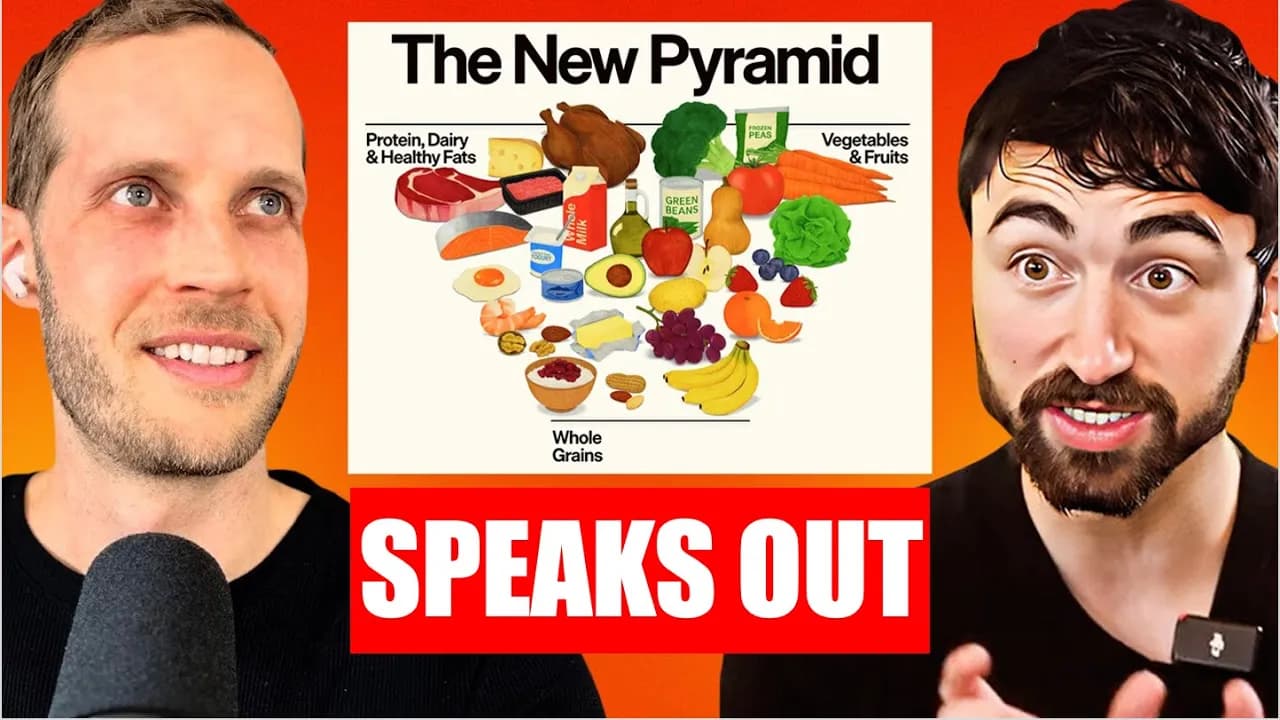
Dietary guidelines are released every five years and serve dual purposes: public communication and informing federal policies for school meals, elderly nutrition programs, and military nutrition. Historical guidelines from 2015 eliminated focus on total dietary fat and dietary cholesterol, though these changes received little public attention. The most recent guidelines represent a substantial departure from previous versions.
The new dietary guidelines contain several significant changes. For the first time, the guidelines explicitly state to eat real food and avoid processed food, packaged food, ready-to-eat food, sugar-sweetened beverages, candy, and cookies. Previous guidelines never stated this because they are jointly issued by Health and Human Services and USDA, with USDA historically steering the ship due to its conflicted mandate of both issuing guidelines and supporting the US food sector.
When scientists have recommended eating fewer refined grains, less processed foods, or less sugar-sweetened beverages, previous guidelines quietly buried or ignored these recommendations. Instead, they focused on nutrient targets, leading to the incorrect message that there are no bad foods and all foods are okay within calorie limits.
These new guidelines also recommend avoiding foods with artificial sweeteners, artificial colors, and artificial preservatives. Combined with restrictions on packaged foods, processed foods, ready-to-heat foods, soda, and artificial additives, this represents 50-60% of the food supply that the government is now advising against consuming.
The guidelines now say to embrace healthy fats, eliminating previous language that warned against energy-dense foods like olive oil and nuts. They recommend prioritizing fats with essential fatty acids, including plant oils with omega fatty acids and seafood with omega-3s and omega-6s.
The guidelines recommend more protein than before, aligning with current American consumption levels. They advise getting protein from a range of sources including plant sources, soy, lentils, legumes, meat, dairy, and eggs. However, industry is misusing this message by adding protein to Pop-Tarts, Starbucks drinks, cheese puffs, and candy, giving a health halo to ultraprocessed foods.
The guidelines finally state that whole fat dairy is fine after years of science supporting this position. There is no evidence that dairy fat causes health harms, and some evidence suggests it could be beneficial for body composition in children.
For young children until age two or three, there is clear evidence that whole fat dairy is preferable because low-fat dairy leads to greater body fat gain. Previous guidelines recommended switching to low-fat dairy at age two, but this is not supported by science. The new guidelines extend whole fat dairy recommendations to age five.
Adults consuming whole fat versus low-fat dairy show similar outcomes for heart disease risk, blood cholesterol levels, diabetes risk, and weight gain. Different dairy types show specific benefits: yogurt appears beneficial for diabetes due to its fermented nature and live probiotics, cheese also shows diabetes benefits as a fermented food, and milk shows particular benefits for blood pressure and stroke regardless of fat content.
The most important recommendation is to consume yogurt and cheese rather than focusing only on milk. Dairy should be chosen without added sugar and without additives. Plain yogurt is preferable to sweetened varieties, though even sweetened yogurt shows relative benefits compared to no yogurt consumption. Whole fat options may be better for those who prefer the taste and might otherwise avoid dairy.
Oat milks and nut milks have different nutritional profiles than regular milk but similar overall macronutrients, nutrients, vitamins, and glycemic impact. Unsweetened versions are recommended, while sweetened oat or nut milks should be avoided.
Approximately 25% of the population carries the APOE4 allele, which affects LDL cholesterol recycling to the liver. Studies examining gene-diet interactions with APOE4 and dietary fats have not found clear, reproducible evidence of significant interactions. For those with APOE4 concerned about cardiovascular disease and dementia risk, the emphasis should be on maintaining an overall healthy diet with plenty of unsaturated fats from plant and seafood sources.
When consuming more saturated fat from whole fat dairy and red meats, it is important to also consume plenty of unsaturated fats from olive oil, avocado oil, canola oil, soybean oil, nuts, seeds, and avocados. Mediterranean-style diets appear to offset any potential harms of saturated fat through unsaturated fat intake. Those consuming relatively low amounts of fat overall may benefit from switching to low-fat dairy to avoid having the bulk of their fat intake be saturated.
The path forward requires advancing nutrition science with significantly increased investment, government policy to activate the private sector, and private sector innovation. Rather than treating food like tobacco with taxation and warning labels, the better approach is to incentivize healthy food production similar to clean energy policy.
Healthcare spending of $5 trillion annually represents the largest potential funding source. Shifting even 1-10% of this budget toward healthy food through food is medicine policies, where doctors can write prescriptions for healthy food, would change incentives across restaurants, supermarkets, food manufacturers, and farmers.
Federal nutrition programs spend nearly $150 billion annually, with SNAP (food stamps) representing about $100 billion. Currently, about one in five dollars in SNAP is spent on candy, soda, and junk food. Twenty-two states are testing approaches to make SNAP healthier while maintaining dignity and food security for low-income Americans.
NIH spends approximately $50 billion annually but allocates only 1-2% to meaningful nutrition research. Shifting 10% of this budget to nutrition research would enable significant discoveries. Additionally, FDA regulation needs improvement, including closing the GRAS loophole and conducting proper post-market review.
Currently, less than 1% of Americans truly eat a healthy diet, while about 50% eat truly terrible diets. The goal should be reaching one in four Americans eating a really healthy diet and half eating a healthy diet through sound government policy.
Food is medicine represents the concept that food contains biologic information and molecules that affect body tissues, similar to how medications work. This does not mean replacing medicine with food or medicalizing food, but rather naturalizing the approach to health by recognizing food's power and potency alongside medical treatments.
Dr. Dariush Mozaffarian is publishing a book titled Food Is Medicine in October 2026 through Macmillan. The book is available for pre-order now on Amazon, BookPal, Macmillan, and other sites. The book is written for the general public rather than being science-heavy or jargon-heavy, similar to the podcast format. It explains the science while providing rules of thumb and guidance for personal diets, along with policy solutions.
Dr. Mozaffarian hopes the book will change the conversation to understand how critical food is to health. He states that food is the biggest issue for health, the economy when counting downstream healthcare consequences, natural resources of the planet, health equity, and national security. He describes food as the single biggest issue and opportunity for humans to make the world a better place.
Links to the book will be included in the description and show notes. The host expresses hope that physicians will read the book, noting that physicians should be educated on nutrition. Dr. Mozaffarian confirms his lab website and LinkedIn are available under his name, Dariush Mozaffarian.
The host thanks Dr. Mozaffarian for appearing on the podcast, stating the conversation was enlightening and educational. Dr. Mozaffarian responds that it was a pleasure to speak with the host.
Keep FoundMyFitness in your library
Save the videos and channels worth coming back to, and find them again in one place.