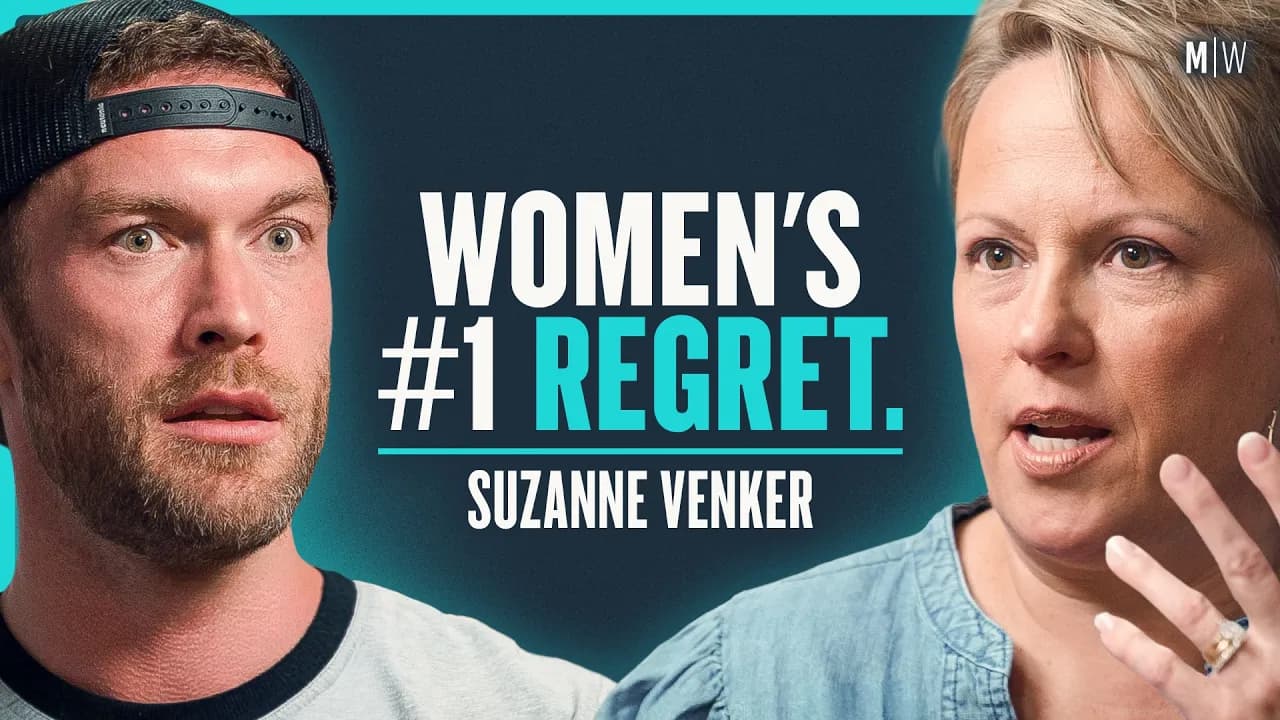
The Impact of Daycare Should Terrify Us All
In a Nutshell
Daycare inflicts chronic high stress on babies through poor caregiver ratios (5-8:1), overstimulation, crying chaos, and separation from primary attachment figures, spiking cortisol and hindering emotional regulation—far worse than home-based alternatives like family, nannies, or shared in-home caregivers. John Bowlby's attachment theory, validated by Stranger Situation studies and neuroscience, shows insecure attachments at 12 months persist lifelong (72% rate), linking to depression, anxiety, and dysregulation; generational patterns amplify this via parental behavior shaping preverbal brain wiring. Prioritize parental presence (especially 0-3 years) over institutional care to foster secure attachment and prevent mental health crises.
These notes were generated by AI and may contain inaccuracies.
Daycare separates babies from their primary attachment figures and places them in institutional settings with caregiver-to-child ratios of no less than 5:1, usually 8:1. Research shows salivary cortisol levels go through the roof, putting babies into high stress states. They are separated from their mother's bodies and the person meant to make them feel safe. Daycare is a loud, overstimulating setting with babies crying, transient caregivers alternating, some absent due to sickness, and new caregivers frequently.
It's the worst possible caregiving situation for a child. Better alternatives if parents must work:
- Best: mother or father as primary attachment figure.
- Next best: kinship bonds (family or extended family with similar emotional investment).
- Next: single surrogate caregiver, nanny, or babysitter as alternative attachment figure providing security in the home.
- If can't afford that: share a caregiver (common in California), splitting cost for one caregiver handling 2-3 children in your home, reducing the ratio with agency over the caregiver. Private daycare in-home without travel, cameras possible, direct observation.
Child avoids high stress state of screaming and crying. Daycare centers would make adults cry too.
Crying babies everywhere. One caregiver can't soothe 8 babies in distress simultaneously. Parents with attachment disorders think it's better for someone else to care for their child without considering the caregiver's capacity for 5-8 children. Parents shut down empathy, ignoring their baby's vulnerability and suffering.
John Bowlby is the father of attachment theory. Stranger Situation studies since the 1960s, repeated extensively. Researcher Beatrice Beebe in New York; speaker volunteered in her studies as a social work student.
Stranger Situation procedure: Mother and baby play in a room, stranger enters, mother leaves, mother returns for reunion. Observes baby's reactions, interactions with mother/stranger, and reunion.
Longitudinal research from 1960s shows if not securely attached at 12 months, 72% not securely attached 20 years later. Insecure attachment tied to depression, anxiety, borderline personality disorder. Now supported by neuroscience and epigenetics research.
Not genetic heritability but generational expression or inheritance of acquired characteristics. Genetic sensitivity inherited, but environment shapes it. Insecurely anxious mother more likely produces anxiously attached baby; avoidant mother produces avoidant baby; disorganized/borderline mother produces disorganized/borderline child. Called generational expression of mental illness.
Predisposition vs. predetermination. Reference to Plomin (fifth most cited psychologist 20th century, grandfather of behavioral genetics). First few years: raw materials (genetics) expressed through parents' behavior, which forms the environment. Anxiously attached mother reinforces anxiety in child with matching raw materials, all preverbal (before age 9-10 memories).
You want to be in the room where it happens. The room where it happens is 0 to three.
Preconscious memory shapes personality.
Nature vs. nurture: Born with constitution including aggression. Babies born dysregulated and aggressive (most aggressive people are three-year-olds; newborns go 0-60 from happy to screaming).
Babies born like sailing a sailboat in a Pacific storm. Mother physically/emotionally present, calm, soothing every distress via skin-to-skin, soothing tone regulates to Caribbean sunny day homeostasis (manageable waves, not flatline). Daycare (disappearing 10 hours/day) prevents learning regulation, leading to dysregulated children in school/adolescence, explaining mental health crisis.
Aggression constitutional. John Bowlby eliminated maternity wards: Babies taken from mothers post-birth to wards with screaming babies; mothers rested separately. Nurses didn't recognize babies by smell/voice/eyes. Bowlby advocated rooming-in. Studied global cultures; wrote Attachment and Separation—universal need for attachment security for emotional regulation.
Non-alcoholic brews (IPAs, Hazy Goldens) taste like real beer, no hangover. Enjoy ritual without wreckage. Available at grocery/liquor stores or online variety pack. 15% off first order at athleticbrewing.com/modernwisdom with code modernwisdom.
Keep Chris Williamson in your library
Save the videos and channels worth coming back to, and find them again in one place.