The Rise and Fall of Gilt Groupe
In a Nutshell
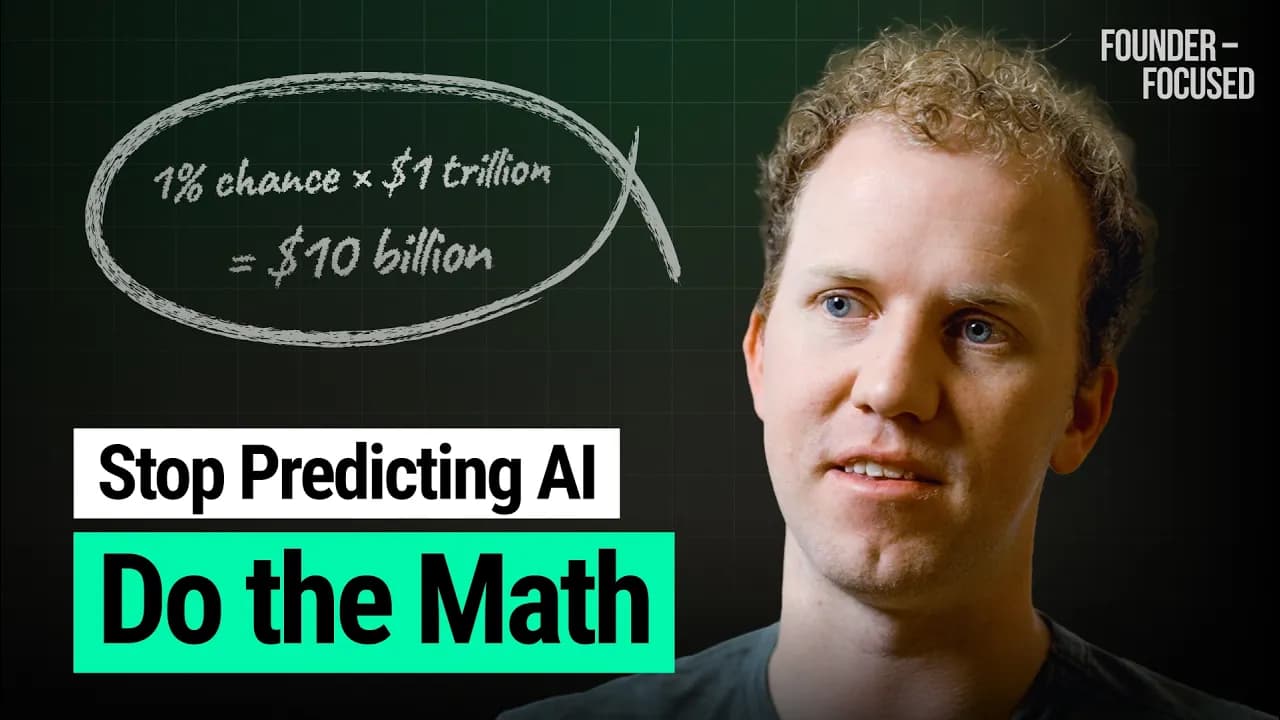
Gilt Groupe's founders spotted the flash-sale opportunity from Vente-Privée but never built a defensible moat; once brands launched their own sites and competitors like Farfetch entered, Gilt’s model collapsed and the company sold for just $250 million. The takeaway is that second-order thinking can reveal trends, yet without a sustainable edge any early advantage erodes quickly. True opportunity now lies in solving unsolved problems—cancer cures, clean energy, mental-health breakthroughs—not in mature e-commerce plays.
These notes were generated by AI and may contain inaccuracies.
If you were hosting a company offsite meeting and imagining where different industries would be 10 years from now, common mistakes people make when making trend predictions or forecasts include lacking a structured approach. There is no formula for identifying opportunities or ruling out attractive but suicidal initiatives, so gut feeling, instinct, and guesswork are involved. One framework is to think about second-order effects: if Shopify is doing very well, consider who works with them and supplies them with their goods, then identify the second-order opportunities that emerge. Those who supply spades and shovels to data centers are doing very good business, and examining what changes in their behavior reveals whether this causes people to stop doing something or start doing it more.
An example from 2003 illustrates this principle. Bandwidth prices were coming down, and the reason there was no video in 2003 was that it cost about $10 per thousand to serve content and about a dollar could be earned from advertising, so that model didn't work. The trend was clear that by 2005 or 2006, prices would have reached a certain level where video would become viable. The decision was made not to start a video platform at that time, but YouTube started in 2005 and enjoyed great success, eventually becoming a company worth $300 billion today.
Gilt Groupe was an exceptional case. Time was spent in France, where a French passport was held and French was spoken, and in 2006 everyone in France knew Vente-Privée, which was basically the Gilt of France. They were making a billion dollars with the idea of flash sales, where they would discount products from famous brands at certain times of the day. This was equivalent to sample sales in New York, where walking past a sample sale revealed about 200 women standing in line. People who live in Philadelphia or Austin don't have sample sales there, but many people would like to stand in that line, and these people didn't understand the opportunity.
Gilt was started and became an incident. In the second year, $175 million was made in merchandise. The business required buying products, packaging them, selling them, and handling returns, and these things were done wonderfully. In the fourth year, $500 million was being earned, which was a long time ago. Then the problem was, as always, the market went against the business.
When Gilt started, Marc Jacobs in 2008 and 2009 did not have a website because they sold to Bloomingdale's and others in the wholesale business. Why would they have a website? They eventually created a website and started giving discounts on their goods. Gilt was filling that void. At that time, Macy's had a horrible website, which they brought to a moderate level by at least 2011 or 2012, and other department stores did the same. Then came Farfetch. Suddenly there was competition with many people for that product. It became a bit of a common product and there was no way out of it.
The experience raises the question of how to seize an opportunity but avoid falling behind when 10 other people are effectively doing the same thing. This comes back to whether there is a secure moat. The strategy was to get big enough to have that moat, and growth occurred, but not big enough. Talking to Theory once revealed they had 20,000 items to sell at the end of the season, but only a thousand could be bought. That would not have done them any good, and the level where the market could be influenced was never reached. It's hard to know exactly how big growth will be, how fast it will occur, or how successful it will be compared to vendors. The goal was almost not reached.
The decision was made to go to the board and say the company should be sold. Everyone said the company was worth a billion dollars and thought it could sell for $400 million, which was disappointing. The response was that there was a falling knife, so the company went out and only got $250 million. Saks came and paid for it, and three years later they said they would sell it for $5 million. It wasn't a great sale, but it was a lot better than it could have been because the direction things were going wasn't favorable.
The conclusion from this experience is that e-commerce wasn't actually attempted. E-commerce is very mature and has been solved. Startups have to solve a problem, and even if you don't realize there's a problem, when you see the solution, you'll say that was a problem for me too. Now anything can be delivered to a house in 27 seconds, it can be returned, and it's cheap, so there is no idea how to do it better than that. While there are many things to be created in areas like cancer cures, nuclear power, psychedelics, and many more that have not yet been done and which will greatly improve the world.
Keep Tim Ferriss in your library
Save the videos and channels worth coming back to, and find them again in one place.