The Truth About the Bezelless Concept Phone
In a Nutshell
The video shows that zero-bezel phones remain impractical with current display technology, as Tecno's 2026 concept device hides a small bezel beneath a raised metal frame that creates worse usability problems than the 1-2mm bezels on modern phones. The raised edge interferes with swipe gestures and prevents proper case installation, making the design a marketing showcase rather than a viable solution. The core takeaway is that bezel reduction has reached practical limits where further pursuit creates more problems than it solves.
These notes were generated by AI and may contain inaccuracies.
Screen-to-body ratio was a major headline specification in smartphone presentations for several years as bezels continued to shrink. The industry consensus held that less bezel equals better, with higher screen-to-body percentages indicating technological improvement. However, display technology limits eventually became apparent.
Xiaomi Mi MIX phones represented one creative solution to the bezel problem. Samsung introduced curved edges with waterfall displays to create the illusion of minimal side bezels. The Xiaomi Mi MIX Alpha took this further by curving the display around to the back of the phone, achieving an official screen-to-body ratio over 100%.
Curved displays introduced several practical issues: reduced durability, increased reflections, and accidental touches. These problems led to the gradual abandonment of curved edge designs. Modern premium phones have settled on 1- to 2-millimeter bezels surrounding the display on all sides.
Some users now view 1- to 2-millimeter bezels as unacceptable, despite the significant improvement from earlier designs. This reaction appears disproportionate given the technical constraints of current display technology.
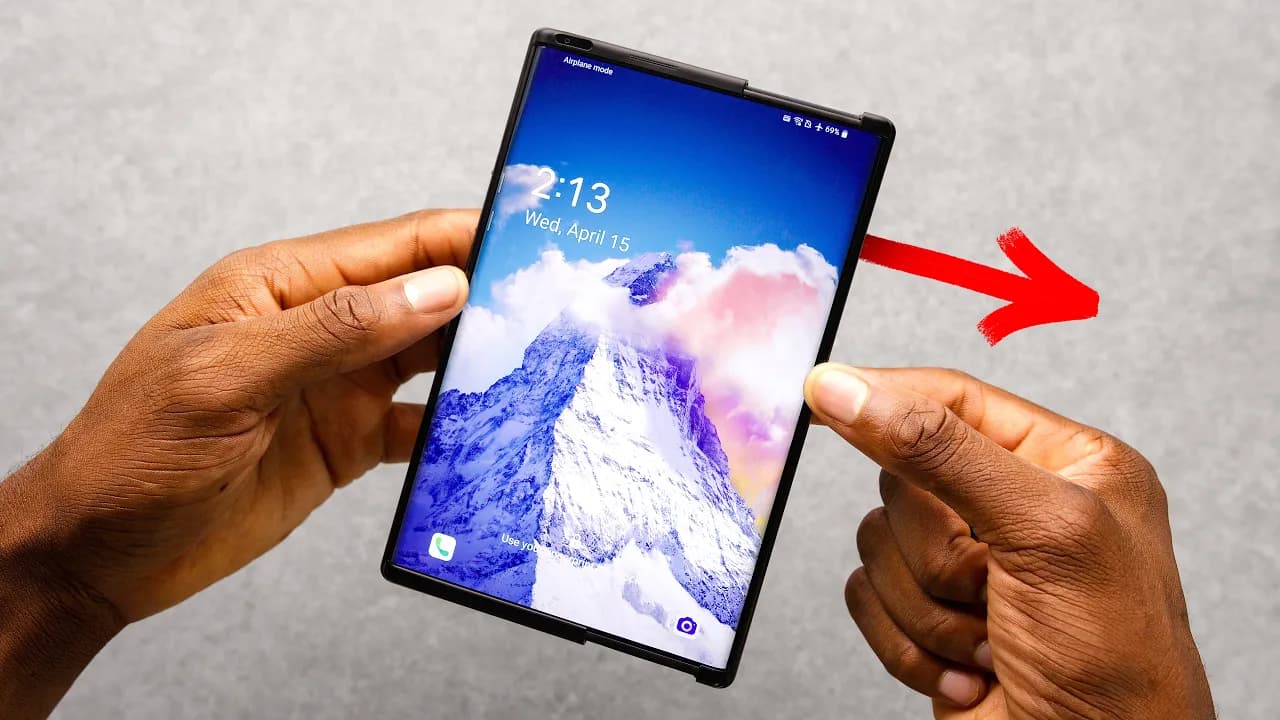
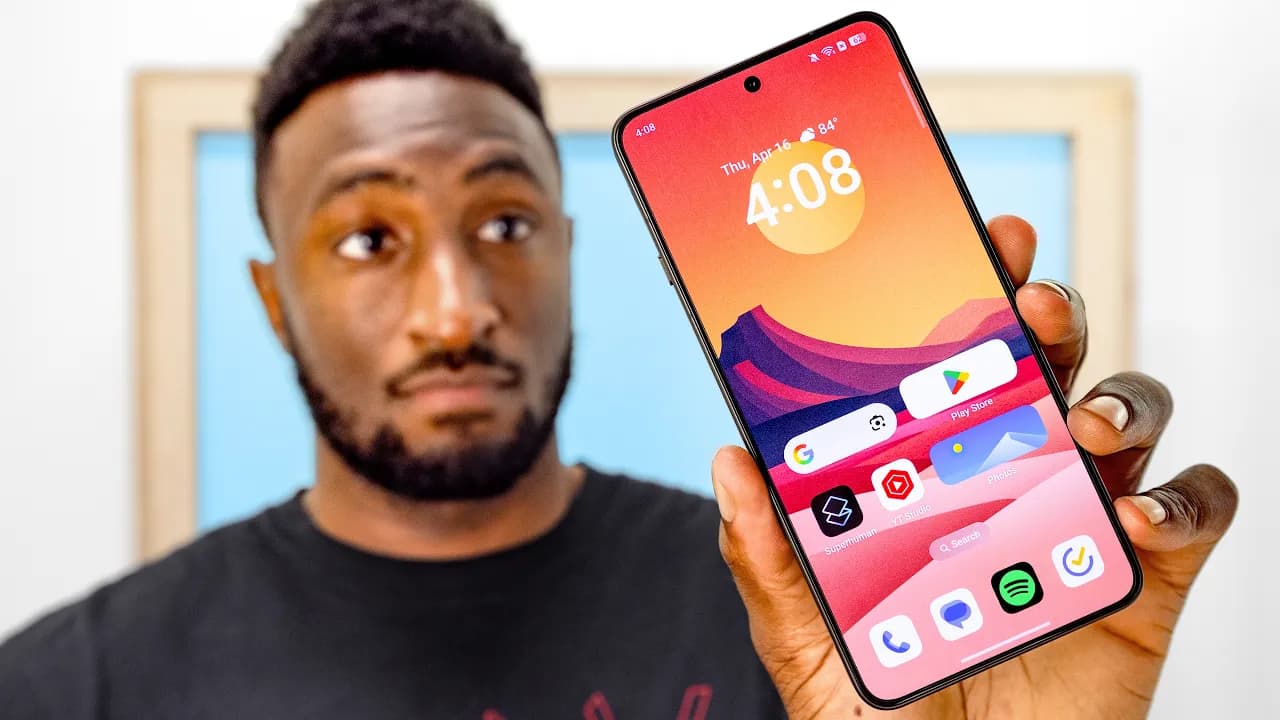
Tecno sent a 0-millimeter bezel concept phone for review in 2026. The device features a 6.7-inch display that appears to have zero bezels from corner to corner. The silver visible around the display is the phone's metal mid-frame, not a display bezel.
The design achieves the zero-bezel appearance through internal display stacking. The flat screen sits slightly lower than the raised metal frame, creating the visual effect of no bezel when viewed straight on. However, tilting the device reveals the small bezel hidden beneath the frame.
The raised frame creates a rough edge that interferes with swipe gestures, particularly when accessing notifications from the top or navigating home from the bottom. This edge disrupts the immersion more than a traditional small bezel would, and makes case installation problematic since the case would overlap the display area.
The concept phone demonstrates that a small bezel remains necessary with current display technology to maintain smooth user interaction and accommodate protective cases. The device serves primarily as a showcase of unique design capability rather than a production-ready product.
The concept phone includes solid specifications: a bright 144Hz display, triple rear cameras, and a 6000mAh battery. Despite these internals, the device feels exceptionally lightweight, almost like a non-functional dummy unit.
Tecno's press release describes the bezel-less design as redefining phone interaction in the AI era by removing visual barriers between digital content and the real world. This marketing language appears overstated for what is essentially a design demonstration.
The back of the phone features a more visually striking design than the front: a holographic 3D butterfly wing pattern created with lenticular lens technology. This effect is difficult to capture on camera but creates an extremely striking visual appearance in person.
Keep Marques Brownlee in your library
Save the videos and channels worth coming back to, and find them again in one place.