This Startup Rebuilt The Palisades First
In a Nutshell
Startup Cover built the first post-fire home in Pacific Palisades using factory-made steel panels, completing construction in one year despite California's permitting delays. Their modular panel system enables flexible layouts, seismic/fire resistance, and faster assembly than traditional wood framing. The company aims to scale from dozens to thousands of homes annually through increased automation and standardized components.
These notes were generated by AI and may contain inaccuracies.
This house represents the first ground-up construction since the Pacific Palisades fires hit Los Angeles in 2025. The modern, bright home belongs to Sue, a longtime Palisades resident. The house was completed faster than other rebuilds because much of it was pre-built in a factory by startup Cover.
Cover operates with the goal of taking on California's regulatory bureaucracy to build homes more efficiently. The company challenges the state's reputation for extensive regulation and graft. This project demonstrates that new construction can happen amid the fire ruins, prompting investigation into how such a project was permitted.
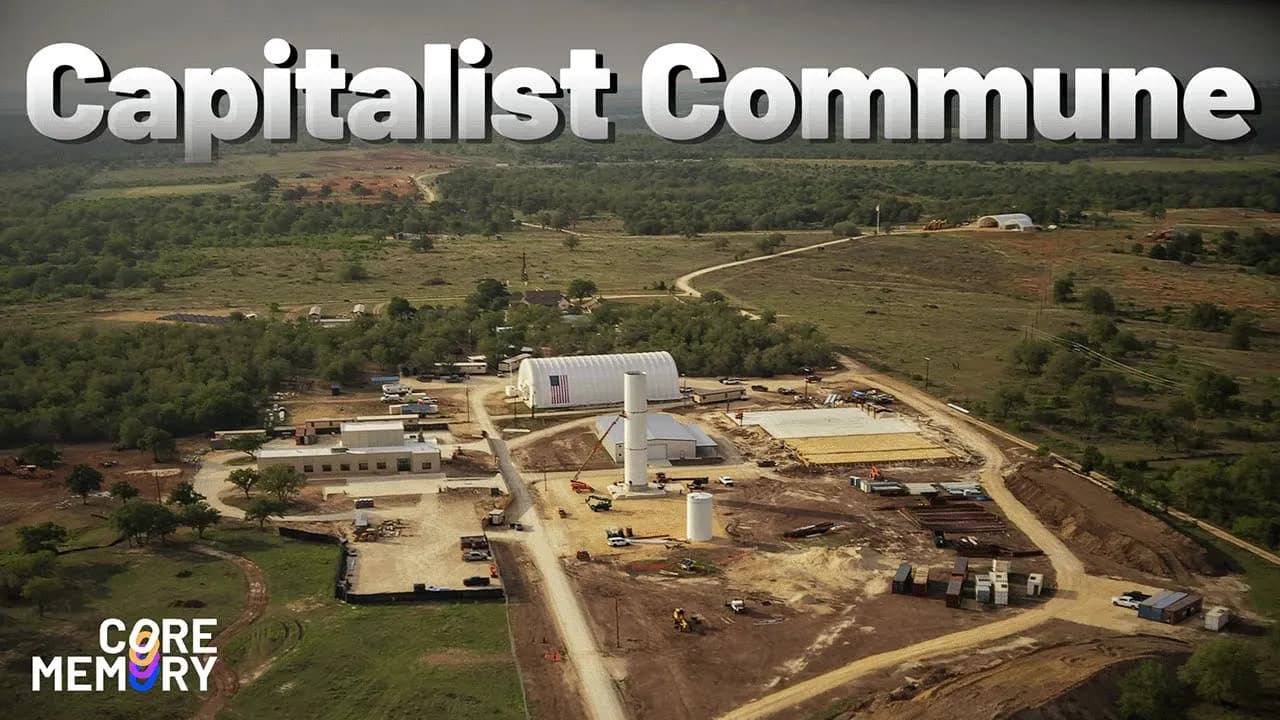
Cover's headquarters and factory are located in Gardena, approximately 10 minutes from SpaceX and 15 minutes from LAX. The facility was previously an aerospace factory used for heavy machining, including helicopter doors with a 70-foot CNC machine.
Cover's approach treats home construction like automobile manufacturing - using assembly lines with standardized, interchangeable parts. The company integrates software to streamline both home design and the California permitting process. Unlike traditional prefab companies that offer limited pre-designed models, Cover focuses on modular panels as the scalable component.
Cover homes are positioned as premium rather than budget options. Key characteristics include:
- Steel construction instead of wood
- No drywall used
- Limited selection of high-end finishings
- Aluminum windows and doors typical of higher-end homes
In an idealized scenario, Cover built an identical home in Los Angeles with permits obtained in one month and 45 days total construction time, including foundations and sewer line connections. The ceiling system features click-in panels that allow electrical and plumbing routing, enabling easier future servicing compared to traditional wall-embedded systems.
Previous prefab failures often resulted from scaling too quickly or attempting to build entire homes rather than modular components. Cover's strategy centers on standardized panels as the scalable elements, allowing virtually infinite layout combinations including courtyards, L-shapes, S-shapes, and U-shapes while maintaining 90-degree angles throughout.
Steel construction provides multiple benefits:
- Superior seismic performance
- Enhanced fire resistance
- Better manufacturability characteristics
- Resistance to termite damage
Current operations remain at an iteration stage with limited automation. Future scaling involves investing in tooling to increase production capacity significantly. The company delivered several dozen homes in version 1, plans to reach hundreds from the current facility, then move to a larger factory with heavier automation to achieve thousands of homes.
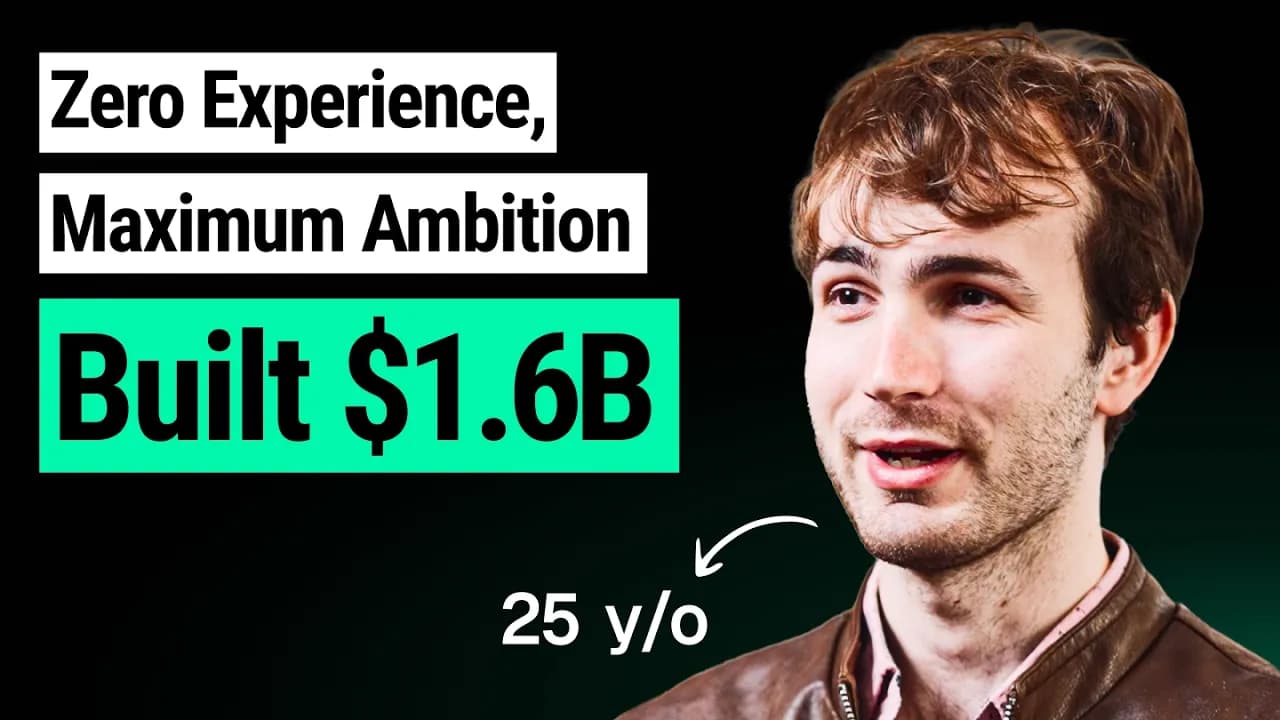
Alexis Rivas, Cover's co-founder and CEO, is Canadian-born with architecture education. His interest in home construction began early, requesting architecture books as gifts and helping family friends design homes at age 14. He assisted his grandparents with their home construction around the same age, observing the conventional construction industry's pain points firsthand.
The Palisades area shows homes being framed quickly approximately one year after the fires. While some houses remained standing with cosmetic and smoke damage, and others were repaired, Cover achieved the only complete rebuild. Governor Gavin Newsom took credit for the accomplishment.
Sue lived in the Palisades for 40 years in the original house. During the fires, her daughter from Palisades Highlands came down because no previous fire had reached that far. After 45 minutes, they evacuated to Venice. Sue learned of the damage through her alarm company when smoke detectors activated. A friend recommended Cover, leading to the new construction.
Sue's new Cover home includes an ADU for a combined six bedrooms and three and a half bathrooms across 3,000 square feet. The design emphasizes brightness, cleanliness, and contemporary aesthetics with ocean views from bedrooms.
Notable design elements include unobstructed ocean views from bedrooms and appliance counters that can be closed when not in use. The homes have a clinical, Scandinavian aesthetic. While not cheap, they appeal to buyers seeking modern, sturdy construction compared to typical California plywood and cardboard construction.
Sue's home took approximately one year to complete, longer than Cover's idealized one-month timeline, primarily due to permitting challenges and the site's unusual nature. Alexis Rivas has lived in a Cover home previously and plans to do so again, noting significant backlog demand prevents him from cutting in line for the next available unit.
Keep Core Memory in your library
Save the videos and channels worth coming back to, and find them again in one place.