What it would take for the U.S. to secure Iran's highly enriched uranium | 60 Minutes
In a Nutshell
Iran possesses enough highly enriched uranium (HEU)—nearly 1,000 lb at 60% purity, enough for 10-11 bombs—likely hidden in deep underground tunnels at sites like Isfahan, unverified since last June amid ongoing war. The US could secure it via a cooperative deal like 1994's Project Sapphire, which airlifted 1,300 lb of 90% HEU from Kazakhstan using diplomacy and NNSA experts, or through a high-risk military operation requiring thousands of troops, weeks of perimeter control, and heavy equipment to excavate and extract it despite Iranian defenses and casualties. Experts stress that bombing alone can't eliminate the threat or Iran's knowledge, emphasizing the need for verified agreements with in-depth international monitoring for a lasting solution.
These notes were generated by AI and may contain inaccuracies.
The fate of the war between Iran and America hangs on HEU, highly enriched uranium, essential for nuclear weapons. Iran has enough HEU to make 10 atomic bombs. International inspectors have not verified Iran's stockpile since last June, when the US and Israel struck three nuclear sites. Over the last 7 weeks of war, President Trump insists the US will secure whatever is left, either with boots on the ground or by striking a deal with the Iranian regime to allow scientists to secure the stockpile and bring it to the United States.
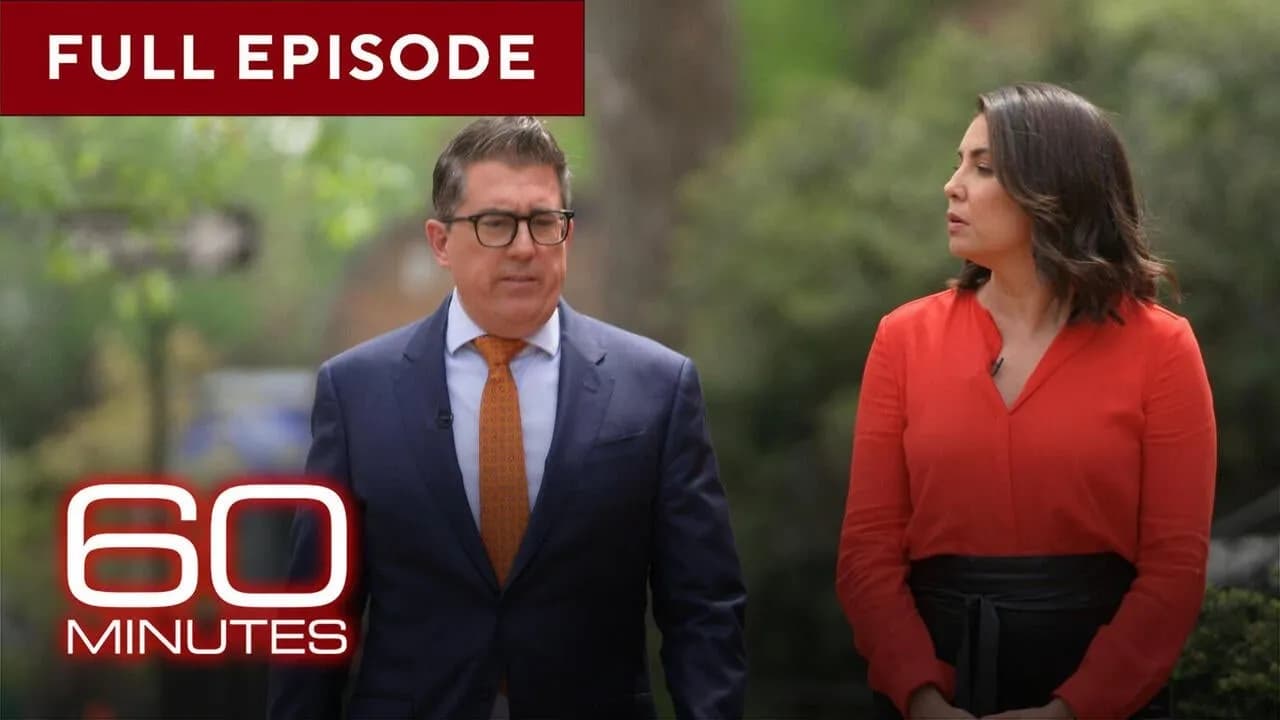
This option was done before in a high-stakes mission after the Soviet Union fell apart. In 1994, Iran was pursuing nuclear material. Andrew Weber, a young foreign service officer in Kazakhstan (fourth largest nuclear arsenal left by Soviets), discovered HEU in a factory meant for nuclear power. Using diplomacy and a moose hunting trip, Weber built trust with the factory director. The director passed a note: U-235, 90%, 600 kg—dozens of nuclear weapons. Uranium enriched to 90% is ready for bombs.
Revelation reached President Bill Clinton. US and Kazakhstan agreed: US would take the stockpile to prevent Iran and North Korea from acquiring it. They could have bought the 90% enriched uranium metal to fabricate bombs quickly. Weber led Project Sapphire, the first of its kind. He photographed canisters with over 1,300 lb of bomb-grade uranium, protected only by a militia woman with a sidearm and an antique shop padlock.
Three C-5 Galaxy cargo planes carried 31 specialists from Departments of Defense and Energy, plus 450 drums for nuclear cargo (strong enough for plane crash). Covert under humanitarian mission cover. Over 30 people worked 5-6 weeks in secrecy to package it. Every gram secured, loaded on rickety Soviet-era trucks on a snowy night with black ice—most vulnerable moment. Kept secret from Iranians and criminals. Planes flew it to Oak Ridge, Tennessee Department of Energy complex. Took 6 weeks total.
Weber became Assistant Secretary of Defense for nuclear deterrents. In Iran, unilateral team entry risky; need secure perimeter with thousands of US troops while experts excavate HEU in deep tunnels at Isfahan nuclear facility under a mountain in Iran's desert. Most HEU in scuba tank-sized containers, possibly beyond bunker-busting bombs. Satellite images: Iranians blocked tunnel entrances with dirt weeks before war; roadblocks two weeks ago, suggesting fear of US/Israeli raid.
US special forces train for deep underground facilities. Dr. Matthew Bunn (former White House nuclear advisor, Harvard Belfer Center) monitors Iran: satellites show surface only, not inside buildings or underground. Trump claimed Iran's program obliterated after June strikes—not true; still enough material for nuclear bombs. Strikes and war set back capabilities, but remaining substantial; can't bomb away knowledge.
UN inspectors: Iran has nearly 1,000 lb (970 lb) of 60% enriched uranium—enough for 10-11 nuclear bombs with little more enrichment. Concern over Pickaxe Mountain: satellite images from February show entrance to massive nuclear facility under solid rock.
Can you bomb your way to Iran's stockpile and remove it? I don't think there is a lasting, durable solution to Iran's nuclear program through military means.
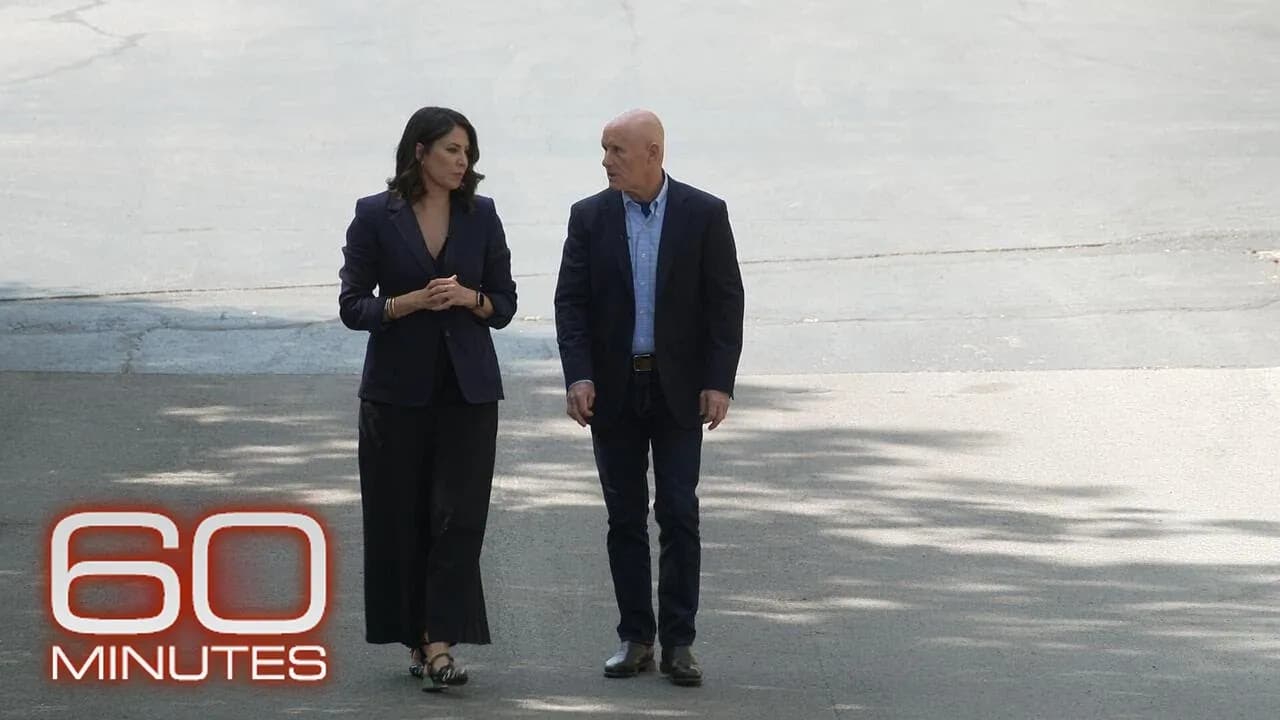
Scott Roecker (former NNSA top official, left 2021): NNSA ($24B agency in Department of Energy) would lead if deal with Iran. Used Project Sapphire lessons to remove 16,000 lb HEU from countries worldwide to US. Key: agreement with willing partner cooperating hand-in-hand.
Can it be done without that? I've never seen it done without that. Never in my experience.
Roecker would return for Isfahan in a heartbeat. Trump said Iran agreed to hand over stockpile (“nuclear dust”) for war-ending deal; Iran denied.
Iran will not have a nuclear weapon and we're going to get the dust back. We'll get it back either we'll get it back from them or we'll take it.
Operation worth risking American lives. Retired Vice Admiral Robert Harward (former Navy SEAL, Deputy US Central Command): high-risk, weeks-long, large footprint all military branches. Occupy territory, force way in. Secure full perimeter; bring bulldozers for rubble, build landing strip. US military does this—built runway in Afghanistan desert for C-17s.
Threats: Iranian drones, remaining missiles—real threat to ground time and force. Expect casualties; plan for them. Fragile ceasefire expires Wednesday.
Dr. Bunn: Nuclear agreement needs no trust, but verification. Iran lied about nuclear weapons effort for 20+ years, claiming 100% peaceful despite evidence.
What specifically does the United States need Iran to commit to? No highly enriched uranium and in-depth international monitoring. That's most essential.
Difficult post-war, Trump's strikes after pulling from talks. Not optimistic; few realistic tools for Iran's nuclear program long-term.
Keep 60 Minutes in your library
Save the videos and channels worth coming back to, and find them again in one place.