What Your Hands Are Warning You About Your Heart
In a Nutshell
Certain hand and finger signs—weak grip strength, ring finger lift, clubbing, white or yellow nail changes, and fine bilateral tremors—reveal elevated risks for heart attack, diabetes, high cholesterol, thyroid problems, and poor oxygenation. Grip strength is a stronger mortality predictor than blood pressure, and the presence of any of these signs warrants immediate checks of A1C, fasting insulin, thyroid function, and coronary artery calcium. Early detection through simple hand observation can prompt dietary and metabolic interventions that improve cardiovascular outcomes before symptoms appear.
These notes were generated by AI and may contain inaccuracies.
Making a fist and squeezing it as hard as possible provides more information about heart health than blood pressure. Between 45 and 50% of heart attacks are completely silent with no preceding symptoms. Even individuals with high blood pressure and normal cholesterol can experience heart attacks, and heart attacks can occur without chest pain.
A 2015 study published in The Lancet found that for every 5 kg (11 lb) of grip strength lost over time, the risk of dying from a heart attack increases by 17%. Multiple studies confirm that grip strength is a stronger predictor of heart disease mortality than blood pressure. Minimum healthy grip strength thresholds are 81 lb (37 kg) for men and 51 lb (24 kg) for women. Without a grip strength tester, practical indicators include difficulty opening jars or weak handshakes.
When the ring finger lifts off the table with ropy or tense skin in the palm, this indicates underlying metabolic issues rather than a primary hand problem. A review of 32 studies showed people with this condition are three times more likely to have diabetes and nearly three times more likely to have serious liver disease. A 23-year study of over 30,000 people confirmed these findings.
Prolonged high blood sugar causes extra sugar to stick to proteins and damage them, a process also correlated with cardiovascular damage. Anyone whose ring finger does not lie completely flat should have blood sugar checked. The body operates on ten key signals including insulin, cortisol, inflammation, sleep quality, and gut function, with one dominant signal often holding everything else back.
Normal fingers show a clear angle where the nail meets the skin. Clubbing occurs when this angle shifts and the fingertip bulges like a drumstick. Approximately 75% of clubbing cases originate from lung conditions that can indirectly affect the heart, while 10-15% come directly from heart problems. New clubbing noticed within the last six months warrants medical evaluation.
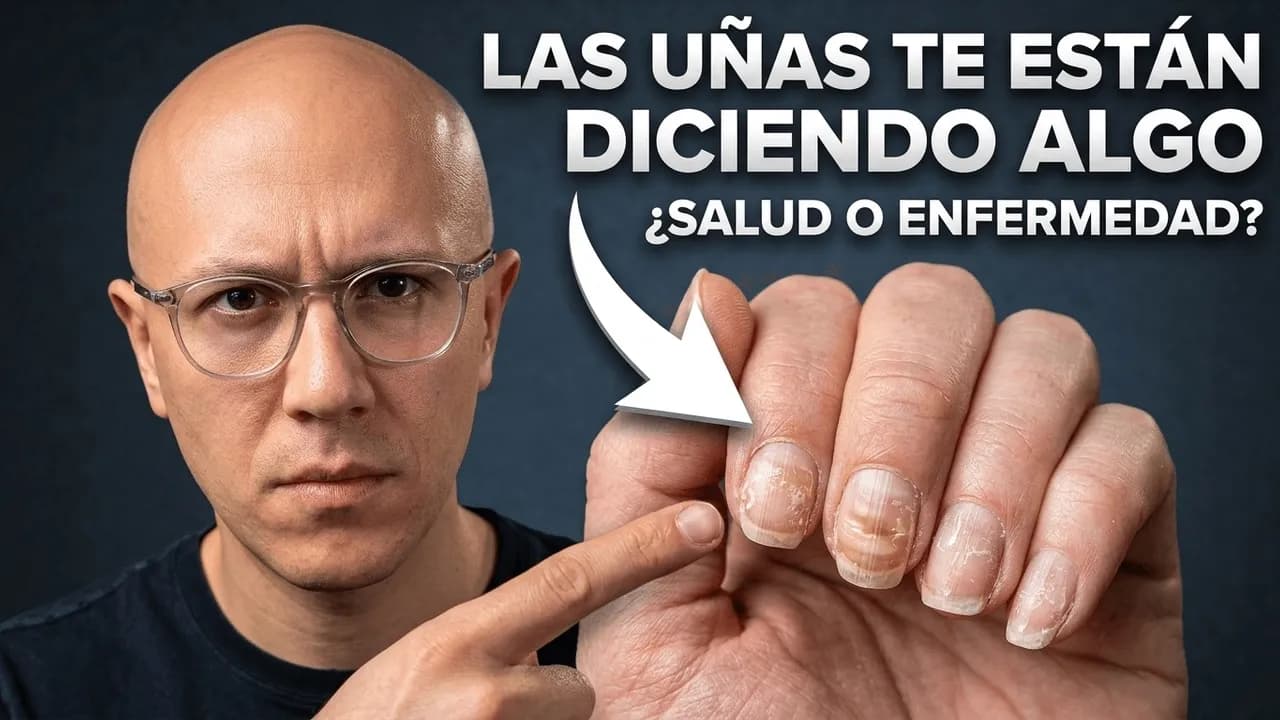
Healthy nail beds have a pink color. When the heart is not functioning properly, nails can appear white or cloudy. A case example involved a 54-year-old construction worker named Robert who presented with a finger contracture. His nails appeared cloudy and white despite no clubbing. History revealed high refined sugar and carbohydrate intake, and his A1C was elevated indicating prediabetes. After coordinated care including nutrition, sleep, and exercise improvements, his EKG and heart tests improved, though the contracture remained due to scar tissue.
When extending the fingers, small tendons visible on the back of the hand may show firm yellow bumps. These indicate possible cholesterol buildup, particularly in individuals with genetic predisposition to high cholesterol. A study of 951 people linked these bumps to a 36.7% increase in heart attack rates. For women over 51, the risk increases 17 times. An advanced lipid profile test is recommended over standard cholesterol testing to assess particle size, as small dense particles pose greater cardiovascular risk.
A tiny, fast quiver present in both hands simultaneously may indicate hyperthyroidism. Approximately 75% of people with an overactive thyroid exhibit this tremor, accompanied by warm and slightly damp hands. Anyone experiencing bilateral hand tremors should have thyroid function checked.
Cold hands do not necessarily indicate poor circulation. They often relate to the autonomic nervous system and fight-or-flight response, which can affect circulation in connection with heart function. Cold hands triggered by stress require deeper investigation, whereas cold hands unrelated to stress are less likely to be heart-related.
Recommended assessments include grip strength testing, resting heart rate (target below 75 bpm), A1C testing for three-month blood sugar average, fasting insulin test (keep as low as possible), thyroid testing for hyperthyroidism, and coronary artery calcium (CAC) test. For suspected cardiovascular concerns, the most important next step is learning appropriate dietary approaches for the cardiovascular system.
Keep Dr. Eric Berg DC in your library
Save the videos and channels worth coming back to, and find them again in one place.