5 Signs of Clogged Arteries You Can See in the Mirror Doctor Explains
In a Nutshell
A diagonal earlobe crease, yellow eyelid patches, a corneal arcus ring before age 45, leg pain when walking, and erectile dysfunction are five visible or felt clues that arteries may already be narrowed. These signs are linked to 2- to 4-fold higher risks of heart attack or stroke, often appearing years before chest pain, and they signal the need for ApoB testing and a coronary artery calcium scan rather than cosmetic fixes. Early detection gives a 2- to 5-year window to act before major events occur.
These notes were generated by AI and may contain inaccuracies.
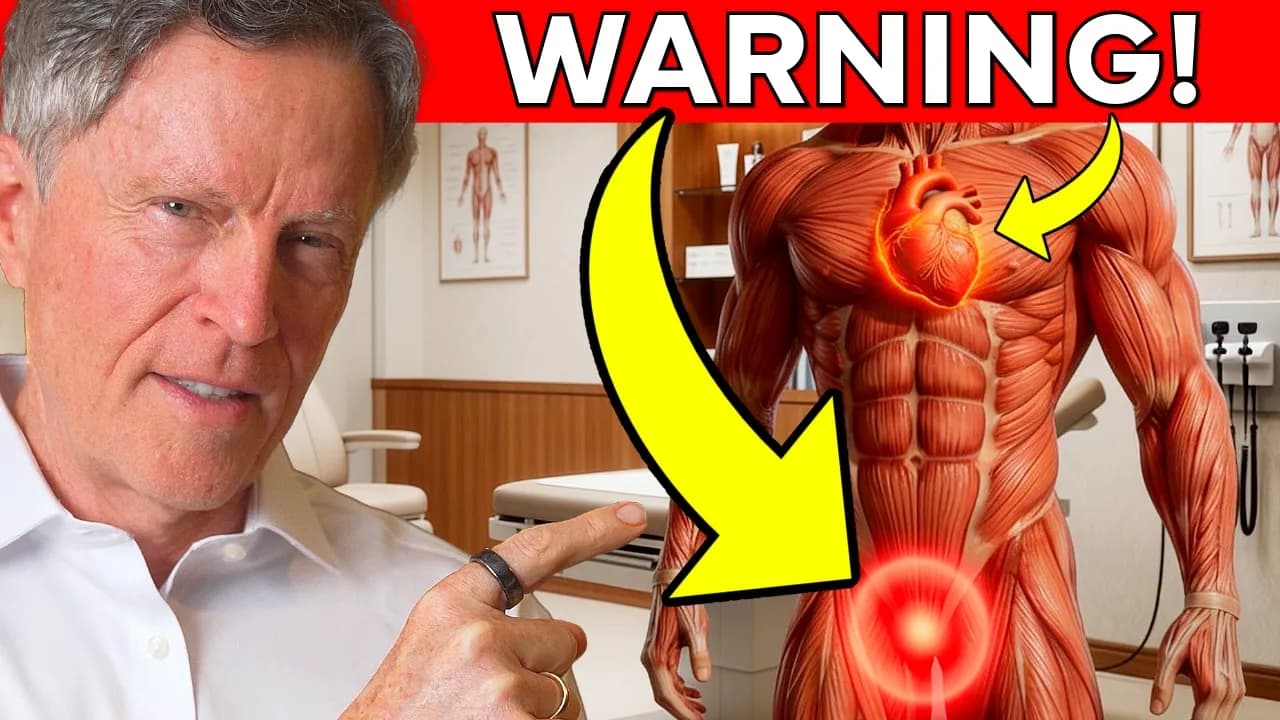
Most people think clogged arteries stay completely silent right up until the heart attack, but that's not the whole story. Your body can leave clues, some you can literally see in the mirror, years before that day ever comes. And no, I'm not talking about chest pain. By the time your chest hurts, the problem has usually been growing for decades. Today, I'm giving you five signs that your arteries may already be narrowing on your ears, your eyelids, your eyes, and your legs. Signs most people don't know exist. One of them might be on your earlobe right now, and it's linked to a 300% higher risk of heart disease. Stay with me because number five shows up about 3 years before chest pain does, and most people are too embarrassed to ever mention it to their doctor. I'm Dr. Kabir Harricharan Singh a practicing physician who's board certified in both family and obesity medicine and my goal isn't to scare you. It's to help you catch this early while you still have time to change the story. Quick disclaimer: Even though I'm a physician, I'm not your physician. This is educational information only, not personal medical advice. Always talk with your doctor before making any changes to your health regimen.
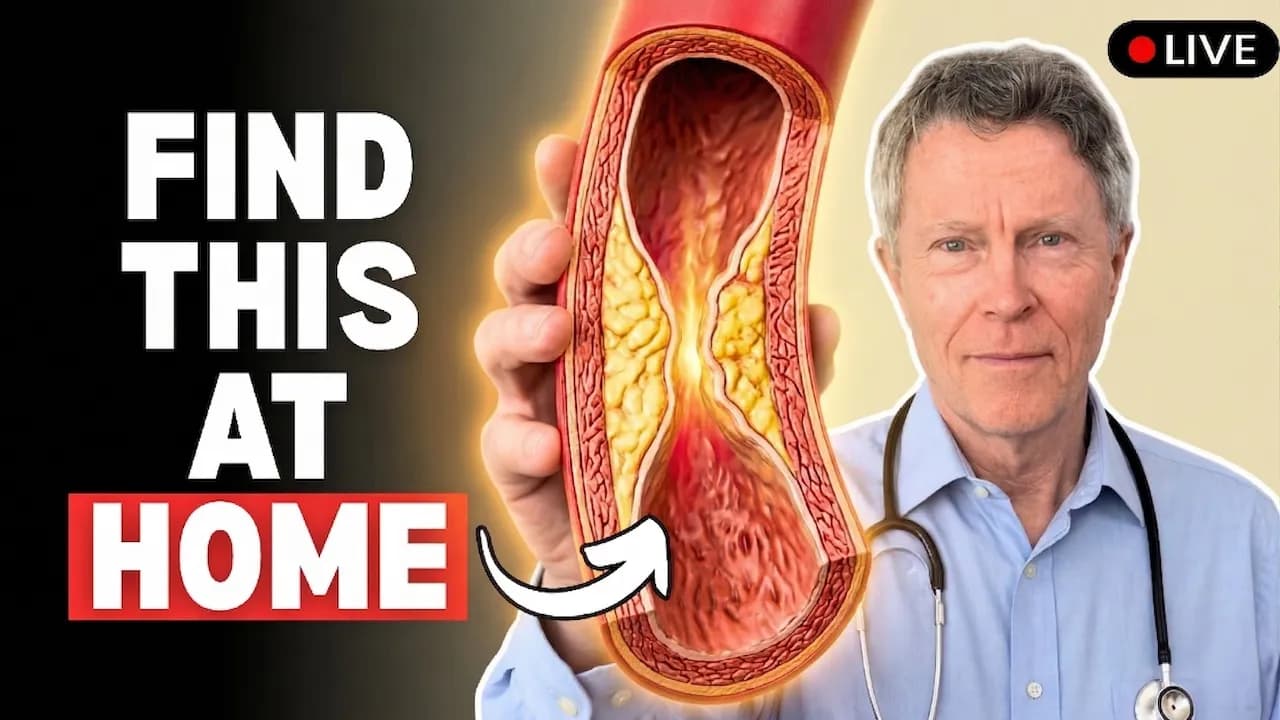
First, here's what's actually happening. Plaque building up inside your arteries. Doctors call it atherosclerosis is slow, really slow. In a large study called PDAY, researchers looked at the arteries of young people ages 15 to 34 who had died from accidents and other outside causes. In the 15 to 19 year olds, every single aorta, the large central artery that carries blood from your heart out to the rest of your body, already showed early plaque changes. About half of them had changes in an artery around their heart, too. So, the plaque itself isn't the surprise. The surprise is how long it can grow before anyone notices. Think of it like rust on a car. By the time you see the paint bubbling, the rust has been working underneath for a long time. These five signs are the bubbling paint.
Sign number one, a diagonal crease in your earlobe. Go ahead and look at your ear in the mirror. I'm talking about a deep line that runs at an angle about 45 degrees from where your ear canal starts down and back towards the edge of your earlobe. Doctors call this Frank sign named after the physician who first described it back in 1973. Now, here's the part that surprised a lot of doctors. A review that pulled 12 studies, nearly 5,000 people who had their heart arteries looked at directly, found that people with this crease had about four times the odds of having a coronary artery disease, the kind that causes heart attacks. That's the 300% higher risk I mentioned at the start. And in all of the studies that checked, the link held up even after accounting for age and the usual risk factors. So why would your ear have anything to do with your heart? We don't know for sure. One leading idea is that the earlobe has a tiny blood supply with no backup route. When small blood vessels get damaged, the stretchy fibers that hold the earlobe together start to break down and it folds. That same kind of damage may be happening in your arteries at the same time. But, and this matters, a crease is not a diagnosis. Plenty of people have one and have perfectly healthy arteries. Think of it as a smoke detector chirping, not a fire. If you have one, especially on both ears, it's a good reason to ask your doctor to take a closer look at your overall risk.
Sign number two, yellow patches on your eyelids. Look for soft, flat, yellowish patches, usually near the inner corner of your eyes on the upper and lower eyelids. These are called xanthelasma, which just means little cholesterol deposits sitting under your skin. Here's the part that catches people. They get these patches removed and think the problem solved. But removing the spots does nothing for the arteries behind them. That's like repainting the rust without fixing the metal underneath. In the Copenhagen City study, researchers followed nearly 13,000 people for up to 33 years. People with these yellow eyelid patches had a 48% higher risk of a heart attack. And that was after researchers accounted for cholesterol, blood pressure, smoking, diabetes, and weight. In other words, these patches carry extra risk on top of what showed up on the lab report. So, if you have these, don't just get them removed and move on. Removing them can help how they look, but it does nothing for your arteries. Ask your doctor for a full look at your heart risk, not just a basic cholesterol panel. I made a video that covers exactly which a test to ask for. I've linked it below. It covers the labs and imaging that tell you the actual number of plaque causing particles in your blood and whether plaque is already sitting in the arteries around your heart.
Sign number three, a ring around the colored part of your eye. This one comes with a twist. Look closely at the colored part of your eye. Is there a gray, white, or bluish ring around the outer edge or a partial arc at the top or bottom? That's called corneal arcus. It's cholesterol that has settled into the clear front layer of your eye, not a spell taught at Hogwarts. Here's the twist. Whether this matters depends almost entirely on your age. After about 60, this ring is really common. It tends to show up right around the same time as reading glasses and strong opinions about the thermostat. In that same Copenhagen study, once researchers adjusted for other risk factors, the ring on its own didn't predict heart attacks. So, if you're 70 and your eye doctor mentions it, that's usually just aging. But if you're under 45, it's a very different story. In younger people, this ring can be one of the first visible clues of something called familial hypercholesterolemia, which is a complicated name for an inherited condition where your body never learned how to clear LDL cholesterol out properly. You're born with it. And from the day you're born, your arteries are soaking in high cholesterol levels for decades before most people ever get a blood test. And here's why that matters. This condition affects roughly 1 in 300 people. And most of them have never been diagnosed. If you're under 45 and you see this ring, ask for a cholesterol test and tell your family. This is genetic. So if you have it, your brothers, sisters, and kids could have it, too.
So, the first three signs are things you can see in the mirror, on your skin, in your eyes. The next two are things you feel, and one of them affects 8.5 million Americans who have no idea it's happening to them. Sign number four, leg pain when you walk that goes away when you stop. This is a classic one. Doctors call it claudication. It usually feels like cramping, aching, or heaviness in your calf, thigh, or buttock. It shows up after you walk a certain distance, say 1 to two blocks, and it eases within about 10 minutes of rest. Then you start walking again, and about the same distance, it comes right back. Here's what's happening. Narrowed arteries in your legs can deliver enough blood while you're sitting still, but not when your muscles are working hard. It's the same problem that causes chest pain during exercise in someone with narrowed heart arteries, but it's just happening in your legs. This is called peripheral artery disease, or PAD, and it affects about 8.5 million adults in the United States. Now, here's the problem. Only about 1 in 10 people with PAD get that textbook leg pain. Up to half have vaguer symptoms, legs that just feel tired, heavy, or weak and many have no leg symptoms at all. A lot of people blame it on arthritis or getting older. Some slowly starting walking less without ever realizing why. There are things you can look at right now. Signs that the blood supply to your legs and feet may already be reduced. These are things like hair that has thinned out or disappeared on your shins or toes, shiny skin, one foot that feels colder than the other, toenails that grow more slowly, or a sore on your foot or toe that takes a long time to heal. These tend to show up later, but they're worth mentioning to your doctor. So, why does this matter for your heart? Because plaque rarely stays in one place. People with PAD have two to four times the risk of heart attack, stroke, and death compared to people without it. The good news is there's a simple test for it called the ankle brachial index, which is just a comparison of the blood pressure in your ankle versus your arm. It's quick, doesn't hurt, and gives you an important answer.
Sign number five, erectile dysfunction. This is the one I told you about at the start. And yes, this one is for the men, but ladies, keep listening because you might be the one who finally convinces him to see a doctor. An erection is basically a blood flow event. The arteries that supply the penis are small, about 1 to 2 millimeters wide, and the arteries that feed your heart are about 3 to 4 millimeters wide. So when plaque starts slowing blood flow, the smaller pipes feel it first. Think about the plumbing in your house. The skinny bathroom sink backs up long before the main drain does. In one study of 300 men who came to the hospital with chest pain and confirmed heart disease, about half had erectile dysfunction. And in two out of three of those men, the erectile problems started before any heart symptoms. On average, about 3 years earlier, but other research puts that gap at 2 to 5 years before a heart attack or stroke. That's a warning window most men waste because they assume it's just age or stress or something a pill can fix. Now, not all erectile dysfunction comes from your arteries. Hormones, medications, nerve problems, and mental health can all play a role. But if this is happening to you, especially if you're younger or you have other risk factors, please don't just ask for a prescription as the doctor's walking out of the exam room. Ask your doctor directly, "could this be a sign of artery disease somewhere else in my body? And should we check my heart?" Bring it up at the start of the visit and put it on your list of things to discuss before you even sit down. This question is too important to rush.
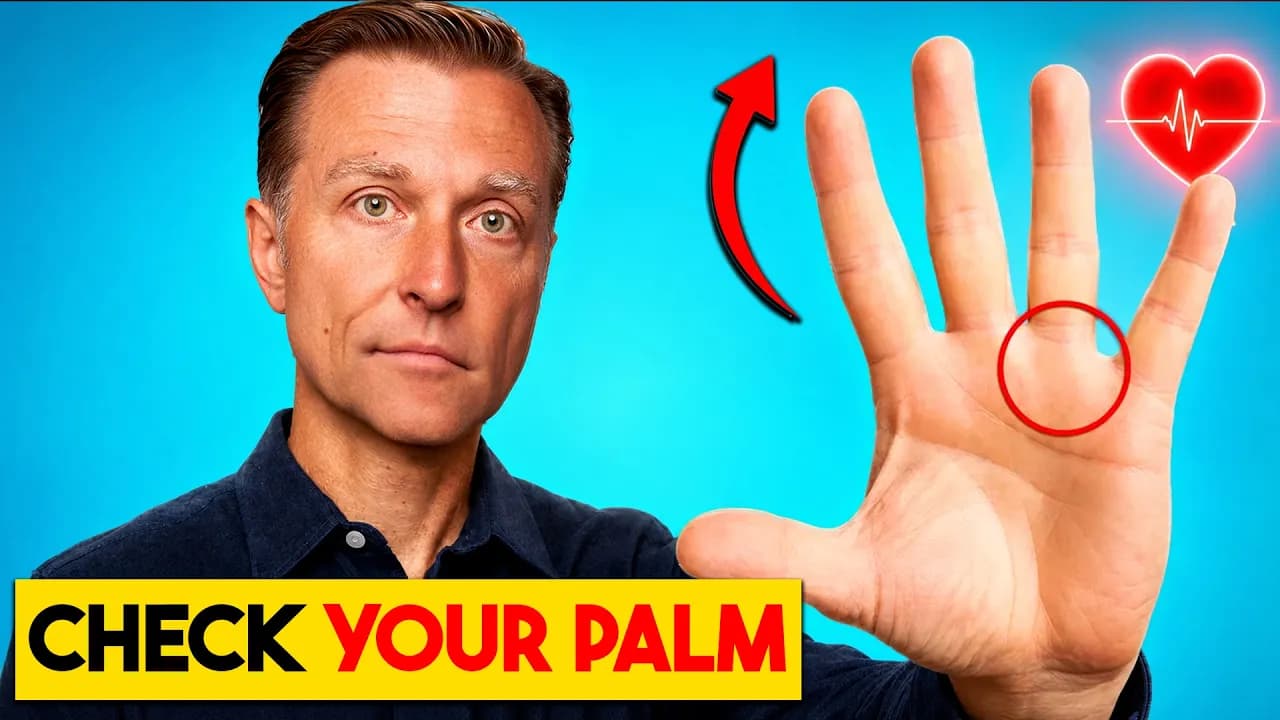
Here's what I want you to take away. Clogged arteries are real. They're common and they usually take decades to build. None of these five signs on their own proves you have a blockage, but each one is a clue. And when you see a clue alongside high blood pressure, high cholesterol, blood sugar problems, smoking, or a family history of early heart disease, the odds start to stack up. That's the point of this list. These aren't random body quirks. Together, they're a way to know when to stop guessing and start testing. So, here's the one thing I want you to do tonight. Stand in front of a mirror in good lighting. Check your earlobes for a diagonal crease, your eyelids for yellow patches, and the colored part of your eyes for a gray or white ring. If you find anything, or if you've noticed the leg pain or the erectile changes we talked about, call your doctor's office tomorrow and book a visit to go over your heart risk. Ask specifically for a cholesterol panel that includes ApoB, which tells you the actual number of particles driving plaque, and ask whether a coronary artery calcium scan, which is a quick low radiation scan that can actually see whether plaque has already started building up in your heart, makes sense for you. And if you ever have chest pain, trouble breathing, or a sudden weakness, or numbness on one side of your body, don't wait for an appointment. Call 911 or get to an emergency department immediately. If this video were helpful, share it with someone you love, especially the person in your life who never goes to the doctor. It might be the nudge they need, and it could save their life. Subscribe for more evidence-based content every week, the kind a 15-minute appointment doesn't have time for, because this is how we close the gap in healthcare. Okay, stay well and I'll see you in the next one!
Keep Kabir Harricharan Singh, MD in your library
Save the videos and channels worth coming back to, and find them again in one place.