When To Buy MSFT Stock Right Now?
In a Nutshell
Microsoft stock is testing long-term support at $350 after a 32-36% drawdown from highs, with analysts targeting $472 for 26% upside. Despite healthy financials, strong revenue growth, and reasonable valuation at 22x earnings, the decline stems from heavy AI capex spending, margin pressure, and EU regulatory risks targeting Azure. The core advice is to avoid rushing in now—wait for clearer market recovery or further downside to previous support before considering a long-term position.
These notes were generated by AI and may contain inaccuracies.
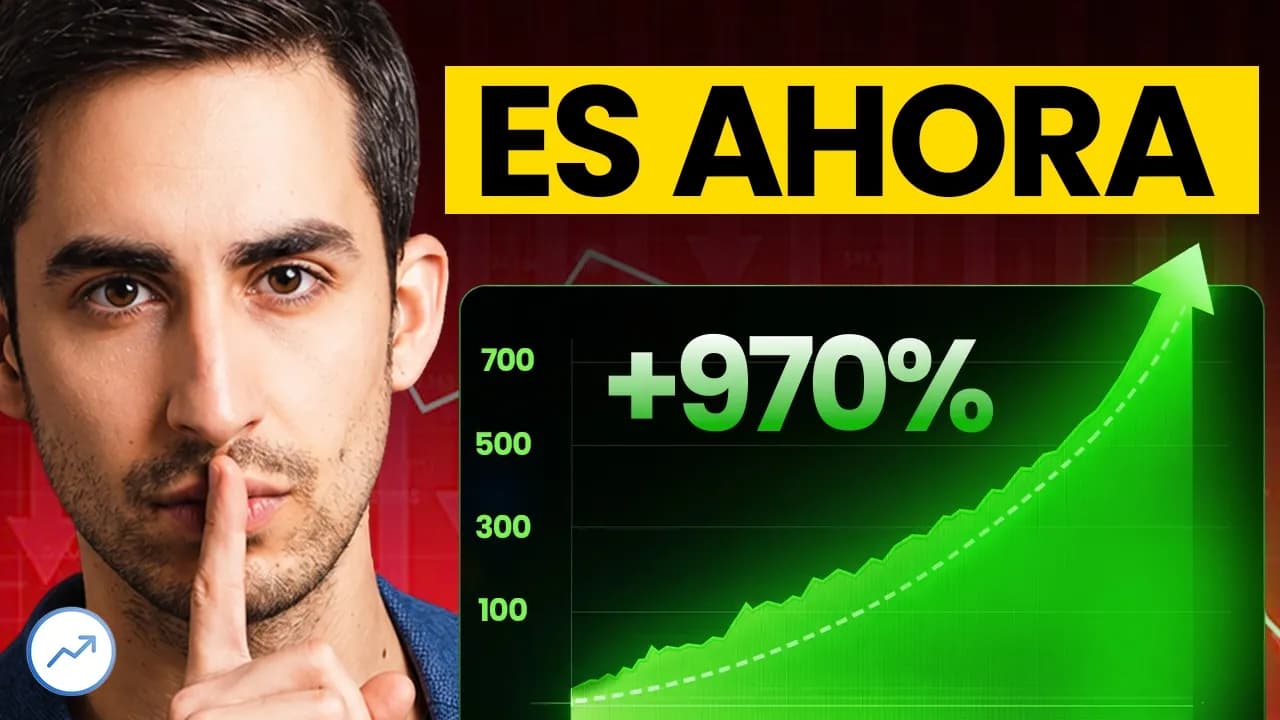
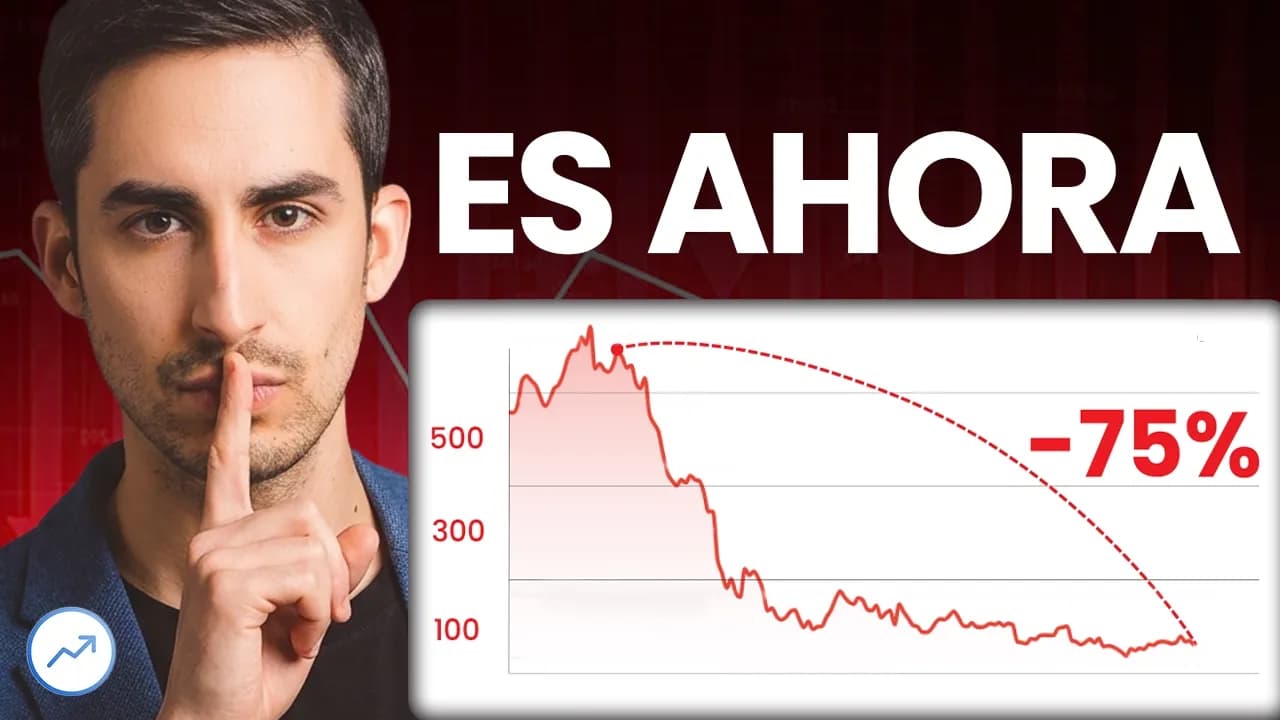
Microsoft is one of the largest publicly traded companies and has been getting destroyed over the past few months. The stock is retesting the 350 support range, a level that was tested during the March tariff war over a year ago, tested again earlier this year, and is now being retested once more. Microsoft has a market cap of 2.77 trillion and is down significantly from its all-time high of $550 per share, currently trading at 372 after hitting lows of 350. This represents a 36% drawdown from the highs and a current 32% decline.
Overall markets are still trading near all-time highs. If bullish on the broader market and expecting continued upticks, this could create an environment for Microsoft to recover. However, there are fundamental concerns to be aware of.
Technically, the 350 support level makes the stock attractive. This is a long-term position held personally for family members. The overall Nasdaq market is incredibly bullish but also overbought. If support breaks based on recent geopolitical news about the US potentially attacking Iran again and breaking the ceasefire, markets could continue selling off. Escalating tensions, rising inflation with higher oil prices, a weakening labor market, or a Federal Reserve rate hike instead of a cut would all be bearish factors that could cause Microsoft to sell off further since it won't be an exception to broader market sentiment.
Microsoft is being left behind while markets trade near highs for a specific reason.
Using Investing Pro, 55 analysts have a fair price target of approximately $472 per share, suggesting 26% upside from the current 372 price. Financial health indicators show cash flow is healthy, growth health is healthy, price momentum is not healthy due to the downturn, profitability health is rated four out of five and super healthy, and relative value is two out of five.
Microsoft has a PE ratio of 22.1 times earnings. As a MAG 7 company, this is not very expensive compared to Meta at 19.8 or Tesla at 369 times earnings. This valuation falls within the normal 20 to 30 range for big tech companies. Revenue stands at $318 billion and net income at $125 billion, demonstrating Microsoft is an established, consistent, and reliable company rather than a hyped AI startup.
Microsoft continues to experience attractive revenue growth even during the AI boom. CapEx reached $31.9 billion in Q3 due to heavy AI spending, which is a major Wall Street concern regarding potential overspending with uncertain returns. Cloud gross margin declined to 66% in Q3, which remains attractive but has drawn criticism.
Sentiment has shifted with 18 of 25 analysts revising EPS estimates downward over the past 90 days. EU anti-trust regulators issued preliminary findings designating Azure as a gatekeeper under the digital markets act, with potential fines up to 10% of global annual turnover. The EU's CADA framework could restrict Azure from sensitive EU government workloads.
Regulatory fears and margin warnings are the main reasons cited for the stock's decline. High volume and analyst downgrades suggest pain could linger until business clarity emerges.
Microsoft pays a 36% dividend and maintains a 2.77 trillion market cap. The giant can stumble too, and Microsoft has historically taken hits while other stocks run on hype. If support breaks and markets downturn, Microsoft can trade lower, so there could be more pain before gains. Investors should not rush to buy but should watch for market recovery and price action showing signs of Microsoft recovery. If markets downturn further, allowing the stock to sell off to previous support could provide a better entry point. Fundamentally, Microsoft remains a great company with regulatory issues in Europe as a key watch item. At oversold levels, this is worth considering for addition as an investment rather than a trade.
Keep Ricky Gutierrez in your library
Save the videos and channels worth coming back to, and find them again in one place.