Why Cancer Keeps Coming Back (& What It Can’t Survive)
In a Nutshell
Cancer stem cells survive chemo, radiation, and surgery because they stay dormant while treatments kill fast-dividing cells, allowing tumors to regrow. A multi-targeted approach is required—combining iron-targeting agents like sweet wormwood with DHA, turkey tail mushroom, vitamin D, cruciferous vegetables, low-carb diets, and exercise—rather than single therapies that let cancer adapt. Early detection screenings show minimal survival benefit, so prevention and stacking interventions that hit different survival pathways simultaneously are the most effective strategies.
These notes were generated by AI and may contain inaccuracies.
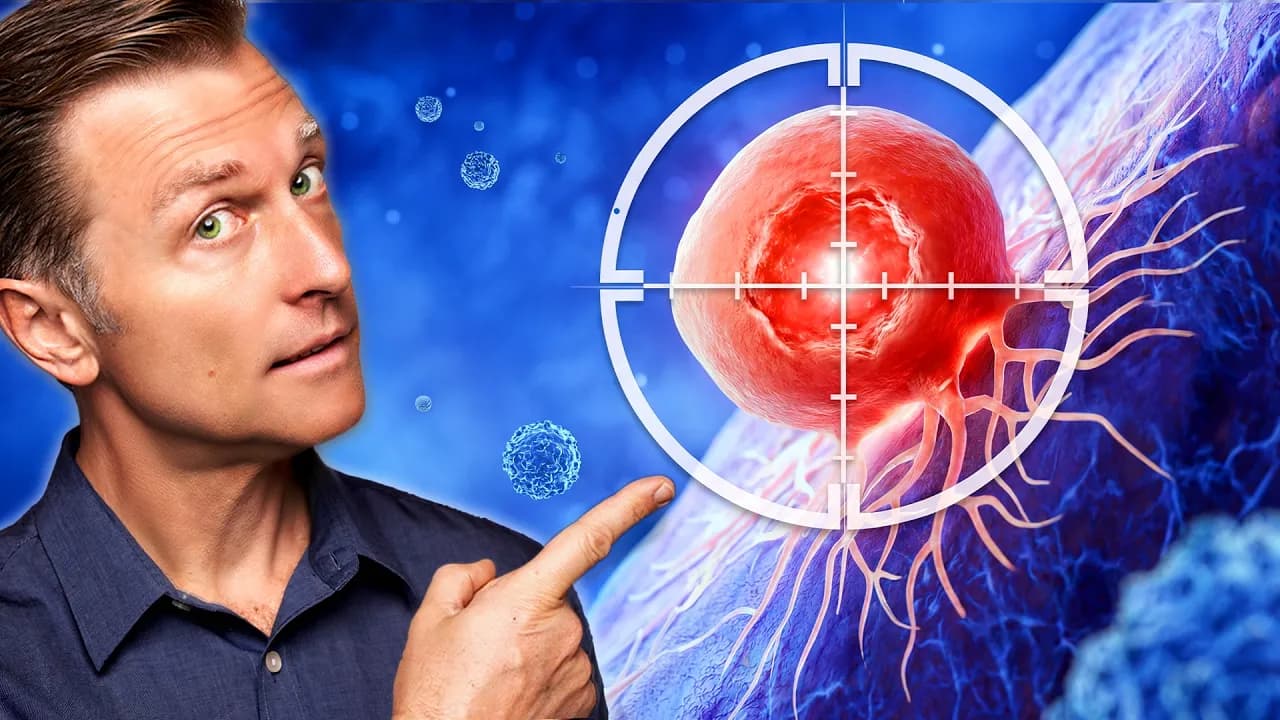
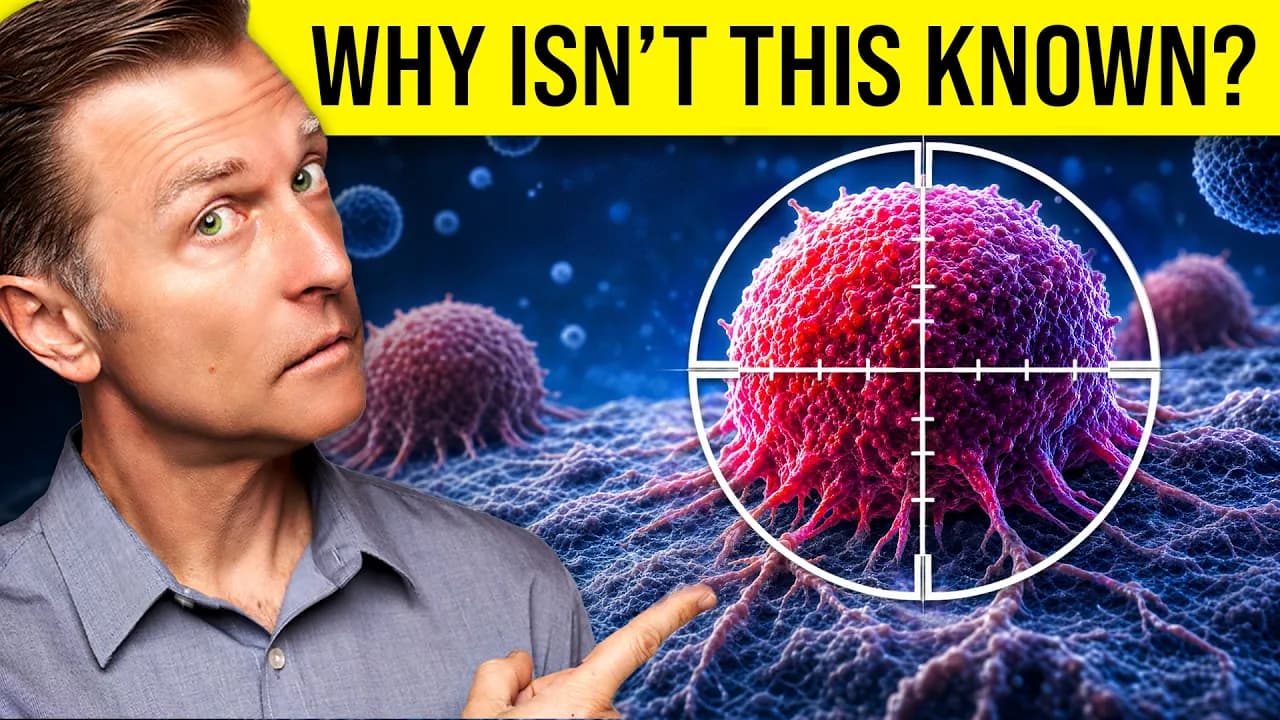
When chemo, radiation, or surgery is performed, 99.99% of the tumor is killed. However, a very tiny percent of tumor cells survive and are the hardest to kill. These are called cancer stem cells. They are dormant, and chemo and radiation target the fastest dividing cells, not the ones in hibernation. As the majority of cancer cells are killed, the stem cell population is supercharged, increasing the percentage of growth of these stem cells. A stem cell is an undifferentiated cell, a blank slate that can turn into something else. Many people undergo treatment and then play the waiting game, only to have cancer return 18 months later. The cells responsible for relapses are the cancer stem cells.
Most solid tumors have at least seven different mechanisms for survival. Blocking one allows the rest to adapt and take over. Cancer is not one disease but many different diseases within a particular tumor. Current medical treatment operates on the concept of one type of cancer, using chemo, radiation, and surgery for a single type. However, the other cancer cells in the tumor have their own fuels and adapt when one type is killed. A multi-targeted approach is needed to stack remedies and hit everything at once.
Chemo triggers a mechanism that pumps the drug back out of the cell, and another mechanism seeds new tumors. These survival pathways allow cancer to evade the immune system.
In 1960, two scientists developed four rules applied to leukemia that led to higher success rates for this cancer type. The rules are:
- Each intervention works on its own
- Target different mechanisms, not just one
- Side effects of interventions should never stack and accumulate
- Timing matters - starting one intervention and waiting to see if cancer returns allows adaptation and strengthening
Tumors composed of multiple subpopulations have powerful adaptive abilities. An analysis of 18 screening trials in 2023 found that only sigmoidoscopy extended lifespan by 110 days. All other early detection screenings did not extend lifespan significantly. This emphasizes prevention as the most critical focus, since cancer becomes more difficult to treat once established.
Iron is cancer's Achilles' heel, needed for DNA replication. Sweet wormwood combined with DHA (omega-3 fatty acids) can trigger iron into an explosion. Black walnut extract and clove are added to limit cancer survival by closing pathways.
- Exercise at 150 minutes per week, which is damaging to cancer cells
- Vitamin D to support the immune system, targeting blood levels between 80-100 ng/ml
- Turkey tail mushroom extract to enhance natural killer cells that target viruses and cancer
- Berberine as an additional natural remedy
- Prolonged fasting, depending on frailty and muscle mass. For those unable to do prolonged fasting, the periodic fasting mimicking diet of 500-900 calories shows powerful effects against cancer
- Cruciferous vegetables for anti-angiogenesis effects, including sulforaphane from broccoli sprouts or radish sprouts
- Low-carb diet to reduce insulin, which stimulates cancer growth
The approach is to add multiple interventions alongside conventional therapies to potentially increase survival rates.
Keep Dr. Eric Berg DC in your library
Save the videos and channels worth coming back to, and find them again in one place.