Why Your Blood Pressure is Not Coming Down Even with Meds
In a Nutshell
Thiazide diuretics, taken by over 40 million Americans, deplete magnesium and potassium—the very minerals needed to relax blood vessels and lower blood pressure—making the medication less effective or counterproductive. Low potassium intake (far below the recommended 4,700 mg/day) and magnesium deficiency, often undetected by standard blood tests, are major overlooked drivers of hypertension, worsened by insulin resistance from high-carb diets. The solution involves testing RBC magnesium, increasing dietary or supplemental potassium and magnesium glycinate, and adopting a low-carb diet with intermittent fasting to address the root metabolic causes rather than just symptoms.
These notes were generated by AI and may contain inaccuracies.
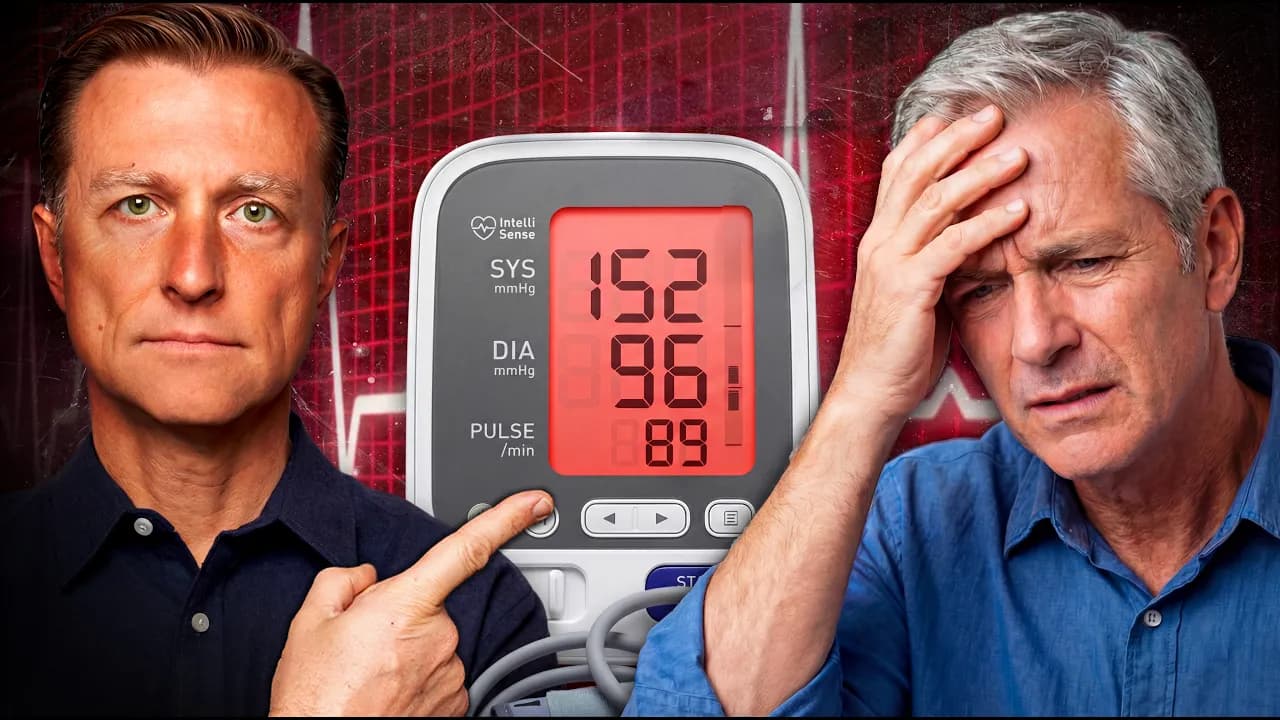
The medication that you're taking now might actively be depleting the very thing that is supposed to be lowering your blood pressure. You're taking medication that's depleting something that should be lowering your blood pressure. But now that it's not there, it can't do that.
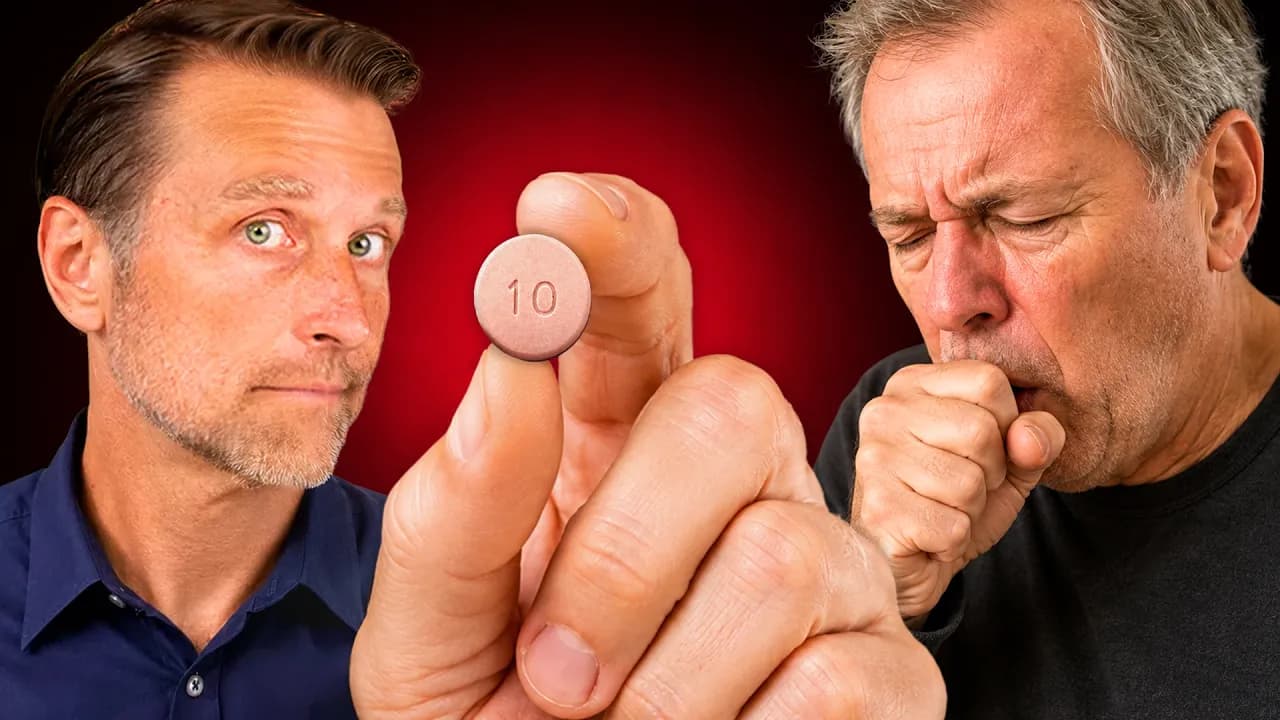
Thiazide diuretics are the number one prescribed blood pressure drug in America taken by over 40 million people.
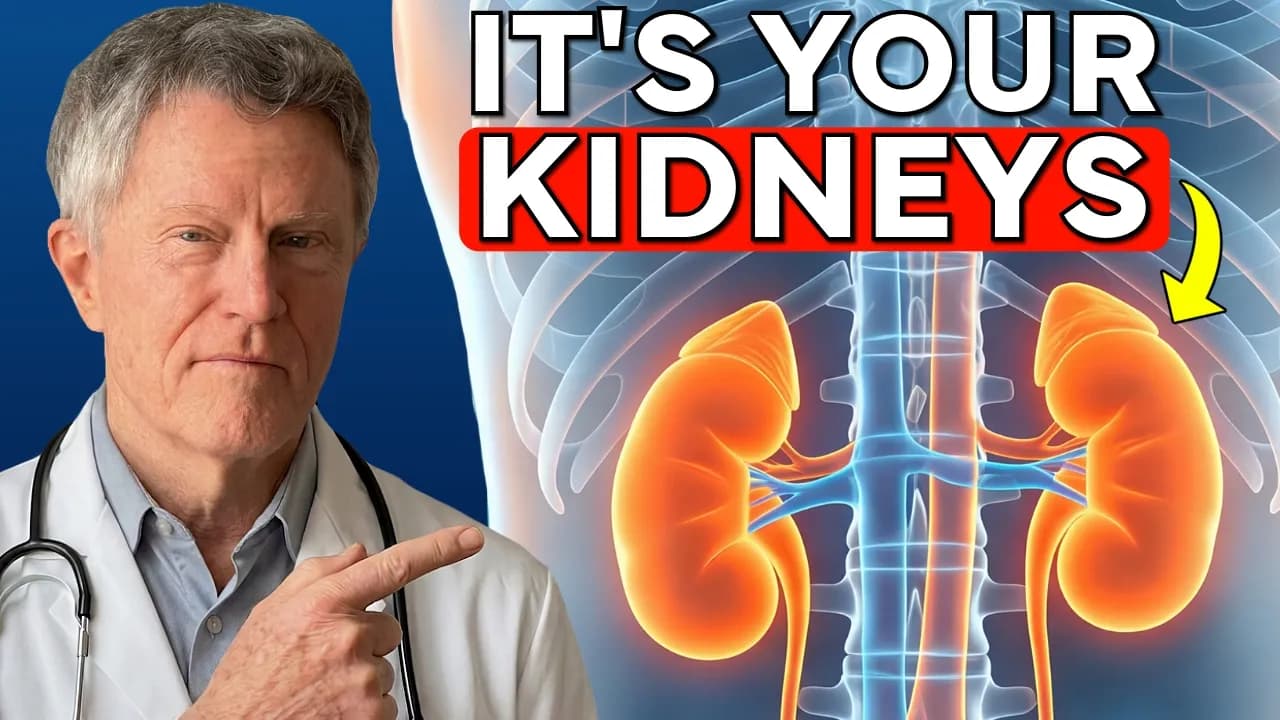
They flush out excess sodium through the kidneys, lowering the volume of fluid, bringing the pressure down. What they don't tell you is it also flushes out magnesium. Magnesium is a key mineral that helps keep the smooth muscles in the vascular system relaxed. 30% of the people who take this end up having low magnesium on a blood test.
If you have low magnesium on a blood test, you are severely deficient. It's very difficult for a magnesium deficiency to show up in the blood because normally you only have 1% of all the magnesium in your body in that blood. Most of it's in the bone and muscle. When you're deficient, the body's going to rob from the bone and the muscle pushing the blood before it shows up low. The fact that 30% show deficiency of magnesium in the blood is significant. This medication definitely depletes magnesium in a big way.
Without magnesium, the arteries become more constricted because calcium cannot be pumped out of the cells. If there's too much calcium, you get high blood pressure. This is why they have a calcium channel blocker as a medication for hypertension. Magnesium is a natural calcium channel blocker. Magnesium is also a natural beta-blocker, which is another medication that people take. A beta-blocker is something to lower adrenaline or the sympathetic nervous system. Magnesium naturally does that. It lowers the sympathetic nervous system.
There's also a potassium connection because these diuretics also deplete potassium. Potassium is a physiological relaxer of the body too. It works along with magnesium, and it keeps the arteries elastic or relaxed. It's actually protective of the kidney, as well, unless someone has advanced kidney disease, in which case you need to check with your doctor before taking either one of these. Typically, if you have enough potassium, it really supports the vascular system and the kidneys.
The problem is this common medication for hypertension depletes not only magnesium, but potassium. Now two minerals that are supposed to help keep the blood pressure down are being depleted, which can also counter your ability for that medication to work.
What's unique about potassium is you need a lot of it per day: 4,700 mg. Rarely does anyone even get half of that. There is significant credible research showing that early humans got between 8,000 to 15,000 mg per day. We're getting just a fraction of the potassium that we really need. It could be the bigger reason why people have blood pressure problems in the first place is low potassium and magnesium.
One really important thing you need to know is potassium cannot work without magnesium as the cofactor. There are people that have hypertension, and they take a bunch of potassium, and they see no results. It could be because they don't have enough magnesium.
A vitamin D deficiency can also cause hypertension. People that get enough vitamin D a lot of times can help lower their blood pressure. Vitamin D is dependent on magnesium. If you're taking a bunch of potassium or vitamin D and you're low in magnesium, you're not going to see results.
Doctors will tell patients they're on this drug to go take potassium, or get a prescription for potassium. Most potassium pills come in 99 mg tablets. 99 mg divided by 4,700 means you're talking about 47 of those pills per day if you were going to try to get all of your potassium. Of course, you're probably not going to do that because you're going to get some of it from food, but the point is that most potassium pills come in these tiny amounts that, honestly, it's so insignificant, it may not contribute to making a change or replacing what these drugs are flushing out to the kidneys.
When you consume refined sugar and refined carbohydrates, you will increase a hormone called insulin. That insulin is then taking that glucose and putting it into the cell. But if you take a lot of the sugar and starch, your body is going to say, "Wait a second. This is too toxic. We have to shut down and resist this glucose." This means you're not going to get as much glucose in the cell anymore. You have this resistance, but you have a lot of insulin in the background doing the work to keep your blood glucose normal. We're actually setting the person up for diabetes.
One of the first signs before diabetes could be hypertension because what's happening to your arteries is your arteries are getting stiffer and stiffer and stiffer. Then one day they look at your blood pressure and say, "Wow, you have hypertension. We have to treat it." But they don't look earlier. They rarely test your insulin.
There is credible medical research showing that going on a low-carb diet can reduce your blood pressure by 10 points. Sometimes in the research, you'll see that diet or lifestyle factors have a modest effect on chronic disease. But what if you combined a few of these together? Let's say you combined changing your diet with exercise, reducing your stress, or getting more sun, or sleeping more. The effects of medication won't even come close to the effects of using lifestyle factors to help reduce your blood pressure.
If your environment is off, everything else struggles. It's like a fish tank. Pollute the water and the fish gets sick. You could feed them the best food. You can treat every single symptom, but if the water stays toxic, nothing recovers. The body runs on 10 signals like insulin, cortisol, inflammation, sleep quality, gut function. Every one of them affects how you feel. But there is always one signal that is more broken than the rest, and until you fix that one, everything else stays stuck.
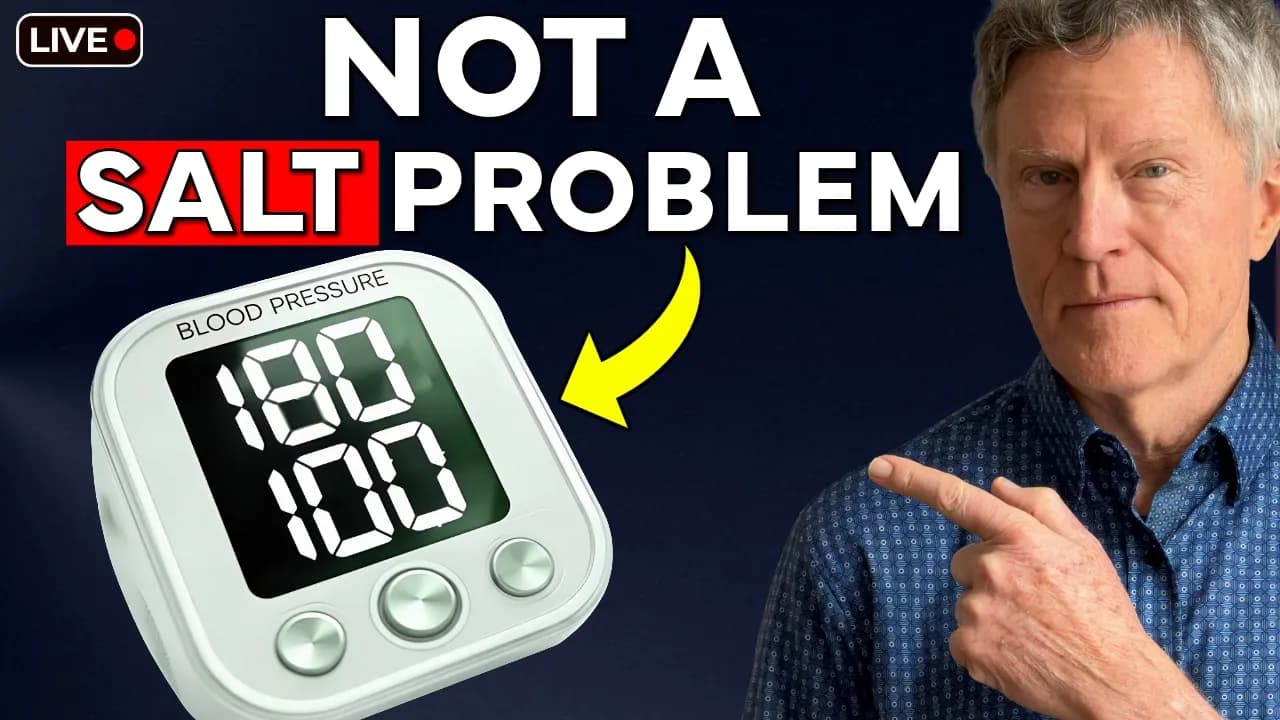
A lot of the strategies for blood pressure are operating off the assumption a lot of your blood pressure is coming from too much sodium. That might be true, but a lot of the research now is showing it's not quite the case because when you lower sodium, you also create other problems like increasing the sympathetic nervous system, increasing cortisol, they have problems sleeping. Then the blood pressure goes up just because they have insomnia.
The sodium is balanced out with potassium. If you want to regulate sodium effectively, why not increase your potassium so you have two to one as far as the ratio. Even people that are salt sensitive can correct that by increasing their potassium because sodium and potassium work together like a teeter-totter, and the way to really handle sodium is just to take more potassium.
If your medication's not working and you want to try some other things to try to lower it:
- Test your magnesium using something called the red blood cell magnesium test. This is not a perfect test, but at least it'll be better than a blood test, and this sometimes can pick up a magnesium deficiency.
- Start increasing the potassium in your diet. Avocados and salads are super important. There are electrolyte powders that are high in potassium.
- Increase your magnesium. For potassium to work, for vitamin D to work, it's a natural calcium channel blocker, it's a natural beta blocker, it's a natural way of relaxing the smooth muscle.
The type of magnesium that would be highly recommended is the gold standard, which is magnesium glycinate, which has the best bioavailable absorbable type of magnesium up to 80%. If you have a severe magnesium deficiency, which a lot of people do, take magnesium spread out through the day. Take minimally 150 mg three, maybe even four times a day over a period of weeks. If you just try it for 1 week, it's not going to completely satisfy all the vascular system, all the muscles. Sometimes it can take a few weeks to even longer before it kicks in there because it doesn't just get fixed overnight.
A low-carb diet with intermittent fasting can correct the underlying number one cause. There is credible, significant research showing that if you do this, your insulin resistance is going to be improved.
Keep Dr. Eric Berg DC in your library
Save the videos and channels worth coming back to, and find them again in one place.