Why Your Blood Pressure Is Still High (And How to Fix It)”?
In a Nutshell
High blood pressure persisting despite meds, low salt, and exercise stems from root causes like insulin resistance (from ultra-processed carbs driving sodium retention via RAAS), sleep apnea, elevated aldosterone/cortisol, and endothelial damage, not just "essential hypertension"—fix by cutting glycemic carbs, losing visceral fat, screening for pre-diabetes (e.g., high triglycerides, low HDL), and treating neglected issues like snoring. Measure BP accurately (rested, arm at heart level, check both arms); aim below 115/75 via low-carb diets (any spectrum if low-glycemic), exercise (isometrics, HIIT), supplements (beetroot nitrates 300-500mg, citrulline, creatine 5-10g, low-dose tadalafil), weight loss (10-15lbs stops apnea), and full workups for renovascular issues or spikes. Meds save lives but escalate if metabolism isn't addressed; success stories show dropping from 12 to 4 prescriptions via lifestyle.
These notes were generated by AI and may contain inaccuracies.
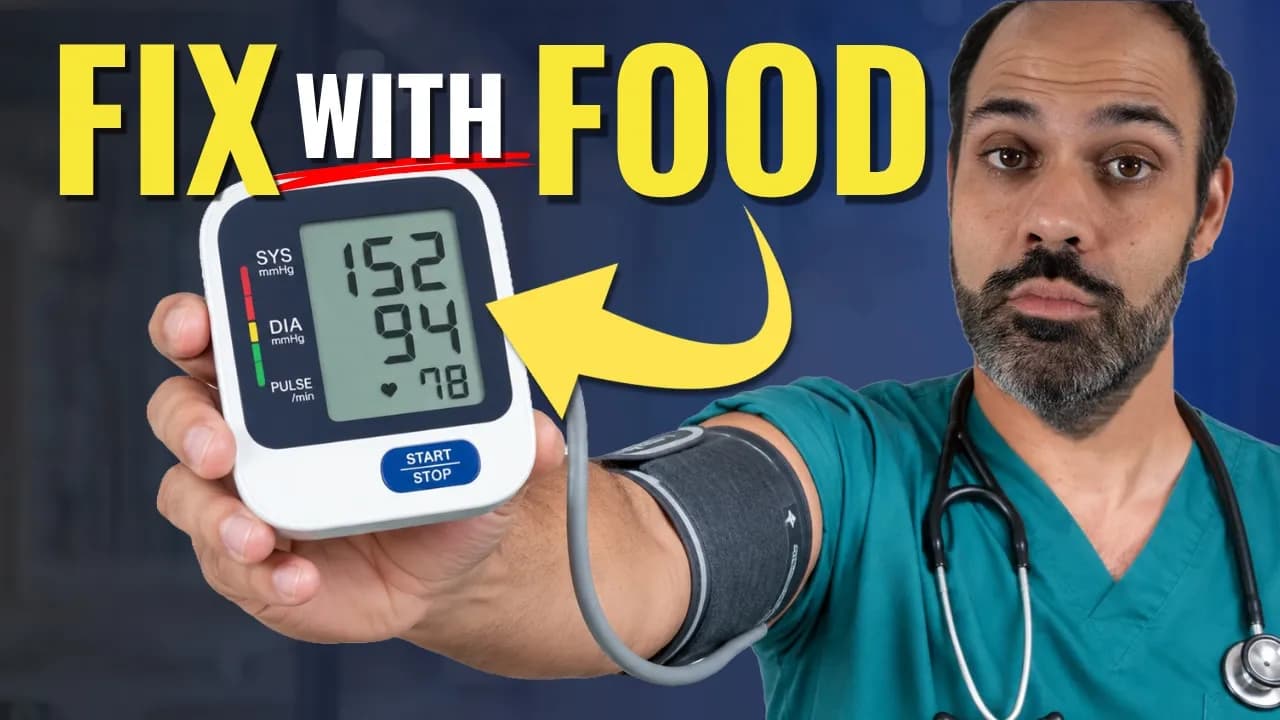
If blood pressure remains high despite medication, cutting salt, and exercise, the issue is treating the dashboard while the engine keeps revving. For many, hypertension is not primarily a salt problem, aging problem, or one requiring another pill. It's a force problem. Readings like 130/84 or 138/86 are not terrible, but arteries experience mechanical force. Force applied day after day reshapes tissues.
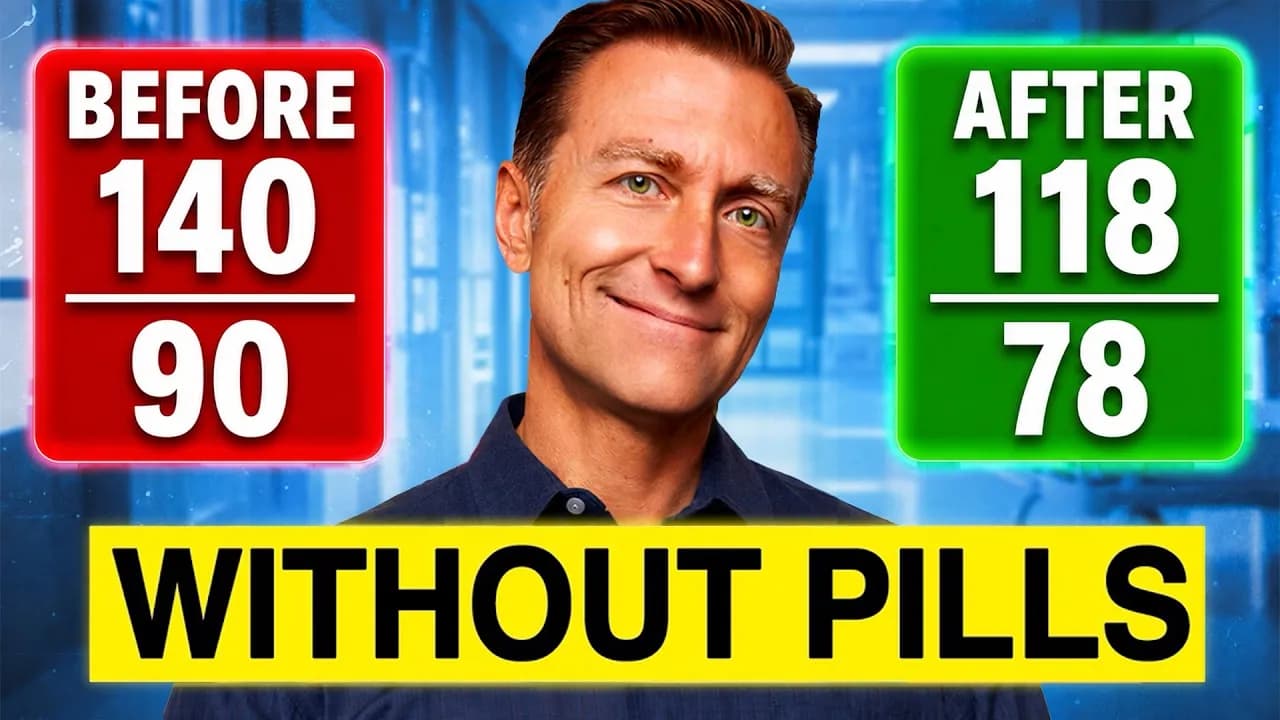
Cardiovascular disease risk rises significantly over 115/75, not at 140/90. There is no safe cliff; it's a slope where structural changes begin quietly without warning, pain, or symptoms—just tissue remodeling.
The real question is what's driving the pressure and why the engine isn't shut down.
Arteries have a thin lining called the endothelium (or intima) that keeps blood flowing smoothly, regulates vessel tone, prevents clotting, resists plaque, delivers oxygen, and removes waste.
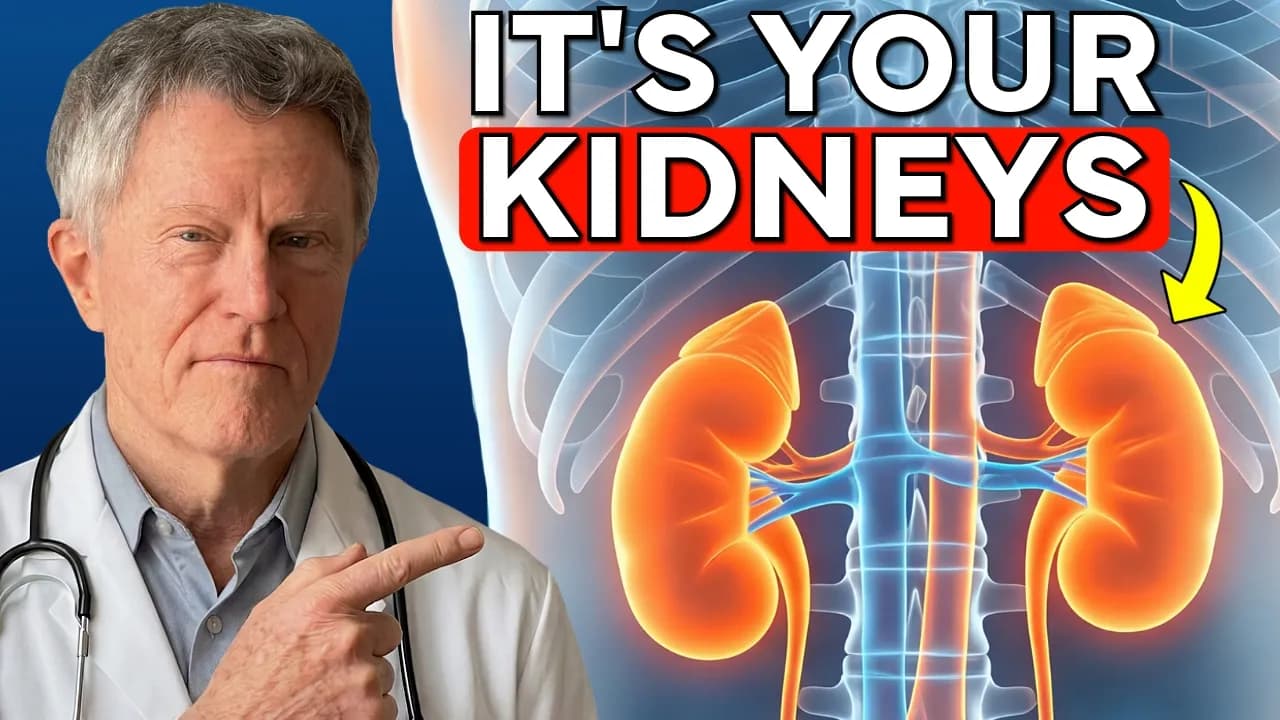
Chronic pressure rise causes repeated mechanical stress. Vessel walls stiffen, nitric oxide signaling decreases, smooth muscle thickens, arteries become less compliant—like concrete. Heart's left ventricle thickens to pump against resistance. Kidneys develop microscopic scarring. Brain's small vessels lose flexibility. None of this is felt, making hypertension silent but not harmless.
By stroke, heart attack, or heart failure, remodeling has progressed 10-30 years, often starting in 30s or 40s, manifesting in 60s or 70s.
Medicine often stops at lowering the number, treating it as a signal, not root cause.
Essential hypertension or idiopathic means no cause identified—not that none exists. This label often ends investigation.
Instead of checking:
- Elevated aldosterone
- Untreated sleep apnea
- Abnormal thyroid
- Renal artery narrowing
- Chronically elevated cortisol
- Insulin resistance (most common, repeat: pre-diabetes, undiagnosed diabetes)
Process becomes adding medications, increasing doses, adding more.
Blood pressure meds save lives, reduce stroke, heart failure, heart attack, kidney disease, blindness. Not anti-medication—used often—but anti-incomplete investigation. If driving engine remains active, body compensates, requiring escalation.
One drug becomes two, two become three. Reading improves (dashboard fixed), but visceral fat increases, insulin resistance progresses to diabetes (undiagnosed 90% of time). Sleep apnea untreated. Renin-angiotensin-aldosterone system (RAAS) activated. Sympathetic tone (fight-or-flight) elevated due to sleep apnea and other factors. System stays stressed; engine revs.
10 years later, on four meds—not because drugs fail, but metabolic engine never shut off.
Low salt diet unlikely to worsen blood pressure by revving RAAS; more likely hyponatremia (low sodium), lethal as in marathon runners or heat-related deaths in Athens, Georgia from overhydration without replacement.
On low-carb/keto, restrict salt carefully—need sodium.
Elevated insulin causes kidneys to retain sodium via RAAS. High-carb diets elevate insulin, retain salt, raise blood pressure—hence low-salt advice assumes high-carb.
Low-carb lowers insulin, kidneys excrete salt—low salt risky.
Sodium relates to blood pressure in J-shaped curve: too low activates RAAS to retain sodium; too high impacts if metabolic disease present. Body adjusts well otherwise.
Two mistakes:
- High-carb (not watched): insulin up, sodium retained, blood pressure up.
- Very low-carb + low sodium: hyponatremia risk, blood pressure rollercoaster.
RAAS raises blood pressure, starts in kidneys.
Two people same sodium: one reacts, one doesn't—body changed.
Most dietary sodium from ultra-processed foods with ultra-processed carbs. These promote visceral fat (hormonally active, drives insulin resistance).
Insulin (beyond blood sugar) signals kidneys to retain sodium. In insulin resistance, insulin stays elevated, sodium retention active—salt sensitivity.
Low-salt recommendation assumes high-carb, ultra-processed diet.
Pattern seen repeatedly: normal fasting glucose, elevated fasting insulin, triglycerides >150, low HDL, expanding waist, fatty liver, sleep apnea, elevated resting heart rate (e.g., 39-year-old patient last week).
HOMA-IR estimates insulin resistance but misses many (normal HOMA-IR but insulin resistance on challenge); don't recommend. Yet research shows ~half with positive HOMA-IR have "essential hypertension"—strong link to undiagnosed pre-diabetes.
3/4 doctors miss pre-diabetes, relying on fasting glucose. High blood pressure is major sign.
Insulin resistance impairs nitric oxide pathway (normally relaxes vessels, keeps flexible). Arteries constrict more, lose relaxation—increased tone.
Adds fight-or-flight from cortisol, poor sleep, sleep apnea. Insulin resistance alone raises baseline sympathetic activity, resting heart rate, peripheral resistance, blood pressure—years before diabetes diagnosis. Vascular damage predates pre-diabetes label.
No specific process, but steps for accuracy: sit straight, rest 5 minutes, breathe normally, arm at heart level, relaxed.
Cuff squeeze stimulates response. Time gap matters. Cuff uncalibrated, movement, speaking skew results.
20-point difference between arms is red flag for arterial issues.
Other factors: cold room, full bladder, recent caffeine, anxiety, cuff size wrong, legs crossed, talking, not resting, respiratory effects (holding breath raises, slow deep breathing lowers, fast breathing raises).
Automatic cuffs: movement tenses, cycles react.
Stiffer arteries = labile (fluctuating) readings. Insulin resistance, sleep deprivation, cortisol, endothelial dysfunction cause variability.
Rule out artifacts first (breathing, not relaxed, feet not flat, legs crossed).
Channel not keto/carnivore—supports range including plant-based, vegetarian, vegan (staff and patients).
Robert Lustig: reasonable diets from carnivore
Diets range from carnivore on one end to vegan and vegetarian on the other. The standard American diet doesn't work due to highly processed carbs, tons of salt, and tons of carbs that rush into the bloodstream. Plant-based eaters must avoid high-glycemic foods that raise blood sugar and insulin. Plant-based diets can be heavy on stealth carbs, very low fat, high carb.
You cannot outrun a bad diet.
If a plant-based diet provides all nutrients and enough protein, exercise is the next step to control blood pressure and diabetes after resolving diet. A good clean low-carb diet provides significant benefits, but exercise is the best complement.
Other neglected causes include stress, cortisol, and especially sleep apnea. Snoring creates lack of oxygen, so the body compensates by increasing heart rate and blood pressure to push more oxygen to the brain. Losing weight, even 10-15 pounds, stops snoring and makes a huge difference, especially with overweight or obesity.
Atrial fibrillation increases due to inflammation from three things: increasing blood pressure, increasing sleep apnea, and gorditoism (extra pounds, not severely obese). Extra weight raises blood pressure, causes sleep apnea, cranks sympathetics (fight or flight), cortisol, insulin resistance.
Insulin resistance sets up the environment for sudden dramatic blood pressure spikes like 250/120 that resolve in a couple hours without intervention by increasing inflammation boiling in the background, like boiling a frog slowly.
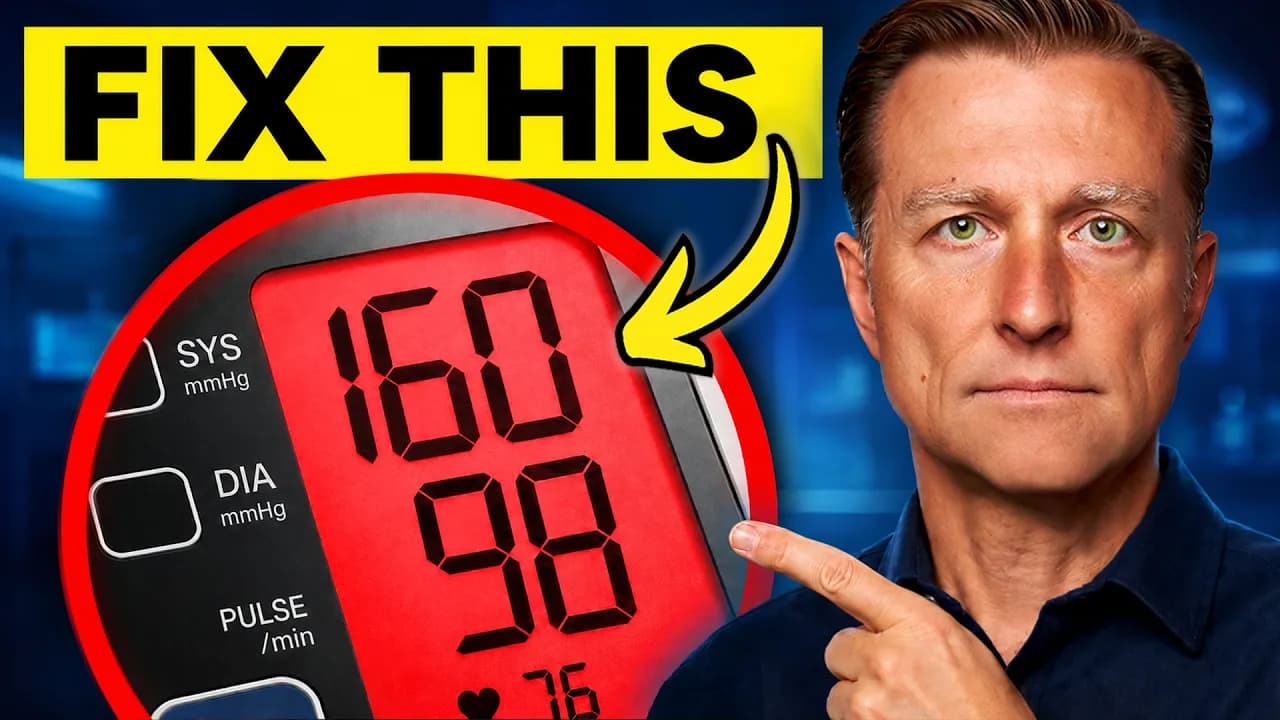
First, get blood pressure down to no immediate danger, then reduce the inflammatory environment. Short answer: yes, sometimes, but rule everything out. A 250/120 spike is very dangerous—deal with it immediately, don't assume insulin resistance and take time. Blood pressure over 160 is a big red flag; it can break small brain vessels and cause stroke.
Woody Woodring lost 35 pounds, blood pressure 110/75, then jumped to 150/95 overnight. Felt fine, assumed more plaque. Three major missed diagnoses for sudden spikes:
- Sleep apnea, especially morning spikes.
- Kidney problems: renovascular hypertension—plaque in artery to kidney clogs flow, causes retrograde blood pressure increase to push blood to kidney.
- Primary aldosteronism.
Medications, supplements, alcohol, stress can cause spikes, amplified without managing metabolism.
Renin from kidney activates angiotensin in lungs and bloodstream. Angiotensin shrinks vessels, raising blood pressure. Aldosterone from adrenal glands collects more water in kidneys, increasing bloodstream volume. Vessels shrink, more volume, blood pressure up. Genetic or anatomical adrenal issues cause abnormally high aldosterone, raising blood pressure. Can debut with spikes from one day to the next.
Angio means vessel, tensin means constriction. Angiotensin causes arteries to constrict. Aldosterone causes sodium retention.
Body increases blood pressure by increasing sodium (pulls water) or squeezing container (angiotensin). Spikes more likely from angiotensin squeezing. For true spikes, deep internal medicine/endocrinology workup for hormones like fight-or-flight. Sustained rises need general metabolic workup.
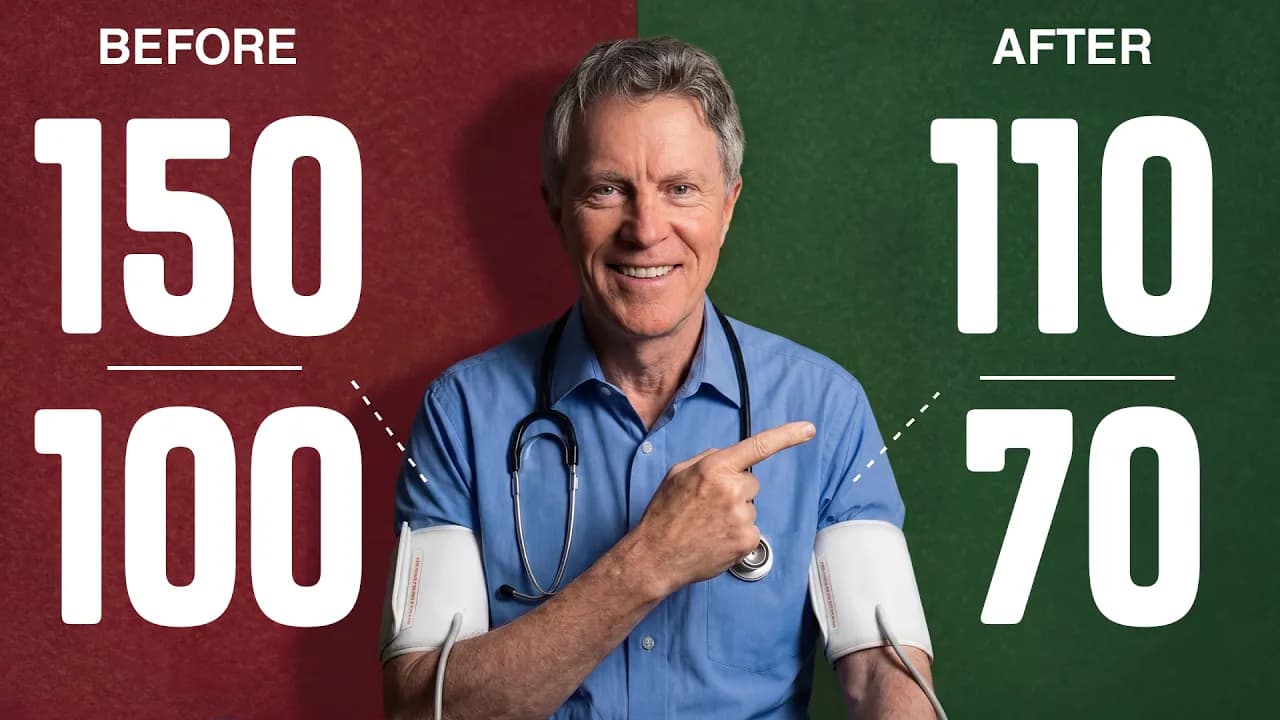
120/80 is borderline, no cutoff—it's a sliding slope. Under 110/70 is even better; 15-20 year olds have those numbers. For age 68 with hardened arteries, targeting too low risks decreased blood supply to brain/heart. 110/70 safer than 120/80 if healthy.
Salt: Not worried about over 2300 mg/day. 5g or 10g fine on keto, no significant issues for most, though some sensitive. Less concerned about salt amount than glycemic carbs and ultra-processed food, which are major salt and insulin-driven retention sources.
Beetroot juice/supplements provide nitrates transformed by oral bacteria into nitric oxide precursors, opening vessels to reduce blood pressure. Doses: 300-500 mg nitrates daily, from 250 ml beetroot juice. Careful—juice can spike blood sugar.
- Isometric muscle work: 1-minute wall sits (thighs parallel to floor), 1-minute low lunges each side—creates significant burn in big muscles, very helpful.
- Supplements: 5-10g creatine daily, citrulline daily.
Cut refined/glycemic carbs (50-100g ok after protein/fat/fiber, then exercise). Nutrient-dense diet, avoid trans fats (highly inflammatory). Exercise: aerobic, isometric, resistance training, HIIT. Manage sleep apnea, stress, have purpose, minimize toxins. Do everything—marathon, not sprint.
Dennis Smith: From 12 prescriptions to 4, preparing to drop blood pressure med under primary care direction, feels great. Being off meds is a possible consequence of right lifestyle, not the goal—use meds when needed.
Hiking dropped blood pressure 20 points by walking 12 km daily. 250/120 super dangerous—go to ER.
Primary care may not know how to diagnose metabolic disease.
Tadalafil (Cialis): 5 mg daily low dose. Video: "Cialis is not just for sex, it's for orthostatic [hypotension]". Citrulline also helps. Tadalafil better, especially for prostate issues or ED (dual purpose). Citrulline malate as pre-workout for resistance training.
No filler, just killer.
Interview with Dr. Lily Johnston, vascular surgeon, this Saturday.
She's doing a fantastic job so far. We're going to be talking about how to find arterial plaque. Saturday 11:00 a.m. Eastern. YouTube and Facebook post at the same time Saturdays 11 a.m. Eastern, going back to live shows Thursdays 11:00 a.m. Eastern.
To see us as a patient, call 859-721-1414 for Dr. Brewer, the only preventive medicine specialist licensed in all 50 states. Plenty of free content on YouTube and Facebook.
Ready to wrap up. Send questions in the comment section. Thank you to members and non-members for watching and tolerating Dr. Brewer.
And Joan, I forgive Jesus for his abuse of me.
Do not play that card. No, you cannot play that card.
For abusing a 68-year-old man. Thank you for your patience. Nice to see you again. Bye.
Keep Thomas Fordham Brewer MD MPH in your library
Save the videos and channels worth coming back to, and find them again in one place.