Xiaomi 18 Fold: How Does This Happen?
In a Nutshell
Xiaomi released the 18 Fold just two days before Apple's iPhone Duo by leveraging supply chain leaks about folding OLEDs, hinge mechanisms, and chassis dimensions. The Xiaomi is 30g lighter, packs a 6000mAh silicon-carbon battery with 67W wired/50W wireless charging, and offers a superior triple-camera setup (200MP primary + 3.5x zoom) versus the iPhone Duo's dual-lens, 48MP main camera. The iPhone Duo edges out in crease quality, under-display selfie camera, and fluid software continuity, while Xiaomi's speed-to-market strategy mirrors Samsung's preemptive S25 Edge release last year.
These notes were generated by AI and may contain inaccuracies.
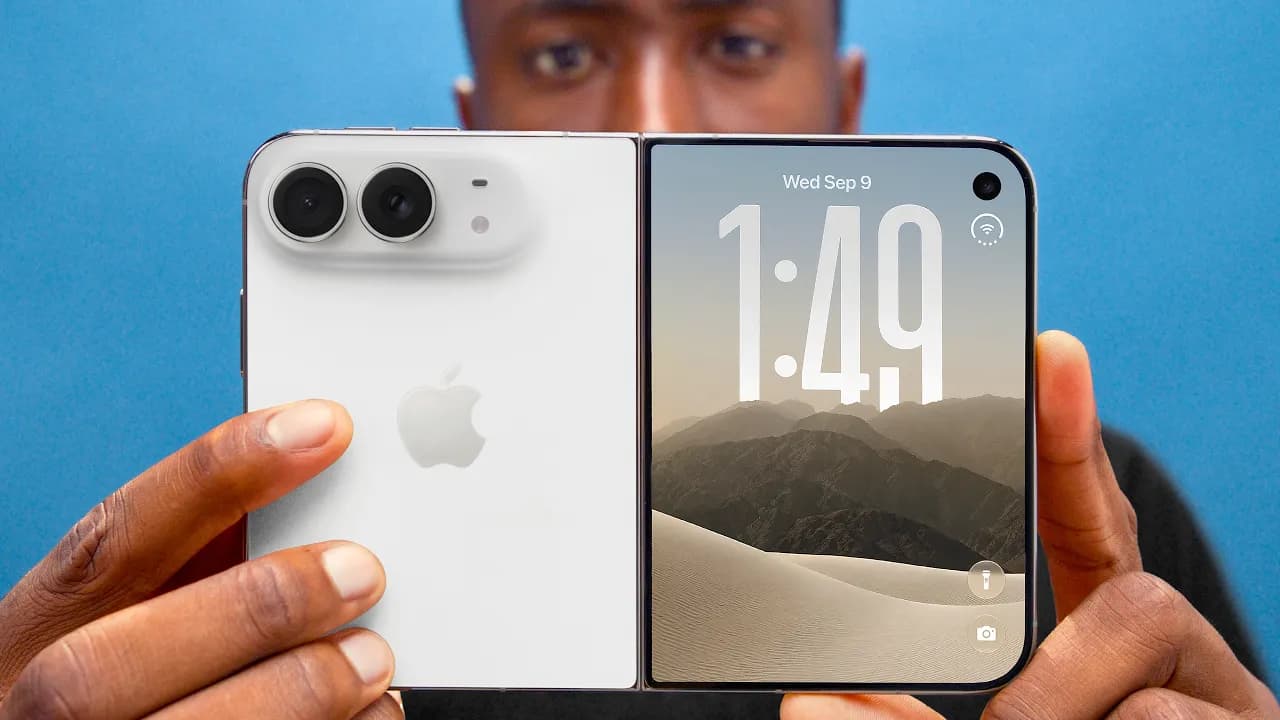
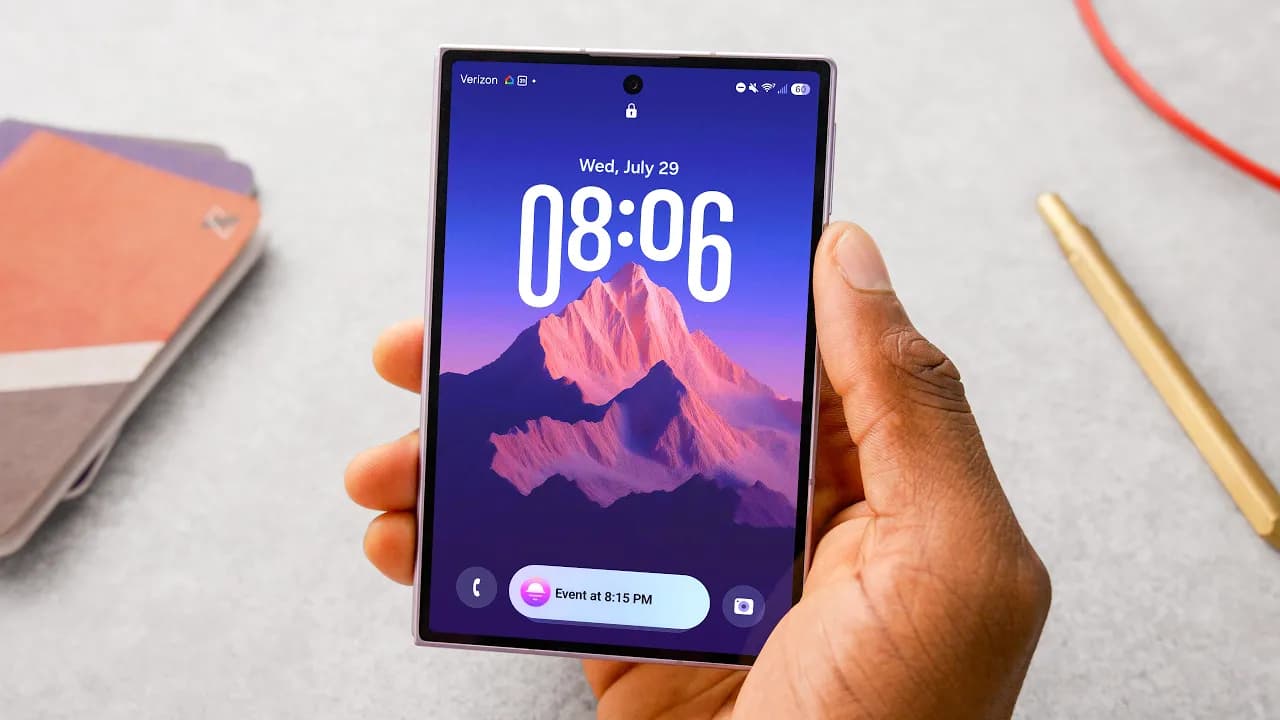
This device is the Xiaomi 18 Fold, a folding phone with the exact same dimensions as the iPhone, the exact same aspect ratio for the inside screen and the outside screen, and many of the same features as the iPhone including the D-shaped display.
The iPhone Duo was unveiled on September 9th, 2026, while the Xiaomi Fold was officially unveiled on September 7th, 2026. The development cycle of these tech products typically spans many months or years, yet these phones were unveiled just two days apart.
Tech companies are highly competitive and secretive. Apple develops products in complete secrecy for as long as possible to surprise people at launch. Engineers working on unannounced products follow strict rules and cannot discuss their work with family members. However, Apple must eventually engage with parts suppliers and factories, which are less secretive than Apple, causing information to leak through supply chain conversations about folding OLEDs, specific hinge mechanisms, and chassis dimensions.
Software features leak less than hardware because they don't require the physical supply chain, allowing companies to surprise consumers more with software capabilities. Xiaomi does not have a CAD render of the exact iPhone but has enough information from supply chain leaks to create their own version. Xiaomi's advantage is speed, allowing them to rapidly develop and release their product before Apple's predictable September event timing.
Last year, months before the iPhone Air September announcement, Samsung released a teaser for an ultra-thin phone that became the S25 Edge, released before Apple's event. Xiaomi is known for borrowing Apple's aesthetic to attract customers.
The iPhone Duo weighs 254g, making it the heaviest iPhone ever. The Xiaomi Fold is 30g lighter, bringing it closer to the weight of a normal large slab phone. The Xiaomi Fold contains a 6,000 mAh silicon carbon battery supporting 67 watt fast charging and 50 watt wireless charging. The iPhone Duo's battery is estimated at around 5,000 mAh combined, smaller than the 18 Pro Max's battery. The Xiaomi Fold's battery capacity exceeds the ZFold 8's 4,800 mAh battery.
The iPhone Duo has two cameras: a primary and an ultrawide, with no zoom camera. The Xiaomi Fold features a camera bar with triple cameras including a 200 megapixel primary, an ultrawide, and a 50 megapixel 3.5x zoom camera. The iPhone's camera is likely the iPhone 17's main camera with 48 megapixels and hybrid focus pixels, using a 1/2.55 inch sensor. Xiaomi uses a 200 megapixel 1/1.56 inch sensor, which is significantly larger.
Foldables lack depth due to being split in half, which is why the iPhone Duo lacks Face ID. Xiaomi uses a standard hole punch cutout for the selfie camera in the corner of the inside screen, while the iPhone hides their selfie camera underneath the display. The Xiaomi Fold has more crease than competitors like the Duo and Find N6, which score 9/10 for crease, while Xiaomi scores 7/10. Xiaomi lacks an anti-glare finish on the display.
The iPhone Duo's opening and closing glassy animation was surprising and contributes to a responsive feel. Android folding phones have screen opening and closing animations, but default behavior differs: Android phones assume the device is being shut when closing, requiring user action to continue on the outside display, while the iPhone activates the outside display when halfway closed to maintain fluid continuity.
The iPhone Duo limits users to two apps side by side. Android offers multi-window, bubble window overlay, and triple app multitasking. When taking photos with primary cameras, Android foldables disable the back screen to prevent accidental touches, a feature the iPhone Duo does not currently implement.
A desk pad collaboration with Omnitype is now available on mkbhd.com. The product is 4mm thick with edge stitching and rubber backing. Two versions exist: smooth (normal mouse pad feel) and rough (textured for precise movements).
Keep Marques Brownlee in your library
Save the videos and channels worth coming back to, and find them again in one place.