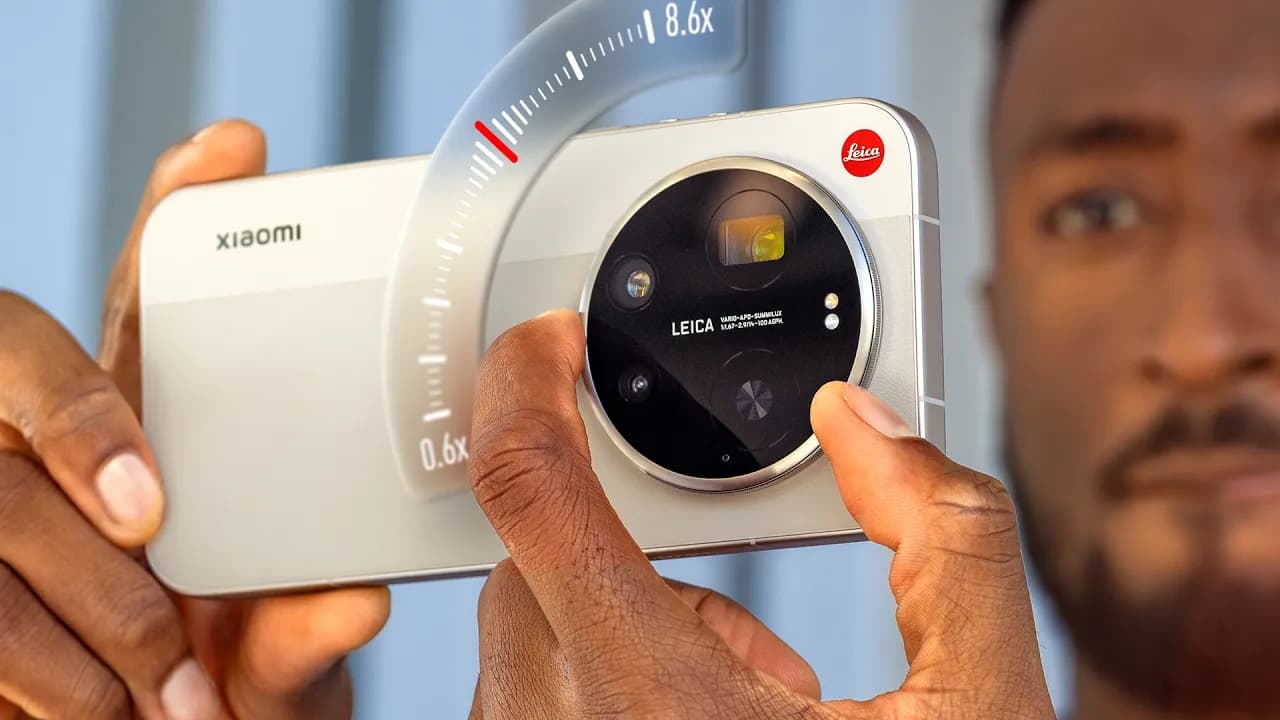
Xiaomi 18 Pro Max: They've Done It Again!
In a Nutshell
Xiaomi's 18 Pro Max packs a 200MP main and telephoto, 8,500mAh battery, and the first 2nm Snapdragon 8 Elite Extreme Gen 6 chip, all wrapped in an iPhone-shaped body. A new privacy screen blacks out side views, while the rear display doubles as a selfie viewfinder and widget panel. The phone's AI button and 100W wired/50W wireless charging round out a spec sheet built to beat the iPhone 18 Pro Max on hardware.
These notes were generated by AI and may contain inaccuracies.
The Xiaomi 18 Pro Max is designed to directly compete with and one-up the iPhone 18 Pro Max. Last year's Xiaomi 17 Pro Max was built to surpass the iPhone 17 Pro Max, and this year's model continues that pattern by attempting to surpass the iPhone's own updates.
The phone maintains the iPhone-like shape and familiar features while introducing significant hardware upgrades across multiple areas.
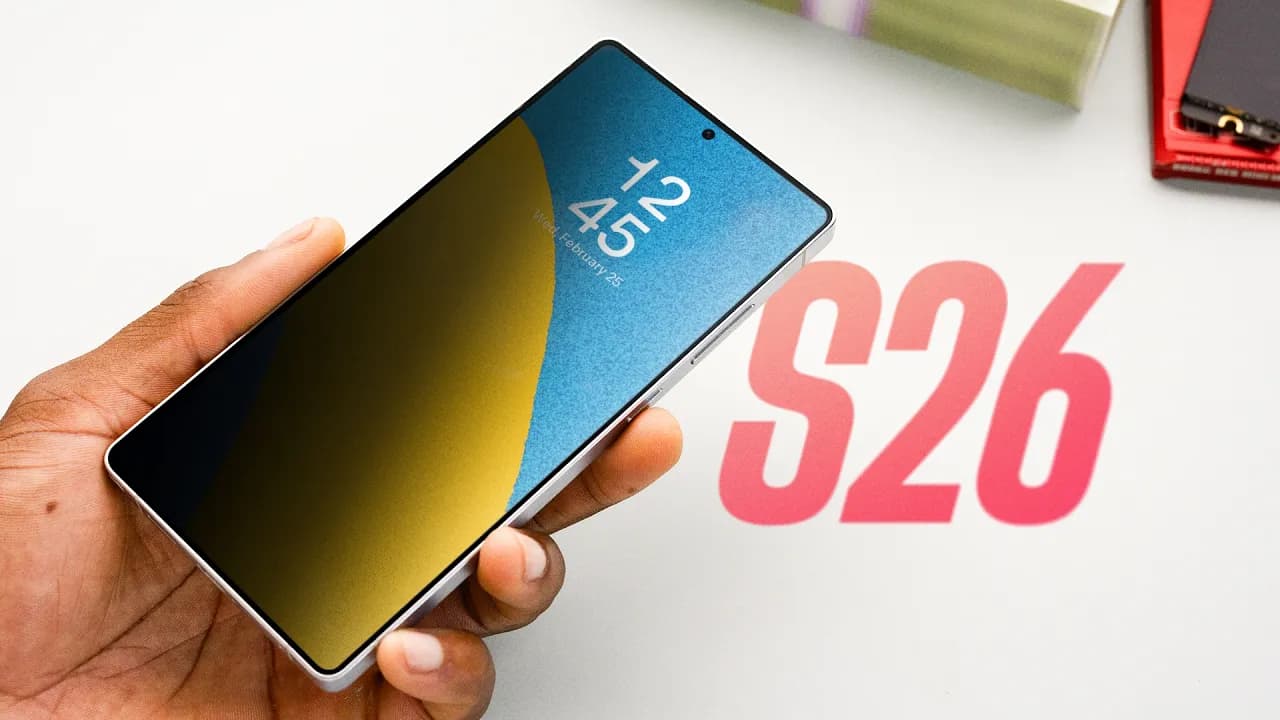
The Xiaomi 18 Pro Max introduces a privacy display feature borrowed from the Galaxy S26 Ultra. The screen can eliminate side viewing angles with a single button press. The feature offers more customization than Samsung's implementation, including automatic activation for specific apps, notifications, or locations.
Gaze detection is a new addition that uses the front-facing camera to detect when someone other than the user is looking at the screen, prompting the user to activate the privacy display.
The phone features the Snapdragon 8 Elite Extreme Gen 6 processor, the first 2nm chip in Xiaomi's lineup. This is a flagship processor that will appear in multiple high-end phones over the coming year. The chip includes cores with 5 gigahertz clock speeds and delivers 15-20% improvement over last year's chips.
The Pro version gets the Snapdragon 8 Elite Gen 6, while the Pro Max receives the Snapdragon 8 Elite Extreme Gen 6 with slightly higher clock speeds.
The phone includes:
- 16GB LPDDR 5x RAM
- UFS 4.1 storage
- Large vapor chamber cooling system
The battery capacity increased from 7,500 mAh to 8,500 mAh on the Pro Max model, enabled by higher density silicon. The phone supports 100-watt wired charging and includes the charger in the box. It achieves 50-watt wireless charging and reverse wireless charging capability.
The camera system was completely revamped with:
- 200-megapixel main camera
- 200-megapixel telephoto camera
- 50-megapixel ultrawide camera
The telephoto sensor is massive, equivalent in size to many phones' primary cameras. It offers 3.2x optical zoom with high croppability due to the 200-megapixel resolution. The system supports 200-megapixel mode, various color profiles, and 8K video recording.
The back screen serves as a camera viewfinder for high-quality selfies and functions as a secondary display for various uses including desk calendar, step counter, and customizable widgets.
The hyper RGB implementation uses complete red, green, and blue sub-pixel arrays for every pixel, resulting in less perceptible resolution drop when privacy mode is active compared to Samsung's half-normal, half-narrow pixel approach. The privacy feature only obscures left and right viewing angles, not above and below. The panel reaches 4,000 nits brightness to compensate for any image quality trade-offs.
The side button is configured as an AI button that can add current activities to Shia AI memory with a single press. A long press can launch voice notes, switch to silent/DND modes, or activate the privacy display. The button cannot be customized to launch arbitrary apps with a single press.
Speakers are hidden under the back screen at both top and bottom positions. This placement makes sound appear to come from the back of the device, requiring users to cup their hand behind the phone for optimal audio experience.
The primary camera maintains the large, high-quality sensor from last year. The telephoto upgrade is significant, encouraging more zoom photography usage. The ultrawide camera remains relatively smaller and less emphasized than the other two cameras.
The phone includes extensive AI features integrated across the Xiaomi ecosystem, which encompasses tablets, smart lights, appliances, and cars. The interface mimics iPhone aesthetics with features like dynamic island, top-right quick controls, and liquid glass effects to ease transition for iPhone users.
Keep Marques Brownlee in your library
Save the videos and channels worth coming back to, and find them again in one place.