Your Top Health Questions Answered
In a Nutshell
Huberman's core message is that health optimization requires flexibility, not rigid protocols—focus on getting morning sunlight, quality sleep, and hydration while adapting everything else to real-life constraints. The most effective pre-workout for late training is 600-900mg Alpha-GPC (with 600mg garlic to offset TMAO), paired with a hot shower and long-exhale breathing to optimize post-workout sleep. Memory improves through deliberate self-testing that forces recall errors, while passion develops by maintaining structure, avoiding drama, and working through the "chop wood, carry water" apprenticeship phase before applying your unique contribution.
These notes were generated by AI and may contain inaccuracies.
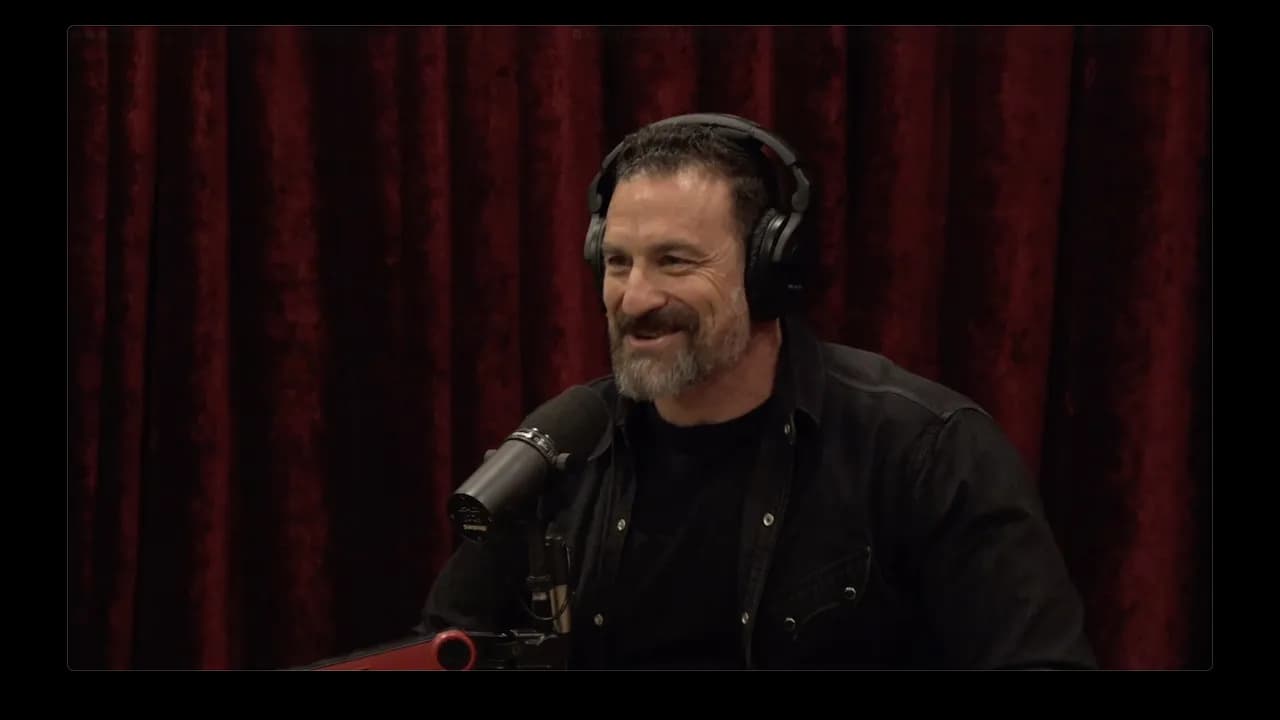
Welcome to the Huberman Lab podcast where science and science-based tools for everyday life are discussed. Andrew Huberman is a professor of neurobiology and ophthalmology at Stanford School of Medicine. Today's episode is a solo Q&A episode featuring questions submitted by listeners via phone calls on social media. The episode covers topics related to science and health relevant to women, men, and people of all ages, including health, fitness, mental health, and supplementation.
Listeners who submitted questions but don't hear them answered today are informed that their questions may be included in future Q&A episodes. Huberman expresses gratitude to all participants for their feedback, noting that these questions help shape future content.
Anthony Richards asks about the most effective pre-workout supplement for someone who trains late at night and goes to bed approximately 1.5 hours after completing workouts focused on strength training.
Huberman explains that late-day workouts create a moderate to high intensity cortisol spike, which is actually beneficial for stimulating adaptations in strength and muscle size. The challenge is finding a supplement that increases alertness and focus without disrupting sleep.
Alpha GPC is recommended as the primary solution, taken at 600-900 milligrams with water. This supplement increases acetylcholine levels, providing focus and alertness for workouts while also modestly increasing REM sleep, which supports neuroplasticity and emotional processing of memories. Unlike caffeine and other catecholamine-increasing stimulants, alpha GPC does not hinder REM or slow-wave deep sleep.
Alpha GPC increases choline levels, which can lead to elevated TMAO (trimethylamine N-oxide) in circulation. TMAO carries cardiovascular risk, and one study suggested regular high-dosage users (900 milligrams multiple times daily over long periods) may have increased stroke and cardiovascular risk.
To offset TMAO production, 600 milligrams of garlic should be taken alongside alpha GPC. Garlic contains allicin, which inhibits TMAO production in the gut. Garlic capsules are recommended as they don't cause garlic breath.
Alpha GPC should be used strategically rather than daily, with Huberman suggesting once or twice weekly, maximum three times per week, to maintain effectiveness and minimize TMAO accumulation.
Huberman emphasizes that mental preparation is often underestimated for generating workout intensity. Getting proper sleep the night before training and approaching workouts with full mental and physical focus can eliminate the need for supplements on many training days.
A reference is made to training with six-time Mr. Olympia Dorian Yates in Spain, where pre-workout preparation includes mental focus work on a stationary bike for 3-4 minutes before training, emphasizing that training is a practice of continuous improvement rather than just working out.
After late-night workouts, several strategies help transition to sleep:
- Take a hot shower after training, which warms the body surface and triggers the medial preoptic area of the hypothalamus to lower core body temperature, a prerequisite for sleep onset
- Practice long exhale breathing (physiological sigh with double inhale and long exhale) to activate the descending portion of the vagus nerve, slowing heart rate and reducing sympathetic arousal
- Consume slow-digesting proteins such as casein from Greek yogurt or casein protein powder, along with starches like oatmeal to replenish glycogen stores, even in the final hour before sleep
Being extremely hungry from intense training can also disrupt sleep, making post-workout nutrition important despite general recommendations against eating close to bedtime.
Eight Sleep provides smart mattress covers with cooling, heating, and sleep tracking capabilities. The Pod 5 model includes an AI engine called autopilot that learns sleep patterns and adjusts bed temperature across sleep stages, elevates the head during snoring, and optimizes sleep conditions. The product ships to many countries including Mexico and the UAE.
BetterHelp offers professional therapy with licensed therapists entirely online, with an average rating of 4.9 out of 5 based on over 1.7 million client reviews.
An anonymous listener asks whether morning light exposure is effective when only seeing the sky above and western sky, or if walking 20 minutes to view the eastern horizon is necessary.
Any amount of ambient daylight in the first hour after waking provides significant benefits by increasing the morning cortisol peak, which enhances mood, focus, and alertness throughout the day without causing Cushing syndrome or weight gain. This also increases catecholamines (dopamine, epinephrine, norepinephrine) for improved daytime energy.
Eastward facing is optimal but westward facing still provides substantial benefits. Sunglasses and brimmed hats should be removed to maximize light exposure to the eyes. Eyeglasses and contacts are acceptable. The key mechanism involves intrinsically photosensitive melanopsin retinal ganglion cells that send direct connections to the circadian clock.
The suprachiasmatic nucleus integrates photon exposure over the previous two to three days when making physiological decisions about cortisol and melatonin timing. Missing one morning of light exposure can be compensated by spending more time outside the following morning.
Late-day light exposure also matters, with recommendations to keep lights low in the evening. Morning bright light is described as the primary zeitgeber (timekeeper) that sets circadian rhythm in motion, though other factors including exercise, eating, and social interactions also contribute.
When traveling, the circadian clock remains on the previous location's schedule for several days, causing jet lag during the adjustment period.
Morning sunlight exposure doesn't require strict daily optimization. Get 20 minutes one day, 5 minutes the next, or 15 minutes when possible. More photons are better when blinking to protect the eyes, but fewer photons can be compensated for with longer exposure duration. The biological mechanisms will function effectively without rigid timing requirements.
Dr. Datillos raised concerns about longevity protocols becoming sources of stress when people become overly strict and diligent. Protocol overwhelm has become a significant issue as health optimization discussions have expanded to include specific mechanisms at particular times of day.
Optimization in its truest form involves addressing each day as an independent unit and asking what can be done today to set up for the best possible day given current constraints. These constraints might include dealing with sick family members, jet lag, deadlines, or being well-rested on vacation. Optimization must accommodate real life issues rather than requiring life to accommodate optimization protocols.
The most important protocols to maintain consistently include getting the best possible sleep, morning sunlight exposure in the first hours of the day, and hydration. Morning sunlight costs nothing, takes minimal time, and creates outsized positive effects on mental and physical health by setting circadian rhythms appropriately.
Hydration is frequently overlooked as a tool for increasing energy and well-being. Most people don't require perfectly clear urine, and the literature does not support the claim that non-water fluids like coffee and caffeine are dehydrating.
Resistance training three times weekly combined with cardio three times weekly provides six days of weekly exercise. High-intensity interval training sessions can be as brief as 6-12 minutes to achieve maximum heart rate and VO2 max benefits. One cardiovascular session can be longer, such as an hour-long hike or jog weekly.
Exercise frequency should be based on what can be done consistently over time rather than rigid daily requirements. When in graduate school, exercise was limited to 2-3 days weekly due to laboratory demands, but other physical activity compensated during that period.
True optimization requires taking a rational look at life over the next 6 months, year, or specific periods like deadlines or having a newborn child. The approach must be adaptive rather than rigid, with no simple prescriptive rules for situations like travel. Some people benefit from maintaining or increasing exercise during travel to reduce jet lag, while others prefer complete relaxation on vacation.
Burnout and stress from health optimization can be addressed through three approaches. First, change attitude by assessing whether protocols are enjoyable and produce desired effects. Second, evaluate consistency by determining what frequency is sustainable. Third, identify and address resentments toward protocols or those recommending them.
Self-care definitions vary between individuals. No guilt should accompany either easing up on protocols or maintaining strict adherence if that approach is enjoyable and beneficial.
AG1 Pro adds three new ingredients to the existing AG1 formula: 5 grams of creatine monohydrate for muscle strength, performance, and brain health; calcium HMB for muscle recovery and reducing muscle breakdown; and zinc carnosine for gut lining support. The original AG1 formula contains vitamins, minerals, probiotics, and adaptogens.
Memory formation begins in the hippocampus, with memories then distributed to the neocortex. Memory systems require two types of practice: recalling previous memories to maintain their availability and learning new information to keep the memory system vital.
Exercise benefits memory formation primarily through its pro-arousal effects rather than through specific chemicals like BDNF or IGF-1. Exercise increases alertness, which enables better focus during the subsequent 1-6 hours when learning occurs. The form of exercise matters less than its ability to raise autonomic arousal and alertness levels.
Learning requires making errors through deliberate effort. The nervous system only changes when pushed past current capabilities. Errors must occur during attempts to perform correctly rather than intentional mistakes. The error signal travels through the cerebellum and triggers brain reshaping during deep rest, particularly during slow-wave and REM sleep.
Self-testing proves more effective for memory formation than repeated reading, note-taking, or highlighting. Studies demonstrate that testing ability to recall information creates more stable long-term memories than passive review methods. This applies to both recently learned information and memories from years or decades ago.
When self-testing reveals memory gaps, this signals the nervous system to retrieve distributed memories from neocortical circuits. Errors during self-testing should be expected and embraced as necessary for maintaining memory system function.
The only way to really call back memories in a way that they stay going forward and keep circuits active for forming new memories is to make errors during testing. Test yourself by trying to recall information without immediately looking it up. When you hit the point where you cannot remember something, that friction point creates the tip of the tongue phenomenon. Those memories are resurfacing during this struggle. If you wait some period of time, the memories typically come back. If you have to look them up later, you won't forget them as readily compared to not testing yourself at all.
All of learning is anti-forgetting. Alertness and focus trigger plasticity, while deep rest and sleep allow the plasticity to actually occur through physical reshaping of circuitry. Consolidation over time requires recall through self-testing with errors. This involves pushing yourself to the point where you cannot remember something, then looking it up and reconsolidating the information. This approach is supported by both neuroscience and psychological literature.
Test yourself on things you are interested in learning regardless of whether the learning occurred recently or in the past. This can be done mentally on a walk or by writing down questions. ChatGPT can be used to generate tests on material from podcasts or content learned long ago. For example, you can request a test at the level of second-year graduate school neuroscience focused on synaptic transmission. If the test is too easy, request it be made harder.
The well-supported way to improve sense of smell is to test yourself on smells. Take a lemon and other distinct smells like rose or chocolate. Avoid noxious smells because there is a hardwired pathway for detecting them that does not require the same training. Coffee and other pleasant odors can be used for this training.
Spend more time sniffing than you think necessary. Our sense of smell is on par with that of canines when accounting for the amount of sniffing done per unit time. The sheer number of olfactory neurons in humans is slightly lower than in dogs, but the ability to smell relates more to sniffing behavior than to the olfactory system itself.
Olfactory neurons turn over throughout the lifespan, unlike most other central nervous system neurons. This turnover and tuning to particular smells is activity dependent. Electrical activity in these neurons requires sniffing and smelling particular odors in combination. Close your eyes and make the environment quiet. Take really good deep, long inhales. The more times you sniff and the longer the inhales, the more the cells fire in the presence of that odor.
Dogs demonstrate this principle through their J-shaped nostril structure with notches on the sides that create a physical environment where every inhale keeps odor circulating. They spend significant time with each odor and integrate odors across space. They have stereo smell, comparing odors coming through one nostril versus another. They pay attention to odor plumes and direction. When dogs are fixated on a smell, they appear deaf and blind to other stimuli, focusing completely on that odor.
To build sense of smell, spend time with smells, inhale longer, pay attention, and focus. This activity-dependent rewiring and reestablishment of ongoing neuron turnover occurs through this process. After respiratory illness or head injury that shears off olfactory neuron axons at the cribriform plate, people can become anosmic. These training methods have been shown to help, especially immediately after injury, though some evidence suggests enhanced smell can be developed over time even without injury.
For both male and female fertility, adequate calories are needed but excess calories should be avoided. Men carrying excess body weight above 20% body fat should cut calories to a submaintenance level to lose body fat while doing resistance training to preserve or build muscle. This improves testosterone, free testosterone, and other hormone markers of virility and fertility.
Men at 15% body fat or less who cut calories below maintenance level consistently for two to three or more weeks will likely reduce testosterone and free testosterone levels, potentially negatively impacting fertility. For men in a healthy body fat range, avoid going into severe caloric deficit of more than 500 calories per day for extended periods when trying to conceive.
Exogenous testosterone, even at micro doses below 100 milligrams per week, negatively impacts sperm count through negative feedback. This can be partially to completely offset by taking hCG at approximately 500 IUs three times per week. Without hCG, any exogenous testosterone will deplete sperm count. While sperm count can usually be brought back up with hCG and other therapies, sometimes it cannot. Exogenous testosterone should only be used in the context of a well-informed doctor who knows fertility goals. Consider freezing a sperm sample if future fertility goals might change.
For women carrying higher than healthy body fat percentages, there is higher inflammation, and reducing body fat somewhat or considerably can help with pregnancy goals. However, if body fat percentage comes down too far, menstruation may stop or fertility may be adversely impacted. This requires discussion with an OB/GYN.
Both men and women should consume a low inflammation diet with adequate micronutrients. This includes fresh fruits and vegetables, lean proteins like chicken and fish, some lean red meat, monounsaturated fats like olive oil, lentils, rice, and starches without excess fats. Quality proteins should have high protein to calorie ratios.
Low sugar fermented foods have been shown in human literature to reduce inflammation. A Stanford University School of Medicine study by Justin Sonnenburg and Christopher Gardner found that many inflammatory markers were significantly reduced in participants eating low sugar fermented foods, while fiber addition showed mixed results with some people experiencing increased inflammation.
Low sugar fermented foods include Bulgarian yogurt, sauerkraut that requires refrigeration, natto, and kimchi. The low sugar variety is important. Four servings per day is sufficient, achieved through gradual ramp-up over weeks.
Co-enzyme Q10 and L-carnitine have shown positive impact on egg quality and sperm quality according to multiple fertility experts. L-carnitine improves sperm motility and quality. L-carnitine can be taken orally as capsules at 500 to 750 milligrams per day, though absorption is lower than with injectable forms. Co-enzyme Q10 dosage recommendations vary.
These supplements support mitochondrial health, which is crucial for conception and early embryo formation. The process of creating more cells from a fertilized egg depends heavily on mitochondrial function within the early embryo, egg, and sperm.
These supplements are not the lynchpin factor in fertility. The most important factors for reproductive health include keeping inflammation low through diet, exercise, sleep, and other lifestyle factors. Fertility concerns are age dependent and may involve genetic variation. When struggling to achieve or maintain fertility, or at age thresholds of increased concern, these approaches can provide additional support.
Element is an electrolyte drink containing sodium, magnesium, and potassium in proper ratios without sugar. Proper hydration is critical for brain and body function, and even slight dehydration can diminish cognitive and physical performance. The electrolytes sodium, magnesium, and potassium are vital for cell functioning, especially neurons and nerve cells.
A recommended protocol includes drinking 16 to 32 ounces of water with an Element packet dissolved in it upon waking, and consuming Element during physical exercise, particularly on hot days when sweating occurs. Available flavors include watermelon, raspberry, citrus, and lemonade. The website drinkelement.com/huberman offers a free sample pack with any purchase.
Perimenopause and menopause involve massive changes in hormones, particularly estrogen, progesterone, and testosterone, which can occur gradually or more rapidly. The range of symptoms experienced is highly variable between individuals. The topic requires extensive discussion, with previous episodes available covering perimenopause and menopause from different perspectives.
A large-scale study on hormone replacement therapy for menopause had early conclusions that were flawed. The initial findings suggested hormone replacement therapy was dangerous or ineffective, but many now conclude these early conclusions were wrong. When therapies are started early enough in perimenopause or menopause, beneficial effects are observed, whereas starting too late may show detrimental effects.
There is an absolute relationship between perimenopause, menopause, and anxiety. Steroid hormones like testosterone and estrogen impact neural circuit activities, including the hypothalamic pituitary adrenal axis involved in cortisol production. Hormones impact hundreds if not thousands of systems, affecting gene expression and protein production in cells.
The key takeaway is that if experiencing anxiety during perimenopause or menopause, there is a mechanistic basis to suspect it could be related to hormone changes. Consulting with a doctor is essential, as any caring physician should discuss whether estrogen, testosterone, or progesterone levels need adjustment through existing therapies, many of which are inexpensive.
Additional approaches include eating a low-inflammatory diet and ensuring adequate sleep. Hormone therapies may address foundational issues like middle-of-the-night wakings and night sweats, while lifestyle changes can target symptoms specifically.
For outdoor wedding ceremonies, sunset timing is recommended over sunrise. Most people fall into specific chronotypes: approximately 20% are early birds genetically hardwired to prefer early rising and early sleeping, while the majority prefer waking between 6:00 and 8:00 a.m. and going to sleep between 10:00 p.m. and midnight. Night owls prefer waking after 9:00 a.m. and staying up late.
People find it easier to stay up later than their preferred bedtime but very difficult to be alert earlier than their normal wake time. Sunset ceremonies allow guests time to prepare, get morning sunlight, and dress appropriately. This timing accommodates different chronotypes better, with night owls being happiest and normal chronotypes managing the later bedtime without significant issues.
Chronotypes are real phenomena, though no definitive studies exist on whether aligned or asynchronous chronotypes work better in relationships. Both watching sunrises and sunsets together can be beneficial.
Preparation for kidney donation surgery should focus on entering the procedure as fit and rested as possible. Cardiovascular fitness and strength should be optimized without overtraining or exhausting oneself. A recommended pre-surgery fitness protocol includes:
- At least one long slow distance cardio session of 45 minutes to an hour at zone two-three intensity per week
- High-intensity interval training at least once per week, possibly twice
- Moderate intensity exercise of about 30 minutes
- Strength training for both lower and upper body two to three days per week on days separate from cardiovascular training
Adequate sleep is crucial in the days and weeks before surgery, though pre-surgery anxiety may affect the night before. Recovery from surgery is significantly improved when patients maintain normal circadian rhythms. Hospital environments often lack circadian-friendly conditions with bright lights and noise throughout the night.
Practical recommendations include requesting a window position, preferably east-facing, using eye masks and earplugs for better sleep, and getting natural light exposure. The circadian rhythm's impact on recovery from surgery and illness is substantial and foundational to health.
Muscle memory facilitates faster recovery of strength and muscle size compared to initial gains. This applies to both skill-based memory and the reestablishment of motor neuron to muscle connections. Regaining previous strength and muscle is far easier than building it initially, though younger individuals (late teens, early 20s) gain muscle more rapidly when first starting exercise.
Finding one's true passion is a vital question regardless of age. The inquiry comes from someone who recently graduated college and is entering the professional world, seeking science-backed evidence for identifying genuine passion.
University professor emphasizes that finishing a degree is a significant accomplishment. Passion-finding is discussed in detail in the final chapter of the book, beyond what's covered here due to time constraints. The advice applies regardless of age.
Even without knowing your passion, structure in daily life remains critical for success. This does not mean overoptimization or following every health protocol. Having a purpose each day matters, even when it doesn't feel like the right thing. Students should focus on studies when possible. For those working jobs far from desired careers, continue taking care of yourself through sleep, morning sunlight, and exercise. These foundational practices apply whether working as a store clerk, selling shoes, or in any position.
Early jobs included working in skateboard shops, selling shoes, assembling Radio Flyer wagons and toys at a toy store, working in a bakery, having a paper route, and mowing lawns. These jobs weren't all loved and paid varying amounts, but staying busy and working on yourself cultivates skills that will eventually apply to your passion once discovered.
Joe Strummer of The Clash, who later started The Mescaleros, articulated "Strummer's Law": no input, no output. You must interface with the world to generate ideas and discover your passion. Listening to a modern art history lecture led to discovering two artists and generated ideas connecting to visual system work and emerging peptide science related to eye health.
The brain combines different nodes of interest, and this convergence creates your unique contribution to the world, whether in exercise science, finance, or teaching. Your original contribution emerges from these intersections in the unique version that is you.
Two critical things to avoid: drama (especially getting pulled into meaningless drama) and numbing out. Content designed to activate anger might lead to justice and advocacy work in public policy or animal advocacy, but meaningless dramas should be avoided. Similarly, numbing out prevents discovery of genuine interests.
Earning your own money feels good at any age, even small amounts. Building savings, making some spending money, and putting money into investment accounts creates a sense of building something. The underlying operation of showing up, trying to be good at work, even when it's not your calling, sets the stage for future opportunities.
Maintain a notebook tracking people whose careers or work resonate personally. This list might include individuals from science, health and fitness, art, and music. Over time, crossing out and adding names reflects career and passion arcs. This practice predates podcasts and personal development movements.
When pursuing a particular path, don't try bringing your unique spin too early. Every career path has a chop wood, carry water phase where competency develops from unskilled to skilled to mastery. No one wants to work with someone trying to bring their unique approach to something they barely understand. You must apprentice yourself to develop core mechanics first.
Develop a sense of taste by learning what moves you toward or away from things - what feels like "yum" versus "yuck." Some things will be "meh." Once committed to something, don't confuse difficulty with yuck. Hard things require developing skill sets through the chop wood, carry water phase. After transitioning from unskilled to skilled to mastery, you can incorporate unique experiences and transform your field.
Finding passion involves being yourself while plugging into systems long enough to become really good at something, then putting your stamp on it. Multiple tributaries starting with you eventually converge into your unique gift and passion. Stay structured, take care of yourself, avoid meaningless drama, don't numb out, try different things, develop taste, and embrace the apprenticeship phase before bringing unique contributions.
Keep Andrew Huberman in your library
Save the videos and channels worth coming back to, and find them again in one place.