Anti-Aging Expert: Stop Touching Receipts Immediately! The Fast Way To Shrink Visceral Fat!
In a Nutshell
Visceral fat surrounding organs drives insulin resistance, inflammation, doubled early mortality risk, and metabolic diseases; lose it rapidly via aerobic/vigorous exercise (prioritize 10 min/day bursts over 10,000 steps), intermittent fasting (16:8 window for ketosis/autophagy), 7-9h sleep, stress reduction, and avoiding endocrine disruptors like BPA (receipts, plastics, cans) and phthalates (plastic-wrapped meats)—use glass, stainless steel, sulforaphane (broccoli sprouts/Avacol). Top supplements: omega-3 (1.6-2g EPA/DHA), vitamin D3, multivitamin, magnesium (350-400mg), creatine (5-10g); add urolithin A for mitophagy, curcumin for TNF-alpha reduction. Maintain "peak span" (90% peak function) across muscle, brain, immunity, cardio via HIIT/resistance training, novel learning, exercise snacks to break sedentary time, and avoiding AI over-reliance for cognitive reserve.
These notes were generated by AI and may contain inaccuracies.
We are being bombarded with disrupting chemicals in art products. In the kitchen: fridge items made from recycled electronics are problematic. Some plastics heat up and leach into food. Receipts are covered with BPA; a study in adolescent boys showed 50% reduction in testosterone.
Peak span is being within 90% of peak function. Muscle mass and bone density peak around 25 years old and steadily decline, as does cognitive function. Exercise 5 hours a week with high-intensity interval training reverses heart aging by 20 years. Sleep prevents rapid immune system aging. Something associated with rapid decrease in Alzheimer's disease risk.
Holding visceral fat doubles risk of early mortality. Average visceral fat: at age 30, 1.2 pounds for men, 0.5 pounds for women; at 40, 1.7 pounds men, 0.7 pounds women; at 50, 2.2 pounds men, 1 pound women; at 60, 2.7 pounds men, 1.54 pounds women (highest risk for metabolic syndromes).
Visceral fat is deep fat surrounding organs like liver, kidneys, intestines—referred to as belly fat. Unlike subcutaneous fat you can pinch, visceral fat can't be pinched externally. You can be lean but have high visceral fat (metabolically unhealthy). 70% of women over 50 and 50% of men over 50 have high amounts.
Visceral fat doubles early mortality risk, is metabolically active, secretes inflammatory cytokines damaging cells. People with high visceral fat are 44% more likely to get metastatic cancer. Constantly breaks down triglycerides into free fatty acids.
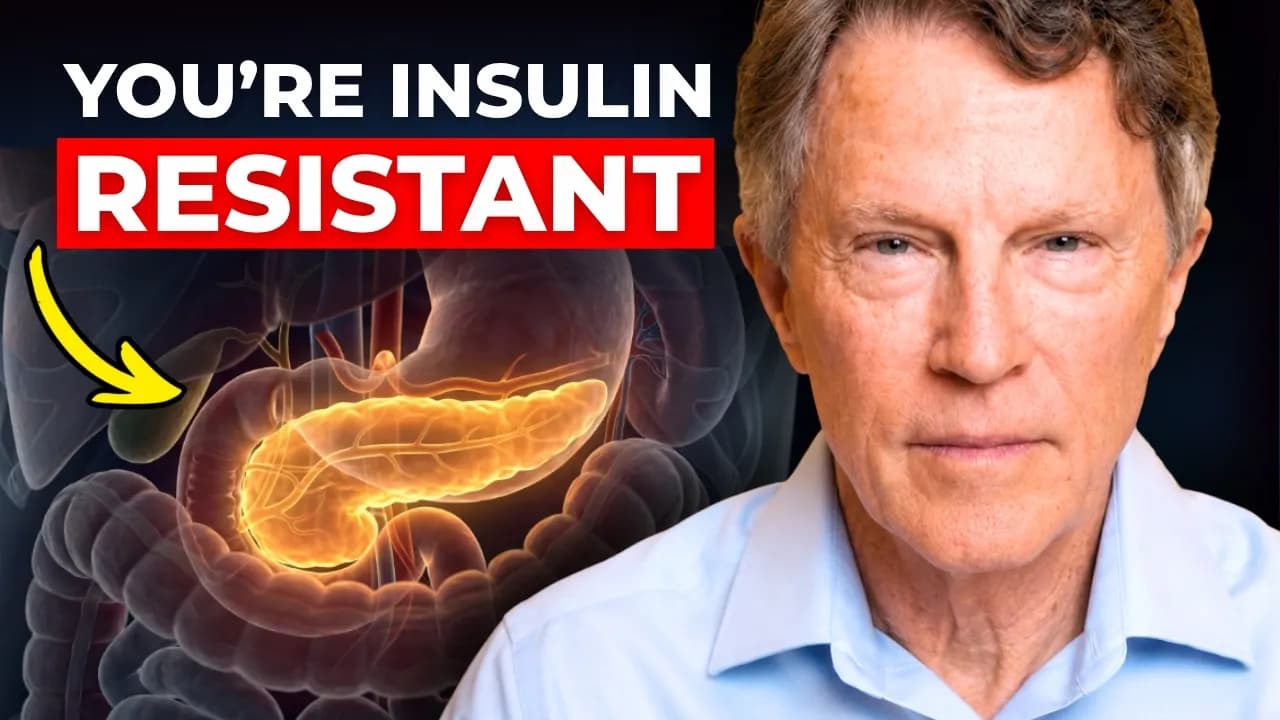
Triglycerides store fatty acids for later energy use. After eating, glucose elevates, pancreas releases insulin to direct glucose to liver, muscle, adipose tissue. Visceral fat doesn't respond to insulin, keeps breaking down fatty acids, preventing insulin from working. Glucose stays in blood, body overproduces insulin, causing crashes, hunger, cravings for energy-dense foods—beginning of insulin resistance.
Leads to type 2 diabetes as body can't produce enough insulin. Inflammation causes tiredness, brain fog, lethargy by diverting energy to immune system, disrupting brain neurotransmitters—like during infection.
Proxy: waist circumference—35 inches or greater for women, 40 inches or more for men indicates high visceral fat. Ideal: DEXA scan showing below 300 grams, closer to zero better.
Example: skinny friend had excess visceral fat on DEXA despite lower weight. Lean but metabolically unhealthy people exist; biomarkers show issues despite appearance. Not reflected on scale (e.g., 500 grams or less like daily fluctuations).
Age, hormones: women gain during perimenopause/menopause as estrogen drops (directs fat to subcutaneous); testosterone helps burn visceral fat but declines with age. Diet, lifestyle primary.
- Sleep loss: healthy young men sleeping 4 hours/night for 2 weeks gained 11% visceral fat, no scale change.
- Caloric excess: young men given 1,200-2,500 extra calories/day (ultra-processed) for 5 days gained visceral fat, fatty liver, brain insulin resistance.
- Eating close to bed (within 3 hours) activates sympathetic nervous system, fragments sleep.
- Chronic stress (cortisol), alcohol (beer belly = visceral fat).
Stop eating 3 hours before bed. If needed, light protein shake. Resistant starch improves sleep, gut microbiome: cooled cooked rice/potato (reheat ok), green bananas.
Visceral fat lost easily/rapidly. Sleep loss causes insulin resistance, which causes more visceral fat—vicious cycle.
Insulin resistance: body not responding to insulin signal (cells ignore it), glucose stays in blood causing damage. Physical activity makes muscles insulin-independent for glucose uptake.
Visceral fat is the real underlying problem causing insulin resistance, more so than glucose alone. Parents often have high visceral fat due to stress and lack of sleep. A new mother wearing a continuous glucose monitor was appalled by her pre-diabetic fasting and postprandial blood glucose levels despite not consuming poor diet like Cokes. Postprandial means after a meal, when levels are higher than fasting. During the first couple of months postpartum, reduced physical activity contributed, but high-intensity interval training and exercise can negate most poor effects on glucose regulation and insulin resistance.
New parents should prioritize exercise, specifically aerobic and vigorous types like running, jogging, cycling, swimming to get heart rate up—these reduce visceral fat through energy expenditure and caloric deficit. Resistance training and lifting weights improve metabolism and glucose sensitivity by making muscles more sensitive to glucose but do not significantly reduce visceral fat.
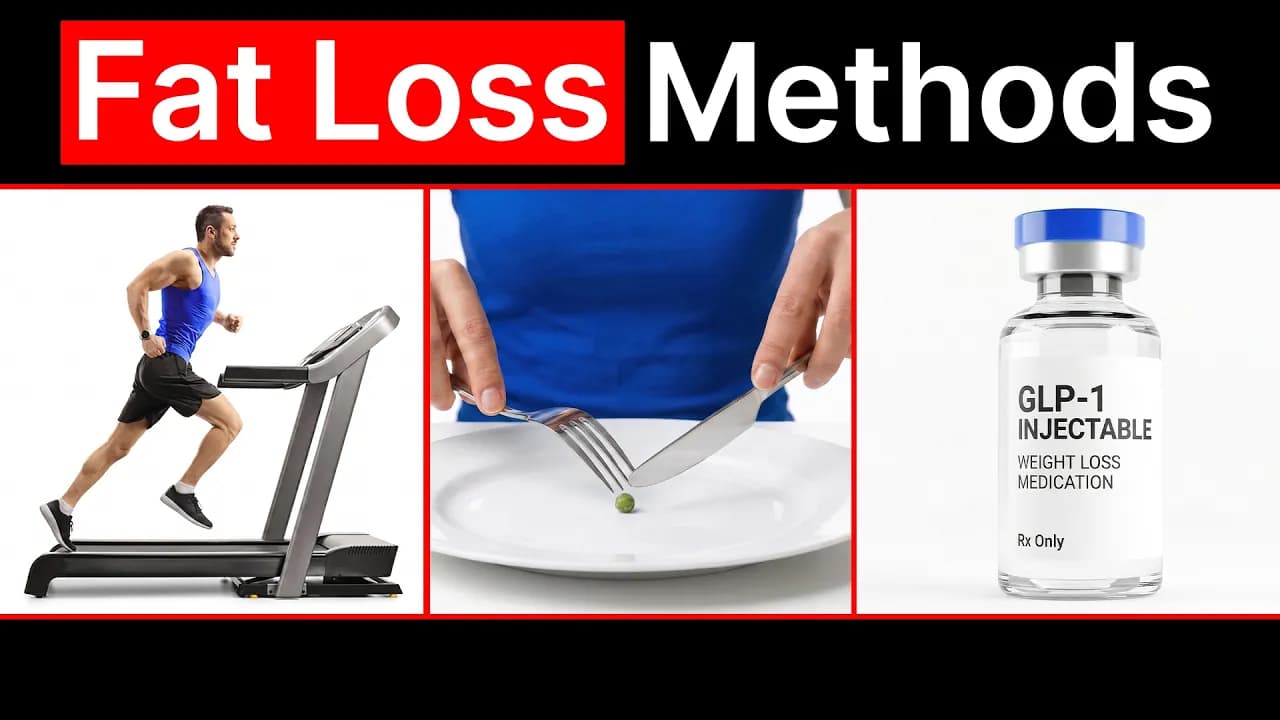
Any weight loss program—intermittent fasting, caloric restriction, GLP-1 receptor agonists—targets visceral fat first, allowing quick loss.
Intermittent fasting reduces calorie intake without counting calories, aiding visceral fat loss. It induces a metabolic switch from burning glucose/glycogen to fatty acids and ketosis after liver glycogen depletes (10-12 hours of fasting, relative to carb intake and activity; low-carb diets deplete faster). Fasting 16 hours daily, eating in an 8-hour window, mobilizes fatty acids from adipose and visceral fat for energy, producing ketones.
Ketones provide easily utilizable brain energy, act as signaling molecules for cognitive sharpness during food scarcity (evolutionary adaptation from hunting eras), increase GABA for calmness and focus, reduce anxiety. Fasting in the morning extends the overnight fasted repair state (autophagy heightened when fasted vs. fed; fed state is anabolic for growth, fasted for repair to counter aging damage). Trained fasted for cardiovascular aerobic endurance (e.g., 3-mile runs, not 10-mile) shows better adaptations: enhanced fat oxidation, mitochondrial biogenesis (more new, healthy mitochondria for energy in cells like brain, heart, lungs), anti-inflammatory and antioxidant pathways.
Listen to your body—if fasted exercise feels terrible, eat first. For short sessions (30-minute run), fasted is fine; long (2-hour) requires fuel. Women risk hormonal disruption (low follicle-stimulating hormone, luteinizing hormone leading to amenorrhea—no ovulation/period) from excessive caloric deficit, high-volume exercise without refueling, as body shuts down reproduction due to energy scarcity. Common in elite female athletes undereating (e.g., speaker's early 20s marathon training: 8-10 miles/day 5 days/week on carrots/hummus). If training fasted feels bad, have protein shake. Speaker (47, perimenopause) trains fasted successfully, noticed belly fat creep and countered aggressively.
SWAN study: Women experience accelerated visceral fat increase starting 2 years before final menstrual period due to plummeting estrogen (average menopause 50-52). Earlier menarche predicts earlier menopause; mother's age indicative. Obesity, endocrine-disrupting chemicals accelerate ovarian aging/menopause by 1-2 years. Perimenopause (mid-40s) brings 8-10% annual visceral fat increase, sudden belly fat gain even with normal hormones. Estrogen directs fat to thighs/butt; drop shifts to visceral. Counter with intermittent fasting, adequate protein, resistance training to preserve/build muscle (avoid muscle loss from calorie restriction without these).
Men: Testosterone/growth hormone peak late 20s, drop 1% yearly from 30; 25-65 see 200% visceral fat increase even if total weight stable, linked to testosterone decline (aids fat burning). Men become sedentary, consume more calories—compounding factors. Younger testosterone helps burn visceral fat faster.
Main strategies: exercise, sleep, diet; also avoid excess alcohol, manage stress (relaxation techniques—amplifies visceral fat). Visceral fat insidious—invisible until belly protrudes, affects daily feel; overlooked vs. HbA1c/lipids/weight.
Testosterone in men dropped up to 20% last two decades due to diet (refined sugar), sleep deprivation, micronutrient deficiencies (zinc, magnesium for synthesis), but mainly environmental endocrine-disrupting chemicals (EDCs): BPA (bisphenol A), phthalates, PFAS (forever chemicals)—in plastics (make durable/water/oil/flame resistant), PVC piping, food packaging, cosmetics, hair products, non-stick pans (Teflon), water-resistant clothing/shoes (downstream).
PFAS target thyroid, ovaries (accelerate menopause 1-2 years). BPA in plastic water bottles, paper cup linings (coffee to-go), BPA-free often uses BPS (similar/worse). BPA mimics estrogen (binds receptors, activates/blocks), binds androgen receptors—high BPA linked to low testosterone; adolescent boys with highest BPA had 50% lower testosterone. Phthalates (flexibilizers) lipid-soluble, drawn to fat—in food packaging (steak/poultry plastic wraps).
Phthalates from plastic wrappers around fatty foods like cheese and meat leach into the food. They disrupt hormones similarly to BPA, binding to the androgen receptor and disrupting testosterone synthesis in the testes. A study showed men with the highest phthalate levels had 20% lower testosterone compared to men with lower levels. Phthalates also affect sperm quality: abnormal shape, reduced count, and decreased motility. In pregnant women exposed to high phthalates carrying male fetuses, boys develop hypospadias (urethral slit shifted backward) and undescended testicles, linked to infertility and testicular cancer. Around 20% of boys now have undescended testicles due to maternal phthalate exposure. Phthalates disrupt ovaries, estrogen, ovarian aging, menopause age, and thyroid hormones. Pregnant women with high BPA levels are six times more likely to have a child with autism spectrum disorder. BPA disrupts estrogen and androgen receptors and inhibits aromatase, the enzyme converting testosterone to estrogen. Estrogen is crucial for masculinizing the male brain in utero.
Avoid drinking from plastic bottles. Use mugs at coffee shops or bring your own like a Yeti to-go mug. Canned soups are lined with BPA-containing plastic; hot processing increases BPA levels by 1000%. Avoid daily consumption of canned soups, sodas, or sparkling water in cans. BPA is excreted via urine after becoming water-soluble from its fat-soluble form.
Broccoli sprouts contain sulforaphane, activating phase 2 detoxification enzymes to make BPA water-soluble for urinary excretion. Broccoli sprouts have 100 times more sulforaphane than mature broccoli. Supplement with Avacol by Neutramax (12 published clinical studies); it improves autism symptoms in children and adolescents. People with autism excrete BPA 30 times less efficiently, and BPA increases autism risk.
Black plastic containers from recycled electronics contain flame retardants that leach into food, especially hot food. Avoid black plastic entirely. Acidic or spicy foods in plastic leach chemicals rapidly, like BPA in hot sauce. Paper containers with waxy coating are better than black plastic. Best option: glass Pyrex with bamboo lids for takeout. Even cold food in plastic sheds microplastics. Glass sparkling water is preferable despite studies showing more microplastics from lid paint (larger particles not well absorbed, exit via feces). Plastic bottled water has nanoplastics that enter gut and bloodstream, plus BPA/phthalates from heat exposure in shipping. Store acidic condiments (hot sauce, ketchup) in glass. Avoid plastic-wrapped fatty cheese, as phthalates leach into fat. Eggs in cartons are fine. Use wooden kitchen utensils over plastic or questionable silicone, which may contain plastic leaching when heated. Black plastic spatulas have flame retardants (cancer-causing brominated chemicals).
All-Clad pans are ideal: no plastic lining, PFAS, or nonstick coatings like Teflon, which leach forever chemicals when heated. Switch to stainless steel blender jars; plastic ones release microplastics and chemicals from friction (e.g., kale blueberry smoothies).
Receipts are coated with BPA for thermal printing. Cashiers handling receipts have high BPA levels, especially with lotions/hand sanitizers (fat-soluble BPA absorbs 100-fold more). Opt for emailed receipts or avoid touching. Cashiers should wear nitrile gloves (latex does not protect). Adolescent boys with high BPA have 50% reduced testosterone, critical for development.
Plastic water filter bottles reintroduce plastics despite removing pathogens. Reverse osmosis filters remove microplastics, nanoplastics, BPA, and phthalates; tabletop versions available. RO filters remove essential minerals, so take a multivitamin-mineral supplement or add essential element drops (phosphorus, manganese, iodine). Espresso machines have plastic piping where hot water leaches chemicals. Use flash-frozen coffee pods like Contier (metal/aluminum, no plastic lining): press button into glass, add hot water.
Reduced and active glutathione involves marketing considerations. Glutathione is a major
Glutathione is a major antioxidant made in the body and brain. It negates oxidation, which causes brain aging and overall aging. People want to supplement with glutathione because it's a great antioxidant. However, the body makes it inside cells, and there's no transporter to get external glutathione into cells—even if it survives digestion, which it doesn't. Regular glutathione supplements are a waste of time.
Liposomal glutathione gets inside cells because liposomes encapsulate the glutathione molecule in something that fuses with the cell membrane. Liposomal products have higher bioavailability. If it's not liposomal, even if labeled reduced and active, it won't get into cells and will be excreted.
Vitamin D3 is the form made from sun exposure. Vitamin D2 is the plant form found in mushrooms. Studies show D2 is not as effective as D3. Many vegetarians take D2, but for vegetarians or vegans, look for vitamin D3 from lichen (green stuff on trees that makes D3)—a better option than D2.
A recent large study showed vitamin D-deficient people (due to less sun exposure) have accelerated aging. Supplementing with vitamin D3 slowed their biological aging by almost 2 years. This didn't happen in non-deficient people. The goal is to avoid deficiency. People with darker skin (more melanin, natural sunscreen) need more sun time.
In older adults (65+), taking Centrum Silver daily reversed global brain aging by 2.1 years and episodic memory aging by almost 5 years after 3 years. Episodic memory involves remembering events, people, and things.
The same COSMOS study (recently published) found Centrum Silver slowed biological epigenetic aging by a few months after 2 years. This compounds over time—e.g., 2+2+2 years adds up to slowing aging substantially over 30-50 years. It's low-hanging fruit: easy to ensure better aging.
Multivitamins contain vitamin C, D3, E, K, niacin, B vitamins, folate, selenium—essential for metabolism, neurotransmitter synthesis, immune system, liver function. These fill gaps because soils are depleted (e.g., glyphosate depletes minerals), and people eat micronutrient-poor foods like takeout instead of dark leafy greens and colorful produce.
Supplements are unregulated—companies can put in wrong amounts (too little or too much). Some vitamin D3 or melatonin supplements had 1,000-10,000x more than stated. Choose trusted brands with third-party testing (e.g., ConsumerLab).
For men, avoid iron—most men don't need it unless anemic. Supplemental iron causes oxidative stress (free iron reacts with DNA/cells). Hemochromatosis (iron overload, common genetically) makes it worse. Premenopausal women lose iron via menstruation (16% deficient); add endurance exercise, and they may need it—but measure levels first. Post-menopause, shift to no iron like men. Iron good around cycle for premenopausal women if needed.
Omega-3 (EPA/DHA from fish oil) is one of the best for health and aging. 90% of US, 80% globally deficient, especially from seafood. High omega-3 index: 5-year increased life expectancy; smokers with high index live as long as non-smokers with low index (low index = like smoking); 66% lower Alzheimer's risk; slows epigenetic aging.
Swiss study (participants 88% physically active, vitamin D sufficient): Omega-3 slowed epigenetic aging; combo of omega-3 + vitamin D + resistance training slowed it by 4 months after 1 year. Correlated with 60% less pre-frailty and lower cancer risk. Dose: 1.6-2g/day for good index.
Store fish oil in fridge/freezer (polyunsaturated fats oxidize at room temp). Keep stock frozen, current bottle in fridge—freezing fine. Choose third-party tested brands with total oxidation <10 (fresher, less oxidized fat).
Creatine monohydrate most studied. For resistance/strength training: 5g/day minimum; 10g/day baseline for brain benefits (German studies: brain uptake at 10g+, muscles greedy). Benefits: no afternoon slump, sharper brain (mid-40s), negates sleep deprivation effects (20-25g scales with weight, outperforms normal baseline).
No loading needed unless for quick study saturation (20g/day for 3-4 days). 5g/day consistently saturates muscles in 3-4 weeks. If new to creatine, 4-week experiment at 5g/day. Muscles stay saturated with daily 5g.
If bloated/nauseous: split to 2.5g x2, take with food/carbs. Won't grow muscles without training—provides energy for more volume/strength. Good for brain when traveling/stressed.
Gummies often lack creatine (consumer study: almost all shelf gummies had none). Hard to formulate actives in gummies. Choose NSF certified (checks contaminants like lead from processing, confirms active ingredient).
- Fish oil (omega-3)
- Vitamin D
- Multivitamin
- Magnesium (300 enzymes, DNA repair from iron/metabolism/immunity; prevents cancer; sleep aid; 50% deficient—350-400mg/day; lost in sweat if active; from dark leafy greens/almonds)
- Creatine
Uridine (new, exciting). Curcumin also important.
Cometier flash-freezes coffee at optimal taste moment in frozen ice cubes. Pop out, add hot water, mix. Team loved it.
Ketone-IQ (ketone.com/stephven, 30% off, free gift 2nd shipment; free first shot at Target US): game-changer for 35-40% of team—focus, energy, productivity.
Private community: briefs from iPad, unreleased clips/conversations/episodes, behind-the-scenes. Direct access to host; suggest guests/topics. First 10,000 only.
To join the private closed community, head to daccircle.com. Phytoal curcumin is a supplement taken for its benefits. Curcumin, found in the turmeric plant, robustly lowers inflammation differently from NSAIDs like ibuprofen. NSAIDs around exercise blunt adaptations by lowering inflammation and prostaglandins needed for exercise adaptations, but curcumin has not been shown to do that. Curcumin lowers TNF alpha, a major inflammatory cytokine accelerating aging. Epigenetic aging clocks are slowed by TNF alpha inhibitors, used by people with rheumatoid arthritis who have high inflammation. These individuals have a 50% less likelihood of getting Alzheimer's disease.
"Curcumin is the most naturally occurring dietary compound that I've seen data showing that it lowers TNF alpha."
It lowers TNF alpha by almost five pg per ml. Phytoal curcumin enhances bioavailability because regular curcumin is quickly metabolized by the liver as a xenobiotic. The phytosome delivery slows metabolism, allowing better cell entry. It improves performance in exercising people by reducing inflammation, which dampens performance.
Urolithin A is generated in the gut by bacteria from diet sources like pomegranate, which contains ellagitannins. 50% of the population lacks the right bacteria to produce it, making supplementation necessary. Early studies from Switzerland showed it induces mitophagy, clearing damaged mitochondria. Autophagy clears gunk from cells, associated with fasting; mitophagy specifically targets damaged mitochondria. Mitochondria accumulate damage without good repair, impairing energy production and cell function, as mitochondrial health is core to all health.
Animal studies showed old mice given urolithin A had tissue rejuvenation and 20% life extension. In humans, muscle biopsies confirmed mitophagy activation. It rejuvenates the immune system: older adults taking 1000 mg/day increased CD8+ T cells (which decrease with age for fighting pathogens) and natural killer cells (kill cancer cells, viruses, pathogens). It decreased markers of senescence, where cells are alive but dysfunctional, secreting inflammatory cytokines that accelerate aging.
Untrained athletes supplementing with 1000 mg/day improved VO2 max 10% more than exercise alone; trained athletes improved 5%. Combined with exercise (which makes new mitochondria), it rejuvenates mitochondria in muscle and immune cells, likely brain too. It increased muscle strength in older adults by 10-12% versus exercise alone. Not available in normal shops; buy online, not cheap. Pomegranate juice before exercise over weeks increased VO2 max by up to 17% in meta-analysis.
Glutamine is an amino acid converted to many things: amino acid building block, glutamate (neurotransmitter), or glutarate for cell energy (mitochondria love it). Endurance athletes supplementing with glutamine had fewer respiratory illnesses, as intense exercise taxes the immune system. Immune cells consume glutamine for energy. In mid-40s with a young child bringing home pathogens, supplementing reduced sickness bouts. It's beneficial for gut health, converted to alpha-ketoglutarate, an energy source for gut cells aiding healing.
Ketone IQ shots (affiliated investor) taken almost daily, sometimes skipping weekends. They elevate beta-hydroxybutyrate (BHB) levels, mimicking fasting's metabolic switch. Ketone IQ uses 13-butanediol converted to BHB in liver, esterified with BHB for immediate and sustained effect. Provides higher peak quicker than pure 13-butanediol. More affordable (couple dollars) than Oxford ketones ($30). Taken for cognitive boost during shows, presentations, heavy research: increases GABA (reduces anxiety/chatter), brain-derived neurotrophic factor (learning, memory, brain aging), lowers oxidation.
Warning: during fasting for fat loss, exogenous ketones shut down lipolysis (fat breakdown) as body thinks it has ketones from fat metabolism. Effect lasts ~3 hours. Stopped shots to enter ketosis on ketogenic diet, then used for podcasting. Ketosis radically improves brain performance for interviewing/speaking; Joe Rogan notes similar benefits. Used every podcast/presentation; enhances when fasted.
Lifespan is years lived, but diseases like Alzheimer's reduce quality. Healthspan is disease-free years. Peak span (new concept from Duke University, Chinese university preprint) is time at ≥90% of peak function (e.g., VO2 max, cognitive). Graph shows relative capacity (100% peak to 0%) vs. age.
- Female reproduction peaks ~25, sharply declines by 40.
- Immune function peaks ~25, steadily declines to 80.
- Musculoskeletal (strength, muscle mass, bone density) peaks ~25, steady decline.
- Fluid cognition (processing speed, no prior knowledge) peaks ~25.
- Crystallized cognition (accumulated facts/wisdom for problem-solving) peaks ~45.
Biologists excel in midlife using accumulated knowledge. Entrepreneurship benefits from pattern recognition peaking ~45. After 30, step change in pattern recognition from expert interviews. Over 40, less concern for others' opinions.
The goal is to get and maintain about 90% of peak function across key biological systems. Immune aging peaks around adolescence. Musculoskeletal health, fluid intelligence, and cardiorespiratory fitness peak at 20-25 years old. The challenge is maintaining close to 90% of that peak, as 100% is not realistic. For some organs like female reproductive life expectancy, it's not possible without medical intervention to have babies at 80.
However, it's achievable for cardiorespiratory fitness, musculoskeletal health, cognitive intelligence, and immune system through blanket and targeted interventions.
Crystallized intelligence peaks in mid-40s. Interventions improving it also boost fluid intelligence:
- Aerobic exercise: Increases brain-derived neurotrophic factor (BDNF), grows new neurons, enhances connections, and improves brain plasticity.
- Omega-3s: Critical for brain aging.
- Novel cognitive experiences: Discussions, work, or learning new things. Novelty is key to improving both intelligence types.
"You're falling from a higher place as you decline because you're raising your potential."
Novelty increases BDNF, activates glutamate, and builds cognitive reserve. This reserve is essential for long-term brain health.
Peak muscle mass occurs around age 25. To maintain close to peak:
- Resistance training and strength training.
- Protein intake.
- Avoid black plastics in fridge to prevent testosterone decline, which affects muscle mass.
Healthy lifestyles target multiple systems. Use weight-bearing, multi-joint compound lifts like deadlifts and rows for muscle and bone maintenance.
Sleep is vital for immune health and preventing rapid aging. Prioritize it; address individual sleep issues. Exercise also supports immune function, brain, cardiorespiratory fitness, and muscle.
Urolithin improves cardiorespiratory fitness alongside exercise and supplements.
Exercising 5 hours a week with high-intensity interval training can reverse heart aging by 20 years. Listening to podcasts like Diary of a CEO supports fluid and crystallized intelligence through novel learning.
Ongoing novel learning (e.g., 8 hours/week) builds cognition over time, similar to learning a new language, which reduces Alzheimer's risk. Retiring and watching TV accelerates decline and dementia.
AI raises concerns about job loss and brain rot from reduced critical thinking. People can spot AI-generated content easily. Risks include over-reliance leading to generations without critical thinking skills.
London taxi drivers (The Knowledge): Memorize 25,000 streets without GPS over years. Results in larger hippocampus (memory center) and lower Alzheimer's risk due to massive cognitive reserve, spatial memory, and novel learning.
Intellectual activities like learning maps or autophagy exercise the brain.
Society will bifurcate:
- Path of least resistance: Defer thinking to AI, leading to atrophy ("if you don't use it, you lose it").
- Mental gym: Intentionally solve difficult cognitive problems for deeper first-principles understanding.
Example: Tell executives to solve problems with brains on WhatsApp/Slack for foundational knowledge (e.g., understanding "what is one?" beyond 1+1=2).
Study on AI memory cost: 83% of AI users couldn't remember details of AI-assisted text. EEG showed brain connectivity halved vs. manual writing, creating cognitive debt—faster output but no long-term neural hardware.
Handwriting ingrains memory better than typing. Process for memorizing facts:
- Research.
- Type into Google Doc.
- Handwrite.
This sticks statistics and concepts. Novelty is absent in AI copying, reducing BDNF and connections.
Tips:
- Write notes before podcasts.
- iPad split-screen: Read book one side, write lessons other side (e.g., "gut microbiome has 42 trillion bacteria").
Act of writing + time investment embeds knowledge. AI as collaborator for scientists (data access/analysis), but continue brain use.
Current guidelines: 150-300 min/week moderate intensity or 75-150 min/week vigorous (2:1 ratio from energy expenditure—vigorous burns 2x calories). Moderate: Fast walking. Vigorous: Jogging, running, swimming, cycling.
Guidelines based on questionnaires, not measurements, aimed at weight loss but not optimized for mortality reduction.
New study used wrist accelerometers to measure light, moderate, vigorous activity precisely. Analyzed all-cause mortality, cancer, cardiovascular, type 2 diabetes, heart attacks.
Vigorous intensity exercise (VIG) far superior (not 2:1):
- All-cause mortality: 1 min VIG = 4 min moderate = 100-150 min light.
- Cardiovascular death: 1 min VIG = 8 min moderate = 200 min light.
- Type 2 diabetes: 1 min VIG = 10 min moderate = 100-150-200 min light.
- Cancer death: 1 min VIG = 4 min moderate = 250-300 min light.
Rethink guidelines: Vigorous exercise (runs) worth far more for disease/death risk reduction.
Exercise snacks: Short bursts count (e.g., sprinting with puppy/kids). Women doing 3.5 min/day vigorous lowered cancer risk 40%. Larger studies: 9 min/day accumulated vigorous (not continuous) benefits men/women.
Short bursts of physical activity—a minute here, a minute there—add up to 40% lower cancer-related mortality and 50% lower cardiovascular-related mortality. For health span (avoiding disease), these short bursts suffice without needing 30-minute or hour-long gym sessions, though gym time is ideal for peak span. Bodyweight squats, playing tag with kids or grandkids provide these bursts.
10 minutes a day of getting your heart rate up yields 50% lower cardiovascular-related mortality, 50% lower all-cause mortality, 40% lower cancer mortality. 10,000 steps a day does not achieve this.
Any exercise is better than none, but ditch 10,000 steps a day for 10 minutes a day of vigorous activity. 10,000 steps is mostly light activity (e.g., walking around house or office takes 1-1.5 hours for 10,000 steps, or 6-7,000 around office).
- Vigorous: Moving fast (jogging, running, swimming, biking, stepper, fast weights like bicep curls)—70% or more of max heart rate (e.g., jogging). HIIT is 80%+ for VO2 max.
- Moderate: ~50% max heart rate.
- Light: Below that, e.g., walking around house.
Heart rate is a consequence of moving fast; studies use accelerometers to measure acceleration.
Sedentary time is time spent sitting, an independent risk factor for disease (especially cancer), even if you exercise. Standing desks (e.g., Kelly Starrett's Deskbound) help. Break up sitting with exercise snacks every hour: bodyweight squats, jumping jacks, high knees (1 minute feels great, pumps blood to brain).
Exercise snacks count toward vigorous exercise goals, break sedentary time (e.g., from 8 hours to 1 hour chunks).
Obesity accelerates aging, raises risks for cardiovascular disease, type 2 diabetes, cancer, visceral fat, insulin resistance, joint stress. GLP-1 receptor agonists (e.g., semaglutide/Ozempic first-gen; Mounjaro second-gen targeting GLP-1 + GIP/glucagon) are life-changing for obese people needing to lose 30-50+ lbs.
Benefits
- Rapid weight loss → insulin sensitivity, reduced risks for cardiovascular disease, cancer (except kidney cancer risk up), Alzheimer's.
Key Considerations and Risks
- Likely lifelong use: Stopping leads to weight regain (often all regained in ~1 year) as hunger returns ferociously (e.g., Stacy Canterbury lost 50 lbs, regained 20 lbs in 1 month post-stop; described as "ferocious, animalistic urge").
- Mimics calorie restriction/fasting: Increases satiety, slows gastric emptying.
- Side effects: Nausea, GI upset; muscle loss (up to 40% of weight loss can be lean mass without enough protein/resistance training); bone loss (from rapid loss); gallstones (some need gallbladder removal); kidney cancer signal; black box warning for thyroid cancer (animal data only).
- Taper dose to stop/regain less rapidly.
For healthy-weight people wanting to lose 10-15 lbs easily (e.g., Hollywood, average moms), benefits unclear—already lean.
Does not keep dropping indefinitely; plateaus at dose.
Alternatives
Intermittent fasting matches lowest Ozempic dose (5-10% body weight loss), provides metabolic switch, ketosis, no side effects, body adapts (no regain).
-
Omega-3 Index test (finger-prick blood spot, order online < $100): Aim for 8% (5-year increased life expectancy, 66% lower dementia risk). Ensures supplements work; slows aging (even in healthy, active people).
-
Continuous glucose monitor (~$20 online): Revealed sleep's impact on metabolic health (e.g., fasting glucose, post-meal clearance 30-60 min after eating). Check fasting levels (normal for age/gender) first thing AM; ensure post-meal peaks clear.
- Podcast: FoundMyFitness (YouTube, Spotify, Apple).
- Website: foundmyfitness.com.
- Free weekly in-depth newsletter (e.g., on peak span paper, exercise guidelines).
- Social: @RhondaPatrick (or foundmyfitness).
YouTube has this new crazy algorithm where they know exactly what video you would like to watch next based on AI and all of your viewing behavior. The algorithm says that this video is the perfect video for you. It's different for everybody looking right now. Check this video out and I bet you might love it.
Keep The Diary Of A CEO in your library
Save the videos and channels worth coming back to, and find them again in one place.