I Tried 125 Ways to Lose Visceral Fat, These Are The Best
In a Nutshell
Visceral fat, the most dangerous type wrapping organs, is best eliminated via carnivore or "living carnivore" diet (meat-based plus fermented foods/veggies), extended fasting in a feasting-fasting cycle, brief maximal-intensity exercises like sprinting or 15-30 min resistance training, walking, cold plunges, saunas, quality sleep, stress mitigation, and circadian alignment—while abolishing processed carbs, alcohol, steady-state cardio, and calorie restriction. Avoid keto/Mediterranean/plant-based diets, long-duration activities, most supplements/meds like GLP-1s due to inferior results or side effects, prioritizing microbiome optimization via natural fermented foods. Follow the ABCDEEFG model: Abolish processed foods, optimize Biome, Commit, avoid Disease, Eat living diet, Fight-or-flight exercise, Get cold/heat/fasting/sunshine; track via MRI for epicardial/visceral/muscle fat.
These notes were generated by AI and may contain inaccuracies.
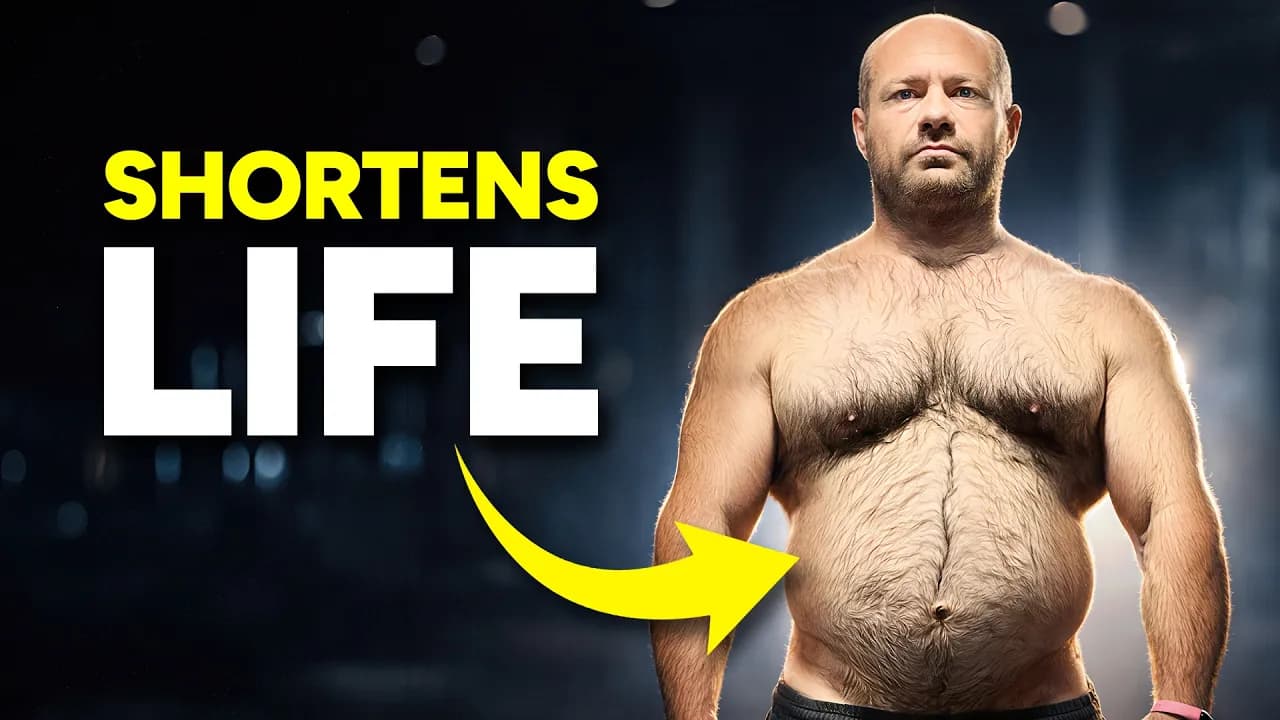
Visceral fat is the single most dangerous type of fat in your body. It wraps around your organs. It drives inflammation and most people have no idea how much of it they're actually carrying. Over the last decade, I've tested, researched, and put patients through just about every fat loss method you can think of. Diets, supplements, fasting protocols, drugs, exercise routines, cold exposure, you name it. Some of them are incredible. Most of them are a complete waste of time. I'm going to save you years of trial and error. I'm going to walk you through what actually works, what doesn't, and the handful of methods that I recommend to every one of my client patients.
Carnivore diet: Eating an animal-based diet. I really like the carnivore diet. It's principally the one form of eating that I have seen that eliminates fat around the heart and visceral fat the fastest. Better than adding in carbohydrates, even the vegan diet. Even better is my living carnivore diet where you eat carnivore plus only vegetables or fruits or dairy that have been fermented. If they haven't been fermented, I don't recommend adding them in because it just will slow down your ability to eliminate visceral fat, fat around the heart.
Keto diet: It's a good diet. I did it for years, but it's not as good as the carnivore diet because it has higher amount of carbohydrates that you're going to be taking in, and it brings in a lot more other plants and vegetables that have some potential risk in the forms of microtoxins, lectins, and oxalates.
Mediterranean diet: It might be an okay diet, but it adds way too many carbohydrates, especially inflammatory food items such as grain and pasta. Push it away. Get rid of the Mediterranean diet.
Intermittent fasting: This is an interesting strategy. It definitely is a step in the right direction. It definitely improves people. The body recovers when you give it a rest. Fasting is a way to do that. But way better than intermittent fasting is extended fasting. Stay with me, follow me, and I'll give you more information about extended fasting and why it's so much more superior than just eating in an intermittent fasting manner.
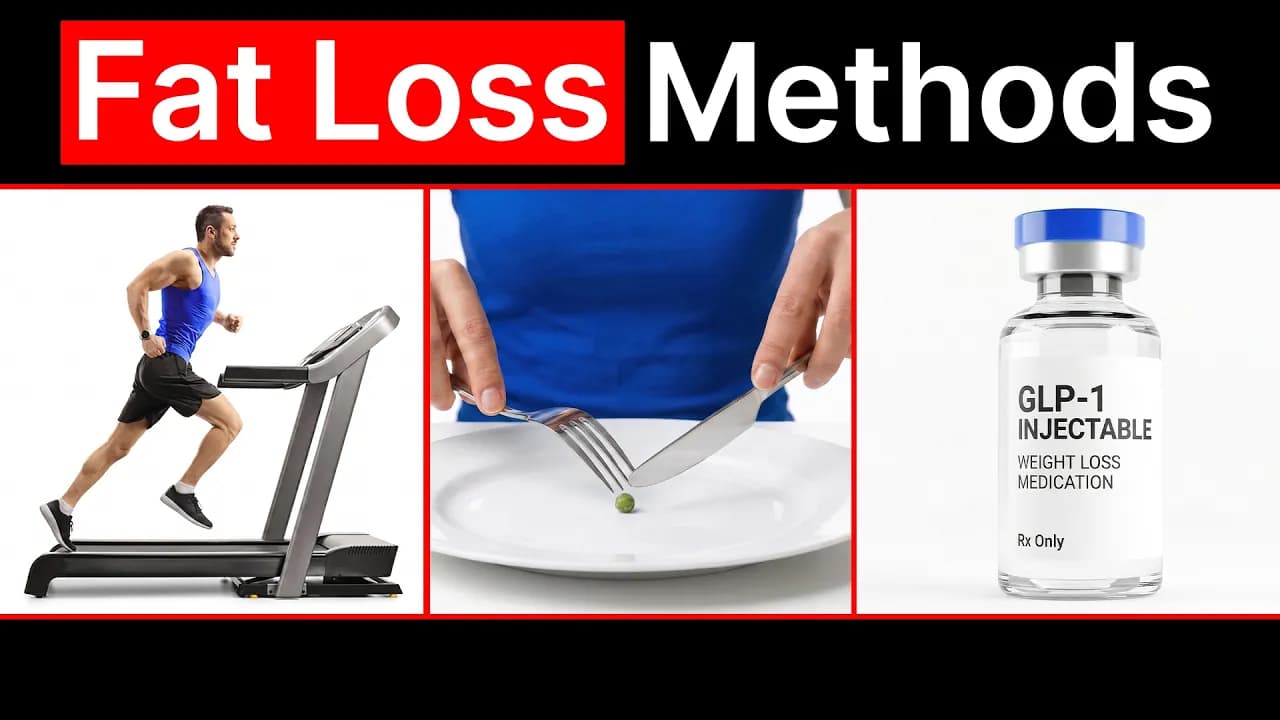
Caloric restriction: This one really almost never works. When it's been studied, even though scientifically there are principles that show caloric restriction can aid in the loss of weight, calories in and calories out fail because of one major thing, the microbiome. Forget it. Caloric restriction doesn't work.
Low carb diet: That's good, but it's sort of a very elementary approach to eating keto or the carnivore diet.
Plant-based diet: There's some merit to this. Look, there is some nutrition in plants and vegetables to be sure. They're not as nutritiously dense as meat, but it does have nutrition. And very often we see people improve with the vegan diet, mostly because they cut out processed foods. And to that extent, I got to give an applause to people that go on a plant-based diet. But I don't recommend a plant-based diet. It brings in a lot of lectins, oxalates, microtoxins, these anti-nutrients, things that we're finding out about plants that aren't so great. And that's why we're finding out so many people that reject eating a plant-based diet are finding themselves being healed of autoimmune disorders and many medical conditions that have long plagued them.
Protein-focused elimination diet: These kind of diets, just focusing on protein can be beneficial. It certainly is a macronutrient that you want to be incorporating into your diet, but it's a narrow-minded approach. And there's much better approach, my living diet.
Steady-state cardio: Not a fan. The only kind of cardio I like is maximally intensive cardio, but not steady state. Why? Because it generates reactive oxygen species, way too many of them. It also generates cortisol. Forget steady-state cardio. You want to do very brief, maximally intensive form of cardio workouts. Challenges you, exhaust you, and you're done.
High-intensity interval training: Basically the same thing. It's just done in a higher kind of an intense state and for too long. Cortisol spikes and stays elevated for too long a period of time, including after you work out. You don't need your cortisol to be elevated when you're walking around in a modern world and you got enough stress already coming your way that's elevating your cortisol to worsen it by adding sustained cortisol from how you're exercising. Make it brief. Make it maximally intense. Get over it and watch your cortisol drop.
Sprinting: Sprinting is probably the most perfect form of exercise. It's my favorite exercise. Heads up, you can get injured sprinting because you are using maximum intensity to run as fast as you possibly can. Most people get injured in the acceleration phase. Warm up to this. When you have visceral fat, you're far more likely to get an injury. Maybe start with sprint cycling or sprint swimming or sprint rowing or some other form of sprinting other than sprinting on the ground.
Resistance training: This is really great. Resistance training, weightlifting, it's fantastic. The thing about it is people do it for too long and it starts to look like a cardio workout. You want to lift weights. You want to do resistance training. You want to make it count. You want to have get it done. Get it over with. About 15, no more than 30 minutes max.
Walking: This is beautiful. You can walk and walk and walk. It's just the perfect kind of state that you need to be in. It's the perfect revolutions per minute. So, walking is great. Get out there and do more walking.
Yoga: Okay, for some postures, okay, for some flexibility, okay, for a little bit, but you can get obsessed with this. Like the runners and distance cyclists, they get obsessed with stuff. Just do yoga a little bit, get some flexibility. I'm not a huge fan of it. I did it for years, but I've never been obsessive about it.
Pilates: Basically same thing. It helps with functionality, improves some strength, but it's also very equipment intense. You don't need all that kind of stuff. Be better off spending much less time sprinting or lifting weights or doing some pull-ups, some push-ups, some squats, some dips to exhaust you. Short period of time, you're done and over with rather than hanging out doing cardio, yoga, or Pilates.
Swimming: The same thing. There are people out there swimming laps in pools for an hour or more. Look, if that's what your thing is and you want to do durational exercise like that, just understand you're creating reactive oxygen species. You're going to be elevating your cortisol and a lot of these competitive athletes doing these kind of long distance swims and things get themselves in trouble with atrial fibrillation and we even see elevated amounts of visceral fat, heart fat and muscle fat as a consequence of they're doing so.
Ab exercises: Maybe not so ridiculous if done for a short period of time, but the majority of people are doing them for an extended period of time and they think they're going to get rid of visceral fat deep in their abdomen because they're engaging their abdominis rectus and their soas muscles. Wrong. You've got to change your life if you're going to get rid of this fat. Doing a little some ab exercises are not going to dent and eliminate this disease inside of your abdomen that you cannot see.
Distance runners and cyclists: You increase your reactive oxygen species, you elevate your cortisol. And we see people getting atrial fibrillation, hypertension, diabetes, feeling fat in their abdomen, filling fat around the heart, and filling fat in their muscles that they don't even know is going on. There's a big difference between your cortisol going up and going right back down, way lower than when you started. And that happens when you get in a sprint versus somebody who runs, the cortisol goes up and it stays up for a long period of time. We're talking contribution to disease. It's that easy. Don't do duration running or cycling. Sprint. That's where it's at.
Sleep: When it comes to sleep, two things you want to be aware of. The quality of your sleep and the quantity of your sleep. Most people are only tracking how long they sleep, but how well you're sleeping is probably more important than how long you're sleeping. I would rather somebody sleep less and sleep well then sleep long and not sleep well. It's super important that the quality of your sleep is high. If we can't get you to optimize your sleep, we can't get you to be optimally healthy. It's that critically important.
Stress: The same thing with the second factor here, stress. I can get you to do all the healthy things perfectly well, but if you got stress in your life unchecked, you're going to have elevated cortisol and you're going to get disease. You have to learn to solve problems. But sometimes you don't get a chance to solve them. Maybe it's a sick loved one. Maybe it's a situation that you don't have those kind of options. Well, if you're in that kind of a situation that you're stuck in, a job you can't leave, a family member that's very sick, then you got to mitigate the stress by doing push-ups. You got to do squats. You got to do sprinting. You got to do brief forms of exercise that mitigates and lowers the effects of stress, namely cortisol. You cannot tolerate stress.
Cold exposure: This is fantastic. Creates cold shock proteins. These chaperon proteins that help your body create protein more perfect form. Cold shock is a great way to help optimize your health and we're just learning about it, but it's a practice that's been a part of a lot of traditional people for a long period of time. Give it a try. I have all my client patients doing it.
Sauna: Kind of the opposite, but in the same spot. It creates a type of protein called a heat shock protein. You can't afford to miss out an opportunity as powerful as cold plunging and doing a heat dry finish sauna to be exposed to heat shock proteins to not avail yourself of this opportunity.
Alcohol: You definitely want to avoid alcohol. There's no safe level. It has intoxicating effect and a dose dependent manner. It damages your metabolism. It damages your liver. Even small amounts of this. If you're drinking alcohol, you should immediately begin cutting back on it.
Circadian rhythms: Circadian rhythms are a critical part of human existence. We genetically are adapted to the phase of sunlight and moonlight. If you've abandoned sunrises and sunsets and set your schedule according to artificial light and artificiality in your home environment, you allow more natural light in your house. Pay attention to sunrises and sunsets. Go out and enjoy them. Not just enjoy them, but actually optimize from being in their presence. They will exquisitely reset your internal clock upon which your entire hormonal system is set and follows.
Meal timing: For the most part, people eat way too much, way too often, way too frequently all the time. You should get control of that. I recommend eating a feasting fasting cycle. Critically important, you need to embrace fasting. I mentioned intermittent fasting before. Doing brief periods of fasting. Extended fasting is even better where you fast for a longer period of time.
So, if you're serious about changing your body, your energy, and your health, I want to invite you into something I've built for you. I've seen this over and over again. People try to do this on their own. They get overwhelmed and they quit before they ever see real results. They don't quite know enough about the living diet or microbes or sprinting. So, they throw the whole thing out. That's why I built my 30-day ultimate start challenge. It's a step-by-step system to help you melt dangerous visceral fat, reset your body, and build real momentum fast. And if you do everything in this challenge step by step, no matter where you are in your health journey, you will begin to see very significant changes to your health and life in just 30 days. Now, I don't want you doing this alone. So, that's where most people fall off. So, when you join, I'm giving you 30 days inside my Alpha Maker community completely free. This is a community where you can ask questions, get real feedback in real time, and even talk to me live in one of our alpha maker sessions. You'll be surrounded by people who are serious about optimizing their health, who have been exactly in your shoes, hold each other accountable, and actually follow through and get real results. Normally, the challenge is $195 and membership to Alpha Maker is $99 a month. Well, right now you get the entire 30-day challenge and your first 30 days inside AlphaMaker for just $127. Just use promotion code START all caps at the checkout to get 70% off. If you're ready to start, stop spinning your wheels and take control. Join us. Click the link in the description or scan the QR code.
Fat burners:
- CLA (conjugated linoleic acid): This is a popular one, but its process gives you modest results with potentially even detrimental results. Why? Because it's processed.
- Acetyl-L-carnitine: Basically same thing. It's a beneficial supplement, but probably doesn't give you the results that you should be getting from a pure natural source. Best source, grass-fed, grass-finish ruminants. That's the way you want to be getting your L-carnitine.
- Green tea extract: Well, it does have some benefit. We do see some studies, but let me speak to the potential downside. It's still processed. It's taking what is perfect in nature and processes it into an extracted form. It's better for you to drink green tea without the extract, using it in just a more natural form.
- Berberine: Berberine is better thought of as a medicine. It does have benefits. It has some anti-inflammatory benefits, but you don't want to be on a medicine for the rest of your life. Using it for a transitory short period of time has some benefit, but I do not recommend daily supplementation with berberine.
Omega-3s: These are great. You want to have more omega-3s. So, where do you get them? Natural sources of good, healthy meat and seafood. Always wild caught. That's the best rather than processed. You don't want farmed fish, farm seafood.
Fiber supplements: The same thing. I don't recommend taking it in a processed form. If you want to take, then take it in a more natural form, such as in fermented vegetables, fermented fruit.
Probiotics: Probiotics are very interesting. They actually work and live within the proximal gut in your small intestine. But the better way to get these species of microbes in is actually living better and eating fermented foods like fermented kimchi, fermented vegetables, fermented fruit. You can get much better sources of these microbes than you can get in a probiotic form. But I do take some probiotics and I do get my clients started on them. They're wonderful way to transition as you're optimizing your microbiome.
Apple cider vinegar: This is very interesting. It has connection to optimizing your sugars and it contributes to better digestive process. It has beneficial microbes and beneficial metabolites present within it. But a note of caution about apple cider vinegar. You need to think of it as just a healthy measure that you add into your diet with all the other things I've been talking about above.
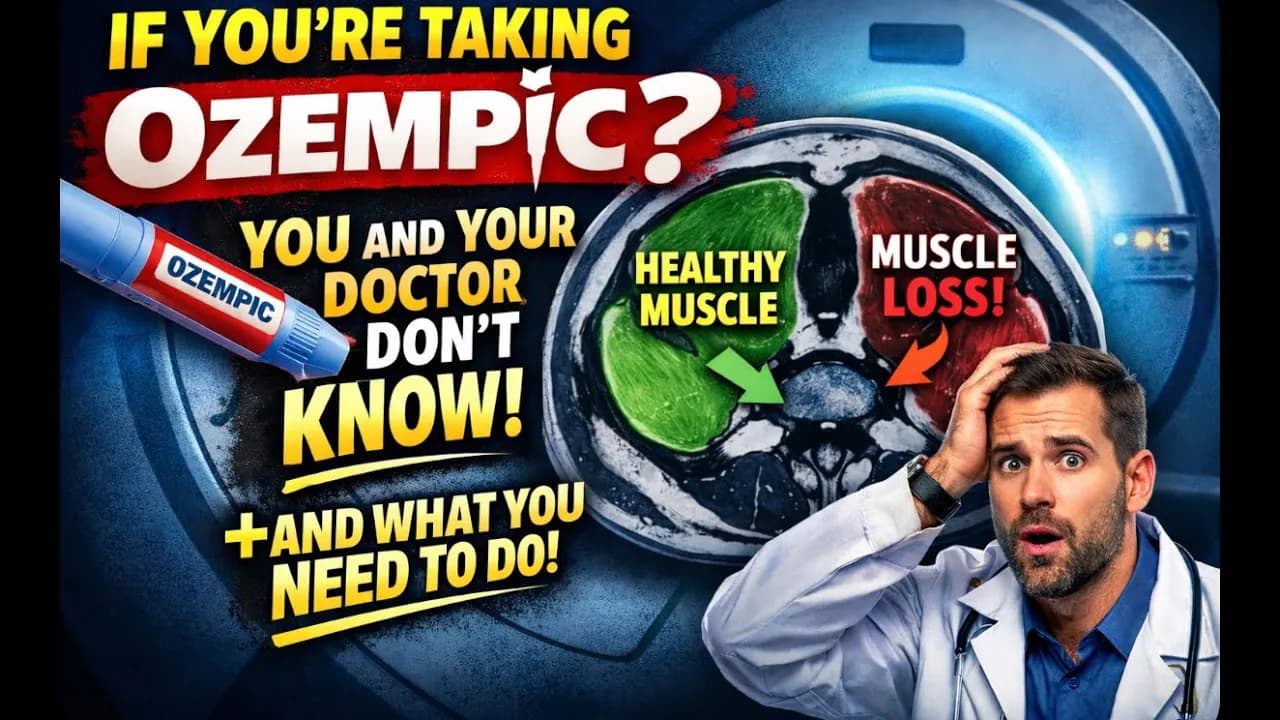
GLP-1s like Ozempic and tirzepatide: These medications that you're hearing about that are exploding everywhere and understand that they do have some effect on visceral fat. They however comes the concern about the loss of muscle. But there's a lot of side effects that coming in. Nausea, vomiting, they're not natural. Your body makes natural GLP. If you knew what to do and you lived in a natural manner, you would actually stimulate your own body's perfect GLP.
Peptides: Peptides are used a lot for injury recovery and also for fat loss. The problems with these peptides are they too are synthetic. The peptides when they're made by the body to do awesome things, they come in with a built-in regulatory system to control them to make sure they work perfectly well without side effects. But when you bring it into that body, there's no control system. We don't know what is going to happen down the road and what sort of side effects you might be getting. Don't buy the cheap fake stuff. Insist your body makes the great stuff.
Other hormone optimization like testosterone, thyroid, and growth hormone: These hormones, all of which have natural origins, your body makes these things, they make them again perfectly. The problem is when they are made outside the body and introduced, they too don't have the same mechanisms of control and regulation and don't have the same built-in benefits than if you take a gel or a needle and you take what's called a cheat code. You think you're just getting a shortcut. You're ripping yourself out off for many other benefits. So stick with natural hormone your body makes.
Talk therapy, weight loss management groups: You go to groups and talk about it does have some benefit and it does help people. But a big problem with talk therapy is they're missing a key feature that's never being addressed. The problem with obesity in America and obesity all over the globe is it's an untreated infection. It's a disbiotic microbiome. When you have carbohydrate dependent microbes inside of you, they're not telling you to crave steak. They're telling you to crave potato chips, soda, ice cream, muffins, candy, popcorn, all these things that feed them that those carbohydrate depending microbes need. And you can go all the talk therapy groups you want. You can do all the hormones you want and you're not addressing the underlying infection that you have obesogenic pathogenic microbes inhabiting your gastrointestinal tract and you'll never get rid of them when you're putting these band-aids on.
We're at the end. I told you I'd give you my stack. My stack is real easy, but it's so high yield. It's the ABCDE E FG model starting with A.
- A: Abolish processed foods and processed carbohydrates. That's what you got to eliminate. Processed foods are so incredibly destructive to your health. And especially processed carbohydrates, even carbohydrates not in processed forms, you should be eliminating, cutting back because too often they're flex fuel for pathogenic microbes that lead to obesity and disease. So eliminating carbohydrates is the strategy. Abolish them, cut them out, especially all processed foods.
- B: Biome, your bacteria, your microbiome inside your gast and intestinal tract. Your most important feature inside your body is your microbiome. And the more you understand it, the more you can begin to leverage it. We're learning so much more about it all the time. But don't be like a lot of people because we don't have it all figured out that you're not going to do anything about it. You can begin to live a healthier lifestyle. Here's the interesting thing. When you do more healthier strategies, it improves your microbiome. It's really a fascinating relationship.
- C: Commitment. Get committed to A and B. Abolishing processed foods and carbohydrates and committed to optimizing your microbiome. This is what I mean. Don't have a cheat day. When you have a cheat day, that just builds in destruction. That takes you back. One step forward, two steps back. No cheating. The enemy tastes sweet. You can't afford to compromise. This is an important commitment. So stay committed to optimizing your health.
- D: Disease, dementia, disability, demise, and finally diapers. This is where you go to if you compromise and you don't end the incessant growth and the incessant propagation of visceral fat, fat around your heart and fat in your muscles, it leads to chronic disease. It leads to dementia. It leads to disability in your life and it leads to an early demise and early death. And if you don't die from something, then eventually you're going to need diapers. You need to get rid of your visceral fat.
- E: Eating. How are you supposed to eat? You eat my living diet, which is a meat-based diet. All wild seafood, grass-fed, grass-finish ruminants, game meat, and then fermented foods and fermented vegetables and fermented dairy. So, the living diet.
- F: Fight or flight. No more running, no more durational exercise. Keep it short and brief. We are designed to fight or flight. That's what we are best at. I exercise on average only 15 minutes about every three days. Sometimes I might do five minutes a day, but it's basically about every 3 days, 15 minutes on average. I don't exercise very long or very much. But when I exercise, get out of the way. It's life and death and I get a tremendous return on it.
- G: Get yourself some cold. Go into a cold plunge or take cold showers. Get hot in a dry finish sauna about 15 to 20 minutes every single day in a sauna and then fasting. Get yourself hungry. So deprive yourself purposely for food for an extended period of time. Work your way up to 3 days a week.
- Getting some sunshine. Sunshine is actually a hormetic. Getting yourself some sunshine is a way to optimize your body. Being exposed to sunshine is very beneficial. You want to learn about hormetic practices and have them in your life. A little bit of something that damages you actually will heal you.
Age, how am I doing? You need feedback. What does your doctor tell you? Lipid panels. I'm going to tell you the biometrics that work the best to optimize homo sapiens. And that is following fat that's diseased around the heart. Following visceral fat that is disease filling the abdomen and following fat that's filling muscles. So getting an MRI to track those metrics will allow you to see that fat around your heart going away, the fat filling your abdomen going away, and the fat filling your muscles being eliminated. So it's incredibly important for you to have these metrics and to see how much they're improving you.
Now you know what works. But if you want to see exactly how I rank every single one of these methods against each other from S tier to absolute garbage, click this video here. I go through the full tier list, explain why each method landed where it did, and give you the complete ranking so you know exactly where to focus your time. I'll see you there.
Keep Sean OMara, MD JD, Health & Performance Optimizing in your library
Save the videos and channels worth coming back to, and find them again in one place.