Attack on the Judiciary | 60 Minutes Archive
These notes were generated by AI and may contain inaccuracies.
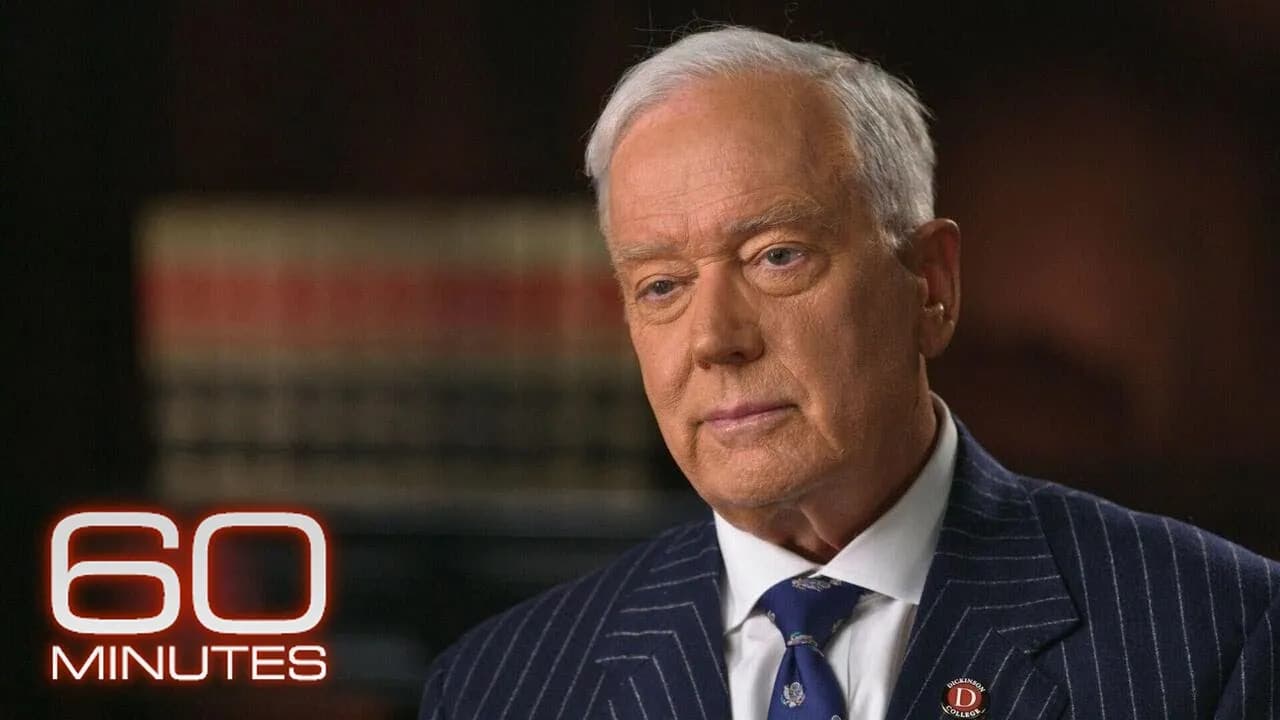
Half the time someone is unhappy with a judge's ruling, the normal recourse is an appeal. In today's politics, disgruntled parties threaten judges. Threats against federal judges jumped 400% in the last 5 years to more than 4,000 last year, many death threats, sometimes ending in violence. Judges are publicly calling on lawmakers for more protection.
Federal Judge Esther Salas was at home in New Jersey in the basement with her son Daniel cleaning up after his 20th birthday party. A man disguised as a FedEx driver pulled up outside. Daniel said, "Let's keep talking. I love talking to you, Mom." The doorbell rang. Daniel ran upstairs. There was a boom like a mini bomb, then boom boom boom. Upstairs, Daniel lay bleeding by the door. Husband Mark was on his knees, holding his side. Daniel was barely clinging to life. Judge Salas picked up his shirt and saw the bullet hole. They screamed, "Daniel, hold on. Don't leave us." Daniel died on the way to the hospital. Mark was shot three times: right chest, left abdomen, arm.
Close-knit family called themselves the Three Musketeers. Daniel, a college sophomore, was the center of their universe. From wounds, FBI said Daniel tried to block the gunman. Judge Salas realized in FBI debriefings she was the target: "Tell me, ma'am, you were the target. He wanted to get you."
The shooter was Roy Den Hollander, 72-year-old lawyer who hated women and left a manifesto accusing Judge Salas of being "a lazy Latina, dragging her feet on his lawsuit." Police found his body the next day; he shot himself. FBI discovered he killed another lawyer a week before, then hunted Judge Salas. He knew her home, routes to work, church, Daniel's school, baseball games—all from open legal sources.
Met Judge Salas outside her home 6 months after murder. Husband needs additional surgery. House sold: 20 years of wonderful memories and one excruciating. "We are living every parent's worst nightmare. Making preparations to bury our only child, Daniel."
Last August, Judge Salas made a personal plea to lawmakers on YouTube: "We may not be able to stop something like this from happening again, but we can make it hard for those who target us to track us down." Became crusader for federal legislation to scrub judges' personal information from the internet.
FBI found second locker in New Jersey belonging to killer: another gun (Glock), more ammunition, Manila folder with workup on Justice Sonia Sotomayor—her favorite restaurants, workout spot, friends. First time plot revealed. "Who knows what could have happened, but we need to understand that judges are at risk... This fact has to wake us up."
As first Hispanic woman district court judge, sworn in 2011, never dreamed of endangering family. Last upgrade 15 years ago after Chicago Judge Joan Lefkow found husband and mother shot dead by disgruntled plaintiff.
New Senate legislation seeks over $250 million for home security and 1,000 more deputy marshals. Would erase online personal data: home address, driver's license, property tax records.
"You chose to be a judge... don't you have to give up some personal details for accountability?" Judge Salas: "I did choose to become a public servant. If anyone has a problem with what I've ruled, they can appeal... Come to the courthouse. But why do you need to come to my house?"
US Marshals provide round-the-clock security for Judge Salas. Judges increasingly threatened online. Last year, 4,200 threats against federal judges. Examples: "We must start killing these corrupt politicians and judges and their families." "The judge is a traitor and has a death sentence." Since Daniel's murder: "I will kill you." "I just want to get the gun and come down there and blow all their brains out."
Senior US District Judge James Robart blocked Trump's first travel ban on some Muslim travelers. Critics posted his home phone and address online. Trump tweeted calling him a "so-called judge." "When you call someone a so-called judge, you attack the judiciary... that's the message which your 40 million Twitter followers took down."
Trump tweeted again, blaming Robart if terrorist attack occurs. Messages turned to "you must be stopped." Robart: "I thought he had a right to attack my decision. Criticizing a judge is not acceptable... no dispute [when threats say] I'm going to kill you or hurt your family. That's over the line."
Bombarded with 40,000 messages; 1,100 serious enough to investigate. US Marshals set up camp at his house. Needed bomb-sniffing dog before restaurant lunch.
Thousands of threats from Russia, part of Putin's plan to splinter democracy. Suzanne Spalding (cyber security expert for both parties): Russia fans suspicions judges are partisan. Attacked Robart's decision as personal politics, leading to threats and violence like Judge Salas case. January 6th showed threat.
Alabama man answered online call with truckload of weapons and hit list; second from top: Indiana judge.
"You do have a First Amendment right to express your opinion... but threats of violence, incitement to violence... law enforcement can look into, particularly against public servants."
Judge Salas lives with threats. When courthouse reopens post-pandemic, Daniel would want her to continue. "Will you be concerned reentering courtroom?" "No, we're changed forever... but as far as what I do on the bench, no... I'm not going to let Mr. Hollander take that away from me. My integrity, my work ethic, and my pride."
Keep 60 Minutes in your library
Save the videos and channels worth coming back to, and find them again in one place.