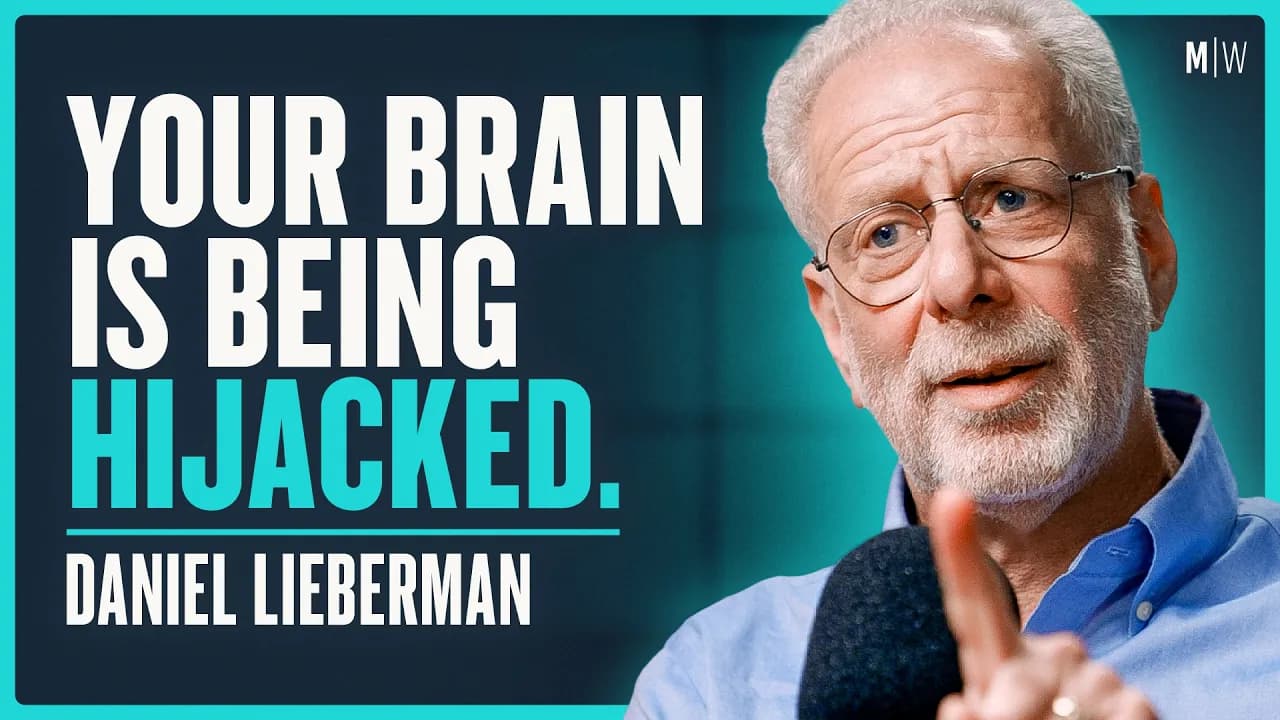
Harvard Professor Says Carnivore AGES You!
In a Nutshell
Harvard Professor David Sinclair claims meat consumption accelerates aging via mTOR activation and that plant-based diets promote longevity, but these conclusions rely on unreliable food frequency questionnaires and confounded observational data. Carnivore diets actually support longevity by enabling infrequent eating, delivering complete satiety, and preventing the grazing-insulin resistance cycle common with plant foods. Claims conflating fried chicken in seed oils with steak, plus mouse studies using unnatural diets, fail to demonstrate harm from properly sourced ruminant meat.
These notes were generated by AI and may contain inaccuracies.
Harvard Professor David Sinclair appeared on the Lex Friedman podcast and suggested that meat consumption accelerates aging. He stopped eating meat and provided reasons why he believes it reduces longevity. The video creator aims to examine and challenge these claims.
Cary, the video creator, has been filming a documentary globally. He lost 100 pounds from his heaviest weight. He overcame depression, arthritis, anxiety, IBS, and reversed congestive heart failure. He discontinued all medication by adopting a meat-based carnivore diet. He has interviewed doctors, experts, and individuals worldwide.
David Sinclair stated that while many people focus on what they eat, data from animal studies shows timing matters more than food composition. He referenced a study by Rafael de Cabo at the National Institutes of Health involving 10,000 mice on various diets testing different carb, protein, and fat combinations. The only mice that lived longer were those fed once daily.
People following carnivore or animal-based diets typically eat less frequently than those on standard American or plant-based diets. Carnivore adherents often eat once or twice daily because animal products provide complete satiety. The body receives vitamins, minerals, and nutrients in proper proportions from meat, creating satisfaction that plant foods do not deliver.
Leafy green salads leave people hungry because they lack essential fats needed by the brain and hormones. This deprivation extends beyond satiety to hormonal imbalance. Men experience testosterone decline, development of man boobs, depression, anxiety, and sleep problems when following plant-heavy diets.
Plant-based recommendations lead people to graze throughout the day, eating small amounts then becoming hungry again within 45 minutes. This pattern creates a cycle where individuals seek fullness through carbohydrates and starches that convert to glucose, raising insulin levels and contributing to insulin resistance and inflammation.
Sinclair mentioned he occasionally eats dessert and stated that life must be enjoyable. The video creator identifies a paradox: people claim life is too short to forgo pizza, ice cream, and cake, yet these foods shorten lifespan. Most people die decades prematurely due to inflammation, aches, pains, ailments, and brain fog caused by poor diet choices.
Sinclair described his microbiome and stomach as being at a point where overeating steak or chicken fried chicken caused him to feel terrible for two days. He could not sleep and food would not go down. The video creator notes that Lex Friedman initially stated he was thriving on a mostly carnivore diet and feeling better mentally and physically.
Chicken is a monogastric animal fed grain containing glyphosate and chemicals that accumulate in the meat. Many people do not tolerate monogastric chicken well. Beef from ruminant animals differs significantly. Sinclair conflated steak with fried chicken and fried foods, which are prepared in highly inflammatory seed oils.
Sinclair stated that data shows plant-based foods are better than meat-based foods for longevity. He referenced that people who live long tend to eat those diets. The video creator challenges this, noting that food frequency questionnaire studies form the basis of such claims. These studies lack implanted devices tracking actual human consumption and longevity outcomes.
Women live longer than men, and plant-based diets attract more women, skewing data. Plant-based eaters are less likely to smoke or drink alcohol and more likely to exercise, get sunshine, maintain vitamin D levels, spend time in nature, and experience lower stress. These lifestyle factors are ignored when attributing longevity solely to diet.
Food frequency questionnaires ask people to recall what they ate six months to two years prior. These studies are considered inadmissible in court due to their unreliability. McDonald's combo meals containing minimal beef patties surrounded by high fructose corn syrup, buns with numerous ingredients, french fries in seed oils, ice cream, and gallons of Coke get categorized as meat consumption, with the beef patty blamed for negative outcomes.
Sinclair referenced the Okinawa diet and blue zones in other videos. These studies involved fraud where people claimed government benefits for deceased relatives. The data cannot isolate what people actually ate.
Sinclair discussed mTOR responding to amino acids more abundant in meat, claiming this shortens lifespan. Starving mTOR of these amino acids extends lifespan in animal studies. He mentioned rapamycin as a drug that could potentially counteract meat's effects. The video creator notes this suggests needing another drug rather than addressing meat itself.
mTOR research comes from mice studies. Mice are fed grains and carbohydrates that humans on proper diets would never consume. The video creator is a human, not a mouse, eating an ancestrally appropriate animal-based diet.
Longevity depends on multiple factors. Nutrition plays a major role, but returning to a natural human state is essential. Avoiding animal-based diets leads to hunger, lack of satiety, increased eating, inflammation, and insulin resistance with downstream health effects.
Animal-based diets provide the best satiety because the body receives fat, nutrients, and minerals in proper proportions from meat. Plant foods like lettuce do not deliver these components, leaving people hungry repeatedly.
Keep HomeSteadHow in your library
Save the videos and channels worth coming back to, and find them again in one place.