How 115 million Americans Got Chronic Disease Overnight (Without Getting Any Sicker)
In a Nutshell
Chronic disease numbers in the US surged after expert panels repeatedly lowered diagnostic thresholds for hypertension, cholesterol, and diabetes, reclassifying tens of millions of people overnight without any change in their actual health. These guideline committees often had financial ties to drug makers, and the new diagnoses triggered widespread medication use and polypharmacy rather than proven improvements in outcomes. The underlying driver for all three conditions is insulin resistance from high-carbohydrate diets, which lifestyle interventions like low-carb eating, exercise, and targeted supplements can address more effectively than threshold-lowering alone.
These notes were generated by AI and may contain inaccuracies.
The single biggest driver of the chronic disease epidemic in the US happened in a meeting room. The advice is to ask two questions when investigating a health problem: when did it start and what happened just before it started.
Chronic disease graphs show trends that go up slightly and then suddenly spike significantly. The focus is on three diseases: diabetes, cholesterol, and hypertension.
In 2017, around 31 million people were newly diagnosed with hypertension. Their actual blood pressure readings had not changed. The definition of what counts as high blood pressure was lowered.
Normal blood pressure was previously considered 140 over 90. In November 2017, a panel of cardiologists voted to drop the threshold to 130 over 80. This created a new category of stage one hypertension. The same people with the same readings were now classified differently.
The UK, Europe, Canada, Japan, and Australia reviewed the same scientific evidence and chose to keep the threshold at 140 over 90.
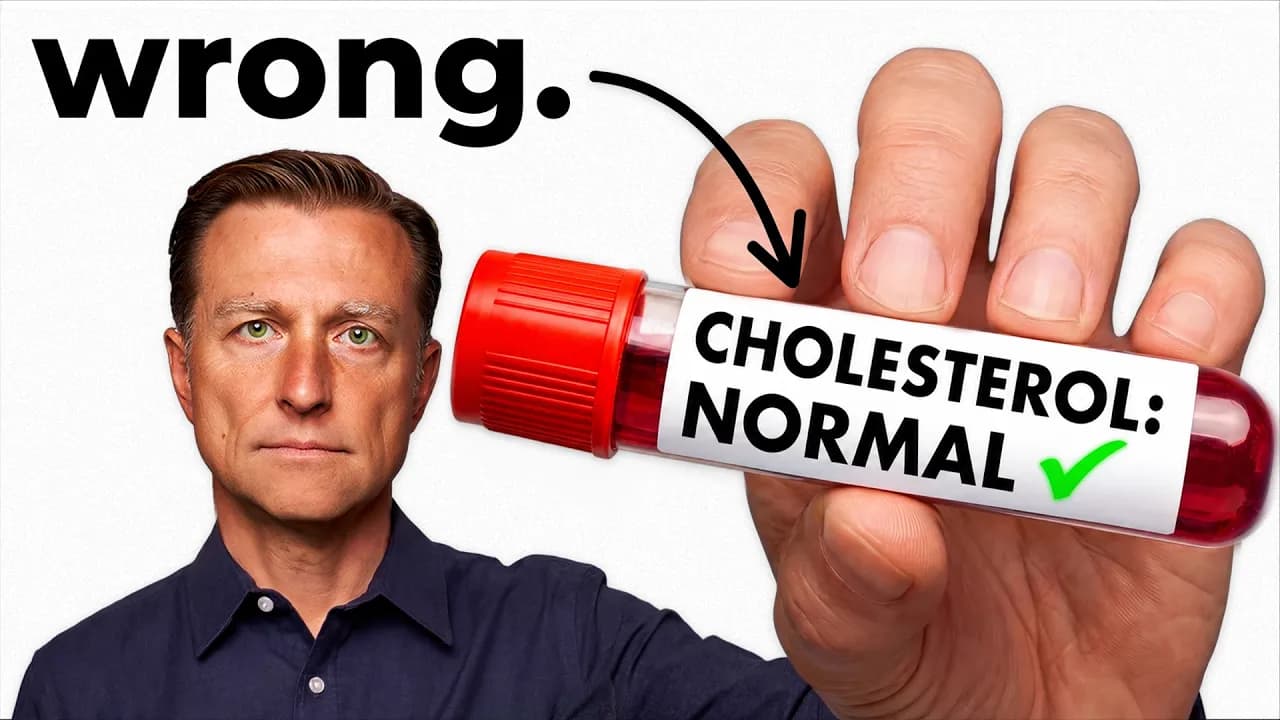
In 1988, normal LDL was defined as 190. In 2001, the committee lowered the threshold to 130. Statin prescriptions doubled in the following three years. In 2013 the threshold was lowered again.
Overnight, 12.9 million people were newly diagnosed with high cholesterol. Currently, 86 million people are diagnosed with high cholesterol, and most are placed on medication.
Around 2010, a massive spike appeared in diabetes statistics. A new category called prediabetes was created. In a single change, 72 million people became classified as prediabetic.
When combined, roughly 115 million adults now fall into the diabetes or prediabetes category.
A good percentage of the people who formed the committees that changed these definitions had financial ties to the industries that produce the drugs used to treat these conditions.
The information comes from the book Overdiagnosed by Dr. Welch, MD. The British Medical Journal (BMJ) ran a peer-review campaign called "Too Much Medicine" for years to raise awareness about overdiagnosis.
Similar redefinitions have occurred with osteoporosis and BMI. The body mass index changes are noted as particularly problematic because muscular individuals can be misclassified.
If the environment is off, everything else struggles. This is compared to a fish tank where polluting the water makes the fish sick regardless of food quality or symptom treatment.
The body runs on signals including insulin, cortisol, inflammation, sleep quality, and gut function. One signal is typically more broken than the rest, and until that one is fixed, other issues remain stuck.
Changing diagnostic numbers to diagnose more people and place them on medication does not extend life or improve health outcomes. Instead, it initiates polypharmacy, where one medication causes a side effect that requires another medication, which then causes additional side effects.
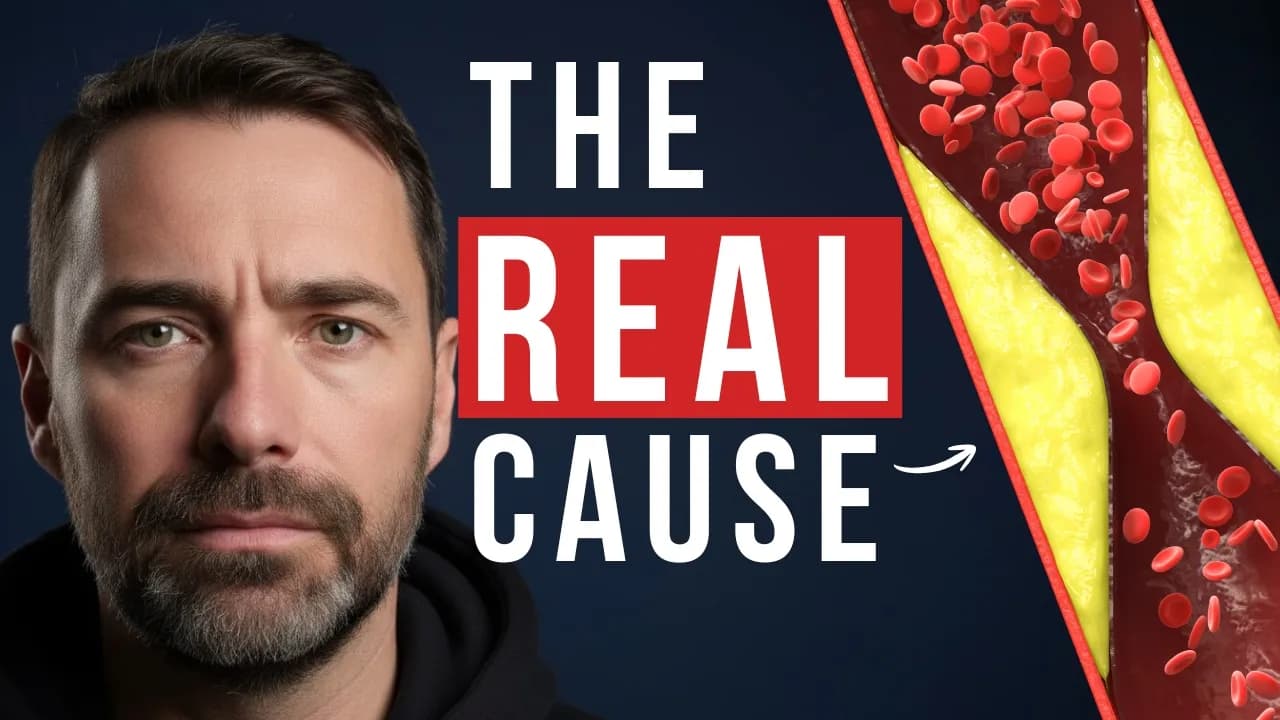
Chronic elevation of insulin causes stiff arteries, increases cholesterol, and leads to insulin resistance, prediabetes, and diabetes.
The root cause of chronic insulin elevation is a high-carbohydrate diet, especially refined sugars and refined starches.
Research shows full reversal of type 2 diabetes after 12 months in 46 out of 100 people using lifestyle approaches. These alternatives should be presented to patients in the doctor's office before medication is prescribed, in accordance with informed consent requirements.
Options that can help lower LDL include:
- Red yeast rice
- Niacin (significantly lowers LDL and raises HDL)
- Plant sterols
- Exercise
- Low-carbohydrate diet
Randomized controlled trials are typically designed to test one variable against a placebo. They are not well suited for studying lifestyle factors, especially when multiple interventions are combined simultaneously.
Common sense suggests stacking multiple lifestyle factors together: changing diet, adding exercise, improving sleep, and reducing stress.
Evidence-supported options for lowering blood pressure include:
- Garlic
- Hibiscus tea
- The DASH diet combined with sodium reduction
- Exercise
- Lowering sodium while increasing potassium
- Adding magnesium
There is no research on combining multiple lifestyle interventions because randomized controlled trials cannot easily isolate which factor causes which effect when everything is changed at once.
Until such research exists, these approaches are often not considered valid by conventional standards.
Much of the chronic disease epidemic has been manufactured through diagnostic threshold changes. Not all chronic disease is manufactured, but the dramatic spikes in the data are the result of these redefinitions.
All three conditions discussed (diabetes, cholesterol, and hypertension) connect to insulin resistance, making understanding and correcting insulin resistance a central priority.
Keep Dr. Eric Berg DC in your library
Save the videos and channels worth coming back to, and find them again in one place.