How recycling could help power America's rare earth future
In a Nutshell
Recycling rare earth elements from existing mine waste, old electronics, and industrial scraps offers a faster, cleaner path to US supply chain security than opening new mines, bypassing China's monopoly on these critical minerals essential for magnets in phones, EVs, wind turbines, and jets. Experts like Julie Clinger highlight untapped stockpiles at US sites like Mountain Pass, while MP Materials—America's only scaling rare earth producer—partners with Apple to recycle end-of-life magnets into new ones via advanced facilities and Apple's Daisy robot. This circular economy approach, supported by government and industry, processes raw and recycled feedstocks identically, dramatically cutting environmental harm and dependence on foreign mining.
These notes were generated by AI and may contain inaccuracies.
To achieve supply chain security, avoid opening dozens of new rare earth mines. Achieve rare earth and other critical mineral supply chain security by cleaning up existing waste.
Rare earths are a group of 17 metallic elements essential for modern technologies: smartphones, laptops, wind turbines, fighter jets. They make super strong magnets, amplify fiber optics and lasers, speed up chemical reactions.
Rare earth elements aren't scarce, but rich concentrations that are easy to mine and process are hard to find. China has a near monopoly on the industry.
Instead of mining, reuse what's already been extracted.
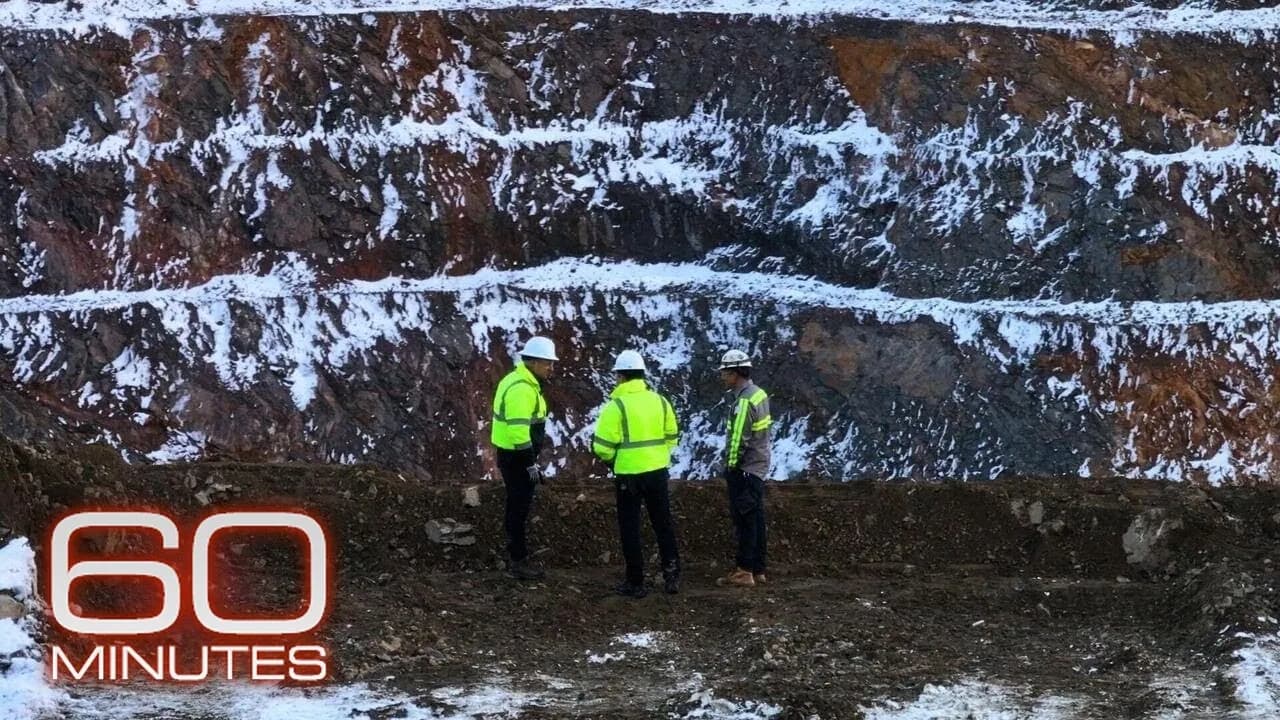
The good news with rare earth elements and rare earth supply security is that currently less than 1% of the rare earths that we consume are recycled. For decades, rare earth mines around the world, including in the United States, have been accumulating rare earth elements just in a big pile that's right there on site. And those could be accessed much more readily, much more easily than digging a new hole in the ground or opening a new mine.
Julie Clinger, professor of environmental studies at the University of Wisconsin Madison and rare earth expert, has visited mines worldwide and written extensively on the subject.
Recycle what's already here. Clean up existing waste sites that have been longstanding environmental problems. Build supply chain security for rare earths and other critical minerals important to every technology, without China dependence.
Precisely.
And we're not doing this. Why?
I mean, that's been my question for years.
There's not a day that goes by in your life where you don't in one way, shape, or form interact with rare earth magnetics. In fact, they're in your pocket right now.
Matt Sloe (corrected from Slloer), in charge of corporate and government affairs at MP Materials, operates the only rare earth mine in the US producing at scale: Mountain Pass, California mine and refinery.
MP Materials produces 12% of global feedstock, so everyone likely carries a piece of Mountain Pass in their pocket.
Interact with magnets daily: phone vibrates, car seat moves, electric car acceleration, elevator, handheld power tool, computer hard drives that spin.
That's this right here. That's that.
To make magnets, do we need more mines? Recover rare earths already extracted from old electronics, industrial wastes, leftovers of past mining.
Recycling rare earths is difficult: devices contain small amounts requiring huge volumes to process, extraction is complicated.
Julie Clinger: Environmental impact of rare earth mining and processing in China is severe, especially over 30-40 years. China lacked US environmental standards at the time.
Recycling challenge: pull rare earths from hard drive, arguably less tricky.
Recycling is really important, but to get economics where this can remotely work, you need to have a lot of scale and you need to have a refinery.
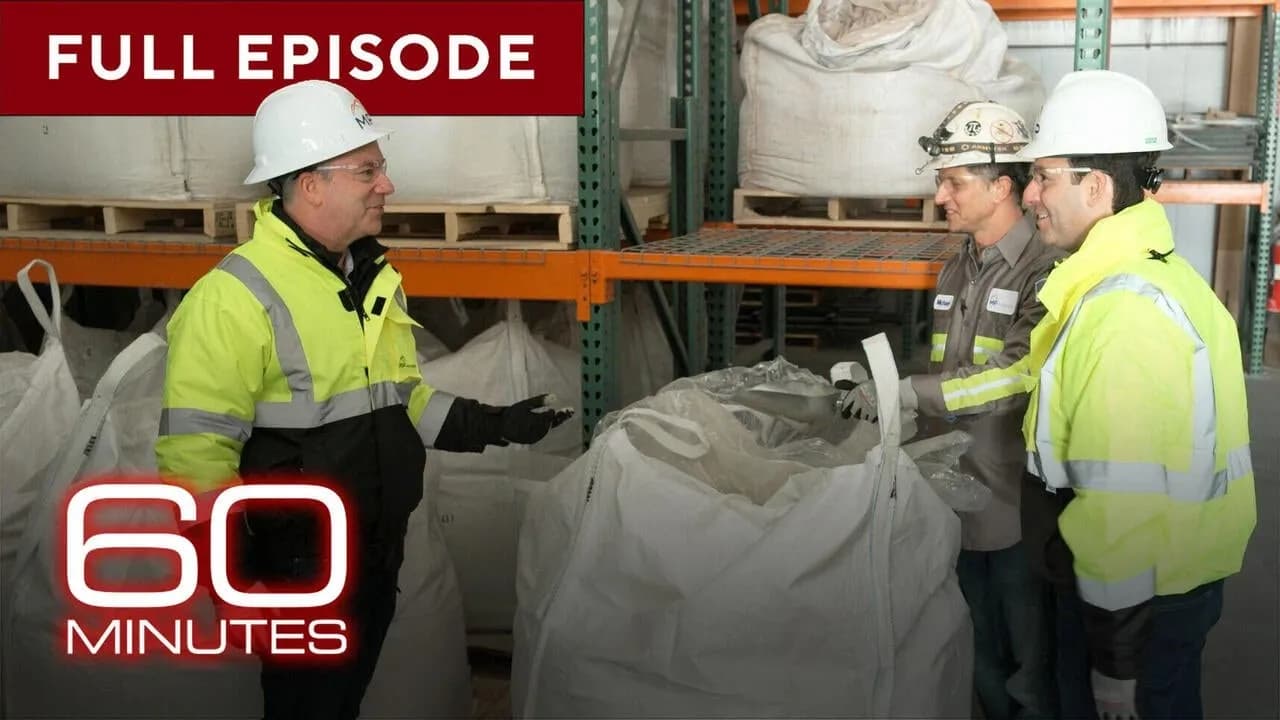
James Litinsky (corrected from Lutinsky), CEO of MP Materials, mining, refining, and building one of the only US rare earth recycling sites.
As part of half billion dollar commitment to buy American-made rare earth magnets, Apple partners with MP Materials to establish state-of-the-art recycling line at Mountain Pass.
Apple is the foundational customer of our recycling business. So we are going to work together with Apple to source rare earth magnet or rare earth magnet feed stock around the world that we will then send to mountain pass our mine in California where we will recycle those end of life and other magnet materials to make separated oxides which we'll send our factory here in Texas to make into magnets for Apple that you know you'll have in your iPhone and frankly we wouldn't have been able to launch that recycling business uh as quickly as we did uh without them.
Apple's robot Daisy dismantles iPhones, recovering rare earths missed by conventional electronic recycling.
Full circle: recycled material becomes magnets for new devices.
My sincere hope for this is that this becomes the beginning of a significant paradigm shift because let's think about the challenges of rare earth processing. When you get to the processing stage, the machinery doesn't care if the stuff came out of a hole in the ground, if it's a bunch of rocks that have been pulverized, or if it's a bunch of tech that's been put into a giant blender. All the machinery cares about is that it's roughly uniform size and granularity so it can do its separation processes.
Apple with the only rare earth producer in the Western Hemisphere (MP Materials) and government support makes this happen.
This closes the loop in the rare earth supply chain, builds a circular economy with raw and recycled material processed at the same site.
Recycle, baby. Recycle. [laughter]
Amen.
Keep 60 Minutes in your library
Save the videos and channels worth coming back to, and find them again in one place.