How to Use Aspirin to Heal Arteries: What your Doctor Won't Explain
In a Nutshell
Aspirin doesn't unclog arteries or remove plaque but prevents heart attacks and strokes by inhibiting platelet clotting on unstable, inflamed plaque—use low-dose (81 mg daily) for secondary prevention (detected plaque via calcium score, CIMT, or CTA, or high Lp(a) >300 mg/dL) but not routine primary prevention due to bleeding risks like GI/brain bleeds. Chew 325 mg immediately for suspected heart attack; stop 7 days before surgery, avoid in kids/AFib (use NOACs instead), and combine cautiously with low-dose nattokinase (4,000 FU). Ketosis/lifestyle changes outperform aspirin long-term as primary strategy, with aspirin as backup.
These notes were generated by AI and may contain inaccuracies.
People search for one pill, food, supplement, or medication to clear plaque and prevent heart attacks. A previous video on using aspirin to unclog arteries has over 7 million views, introducing aspirin into discussions dominated by diets, supplements, natural remedies, and prescriptions.
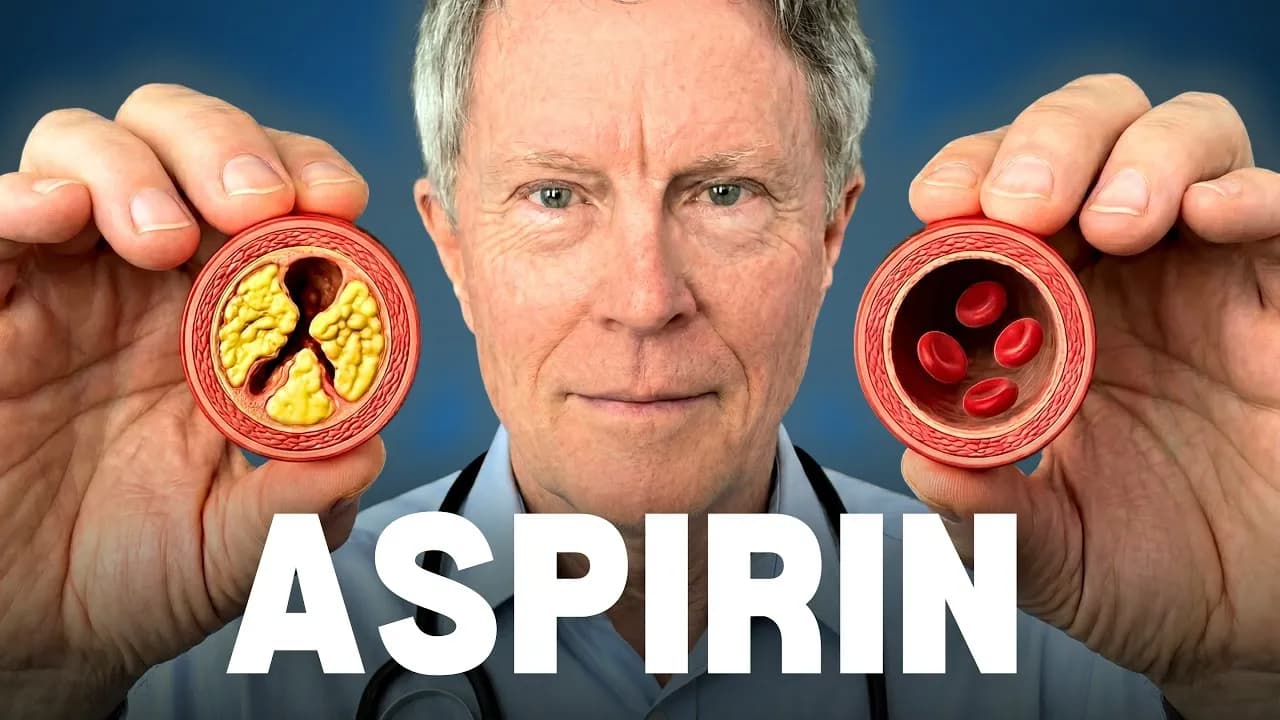
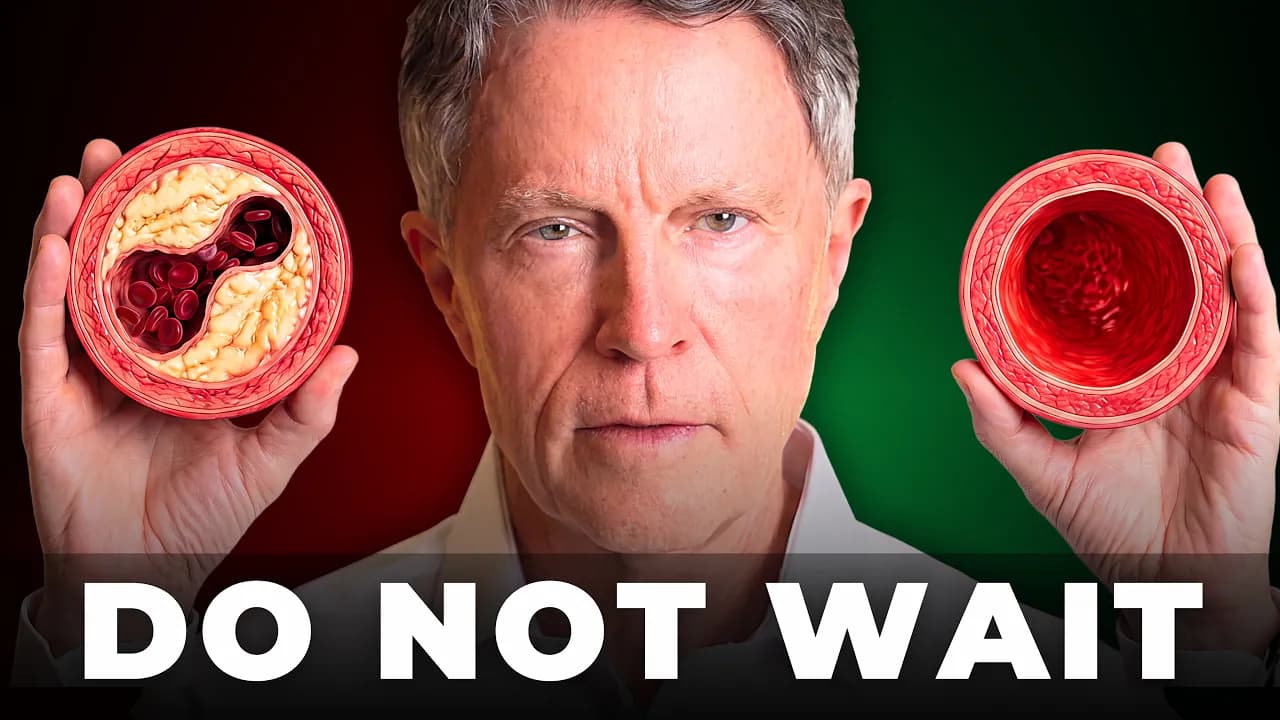
Aspirin does not scrape plaque out of artery walls like a roto-rooter. It reduces the clotting reaction that turns unstable plaque into a heart attack or stroke. Aspirin treats the trigger, not the plaque directly.
Questions include: If aspirin doesn't remove plaque, how to use it to unclog arteries? Who should take it? Who should not? How to use it safely without increasing bleeding risk?
Dr. Ford Brewer and Dr. Jesus Vega discuss. People hear one sentence about aspirin and think they understand, but it's more complicated.
Everybody hates clickbait, but they will not click on anything else.
Comments on the old video: confirmation for some, specific questions for others.
Heart attacks and strokes happen from inflamed plaque leaking inflammatory material into the bloodstream, forming a clot via platelets (tiny blood components that start clots). If the clot goes to the heart, it's a heart attack; to the brain, a stroke.
Aspirin reduces platelet activation and clotting from unstable, inflamed plaque (gunky with liquid, immune cells, inflammation like snot). It does not clean arteries but reduces clot formation from unhealthy arteries.
There's also micro-trauma and inflammation in the artery wall's inner layer, creating small injuries and micro-clots before plaque bursts; aspirin minimizes these.
In early 2020s (around 2022), USPSTF shifted from recommending low-dose aspirin for primary prevention at age 60-65. Previously based on age alone; now, recommend based on existing vascular disease, not age.
For primary prevention (no prior event): no longer recommended routinely.
For secondary prevention (existing cardiovascular/vascular disease): still consider it.
Media misinterpreted as "don't use aspirin anymore," but nuance is primary vs. secondary.
Primary prevention: no event, no heart attack, stroke, bypass.
Secondary prevention: had event or severe chronic disease.
Approach: prevent first event with least side effects, not wait for heart attack.
Risk-benefit balance: low risk (no disease) means avoid aspirin due to GI bleed, brain bleed risks. High risk (disease) justifies it.
No plaque, no prior event: primary prevention.
Plaque indicates metabolic process creating vascular disease for years/decades: secondary prevention.
By age 60, ~2/3 men and 1/3 women have plaque; ~34% have cardiovascular disease (3/4 people).
Best way to find clogged arteries: separate video. Quick rundown:
-
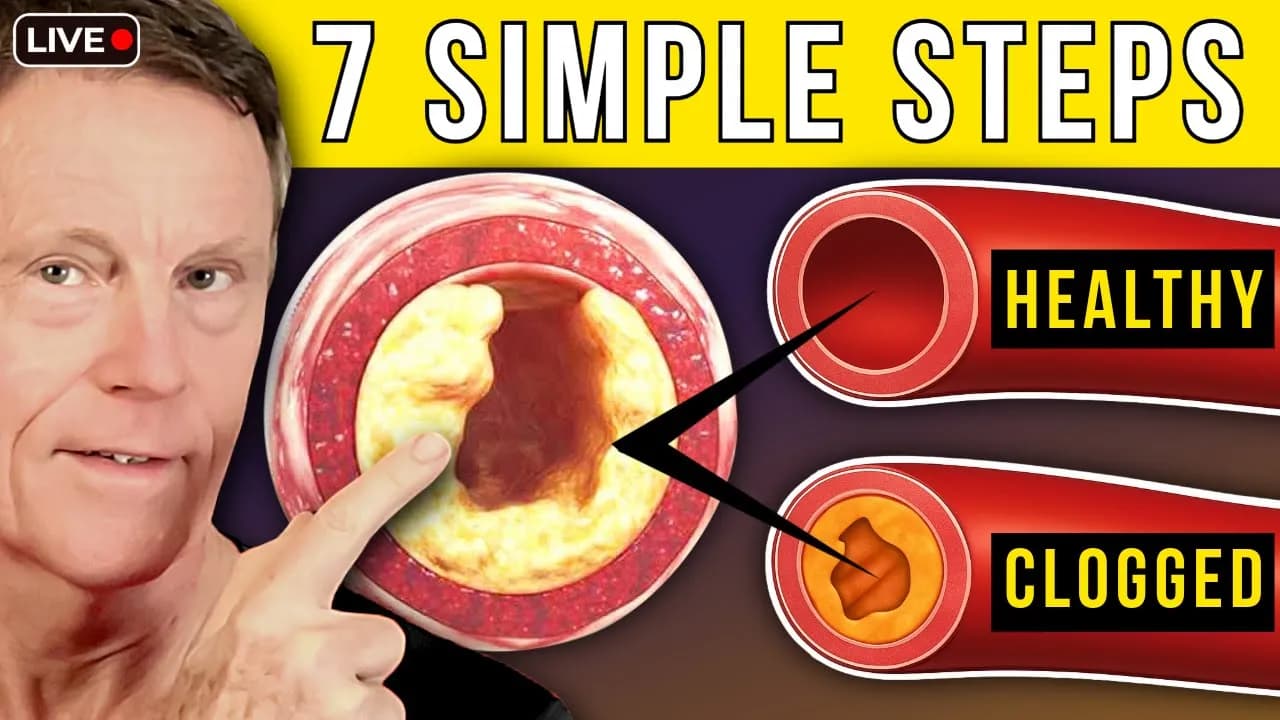
Calcium score (CT scan timed to heartbeat, detects calcium in heart arteries): easy, inexpensive, objective. Disadvantage: misses soft plaque (calcified plaque low risk, similar to no plaque).
-
CIMT (carotid intima-media thickness, neck ultrasound): detects soft plaque, inexpensive, no radiation. Downsides: hard to get good test, less recognized; ignore "arterial age," focus on soft plaque presence (objective, predicts events per Honda study).
-
CTA (CT angiogram with AI analysis, heart arteries with dye): now standard (AI improved 3-4 years ago, better than radiologists). Shows plaque detail. Caveats: expensive ($1,000-$2,000), radiation, dye; request plaque analysis (not just flow).
Summary:
- Calcium score: calcified plaque, first test if naive.
- CIMT: soft vs. calcified (neck, ~2% miss heart plaque).
- CTA: best, contrast dye, AI plaque analysis.
Millions in 50s-60s have undetected plaque/vascular disease, should consider aspirin; doctors often don't look.
Even enteric-coated aspirin on full stomach. Enteric-coated not clearly better than regular low-dose for stomach protection; same efficacy/safety. Issues: whole pills in poop (no absorption), or still stomach bleeding.
Recommendation: chew for quick bloodstream absorption (salty, bad taste).
Low-dose aspirin (not "baby aspirin"): 81 mg US, 80-100 mg Europe/South America/Mexico. Daily for prevention.
Emergency (suspected heart attack: chest pain, sweating, breathing issues): 325 mg (full adult dose), chew for absorption via oral mucosa (every minute counts, bypasses stomach).
Do not use aspirin in babies/kids without doctor (Reye's syndrome risk).
Not daily necessary if bruising/bleeding issues (guidelines say daily, but surgery requires 7-day stop).
Patients with vascular disease on baby aspirin need to stop it for a week before surgical procedures. It takes at least 48 hours for platelets to go through their growth phase, so aspirin taken today impacts platelets for the next 48 hours. Taking it every other day can make sense for some individuals, but lacks strong evidence. Discuss with your doctor.
Stress tests do not predict heart attacks, as exemplified by Tim Russert who died despite one. Focus remains on aspirin, not plaque detection or stress tests.
Main side effect is bleeding issues. Risks increase in 80s and beyond for GI problems, kidney disease, and brain bleeds. Even with plaque, weigh risks vs. benefits for baby aspirin. Some 80-year-olds continue if their metabolism seems younger. Reconsider if higher risk from kidney disease, gut bleeding, or brain bleeding. Low-dose aspirin has not caused kidney disease in speaker's experience; seen only with higher doses combined with NSAIDs. Hearing issues possible with chronic use, but relative contraindication, not absolute. Absolute allergy requires alternatives like clopidogrel.
Clopidogrel prescribed post-stent or bypass, especially with multiple procedures, stents, bypasses, strokes, or heart attacks. Dual therapy (clopidogrel + aspirin) for serious cases, not prevention.
Ketosis superior long-term to aspirin or any supplement/drug; supported by head-to-head RCTs and meta-analyses showing lifestyle trumps all. Ketosis means burning fat (producing ketones) 5 days/week, not necessarily keto diet. Can achieve via pure carnivore, lion diet, vegan, or vegetarian. Even in ketosis, aspirin recommended as backup for unpredictable factors like poor sleep or rising cortisol/insulin resistance.
Signs: easy bruising, bleeding gums. Tests: prothrombin time, activated partial thromboplastin time, platelet counts, fibrinogen, D-dimer, genetic tests like factor V Leiden.
Not strictly at night, but 24-48 hours coverage matters. Morning clotting events higher due to cortisol, blood pressure, coagulation state, especially with diabetes/metabolic disease. Night dosing logical if every other day, though not evidence-based.
Aspirin does not prevent all strokes, especially atrial fibrillation (AFib) strokes. AFib (most common arrhythmia) causes quivering atria, clots in left atrial appendage (ear-shaped pocket), raising stroke risk 6-8x. Low-dose aspirin ineffective; use novel oral anticoagulants (NOACs) like Xarelto, Eliquis, apixaban. AFib often paroxysmal, undiagnosed.
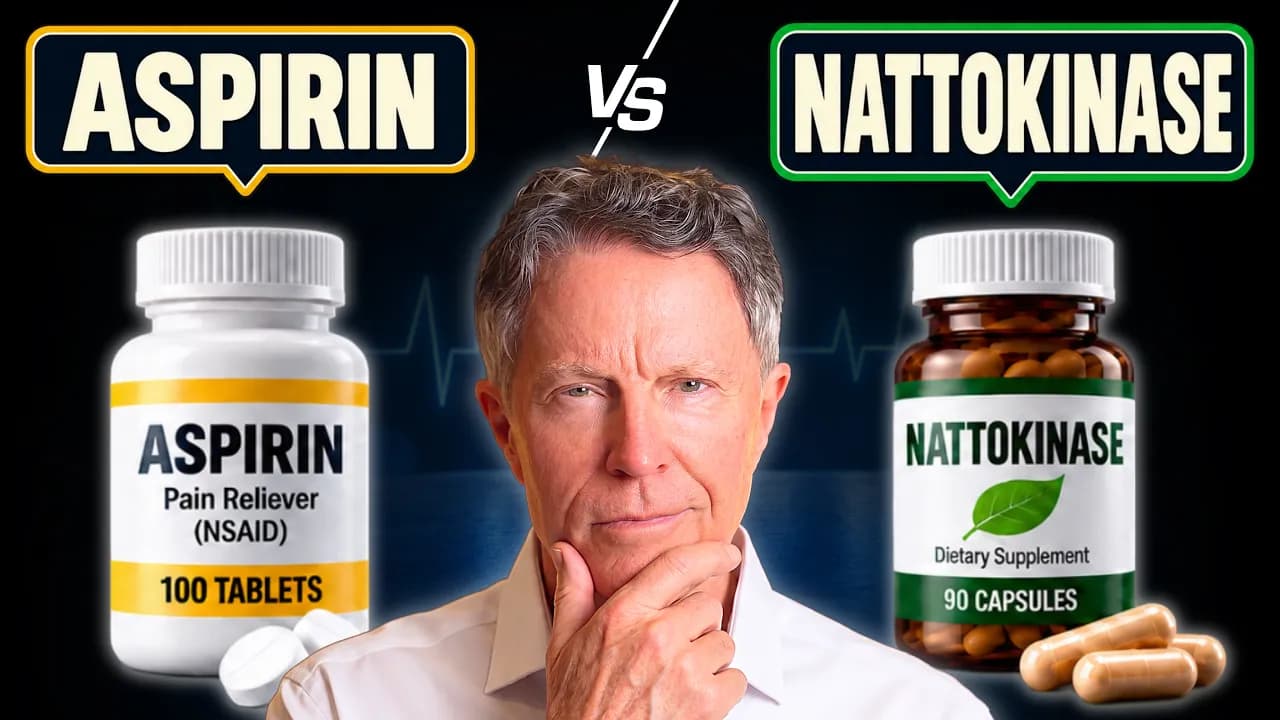
Supplements (nattokinase, lumbrokinase, cayenne pepper, garlic, curcumin/turmeric) not substitutes; insufficient evidence, good evidence they do not replace low-dose aspirin. Nattokinase strongest but not equivalent. Supplements safer but cannot out-supplement or out-medicate bad lifestyle. Some act on fibrin (clot cement), not platelets (bricks) like aspirin.
Safe combination; use lower nattokinase dose (4,000 FU vs. standard 8-14,000 FU). Arginine, beetroot, citrulline, creatine act differently. Garlic has evidence for reversing arterial plaque (Kyolic studies).
You're Luke Skywalker fighting for your life/family; speakers are Yoda guides with experience in battles using supplements, exercise, lifestyle.
Natural sources (willow bark for aspirin, red yeast rice for statins) riskier due to poor supplement regulation/quality control vs. pharma.
Lp(a) (lipoprotein(a), LDL cousin) linked to heart attack risk. Aspirin doesn't lower Lp(a) but reduces cardiac event risk in high Lp(a) per studies.
Agreeing with prior discussion, assess vascular disease risk beyond average by checking for plaque or elevated Lp(a) levels. Lp(a) at 300 mg/dL and above adds significant vascular risk, warranting low-dose aspirin regardless of plaque presence; levels 300 mg/dL and below are less concerning.
Vitamin K2 is not made from nattokinase; confusion likely stems from natto, the Japanese fermented soybeans dish containing both. Nattokinase is an enzyme (a protein that transforms substances).
Black Tangu (natto variant). Challenge to Dr. Aujla's claim that plaque is only visible in the cath lab; invitation extended via email for Dr. Aujla to host or appear with Dr. Brewer. Dr. Aujla declined, stating he will never platform Dr. Brewer. Offer to chat amicably, noting more common ground than disagreements.
Positive experience with Dr. Gil Carvalho (LDL plant-based advocate); agreed on 90% of topics, remained cordial. He increasingly acknowledges metabolic disease issues. European Society of Cardiology statement positions visceral fat, metabolic disease, diabetes, and pre-diabetes as major risk factors for clogged arteries.
Acknowledge bleeding risk when combining nattokinase and aspirin; reduce nattokinase dose to 4,000 FU instead of 12,000 FU.
Bart Kay's content reviewed; intrigued by his theory (details forgotten in moment), not viewed negatively. Open to inviting him despite his strong personality.
Dr. Aujla calls non-cath lab plaque detection a scam; disagreement noted, agreeing to disagree.
Next House Calls video planned for Saturday (confirmation pending); backup content ready. Promote Harland's story: peripheral artery disease patient near Dallas who improved from inability to walk to walking much more via lifestyle changes. Video features house visit reviewing his kitchen, diet, and exercise—real-life application contrasting theoretical lectures. Includes drama and emotional reality, showing practical challenges post-doctor visits. Unscripted, genuine reality (not rigged TV).
Limited comments on stents; link to "Number one best way to find clogged arteries" video in description. Thank you for interest.
Keep Thomas Fordham Brewer MD MPH in your library
Save the videos and channels worth coming back to, and find them again in one place.