It Started: The BIGGEST Wealth Transfer Of Our Lifetime Has Just Begun!
In a Nutshell
The biggest wealth transfer opportunity stems from post-midterm market conditions where S&P 500 companies delivered 31.4% earnings growth while trading at only 17.7x forward earnings, and AI adoption is driving productivity gains across all 500 companies rather than just the biggest tech names. Historical patterns show 52% average returns in the 12 months after 20%+ market drops, while missing the 10 best trading days over 20 years cuts returns nearly in half. The core strategy is maintaining diversified holdings and buying during inevitable corrections rather than trying to time markets or predict outcomes.
These notes were generated by AI and may contain inaccuracies.
All conditions are aligned for one of the biggest wealth-building opportunities of our generation. The biggest winners will not be the tech billionaires and big corporations, but ordinary investors who understand what is happening and act before the rest of the world does. The next few years could generate more money than most people imagined.
SoFi is sponsoring this video. As a thank you for pressing the like and subscribe buttons, $100 will be given to one random commenter.
Oil prices have become the unexpected trump card for the economy following the conflict with Iran. Almost everything depends on whether gasoline prices will decrease until this issue is resolved. If oil prices do not fall, it could lead to more inflation.
Inflation shows consumer prices up 3.7% from last year, while wages have grown by only 3%. Treasury bonds now offer a guaranteed, risk-free return, so nobody wants to pay so much for stocks anymore.
National debt presents the debt spiral dilemma where interest payments require printing more money, which causes higher interest rates that lead to printing even more money. The United States runs a $2 trillion deficit every year, forcing the printing press to keep operating until something eventually breaks.
Data centers and AI spending represent the part that no one wants to talk about. Amazon, Alphabet, Meta, Microsoft, and SpaceX are on track to spend between $803 billion and $828 billion this year alone on capital expenditures. The seven largest companies have reported earnings that fell short of estimates by a total of 14.7% this quarter, while their spending continues to rise higher and higher.
Valuations show the Shiller CAPE ratio hovering around 40 this year, the second-highest reading in more than 150 years. However, the strongest stock market returns in history usually occur when the headlines look absolutely terrible.
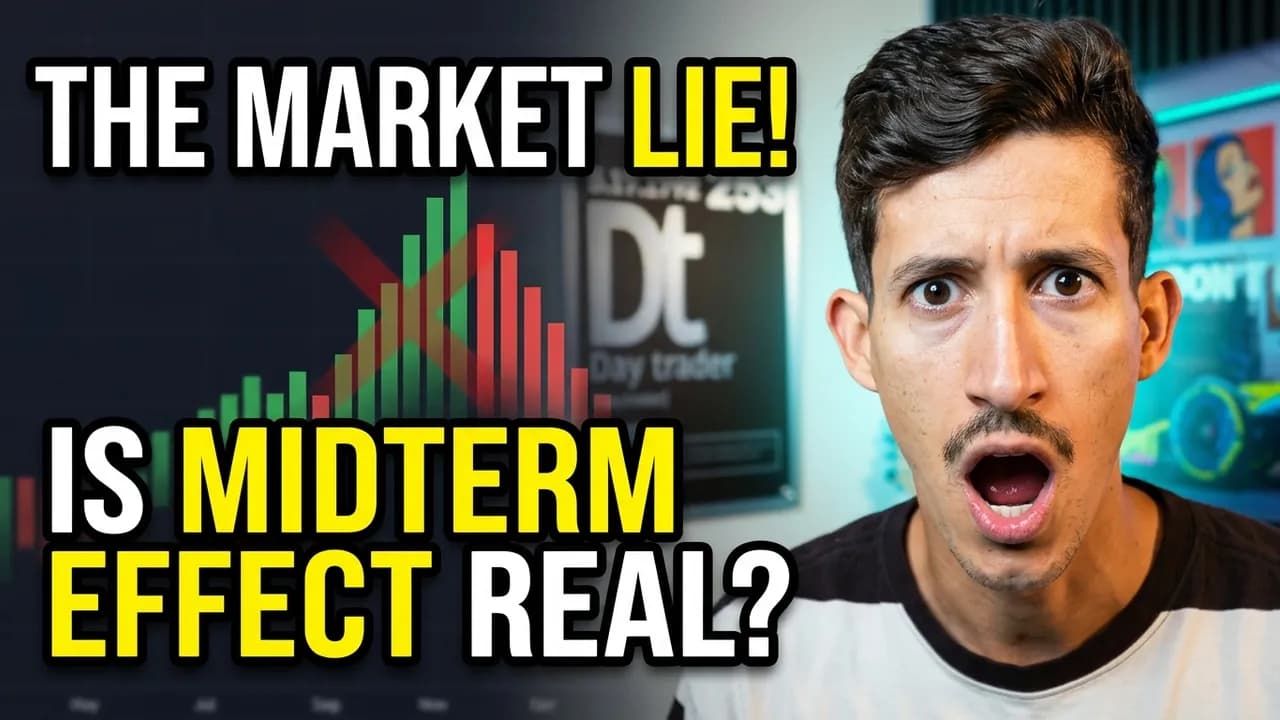
Historically, after the midterm elections since 1946, the S&P 500 has risen every year with an average gain of 14.4%. The stock market generally tends to rise regardless of the election, but immediately after the midterm elections there is an abnormal surge in growth because investors perceive less uncertainty and pump their money back into the markets.
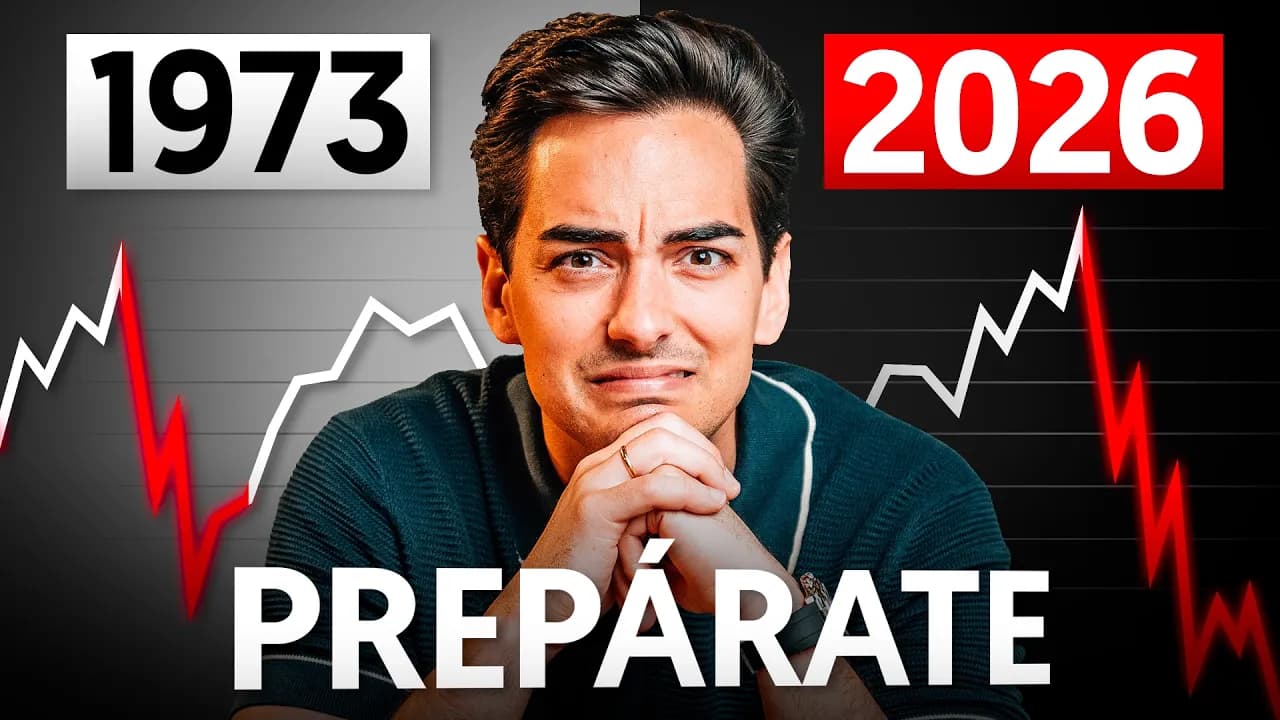
According to Capital Group, the S&P 500 index has fallen by 10% or more roughly every 18 months, and by 20% or more roughly every 6 years. When the S&P 500 falls by more than 20%, there is typically an average decline of slightly more than 30% that lasts for an average of 338 days. However, if you keep buying and double down on your investment when the market falls, the historical average return for 12 months after a sharp decline is a massive 52% gain. As the market continues to rise, this generally lasts for 67 months with an average profit of 265%.
The S&P 500 is currently trading at only 17.7 times its projected earnings, which is below its 5-year average of 19.8 and its 10-year average of 19.1. This is the lowest level of forward earnings seen in 3 years. The valuations have fallen relative to earnings not because stock prices have fallen, but because companies' projected earnings have grown so rapidly.
Diversification is important with a mix of US and international stocks, some real estate for personal use, a little cash, tax-exempt municipal bonds, and a little cryptocurrency. This way, if something goes down, there is something else to rely on.
SoFi is the first nationally licensed bank where you can buy, sell, and hold cryptocurrencies through one easy-to-use app. From now until December 2, new customers will be able to earn up to $1,000 in cryptocurrency of your choice between Bitcoin, Solana, or Ethereum. SoFi provides a federally regulated platform with all the guarantees of banks. Cryptocurrencies can be bought and sold from within the same SoFi app used to manage the rest of your finances, alongside current and savings accounts and investments without having to switch between different apps and platforms. In-app guidance is provided to help users learn as they go.
The market has already absorbed a lot of bad news into its prices. All that needs to happen is to achieve peace with Iran. Oil prices have been the main driver of rising inflation, rising interest rates, and falling stock prices. Once this is resolved, everything will start to return to normal, beginning with a decrease in inflation.
This year's inflation problem was really just an energy problem. Excluding food and energy, prices rose by only 2.6% in September. If oil falls, inflation may eventually fall to that level and give the Federal Reserve room to cut interest rates.
The bond market is starting to soften, with the 10-year yield falling from 5.3% in early October to around 4.8%.
According to FactSet, S&P 500 companies just reported earnings growth of 31.4% compared to last year. This is the third consecutive quarter of 25% growth, and analysts predict a 33% increase in profits for the full year 2026. Companies not only look more valuable, but they are making so much money that they are starting to catch up with their market valuations.
Artificial intelligence is creating fewer administrative working hours, faster software development, and lower operating costs for almost every company in the country. There is a big difference between companies that use artificial intelligence and make money from it today, and companies that spend a lot of money hoping to make profits from it in the future.
Both Micron and Nvidia were on track to be the biggest contributors to earnings growth this quarter. Meanwhile, the other 493 companies in the S&P 500 were on track to grow their earnings faster than the seven largest companies. This suggests that the artificial intelligence boom is no longer just about big technology companies, but concerns every existing company that uses artificial intelligence to reduce costs and increase productivity.
Last week, the economy added 165,000 new jobs last month, nearly three times what economists had predicted, with unemployment falling to 4.1%. If inflation falls while real wages continue to grow, people will have more money, spend more, which is good for businesses and good for stock prices.
The most common mistake that happens at the worst possible time usually occurs when there is a sell-off in the stock market. Last week was a perfect example: the day after the midterm elections, the S&P 500 had its best day in three months, and just one day later, it had its worst day since April 2025.
Any time it is a really bad day in the markets that makes you think the bubble has burst and the market will never recover, historically some of the strongest rebounds occur, usually immediately or after a few days. JPMorgan found that missing just 10 of the best days over a 20-year period would reduce your annual return by almost half. Seven of the best of those ten days occurred within two weeks of the worst ten days.
In dollar terms, $10,000 in the S&P 500 over 20 years would have grown to about $82,300. But if you miss the best 10 days, you will only get about $35,000.
After a midterm election leaves a divided government, the S&P 500 averaged a return of about 14.6% over the following year, compared to 14.9% when one party controls everything. The stock market does not really care who is in position or who wins, whether Republican or Democrat. Over time it tends to trend upwards. Political gridlock usually means fewer surprises, and that is something the stock market takes positively.
There is always a reason not to invest. The biggest gains do not usually happen when everything seems perfect. Rather, it happens when everyone loses their minds and believes that this is the end and that the market will never recover.
If corporate profits continue to grow as inflation slows, stocks may become less expensive to produce even as prices continue to rise. This is something many people overlook.
Pay very close attention to artificial intelligence not because every AI stock should be bought, but because if AI is used and adopted, we are at the beginning of one of the biggest productivity shifts in history. If companies can produce more at a lower cost, an economy could grow at a record pace without the same inflationary pressures seen in the past.
Some of the biggest winners from artificial intelligence will not be the AI companies themselves, but rather the companies that use it to drastically reduce their expenses while increasing productivity.
For the average person, the ability to use artificial intelligence to increase your productivity may be far more valuable than investing in the companies themselves.
You do not need to predict what will happen next or forecast the future. All you need is the ability to keep buying without selling once the market inevitably drops. If there is a collapse so bad that it becomes an indicator of recession, be there to buy on the dip, which is better than waiting for an opportunity that may never come.
Keep Graham Stephan in your library
Save the videos and channels worth coming back to, and find them again in one place.