Jon Batiste on the key to improvising music
In a Nutshell
Jon Batiste improvises music by channeling inspiration through his instruments without sheet music or verbal direction, guiding collaborators through eye contact and real-time listening to create a spontaneous musical conversation. Once captured, he listens to the improvisation to determine what form it should take, avoiding judgment during the creative process. Technical skill matters less than transcendence—mistakes are part of the journey, and each improvisation is unique and unrepeatable in its original form.
These notes were generated by AI and may contain inaccuracies.
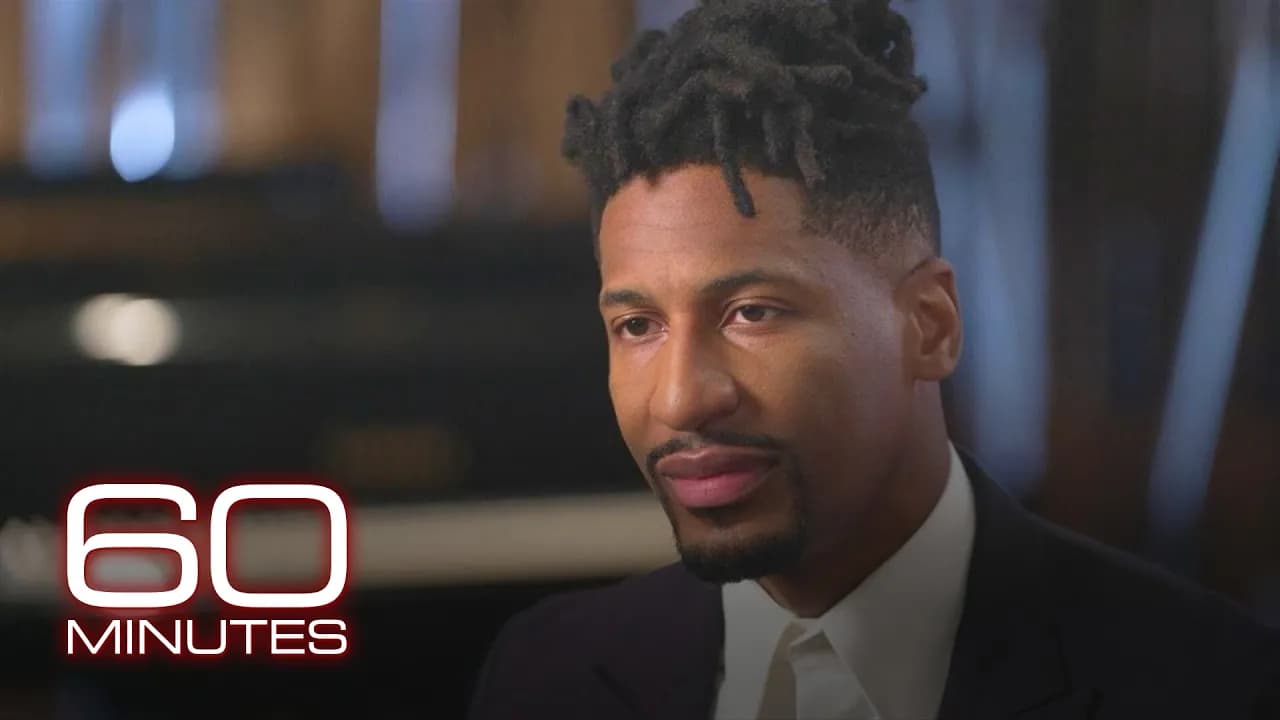
Jon Batiste won album of the year in 2021. Previously served as band leader for the Late Show with Stephen Colbert. He composes, performs, and thinks deeply about music. His approach blends all forms of music and genres together. He improvises in unprecedented ways.
The recording session took place at Electric Lady Studios in Greenwich Village. The session included only Jon Batiste, a bass player, and a drummer. Batiste improvised on piano for approximately 15 to 20 minutes, producing beautiful riffs with peaks and valleys in the music. No sheet music was used during the session.
The musicians followed Batiste through non-verbal cues including eye contact and listening. They stayed on the same wavelength throughout the improvisation. The bass player and drummer kept up with his playing without verbal instructions.
Batiste describes creation coming through many different doorways, with the primary one being through the instruments. He channels music through his playing, and the musicians follow in a split second. They respond to what his left hand is doing, the melody, or the tempo. The process creates a conversation that generates the bass track. After capturing the inspiration, they may arrange, organize, or replay it. The captured music can become a song, composition, or symphony. He avoids judging what the music is during the creation process.
Once the music is captured, Batiste listens to determine what it tells him it will become. The specific improvisation recorded was played only once and will never be played again in that form. If developed into something further, it will be played many times in new arrangements.
Batiste emphasizes that technical proficiency is undeniable but the transcendence is the important part, not the technical aspect. Having all the chops without the gravy is possible. There are no mistakes in the journey. The focus should remain on carrying on with the journey.
Keep 60 Minutes in your library
Save the videos and channels worth coming back to, and find them again in one place.